2026 Grid Modernization: Clean Energy Investment Guide
Anúncios
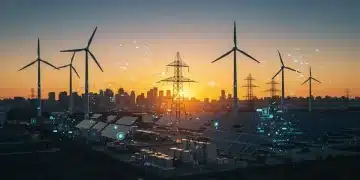
The energy landscape is undergoing a monumental transformation, driven by an urgent need for sustainability and resilience. At the heart of this evolution lies the concept of Grid Modernization 2026 — a comprehensive set of initiatives designed to revolutionize how we generate, distribute, and consume electricity. For investors, businesses, and policymakers alike, understanding these upcoming changes is not just beneficial, it’s essential for navigating the future of clean energy. This article will delve deep into the intricacies of the 2026 Grid Modernization initiatives, exploring their core components, the policy frameworks supporting them, and most importantly, their profound impact on clean energy investments.
The global push towards decarbonization has accelerated the demand for cleaner, more efficient energy systems. Traditional grids, often centralized and unidirectional, are ill-equipped to handle the complexities introduced by intermittent renewable energy sources, distributed generation, and increasing consumer demand for reliable, sustainable power. This is where Grid Modernization 2026 steps in, aiming to create a smarter, more flexible, and resilient electrical infrastructure capable of supporting a future powered predominantly by clean energy.
The Imperative for Grid Modernization 2026
Why is grid modernization, particularly leading into 2026, so critical? Several converging factors necessitate this paradigm shift:
- Aging Infrastructure: Much of the existing electrical grid in many parts of the world is decades old, built for a different era of energy production and consumption. This aging infrastructure is prone to failures, inefficient, and costly to maintain.
- Rise of Renewables: The rapid proliferation of solar, wind, and other renewable energy sources presents unique challenges. Their intermittent nature requires advanced grid management capabilities to ensure stability and reliability.
- Distributed Energy Resources (DERs): The growth of rooftop solar, battery storage, and electric vehicles (EVs) means energy is no longer just flowing from large power plants to consumers. It’s a two-way street, with consumers also becoming producers, demanding a more dynamic grid.
- Climate Change Resilience: Extreme weather events, exacerbated by climate change, highlight the vulnerability of current grid systems. Modernization aims to build a more resilient grid capable of withstanding these shocks.
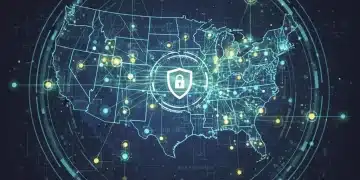
- Cybersecurity Threats: As the grid becomes more digitized and interconnected, it also becomes more susceptible to cyberattacks. Grid Modernization 2026 includes robust cybersecurity measures to protect critical infrastructure.
- Consumer Expectations: Consumers today expect more control over their energy consumption, lower bills, and access to clean energy options. A modernized grid can facilitate these demands through smart meters and demand-response programs.
Understanding these drivers is the first step in appreciating the scale and scope of the investment opportunities presented by Grid Modernization 2026.
Key Pillars of Grid Modernization 2026
The initiatives encompassed within Grid Modernization 2026 are multifaceted, touching upon various technological, operational, and regulatory aspects. Here are the core pillars:
1. Smart Grid Technologies
At the heart of any modernized grid is the concept of a ‘smart grid.’ This involves integrating digital technology, communication networks, and advanced sensors into the electricity infrastructure. Key components include:
- Advanced Metering Infrastructure (AMI): Often referred to as ‘smart meters,’ AMI systems provide real-time data on energy consumption, enabling better demand management, outage detection, and billing accuracy.
- Sensors and Monitors: Deployed across the grid, these devices provide real-time data on grid conditions, allowing for proactive maintenance, fault detection, and optimized power flow.
- Automated Control Systems: These systems use data from sensors to automatically adjust power flow, reroute electricity during outages, and manage voltage levels, enhancing grid reliability and efficiency.
- Communication Networks: Secure and reliable communication networks are essential for transmitting data between grid components, control centers, and consumers.
The deployment of these smart grid technologies is a significant area for investment, with companies specializing in hardware, software, and data analytics poised for substantial growth. The focus for Grid Modernization 2026 will be on scaling these deployments and ensuring interoperability across different systems.
2. Renewable Energy Integration
A primary goal of Grid Modernization 2026 is to seamlessly integrate a higher penetration of renewable energy sources into the grid. This requires:
- Enhanced Forecasting: More accurate forecasting of renewable energy output (e.g., solar irradiance, wind speed) is crucial for balancing supply and demand.
- Energy Storage Solutions: Battery storage, pumped hydro, and other storage technologies play a vital role in mitigating the intermittency of renewables, storing excess energy when production is high and releasing it when demand peaks or production dips.
- Flexible Generation: Natural gas peaker plants and other flexible generation sources will continue to play a role in balancing the grid, though their reliance is expected to decrease as storage and demand-side management improve.
- Microgrids: Self-sufficient energy systems that can operate independently or connected to the main grid, microgrids enhance local resilience and can integrate local renewable generation and storage.
Investment in renewable energy integration technologies, particularly energy storage and advanced grid controls for managing variable generation, will be a cornerstone of Grid Modernization 2026 efforts.
3. Grid Resilience and Reliability
Building a grid that can withstand and quickly recover from physical and cyber threats is paramount. Initiatives under this pillar for Grid Modernization 2026 include:
- Physical Infrastructure Upgrades: Hardening power lines, substations, and other critical infrastructure against extreme weather.
- Cybersecurity Enhancements: Implementing advanced cybersecurity protocols and technologies to protect against digital attacks that could cripple the grid.
- Distributed Energy Resource Management Systems (DERMS): Software platforms that manage and optimize the operation of DERs, allowing them to contribute to grid stability and resilience.
- Self-Healing Grids: Systems capable of automatically detecting and isolating faults, then rerouting power to minimize outage durations.
Companies offering solutions in grid hardening, cybersecurity, and advanced grid management will find significant opportunities as utilities and grid operators prioritize resilience in the lead-up to and beyond Grid Modernization 2026.
4. Demand-Side Management (DSM) and Consumer Engagement
Empowering consumers to actively participate in managing their energy use is a critical aspect of a modern grid. Grid Modernization 2026 aims to:
- Time-of-Use (TOU) Rates: Encouraging consumers to shift energy consumption to off-peak hours through variable pricing.
- Demand-Response Programs: Incentivizing consumers to reduce energy use during peak demand periods to avoid grid strain.
- Home Energy Management Systems (HEMS): Technologies that allow consumers to monitor and control their energy consumption, often integrating with smart appliances.
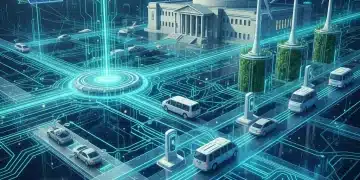
- Electric Vehicle (EV) Charging Infrastructure: Managing the growing demand from EVs, including smart charging solutions that optimize charging times to benefit the grid.
The growth in smart home technology, EV infrastructure, and software platforms for energy management will be heavily influenced by these modernization efforts.
Policy and Regulatory Landscape for Grid Modernization 2026
The success of Grid Modernization 2026 hinges heavily on supportive policy and regulatory frameworks. Governments and regulatory bodies are playing a crucial role in driving these changes through:
- Incentives and Subsidies: Providing financial incentives for utilities and private companies to invest in smart grid technologies, renewable energy, and energy storage.
- Regulatory Reforms: Updating outdated regulations to allow for new business models (e.g., peer-to-peer energy trading), facilitate DER integration, and ensure fair cost recovery for grid investments.
- Standardization: Developing common technical standards for grid components and communication protocols to ensure interoperability and scalability.
- Long-Term Planning: Mandating and supporting long-term grid modernization plans that outline clear objectives, timelines, and investment strategies leading up to and beyond 2026.
- Carbon Pricing and Renewable Energy Mandates: These overarching policies continue to drive the transition to clean energy, indirectly accelerating the need for a modernized grid to accommodate these sources.
Investors should closely monitor these policy developments, as they often signal where the most significant investment opportunities and regulatory support will be directed for Grid Modernization 2026.
Impact on Clean Energy Investments
The initiatives under Grid Modernization 2026 are creating a fertile ground for clean energy investments across numerous sectors:
1. Renewable Energy Generation
With a smarter, more flexible grid, the economic viability and operational benefits of renewable energy projects — solar farms, wind parks, geothermal plants — are significantly enhanced. Investors can expect continued growth in utility-scale renewable projects, as well as an acceleration in distributed generation, such as community solar and rooftop installations. The ability of a modernized grid to efficiently handle intermittent supply reduces the risk associated with these investments and increases their market penetration.
2. Energy Storage Technologies
Perhaps one of the most directly impacted sectors by Grid Modernization 2026 is energy storage. As renewables grow, so does the need for reliable storage solutions. This includes:
- Utility-Scale Batteries: Large battery installations providing grid services like frequency regulation, peak shaving, and renewable energy firming.
- Residential and Commercial Storage: Behind-the-meter batteries that enhance self-consumption of solar, provide backup power, and participate in demand-response programs.
- Emerging Storage Technologies: Investments in flow batteries, compressed air energy storage (CAES), and green hydrogen for long-duration storage will likely see increased funding.
Companies developing and deploying these technologies are positioned for substantial growth as Grid Modernization 2026 progresses.
3. Grid Infrastructure and Technology Providers
Companies that design, manufacture, and install smart grid components are central to Grid Modernization 2026. This includes:
- Smart Meter Manufacturers: Providing the foundational data layer for the modernized grid.
- Sensor and Communication Technology Companies: Developing the hardware and software for real-time grid monitoring and control.
- Cybersecurity Firms: Offering specialized solutions to protect grid infrastructure from digital threats.
- Power Electronics Manufacturers: Producing inverters, converters, and other devices critical for integrating DERs and managing power flow.
- Software and Analytics Companies: Developing advanced algorithms for grid optimization, predictive maintenance, and energy market management.
These ‘picks and shovels’ providers for the energy transition represent a robust and often less volatile investment opportunity.
4. Electric Vehicle (EV) Infrastructure
The rise of EVs is inextricably linked to grid modernization. Grid Modernization 2026 will enable smart charging solutions that integrate EVs as flexible loads and potential mobile storage units (Vehicle-to-Grid or V2G). Investment opportunities lie in:
- Charging Station Networks: Expanding public and private charging infrastructure.
- Smart Charging Software: Developing platforms that optimize charging schedules based on grid conditions and electricity prices.
- V2G Technology: Companies developing bidirectional chargers and software to enable EVs to feed power back to the grid.
5. Energy Efficiency and Demand-Side Management
Investments in technologies and services that promote energy efficiency and active demand management will also thrive under Grid Modernization 2026. This includes:
- Building Energy Management Systems (BEMS): Software and hardware for optimizing energy use in commercial and industrial buildings.
- Smart Appliances and IoT Devices: Devices that can communicate with the grid and adjust their operation based on demand signals.
- Energy Service Companies (ESCOs): Firms that provide comprehensive energy efficiency solutions, often on a performance-contracting basis.
Challenges and Considerations
While the prospects for Grid Modernization 2026 are bright, several challenges must be addressed:
- Cost and Funding: Modernizing the grid requires significant capital investment. Ensuring adequate funding mechanisms and cost recovery for utilities is crucial.
- Regulatory Hurdles: Outdated regulations can impede innovation and the adoption of new technologies. Continuous regulatory reform is essential.
- Interoperability and Standardization: Ensuring that diverse technologies from different vendors can communicate and work together seamlessly is a complex task.
- Cybersecurity Risks: A more connected grid presents a larger attack surface. Robust and evolving cybersecurity strategies are paramount.
- Public Acceptance and Education: Gaining public trust and educating consumers about the benefits and changes associated with a modernized grid is vital for successful implementation.
- Workforce Development: A skilled workforce is needed to design, build, operate, and maintain the advanced components of a modernized grid.
Investors should evaluate companies not just on their technological prowess, but also on their ability to navigate these complex challenges and contribute to solutions that address them as part of Grid Modernization 2026.
The Long-Term Vision Beyond Grid Modernization 2026
The initiatives culminating in Grid Modernization 2026 are not an endpoint but a significant milestone in a continuous journey towards a fully decarbonized, resilient, and intelligent energy system. Beyond 2026, we can expect further advancements:
- Increased Decentralization: More energy generation and storage will occur closer to the point of consumption, leading to a more distributed and robust grid architecture.
- Greater Data Utilization: Advanced AI and machine learning will further optimize grid operations, predict failures, and manage energy markets with unprecedented precision.
- Cross-Sectoral Integration: Deeper integration between the electricity grid, transportation (EVs), and heating/cooling systems will unlock new efficiencies and flexibilities.
- Enhanced Consumer Empowerment: Consumers will have even greater control over their energy choices, potentially participating in local energy markets and transacting energy with neighbors.
- Global Interconnections: Regional and even international grid interconnections will become more common, leveraging diverse renewable resources and enhancing overall grid stability.
These future trends underscore the long-term nature of the investment opportunities in clean energy and grid technology, with Grid Modernization 2026 serving as a critical foundation.
Conclusion
The Grid Modernization 2026 initiatives represent a pivotal moment in the global energy transition. They are not merely about upgrading wires and transformers; they are about fundamentally rethinking how our energy systems operate to be cleaner, more reliable, and more resilient. For investors, this translates into a wealth of opportunities across renewable energy generation, energy storage, smart grid technologies, EV infrastructure, and demand-side management solutions.
As we approach 2026 and beyond, those who understand the drivers, technologies, and policy landscapes of grid modernization will be best positioned to capitalize on the profound shifts underway. The future of energy is smart, clean, and interconnected, and Grid Modernization 2026 is the roadmap to get us there. Engaging with this transformation is not just an investment in technology, but an investment in a sustainable and secure energy future for all.