Tidal and wave energy projects: harnessing nature’s power
Anúncios
Tidal and wave energy projects harness renewable energy from ocean tides and waves, offering reliable, sustainable solutions that can significantly reduce reliance on fossil fuels and contribute to a cleaner energy future.
Tidal and wave energy projects present a captivating frontier in renewable energy technology. Ever wondered how harnessing the ocean’s natural forces could reshape our energy landscape?
Understanding tidal energy and its mechanisms
Understanding tidal energy is essential for recognizing how we can use the ocean’s natural rhythms to generate power. This fascinating form of renewable energy relies on the gravitational pull of the moon and sun, which creates the tides. As water levels rise and fall, the movement can be captured to produce electricity.
One way to harness this energy is through tidal turbines. These turbines work similarly to underwater wind turbines: as water flows over them, they spin and generate power. Another approach involves tidal barrages, which function like dams. Water is trapped during high tide and released at low tide, driving turbines to create energy.
Key Mechanisms of Tidal Energy
Understanding how tidal energy works involves examining various mechanisms:
- Tidal Range: The difference in water level between high tide and low tide.
- Gravitational Forces: The pull of the moon and sun significantly affects tidal patterns.
- Phase Delay: The timing difference between the moon’s position and the resulting tide.
- Location: Certain geographic areas are better suited for tidal energy projects due to stronger tidal movements.
Furthermore, tidal energy presents a reliable source of energy, unlike solar and wind, which can be intermittent. The predictability of tidal patterns allows us to plan energy generation over time effectively. This consistency is a significant advantage for energy providers.
In implementing tidal energy systems, we must also consider the ecological impact. Careful planning and environmental assessments are crucial to ensure that marine life is protected. Innovative technology can help mitigate potential negative effects, preserving biodiversity while harnessing clean energy.
As we look toward the future, advancements in tidal energy technology could pave the way for more efficient systems. Research continues to refine turbine designs and improve the energy output from tidal projects.
The potential of wave energy projects
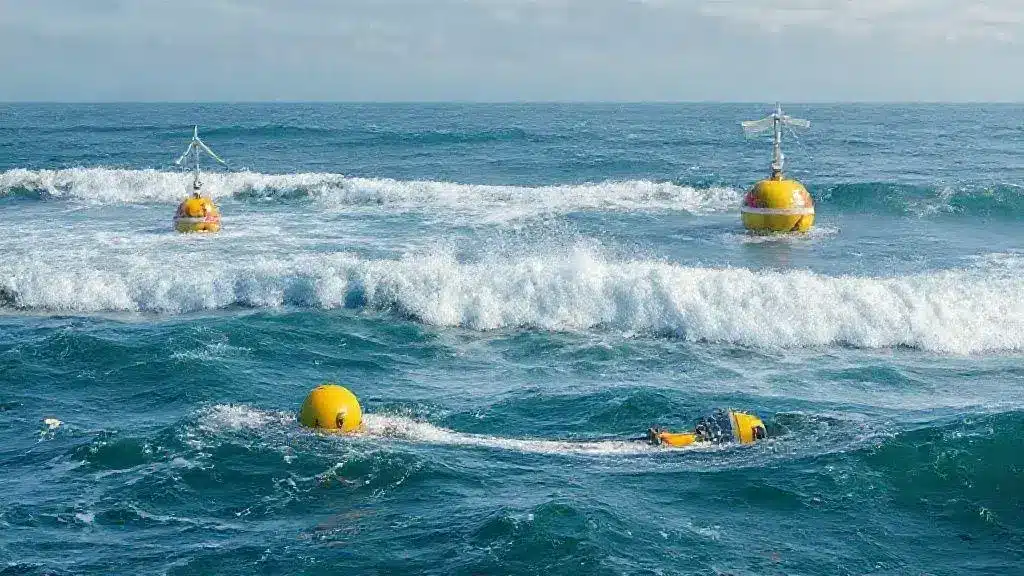
The potential of wave energy projects is immense, tapping into the power of the ocean’s surface waves. As tides rise and fall, waves generate energy that can be converted into electricity. This energy is consistently available, providing a reliable source of power for our growing energy needs.
Wave energy converters are at the heart of this technology. These devices capture energy captured from the movement of waves. Some designs use buoys that float on the surface, moving up and down with the waves. Others are submerged and harness the pressure changes created by passing waves. The diversity in design allows for flexibility in how we can harvest this energy.
Advantages of Wave Energy Projects
There are numerous benefits to developing wave energy projects:
- Renewable Source: Wave energy is replenished constantly by natural forces.
- High Energy Density: The energy contained in waves is significantly higher than wind energy.
- Minimal Land Use: Wave energy installations can be placed offshore, reducing land-use impacts.
- Predictability: Unlike solar and wind energy, wave patterns are more consistent and can be forecasted accurately.
Additionally, wave energy can be a complementary source of power alongside other renewable technologies. By integrating wave energy systems with wind and solar, communities can create a more resilient energy grid. This integration helps to balance energy supply and demand, especially during peak usage times.
Investments in wave energy technology are rising, leading to innovations that enhance efficiency. Researchers are continually developing new designs to capture even more energy from the ocean. These advancements promise to bring us closer to harnessing wave energy on a larger scale.
As we look to the future, the potential of wave energy will play a crucial role in achieving sustainable energy goals. With the right policies and support for research and development, wave energy could help transform our energy landscape.
Challenges in developing tidal and wave energy
Developing tidal and wave energy presents several challenges that must be addressed to harness this renewable resource effectively. Despite the promising potential, these projects face technical, environmental, and financial obstacles that can impede progress.
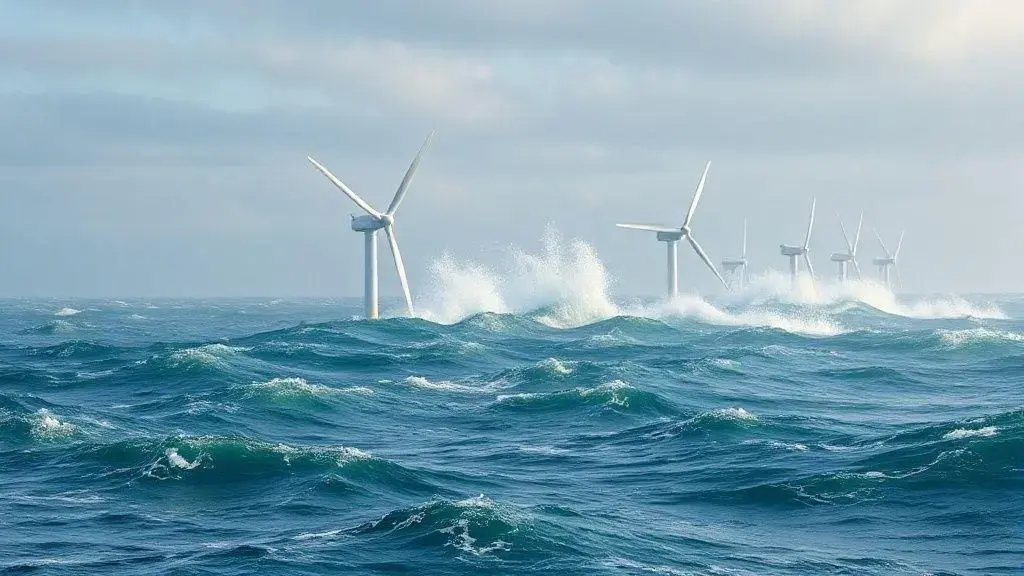
One major challenge is the harsh marine environment where these energy systems are installed. Substantial forces from waves, currents, and storms can damage equipment, leading to increased maintenance costs. Innovative engineering solutions are essential to create robust systems that can withstand these conditions.
Environmental Concerns
Environmental impacts are also a significant consideration when developing tidal and wave energy projects. These systems must be carefully designed to minimize disruption to marine life and habitats. Potential issues include:
- Alteration of local ecosystems caused by construction and operation.
- Effects on fish migration patterns and other wildlife.
- Noise and visual impacts on coastal communities.
- Changes in sediment transport that can affect shorelines.
To address these concerns, thorough environmental assessments are necessary before project implementation. Collaboration with marine biologists and stakeholders ensures that projects consider the ecosystem intricacies.
Another significant challenge is financing these projects. The initial investment for tidal and wave energy installations can be substantial, and funding sources may be limited. Many governments and private investors are hesitant to invest in emerging technologies like these, which can slow development. Creating incentives and policies that promote investments in renewable energy technologies is crucial.
Moreover, the regulatory landscape can be complicated. Securing permits often takes a long time due to various local, state, and federal regulations. Navigating these regulations can delay projects and drive up costs, further complicating the development process.
Technological advancements are essential to overcoming these challenges. Research and development efforts in this field must focus on improving energy conversion efficiency, reducing costs, and ensuring durability against environmental stresses. This approach can lead to more viable tidal and wave energy solutions for the future.
Future trends in energy from tides and waves
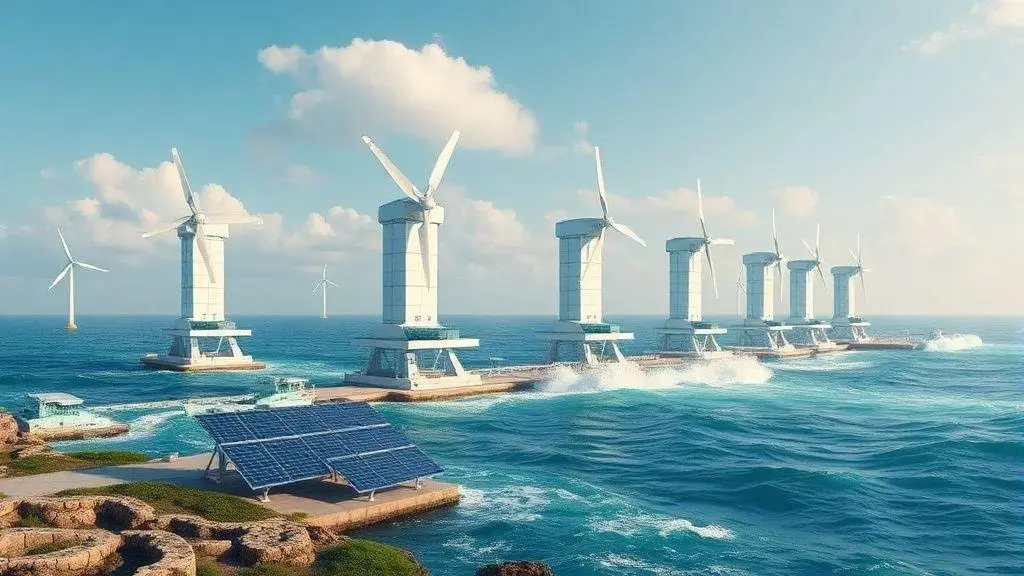
The future of energy from tides and waves looks promising, with several trends shaping the development of this renewable resource. As technology advances and awareness of climate change increases, tidal and wave energy will likely become more prominent in our energy landscape.
One significant trend is the rise of innovative technologies that enhance efficiency. New designs for tidal turbines and wave energy converters are being developed to capture more energy while minimizing costs. Researchers are experimenting with floating devices that are more adaptable to varying wave heights and conditions. These innovations help to increase the energy generation potential of marine systems.
Integration with Other Renewable Sources
An important trend is the integration of tidal and wave energy systems with other renewable energy sources, such as solar and wind. By combining these technologies, we can create hybrid energy systems that provide more stable and reliable power. This integration can help balance supply and demand. For instance, when solar energy production decreases at night, wave energy can step in to fill the gap.
- Enhanced Energy Storage: Advances in energy storage technologies will enable better management of energy supply.
- Smart Grids: Improved grid management strategies will allow for better distribution of energy from multiple sources.
- Decentralized Systems: Localized energy generation can reduce dependency on centralized power sources and improve resilience.
Governments and businesses are also increasingly investing in research and development for tidal and wave energy. Policies supporting renewable energy initiatives will likely drive growth in this sector. International collaboration on technology sharing and best practices will further enhance the viability of these energy sources.
As awareness of environmental issues grows, public interest in sustainable energy solutions will likely rise. Educating communities about the benefits of tidal and wave energy can foster greater support for these projects. Engaging local communities in the development process may also lead to better acceptance and collaborative solutions.
Overall, the future trends in energy from tides and waves point toward a more sustainable and renewable energy system. By addressing current challenges and embracing innovations, tidal and wave energy can play a significant role in reducing our reliance on fossil fuels and combating climate change.
FAQ – Frequently Asked Questions about Tidal and Wave Energy Projects
What are tidal and wave energy?
Tidal and wave energy refer to the renewable energy harnessed from the natural movements of ocean tides and waves, respectively.
What are the benefits of tidal and wave energy?
These energy sources are renewable, predictable, and can significantly reduce reliance on fossil fuels, contributing to a sustainable energy future.
What challenges do tidal and wave energy projects face?
Challenges include harsh marine environments, environmental impacts, high initial costs, and navigating regulatory processes.
How do tidal and wave energy integrate with other renewable sources?
By combining tidal and wave energy with solar and wind, we can create a more stable and reliable energy grid that meets demand effectively.