US Bioenergy 2026: Viability of New Biomass Plants & 5-Year Outlook
Anúncios
By 2026, the economic viability of new biomass-to-energy plants in the U.S. is shaped by evolving policy landscapes, technological innovations, and market demand for sustainable energy, presenting both opportunities and significant challenges.
Bioenergy in the U.S. for 2026: Assessing the Economic Viability of New Biomass-to-Energy Plants and Their 5-Year Projections
As we navigate towards a more sustainable future, the question of renewable energy sources remains paramount. In 2026, the focus on clean energy solutions intensifies, and understanding the role of biomass is crucial. This article delves into the economic viability of new biomass-to-energy plants and their 5-year projections in the U.S., exploring whether US bioenergy 2026 viability presents a compelling investment and environmental opportunity.
The evolving landscape of U.S. bioenergy in 2026
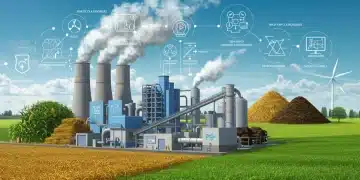
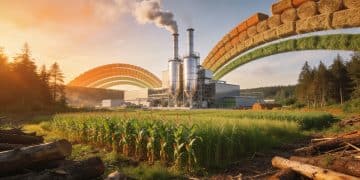
The U.S. bioenergy sector in 2026 is a dynamic environment, shaped by a confluence of technological advancements, shifting policy frameworks, and growing environmental consciousness. Unlike earlier iterations, today’s biomass-to-energy plants are far more efficient and capable of utilizing a wider array of feedstocks, moving beyond traditional wood waste to include agricultural residues, municipal solid waste, and dedicated energy crops. This evolution is critical for enhancing their economic appeal and reducing their environmental footprint, positioning bioenergy as a significant player in the nation’s energy mix.
Federal and state governments continue to play a pivotal role through incentives and mandates. The Inflation Reduction Act of 2022, for instance, has significantly bolstered renewable energy projects, and its impacts are fully realized by 2026. These policies aim to de-risk investments and incentivize the adoption of cleaner technologies, creating a more favorable climate for new bioenergy infrastructure. However, the intermittent nature of some renewable sources makes dispatchable power, like that from biomass, increasingly valuable for grid stability, a factor that enhances its market position.
Technological breakthroughs driving efficiency
Recent years have seen remarkable progress in biomass conversion technologies. Advanced gasification, pyrolysis, and anaerobic digestion techniques are yielding higher energy outputs and more valuable byproducts, such as biochar and renewable natural gas. These innovations are not only making operations more efficient but also opening new revenue streams for plant operators, improving overall economic viability.
- Advanced gasification: Converts biomass into syngas, a versatile fuel for electricity or chemicals.
- Pyrolysis: Produces bio-oil, biochar, and non-condensable gases, offering diverse end-products.
- Anaerobic digestion: Transforms organic waste into biogas, suitable for electricity or vehicle fuel.
- Co-firing technologies: Allows biomass to be burned alongside coal in existing power plants, reducing emissions.
The continuous improvement in these technologies is a key driver for the sector’s growth. By optimizing energy extraction and minimizing waste, new plants can achieve better financial returns and meet stringent environmental regulations more easily. This technological edge is fundamental to the long-term sustainability and competitiveness of bioenergy in the U.S. market.
As the energy landscape becomes more diversified, biomass provides a unique advantage as a carbon-neutral or even carbon-negative option when sustainably managed. The sector’s ability to evolve with technological advancements and adapt to policy changes underscores its resilience and potential for continued growth in the coming years, making it an attractive prospect for investors and policymakers alike.
Economic viability: cost analysis and revenue streams
Assessing the economic viability of new biomass-to-energy plants in 2026 requires a comprehensive look at both initial capital expenditures and ongoing operational costs, juxtaposed against potential revenue streams. The cost of building a new plant can be substantial, influenced by factors such as technology choice, plant size, and location. However, significant government incentives and private sector financing models are helping to mitigate these upfront costs, making projects more accessible.
Operational costs primarily revolve around feedstock procurement, transportation, and plant maintenance. Feedstock availability and price stability are critical determinants of long-term profitability. Diversifying feedstock sources and establishing robust supply chains are essential strategies for managing these costs. Additionally, advancements in automation and predictive maintenance are contributing to lower operational overheads, further enhancing economic appeal.
Key cost considerations for new plants
The financial outlay for a new biomass plant involves several critical components. Land acquisition, construction, and equipment purchases represent the bulk of the initial investment. The choice of conversion technology, whether it’s direct combustion, gasification, or anaerobic digestion, significantly impacts these costs. Furthermore, regulatory compliance and permitting fees add another layer of expense that must be factored into the overall budget.
- Capital expenditure: Includes land, construction, and advanced machinery.
- Feedstock costs: Procurement, storage, and transportation of biomass.
- Operational expenses: Labor, maintenance, utilities, and waste disposal.
- Regulatory compliance: Permitting fees and environmental monitoring.
Managing these costs effectively is paramount for project success. Many developers are exploring modular plant designs, which can reduce construction times and allow for scalable deployment, thereby potentially lowering initial investment risks. Strategic partnerships with local agricultural or forestry industries can also secure a stable and cost-effective feedstock supply, which is a major advantage.
Revenue streams for biomass plants are multifaceted. They primarily come from electricity sales to the grid, often supported by long-term power purchase agreements (PPAs) that offer stable pricing. Beyond electricity, plants can generate income from selling heat, renewable natural gas, biofuels, and valuable byproducts like biochar. Carbon credits and other environmental attributes also represent significant revenue opportunities, particularly as carbon markets mature and carbon pricing becomes more prevalent. The diversification of revenue streams is a key strategy for enhancing financial resilience and overall profitability in a fluctuating energy market.
Feedstock availability and supply chain logistics
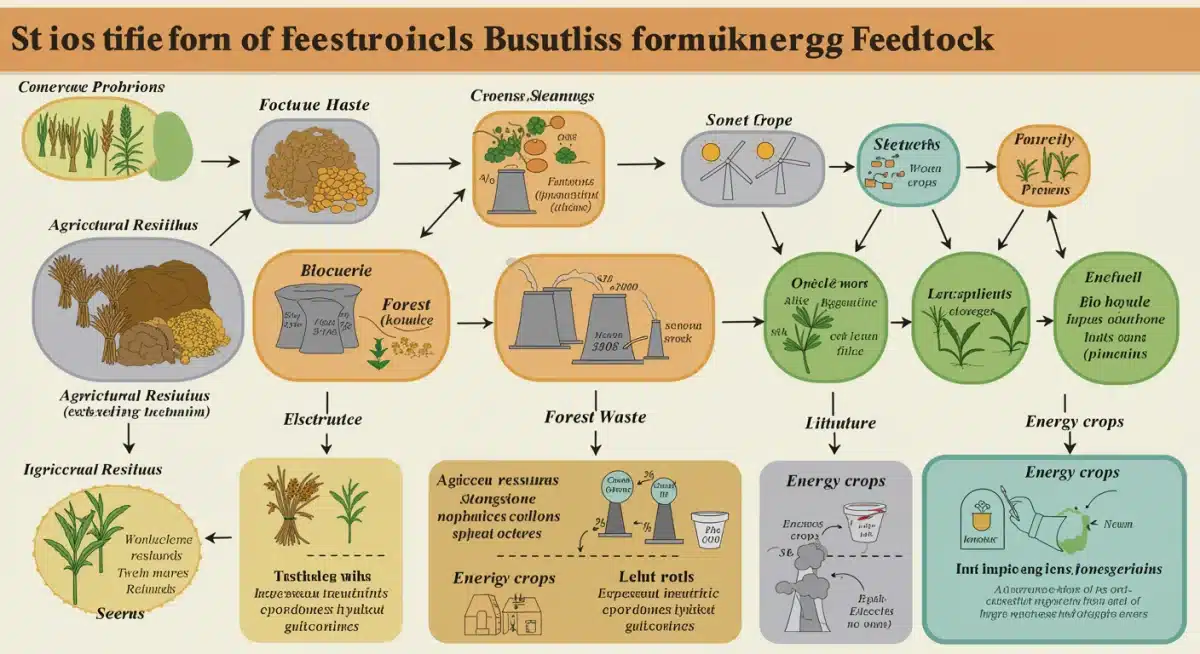
Reliable and sustainable feedstock supply is the lifeblood of any biomass-to-energy plant, and in 2026, concerns about its availability and the efficiency of supply chain logistics are at the forefront. The U.S. boasts a vast array of potential biomass resources, including agricultural residues (corn stover, wheat straw), forest thinnings, dedicated energy crops (switchgrass, miscanthus), and municipal solid waste. However, converting this potential into a consistent and cost-effective supply for power generation requires careful planning and robust infrastructure.
Logistical challenges, such as transportation costs and storage, can significantly impact the economic viability of a project. Biomass typically has a low energy density compared to fossil fuels, meaning larger volumes are needed, which in turn increases transportation expenses. Optimizing collection points, pre-processing at source, and establishing efficient transport networks are crucial for minimizing these costs. Furthermore, seasonal variations in feedstock availability necessitate effective storage solutions to ensure year-round operation.
Optimizing feedstock sourcing and delivery
The strategic sourcing of biomass involves more than just identifying available resources; it requires understanding the sustainability implications and engaging with local communities. Long-term contracts with farmers, forest managers, and waste management companies can provide stability and predictability for both supply and pricing. The development of regional biomass hubs, where feedstock is aggregated, processed, and stored, can also streamline logistics and reduce transportation distances.
- Local sourcing: Prioritizing nearby suppliers to minimize transport costs and emissions.
- Contractual agreements: Securing long-term supply contracts for price stability.
- Pre-processing at source: Chipping or pelletizing biomass to increase energy density.
- Biomass hubs: Centralized collection and processing facilities to optimize logistics.
Technological innovations in biomass handling and storage are also playing a significant role. Advanced baling techniques, moisture content management, and anaerobic storage methods help preserve feedstock quality and prevent degradation. The integration of digital supply chain management tools can improve tracking, scheduling, and inventory control, further enhancing efficiency and reducing waste. These logistical improvements are vital for ensuring that new biomass plants can operate consistently and profitably, underpinning their long-term success.
Policy and regulatory framework in 2026
The policy and regulatory framework in 2026 is a critical determinant of the economic viability of new biomass-to-energy plants in the U.S. Federal, state, and local policies provide the incentives, mandates, and environmental guidelines that shape the investment climate for renewable energy. Understanding this complex web of regulations is essential for developers and investors looking to enter or expand within the bioenergy sector.
Key federal policies, such as the Renewable Fuel Standard (RFS) and various tax credits (e.g., Investment Tax Credit, Production Tax Credit), continue to support the production and utilization of biofuels and bioelectricity. These incentives reduce the financial burden on new projects and make them more competitive with traditional fossil fuel-based energy sources. State-level Renewable Portfolio Standards (RPS) also play a crucial role by mandating a certain percentage of electricity generation from renewable sources, thereby creating a guaranteed market for bioenergy.
Impact of carbon pricing and sustainability standards
The increasing emphasis on carbon reduction goals is leading to the adoption of carbon pricing mechanisms in some regions, which can significantly boost the economic attractiveness of bioenergy. By assigning a cost to carbon emissions, these policies favor low-carbon alternatives like biomass. Furthermore, stricter sustainability standards for biomass sourcing are becoming more common, ensuring that bioenergy production does not lead to deforestation or other negative environmental impacts.
- Federal tax credits: Incentivize investment and production of renewable energy.
- Renewable Portfolio Standards (RPS): Create demand for bioelectricity at the state level.
- Carbon pricing: Enhances the competitiveness of low-carbon bioenergy.
- Sustainability certifications: Ensure environmentally responsible feedstock sourcing.
Beyond financial incentives, environmental regulations regarding air quality, water discharge, and waste management also influence plant design and operational costs. Compliance with these regulations is non-negotiable and often requires significant investment in pollution control technologies. However, adherence to these standards also enhances the social license to operate and contributes to the overall credibility of the bioenergy industry.
The regulatory landscape is not static; it continues to evolve in response to scientific understanding, technological advancements, and public opinion. Developers must stay abreast of these changes and build flexibility into their project plans to adapt to new requirements. A favorable and stable policy environment is paramount for attracting the necessary capital investment and ensuring the long-term success of new biomass-to-energy plants in the U.S.
Environmental impact and social considerations
While bioenergy offers significant advantages in reducing greenhouse gas emissions and managing waste, its environmental and social impacts are complex and require careful consideration in 2026. The sustainability of biomass sourcing is a primary concern. Improperly managed harvesting of forest or agricultural residues can lead to soil degradation, biodiversity loss, and increased emissions. Therefore, rigorous sustainability criteria and certifications are increasingly being adopted to ensure that biomass feedstock is sourced responsibly.
Air quality is another important environmental factor. While modern biomass plants are equipped with advanced pollution control technologies, emissions of particulate matter and nitrogen oxides must be carefully managed to meet stringent air quality standards. Water usage for cooling and other processes also needs to be optimized, especially in water-stressed regions. The goal is to maximize the environmental benefits of bioenergy while minimizing any potential negative impacts.
Community engagement and job creation
The social considerations surrounding new biomass plants are equally important. Successful projects often involve strong community engagement from the outset, addressing local concerns about noise, traffic, and land use. Transparency and open communication can build trust and foster local support. Furthermore, new biomass plants can provide significant economic benefits to rural communities through job creation and increased demand for local agricultural and forestry products.
- Sustainable sourcing: Practices to prevent deforestation and soil degradation.
- Air quality management: Advanced controls to minimize particulate and NOx emissions.
- Water resource efficiency: Strategies to reduce water consumption.
- Local job creation: Employment opportunities in plant operation and feedstock supply.
Job creation extends beyond direct plant operations to include roles in feedstock cultivation, harvesting, transportation, and maintenance. This economic stimulus can be particularly impactful in rural areas that may face limited employment opportunities. However, it’s also important to ensure fair labor practices and provide training for new skills required in the bioenergy sector. By prioritizing both environmental stewardship and social equity, new biomass-to-energy projects can achieve genuine sustainability and contribute positively to their host communities and the broader energy transition.
5-year projections: outlook for biomass-to-energy
Looking ahead to the next five years, the outlook for biomass-to-energy in the U.S. from 2026 appears cautiously optimistic, driven by a combination of technological maturity, policy support, and growing demand for dispatchable renewable power. While challenges remain, particularly around feedstock logistics and initial capital costs, the sector is poised for steady growth, albeit with regional variations. The increasing integration of bioenergy with other renewable sources, such as solar and wind, is also a key trend, providing crucial grid stability and flexibility.
Technological advancements are expected to continue to improve efficiency and broaden the range of usable feedstocks, making more projects economically viable. The development of advanced biofuels and biochemicals from biomass is also likely to expand, creating new markets and revenue streams beyond electricity generation. This diversification will enhance the resilience and attractiveness of the bioenergy sector to investors.
Key trends shaping the next half-decade
Several significant trends will shape the trajectory of biomass-to-energy over the coming five years. Continued policy support at both federal and state levels, including extensions of tax credits and renewable energy mandates, will be crucial. The maturation of carbon markets and the increasing value placed on carbon sequestration will further benefit bioenergy projects that demonstrate negative emissions pathways.
- Continued policy support: Extension of tax credits and renewable mandates.
- Technological refinement: Higher efficiency and broader feedstock utilization.
- Market diversification: Growth in advanced biofuels and biochemicals.
- Grid integration: Increased role in providing dispatchable power and grid stability.
Investment in research and development will focus on further optimizing conversion processes, reducing emissions, and developing novel biomass resources. Public acceptance and understanding of bioenergy’s role in a sustainable energy future will also be vital. By effectively communicating the benefits and addressing concerns, the industry can secure the social license needed for widespread adoption. Overall, the next five years will be a period of consolidation and strategic growth for the U.S. bioenergy sector, solidifying its position as an important component of the nation’s clean energy transition.
| Key Point | Brief Description |
|---|---|
| Economic Viability | Driven by technological advances, diverse revenue streams, and government incentives, offsetting high initial costs. |
| Feedstock Supply | Abundant but requires efficient logistics, sustainable sourcing, and stable contracts for consistency. |
| Policy Framework | Federal and state policies, carbon pricing, and sustainability standards significantly influence growth. |
| 5-Year Outlook | Cautiously optimistic with continued growth, technological refinement, and market diversification expected. |
Frequently asked questions about U.S. bioenergy in 2026
The main challenges include high initial capital costs, securing stable and sustainable feedstock supply chains, and navigating complex regulatory frameworks. Additionally, competition from other renewable energy sources and public perception can impact project development and acceptance.
Government support comes through federal tax credits (like the ITC and PTC), state-level Renewable Portfolio Standards (RPS), and programs like the Renewable Fuel Standard (RFS). These policies aim to reduce financial risks and create market demand for bioenergy products.
Technological advancements are crucial. Improved conversion processes like advanced gasification and pyrolysis increase energy efficiency and output. These innovations also allow for the use of a wider range of feedstocks, enhancing economic returns and environmental performance.
Yes, when sustainably managed, biomass is considered a renewable and carbon-neutral energy source. Strict sustainability criteria ensure responsible sourcing, preventing deforestation and soil degradation. Modern plants also employ advanced pollution controls to minimize environmental impact.
The 5-year projections suggest steady growth, driven by continued policy support, technological refinement, and market diversification into advanced biofuels and biochemicals. Bioenergy is expected to play an increasingly important role in grid stability and the overall clean energy transition.
Conclusion
The assessment of US bioenergy 2026 viability for new biomass-to-energy plants and their 5-year projections reveals a sector on the cusp of significant, albeit challenging, growth. While initial capital expenditure and feedstock logistics remain considerable hurdles, robust policy support, continuous technological innovation, and the increasing demand for dispatchable renewable energy are creating a favorable environment. The ability of bioenergy to provide baseload power, diversify energy portfolios, and contribute to rural economic development ensures its continued relevance in the U.S. clean energy transition. As the nation progresses towards ambitious decarbonization goals, sustainable biomass will undoubtedly play a vital and evolving role in the energy mix, offering a pathway to a more resilient and environmentally responsible future.