Unlock Savings: Federal Tax Credits for Clean Energy Home Improvements (2023-2026)
Anúncios
Unlock Savings: Federal Tax Credits for Clean Energy Home Improvements (2023-2026)
As homeowners increasingly seek ways to reduce their carbon footprint and lower utility bills, the United States government continues to offer compelling incentives for clean energy home improvements. These federal tax credits are not just about environmental stewardship; they represent a significant financial opportunity for individuals looking to upgrade their homes. With deadlines looming, particularly the crucial December 2026 cutoff for many of these programs, understanding and leveraging these clean energy tax credits is more important than ever. This comprehensive guide will walk you through the latest federal tax credits, detailing what they cover, who is eligible, and how you can maximize your savings.
The landscape of energy-efficient home upgrades has evolved, offering a wider array of choices from solar panels and geothermal systems to advanced insulation and high-efficiency HVAC units. The Inflation Reduction Act (IRA) of 2022 significantly expanded and extended many of these crucial tax credits, providing a renewed impetus for homeowners to invest in sustainable living. By acting now, you can not only contribute to a greener future but also realize substantial financial benefits that make these investments more accessible and appealing.
Let’s dive into the specifics of these powerful incentives, ensuring you have all the information needed to make informed decisions for your home and your wallet.
The Energy Efficient Home Improvement Credit (25C): Your Gateway to Savings
One of the most impactful clean energy tax credits for homeowners is the Energy Efficient Home Improvement Credit, often referred to by its IRS code, 25C. This credit was significantly enhanced by the Inflation Reduction Act, offering a more generous incentive than its predecessors. It’s designed to encourage homeowners to make a variety of energy-efficient upgrades to their existing homes.
What Does the 25C Credit Cover?
The 25C credit is broad in its scope, covering a range of improvements that reduce energy consumption and improve a home’s overall efficiency. For improvements made in 2023 and beyond, this credit is generally for 30% of the cost of eligible home improvements, up to a maximum annual credit of $1,200. However, there are higher limits for specific types of equipment, which we will explore below.
Eligible Home Improvements Include:
- Energy-Efficient Exterior Windows and Skylights: These must meet ENERGY STAR most efficient certification requirements.
- Exterior Doors: Energy-efficient exterior doors that meet applicable ENERGY STAR requirements.
- Insulation Materials and Systems: Any insulation material or system that reduces heat loss or gain, provided it meets the IECC (International Energy Conservation Code) requirements. This includes spray foam, rigid board, batts, rolls, and loose-fill insulation for walls, attics, floors, and foundations.
- Central Air Conditioners, Furnaces, Boilers, and Water Heaters: Certain high-efficiency models qualify.
- Heat Pumps and Heat Pump Water Heaters: These are particularly favored due to their high efficiency, offering higher credit limits.
- Biomass Stoves and Boilers: Equipment that uses biomass fuel to heat a home or heat water.
- Home Energy Audits: The cost of a home energy audit, up to $150, can also be included, helping homeowners identify the most impactful upgrades.
Understanding the Credit Limits for 25C
While the general annual limit is $1,200, there are specific, higher limits for certain types of equipment, allowing homeowners to claim more substantial savings:
- Heat Pumps and Heat Pump Water Heaters: Up to $2,000 for qualifying electric or natural gas heat pump water heaters, electric or natural gas heat pumps, and central air conditioners. This is a significant incentive to switch to these highly efficient systems.
- Qualified Biomass Stoves and Boilers: Up to $2,000.
- Energy Property Components (e.g., advanced main air circulating fans): Up to $600.
- Exterior Windows and Skylights: Up to $600.
- Exterior Doors: Up to $250 per door, with a total annual limit of $500.
It’s crucial to remember that these are annual limits. This means if you spread your improvements over several years, you could potentially claim the credit multiple times, up to the annual maximums. However, the credit is non-refundable, meaning it can only reduce your tax liability to $0; you won’t get a refund if the credit exceeds your tax bill.
Eligibility for the 25C Credit
To be eligible for the Energy Efficient Home Improvement Credit, you must meet a few key criteria:
- Your Primary Residence: The improvements must be made to an existing home located in the United States that you own and use as your primary residence. New construction homes are generally not eligible for this specific credit, though other programs might apply.
- Existing Home: The credit is for improvements to an existing home, not for building a new one or for additions to an existing home.
- Qualified Equipment: The equipment or materials installed must meet specific energy efficiency standards set by the IRS and Department of Energy. Always check product certifications, such as ENERGY STAR, to ensure eligibility.
Keep detailed records, including receipts, product information, and contractor invoices, as these will be essential when filing your taxes. This clean energy tax credit is a powerful tool for reducing the upfront cost of energy-efficient upgrades, making them more attractive and affordable for a wider range of homeowners.
The Residential Clean Energy Credit (25D): Powering Your Home with Renewables
Beyond improving energy efficiency, many homeowners are embracing renewable energy sources to power their homes. The Residential Clean Energy Credit, found under IRS Code 25D, is a substantial incentive designed to support this transition. This credit is particularly generous and has been extended and enhanced through 2034 by the Inflation Reduction Act.
What Does the 25D Credit Cover?
The 25D credit focuses on specific renewable energy technologies that generate electricity or heat for your home. It allows you to claim a credit for a percentage of the cost of new, qualified clean energy property for your home.
Eligible Renewable Energy Systems Include:
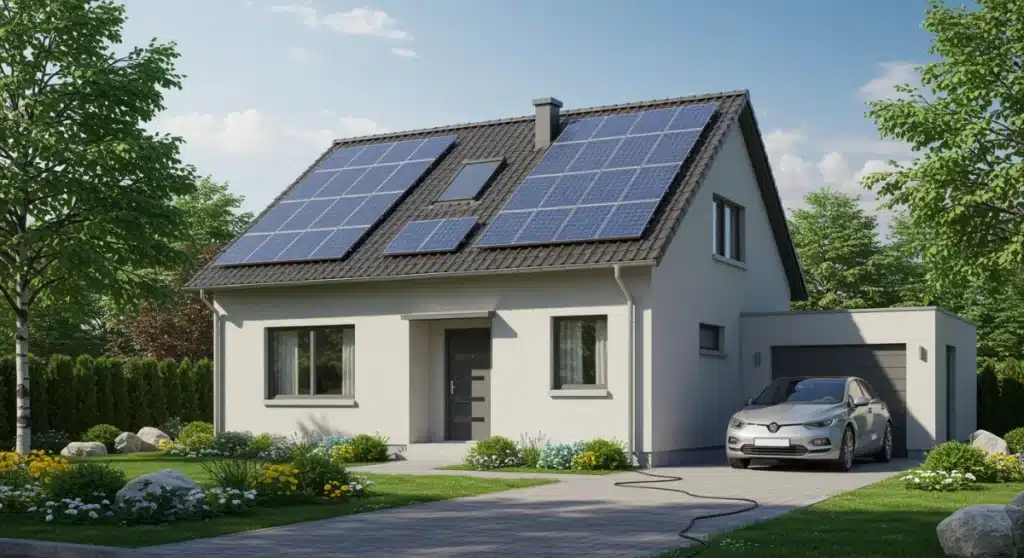
- Solar Electric Property (Solar Panels): This is perhaps the most well-known component, covering the cost of photovoltaic (PV) solar panels that generate electricity for your home.
- Solar Water Heating Property: Systems that use solar energy to heat water for use in your home. It’s important that at least half of the energy generated by the solar water heating property comes from the sun, and the system must be certified by the Solar Rating Certification Corporation or a comparable entity.
- Geothermal Heat Pump Property: Geothermal systems use the earth’s stable temperature to heat and cool your home, offering exceptional energy efficiency.
- Small Wind Energy Property: Wind turbines that generate electricity for residential use.
- Fuel Cell Property: Fuel cell systems that generate electricity for your home, with a minimum electricity generation efficiency of 30%.
- Battery Storage Technology: For expenditures made after 2022, battery storage technology with a capacity of at least 3 kilowatt hours is now included. This is a significant addition, as it allows homeowners to store excess energy generated by their solar panels, enhancing energy independence and resilience.
Understanding the Credit Amount for 25D
The Residential Clean Energy Credit is one of the most attractive federal incentives due to its generous percentage and lack of an annual dollar limit for most systems. For systems placed in service from 2022 through 2032, the credit is 30% of the cost of the eligible property. This percentage then gradually steps down:
- 30% for property placed in service after December 31, 2021, and before January 1, 2033.
- 26% for property placed in service after December 31, 2032, and before January 1, 2034.
- 22% for property placed in service after December 31, 2033, and before January 1, 2035.
Unlike the 25C credit, there is no annual maximum dollar amount for most of the technologies under 25D (except for fuel cell property, which has a specific limit). This means if your solar panel installation costs $20,000, you could claim a $6,000 tax credit. This makes substantial renewable energy installations much more financially viable for homeowners.
Eligibility for the 25D Credit
Similar to the 25C credit, there are specific eligibility requirements for the Residential Clean Energy Credit:
- Your Home: The eligible property must be installed in a home located in the United States. This can be your primary residence or a second home. Unlike the 25C credit, new construction homes are eligible for 25D. The home does not need to be your primary residence for the solar, wind, and geothermal components, but it does for fuel cell property.
- Owned by You: You must own the home where the property is installed. Renters are not eligible.
- New or Original Installation: The credit is for new equipment, not for existing equipment that has been moved from one home to another.
- No Dollar Limit (Mostly): As mentioned, there’s generally no dollar limit on the credit amount for solar, wind, geothermal, and battery storage.
This credit is a powerful driver for the adoption of renewable energy technologies. By taking advantage of the 30% credit, homeowners can significantly offset the upfront costs of these systems, leading to long-term savings on energy bills and increased home value. Remember to keep all documentation related to your purchase and installation for tax purposes.
Understanding the Home Energy Audit Credit (Component of 25C)
Before embarking on significant home improvements, it’s often wise to understand where your home is losing energy. This is where a professional home energy audit comes in, and the good news is that a portion of its cost can be covered by the Energy Efficient Home Improvement Credit (25C).
What is a Home Energy Audit?
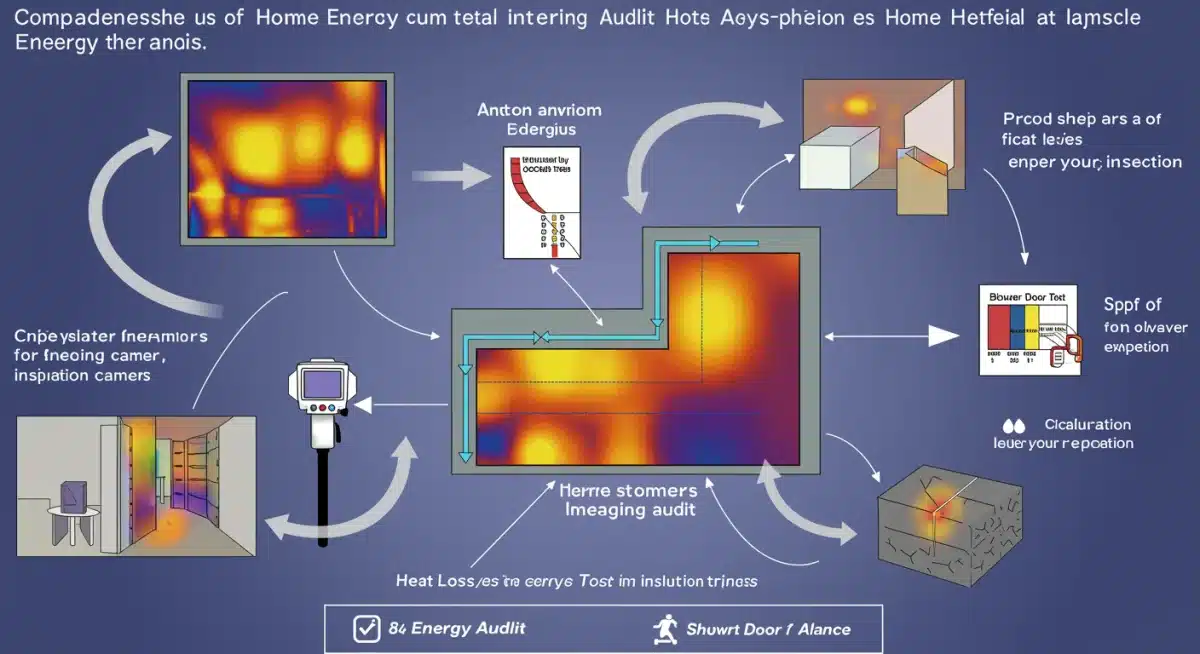
A home energy audit is a comprehensive assessment of your home’s energy performance. A certified energy auditor will typically inspect various aspects of your home, including:
- Insulation Levels: Checking insulation in attics, walls, floors, and crawl spaces.
- HVAC Systems: Assessing the efficiency and condition of your heating, ventilation, and air conditioning systems.
- Windows and Doors: Inspecting for drafts and air leaks.
- Ductwork: Checking for leaks in your heating and cooling ducts.
- Appliances: Evaluating the energy consumption of major appliances.
- Blower Door Test: A common test that depressurizes a home to identify air leakage points.
- Thermal Imaging: Using infrared cameras to detect areas of heat loss or gain.
The goal of an audit is to pinpoint areas of energy waste and recommend specific, cost-effective improvements that will lead to greater energy efficiency and comfort. This can range from sealing air leaks to upgrading insulation or replacing old appliances.
The Credit for Home Energy Audits
Under the 25C credit, you can claim a credit for 30% of the cost of a home energy audit, up to a maximum of $150. While this might seem like a smaller amount compared to the credits for major installations, it’s a valuable incentive to get professional advice before making significant investments. A good audit can help you prioritize improvements that will yield the greatest energy savings and return on investment.
Why is a Home Energy Audit Important?
- Targeted Improvements: An audit helps you spend your money wisely by identifying the most impactful upgrades for your specific home. Without an audit, you might invest in improvements that don’t address your biggest energy losses.
- Maximizing Savings: By understanding your home’s energy performance, you can choose upgrades that not only qualify for tax credits but also lead to the largest reductions in your energy bills.
- Increased Comfort: Addressing issues like drafts and poor insulation can significantly improve the comfort of your home, eliminating hot and cold spots.
- Supporting Other Credits: The recommendations from an audit can guide you toward other eligible improvements that qualify for the larger 25C or 25D credits.
To qualify for the credit, the audit must be conducted by a certified home energy auditor and include a written report that identifies the most significant energy efficiency improvements for the home, including an estimate of the energy and cost savings. This small but important clean energy tax credit encourages foundational steps towards a more energy-efficient home.
Important Considerations and How to Maximize Your Benefits
Navigating federal tax credits can sometimes be complex, but with careful planning and attention to detail, you can maximize your savings. Here are some key considerations:
Keep Meticulous Records
This cannot be stressed enough. For any clean energy tax credit you plan to claim, you must retain all documentation. This includes:
- Receipts and Invoices: Clearly showing the cost of eligible equipment and installation.
- Product Information: Manufacturers’ certificates or labels proving the equipment meets the required energy efficiency standards (e.g., ENERGY STAR certifications).
- Contractor Information: Details of who installed the equipment.
- Energy Audit Reports: If claiming the audit credit.
These records will be vital if the IRS ever audits your tax return. Without proper documentation, your claim could be denied.
Understand Annual vs. Per-Project Limits
Recall that the 25C credit has an annual limit of $1,200 for most improvements (with specific higher limits for heat pumps, biomass stoves, etc.), but this is a *per-taxpayer, per-year* limit. This means if you make improvements in 2023 and again in 2024, you can claim the credit in both years, up to the annual maximums. The 25D credit, for most renewable energy installations, does not have an annual dollar limit, making it incredibly powerful for large projects like solar panel installations.
Combine with State and Local Incentives
Federal clean energy tax credits are often just one piece of the puzzle. Many states, counties, and even utility companies offer their own incentives for energy-efficient upgrades and renewable energy installations. These can come in the form of additional tax credits, rebates, grants, or low-interest loans. Research what’s available in your specific area to stack incentives and further reduce your out-of-pocket costs. Websites like the Database of State Incentives for Renewables & Efficiency (DSIRE) are excellent resources for finding these additional programs.
Consult a Tax Professional
While this guide provides general information, tax laws can be complex and are subject to change. It is always advisable to consult with a qualified tax professional or financial advisor before making significant decisions based on these credits. They can provide personalized advice, ensure you meet all eligibility requirements, and help you correctly file your taxes to claim the credits.
Act Before December 2026 (and beyond)
The Inflation Reduction Act extended many of these credits significantly, but it’s important to note the specific end dates. The 30% rate for the 25D Residential Clean Energy Credit is slated to remain until the end of 2032, gradually phasing down thereafter. The 25C Energy Efficient Home Improvement Credit is also available through 2032. While these dates provide a good window, planning your projects sooner rather than later is always a good strategy to avoid last-minute rushes or potential legislative changes.
The Broader Impact of Clean Energy Home Improvements
Beyond the immediate financial benefits of clean energy tax credits, investing in energy-efficient and renewable energy home improvements offers a multitude of long-term advantages:
- Reduced Energy Bills: This is often the most direct and tangible benefit. Upgrading to more efficient systems like heat pumps or installing solar panels can drastically cut down your monthly utility expenses, leading to significant savings over the lifespan of the equipment.
- Increased Home Value: Energy-efficient homes are increasingly attractive to buyers. Features like solar panels, new windows, and improved insulation are seen as desirable upgrades that can command higher resale values and faster sales.
- Enhanced Home Comfort: Better insulation, sealed air leaks, and efficient HVAC systems contribute to a more comfortable indoor environment, eliminating drafts and maintaining consistent temperatures throughout your home.
- Environmental Stewardship: By reducing your reliance on fossil fuels and lowering your energy consumption, you’re directly contributing to a reduction in greenhouse gas emissions, helping combat climate change.
- Energy Independence and Resilience: For homeowners with solar panels and battery storage, the ability to generate and store your own power offers greater independence from the grid and increased resilience during power outages.
The federal government’s commitment to these clean energy tax credits underscores the national priority of transitioning to a more sustainable energy future. By participating, homeowners become active partners in this critical endeavor, reaping personal financial rewards while contributing to a healthier planet.
Conclusion: Act Now to Secure Your Clean Energy Savings
The opportunity to significantly reduce the cost of clean energy home improvements through federal tax credits is substantial. The Energy Efficient Home Improvement Credit (25C) and the Residential Clean Energy Credit (25D), bolstered by the Inflation Reduction Act, provide homeowners with powerful incentives to upgrade their homes for efficiency and sustainability.
Whether you’re considering new windows, a heat pump, or a full solar panel installation with battery storage, these clean energy tax credits can make these investments much more affordable. Remember the key takeaways:
- The 25C credit offers 30% of costs, up to an annual maximum of $1,200 for most items, with higher limits for heat pumps and biomass stoves.
- The 25D credit provides a generous 30% credit for renewable energy systems like solar, geothermal, and battery storage, with no annual dollar limit for most systems through 2032.
- Meticulous record-keeping is paramount for claiming these credits.
- Explore state and local incentives to maximize your overall savings.
- Consult a tax professional for personalized guidance.
With the December 2026 deadline (and later for 25D) serving as a horizon, there’s no better time to plan your clean energy home improvements. Embrace the opportunity to save money, enhance your home’s value and comfort, and contribute to a sustainable future. Start researching eligible products, getting quotes from qualified contractors, and prepare to leverage these invaluable federal clean energy tax credits before it’s too late.