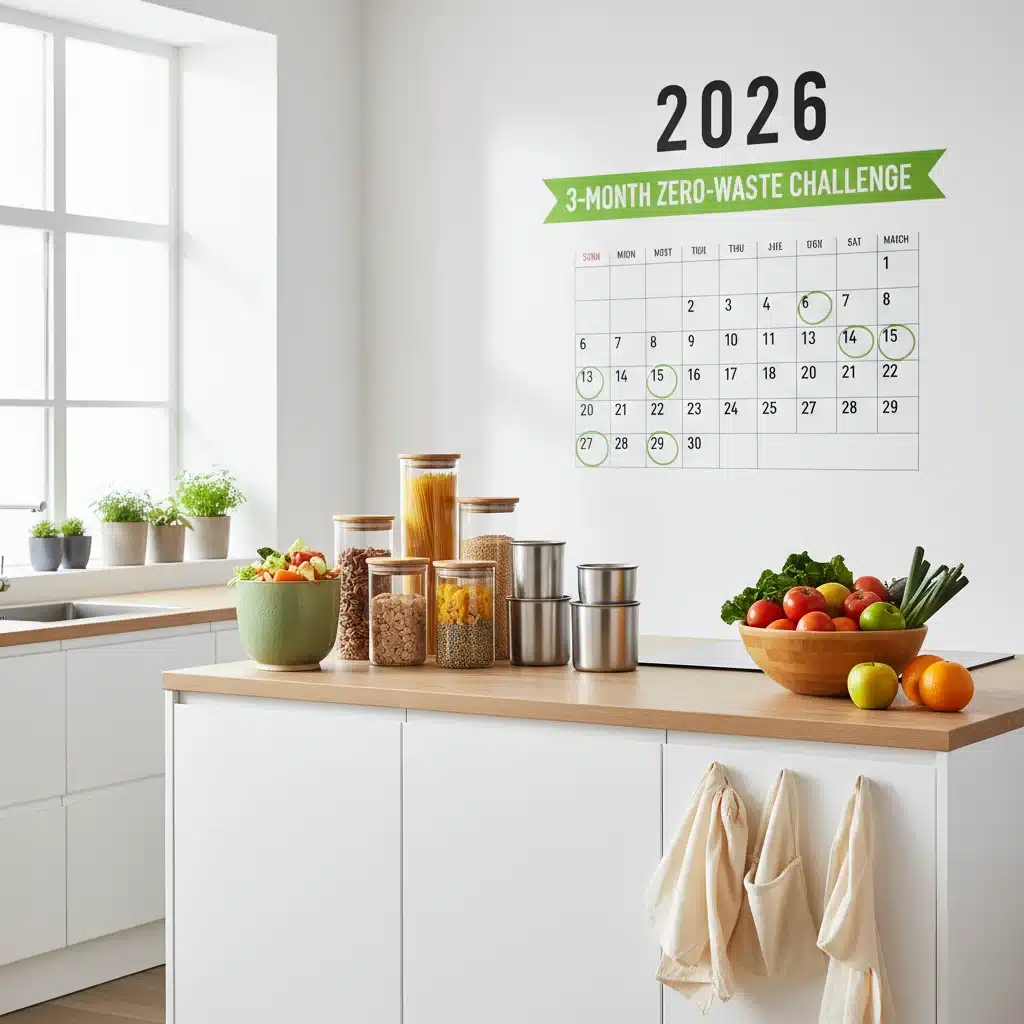
Zero-Waste Kitchen 2026: 3-Month Challenge to Cut Food Waste by 25%
Anúncios
Zero-Waste Kitchen 2026: A 3-Month Challenge to Cut Food Waste by 25% (Practical Solutions, Time-Sensitive)
The year 2026 is here, and with it comes a renewed opportunity to make significant, positive changes in our daily lives. One of the most impactful areas where we can all contribute to a healthier planet and more efficient household is by tackling food waste. The statistics are staggering: globally, roughly one-third of the food produced for human consumption is lost or wasted. In many developed countries, this figure is even higher, with households being a major contributor. This isn’t just an environmental issue; it’s an economic one, as wasted food represents wasted resources – water, energy, labor, and money.
Imagine cutting your household food waste by a quarter. What would that look like? Less money spent on groceries that end up in the bin, a lighter load on landfills, and a greater sense of accomplishment in your personal sustainability journey. This isn’t a pipe dream; it’s an achievable goal with the right strategies and a bit of dedication. That’s why we’re launching the Zero-Waste Kitchen 2026: A 3-Month Challenge to Cut Food Waste by 25%. This isn’t just about making small tweaks; it’s about adopting a holistic approach to your kitchen, from shopping to storage to cooking, and even to what happens to the scraps.
Our zero-waste kitchen challenge is designed to be practical, actionable, and, most importantly, effective. Over the next three months, we’ll guide you through a structured plan to identify sources of waste, implement smart solutions, and track your progress. By the end of this challenge, you won’t just be throwing away less food; you’ll have cultivated sustainable habits that will benefit you, your family, and the planet for years to come. This is a time-sensitive opportunity to kickstart real change in your home and be part of a growing movement towards a more sustainable future. Are you ready to transform your kitchen and make 2026 your most eco-friendly year yet?
Understanding the Scope of Food Waste: Why a Zero-Waste Kitchen Matters
Before we dive into the ‘how,’ it’s crucial to grasp the ‘why.’ Food waste is a multifaceted problem with far-reaching consequences. Environmentally, when food rots in landfills, it produces methane, a potent greenhouse gas that contributes significantly to climate change. The resources used to produce, transport, and store that food – water for irrigation, energy for harvesting and processing, fuel for shipping – are all squandered. This depletion of resources strains our planet’s natural systems and contributes to environmental degradation.
Economically, food waste is a drain on household budgets. Think about the groceries you buy that spoil before you can use them, the leftovers that get forgotten in the back of the fridge, or the produce that wilts because you didn’t have a plan. These all represent money literally thrown away. For a family, this can amount to hundreds, if not thousands, of dollars annually. Reducing food waste directly translates to saving money, freeing up funds for other priorities, or simply allowing you to stretch your grocery budget further.
Socially, food waste is an ethical concern. While millions worldwide suffer from food insecurity, vast quantities of edible food are discarded. While household waste is only one piece of this complex puzzle, every effort to reduce it contributes to a more equitable food system. A zero-waste kitchen challenge isn’t just a personal endeavor; it’s a step towards global responsibility.
This 3-month challenge is designed to tackle these issues head-on, providing you with the tools and knowledge to make a tangible difference. We’ll focus on practical solutions that are easy to integrate into your existing routines, making the transition to a more sustainable kitchen as smooth as possible. By understanding the impact, you’ll be more motivated to embrace the changes and become a champion for a zero-waste kitchen.
Month 1: The Foundation – Awareness, Assessment, and Smart Shopping for Your Zero-Waste Kitchen
Week 1: The Food Waste Audit – Knowing Your Enemy
The first step in any effective zero-waste kitchen challenge is to understand where your waste is actually coming from. For one week, keep a ‘food waste diary.’ Every time you throw away food – whether it’s a half-eaten plate, spoiled produce, or forgotten leftovers – jot it down. Note what it is, approximately how much, and why it was discarded (e.g., ‘half a banana, too ripe,’ ‘leftover pasta, didn’t want it,’ ‘wilted lettuce, forgot about it’).
This might feel a bit confronting, but it’s invaluable. At the end of the week, review your findings. You’ll likely spot patterns. Are you consistently buying too much produce? Are leftovers a problem? Do certain items always go bad? This audit provides the baseline data you need to target your efforts effectively. This is the crucial starting point for any successful zero-waste kitchen transformation.
Week 2: Mastering Meal Planning and Smart Shopping Lists
With your audit complete, you’re ready to tackle the root causes. A significant portion of food waste stems from impulse purchases and a lack of planning. This week, focus on rigorous meal planning. Before you even think about your grocery list, plan out every meal for the week, including snacks. Consider what ingredients you already have on hand to avoid unnecessary purchases.
Once your meal plan is solid, create a precise grocery list. Stick to this list religiously when you shop. Avoid buying items ‘just in case’ or because they’re on sale if they’re not part of your plan. Prioritize buying loose produce to avoid unnecessary packaging. Bring reusable bags and produce bags. This disciplined approach to shopping is a cornerstone of a truly effective zero-waste kitchen strategy.
Week 3: Strategic Storage – Extending the Life of Your Food
Proper storage is a game-changer for reducing food waste. This week, focus on optimizing how you store your groceries. Research the best storage methods for different types of produce (e.g., refrigerate apples separately, store herbs in water, keep potatoes in a cool, dark place). Invest in reusable containers – glass jars, silicone bags, beeswax wraps – to replace single-use plastic wraps and bags.
Organize your fridge and pantry so that older items are at the front (‘first in, first out’). Label containers with dates. Designate a ‘eat me first’ shelf in your fridge for items nearing their expiration. These simple changes can dramatically extend the shelf life of your food, preventing spoilage and contributing directly to your goal of a zero-waste kitchen.
Week 4: Understanding Dates and Portion Control
Food labels can be confusing. This week, educate yourself on the difference between ‘best by,’ ‘use by,’ and ‘sell by’ dates. ‘Use by’ indicates a safety concern, while ‘best by’ is more about quality. Many foods are perfectly safe and delicious to eat past their ‘best by’ date. Use your senses – smell, sight, touch – to determine edibility.
Also, pay attention to portion control during cooking and serving. Cook only what you know you’ll eat to minimize leftovers that might go bad. If you do have leftovers, portion them immediately into individual servings for easy lunches or dinners, making them more likely to be consumed. This mindful approach to consumption is vital for a successful zero-waste kitchen challenge.
Month 2: Implementation – Cooking Smart, Creative Reimagining, and Composting in Your Zero-Waste Kitchen
Week 5: Creative Cooking and Using Up Scraps
Now that you’re better at planning and storing, it’s time to get creative in the kitchen. This week, challenge yourself to use every edible part of your ingredients. Broccoli stems can be peeled and roasted, carrot tops can be made into pesto, and chicken bones can become nourishing broth. Look up ‘root-to-stem’ or ‘nose-to-tail’ cooking recipes for inspiration.
Keep a running list of ingredients that need to be used up. Designate one meal a week as a ‘fridge clean-out’ meal, where you get creative with whatever odds and ends are left. Think stir-fries, frittatas, soups, or grain bowls. This proactive approach to cooking is key to minimizing waste and maximizing flavor in your zero-waste kitchen.
Week 6: Embracing Leftovers and Smart Freezing
Leftovers are not failures; they are opportunities! This week, focus on making leftovers work for you. As mentioned before, portion them immediately after dinner. Re-imagine them into new meals – leftover roasted vegetables can become part of a pasta sauce, and cooked grains can be added to a salad. Don’t let them languish. 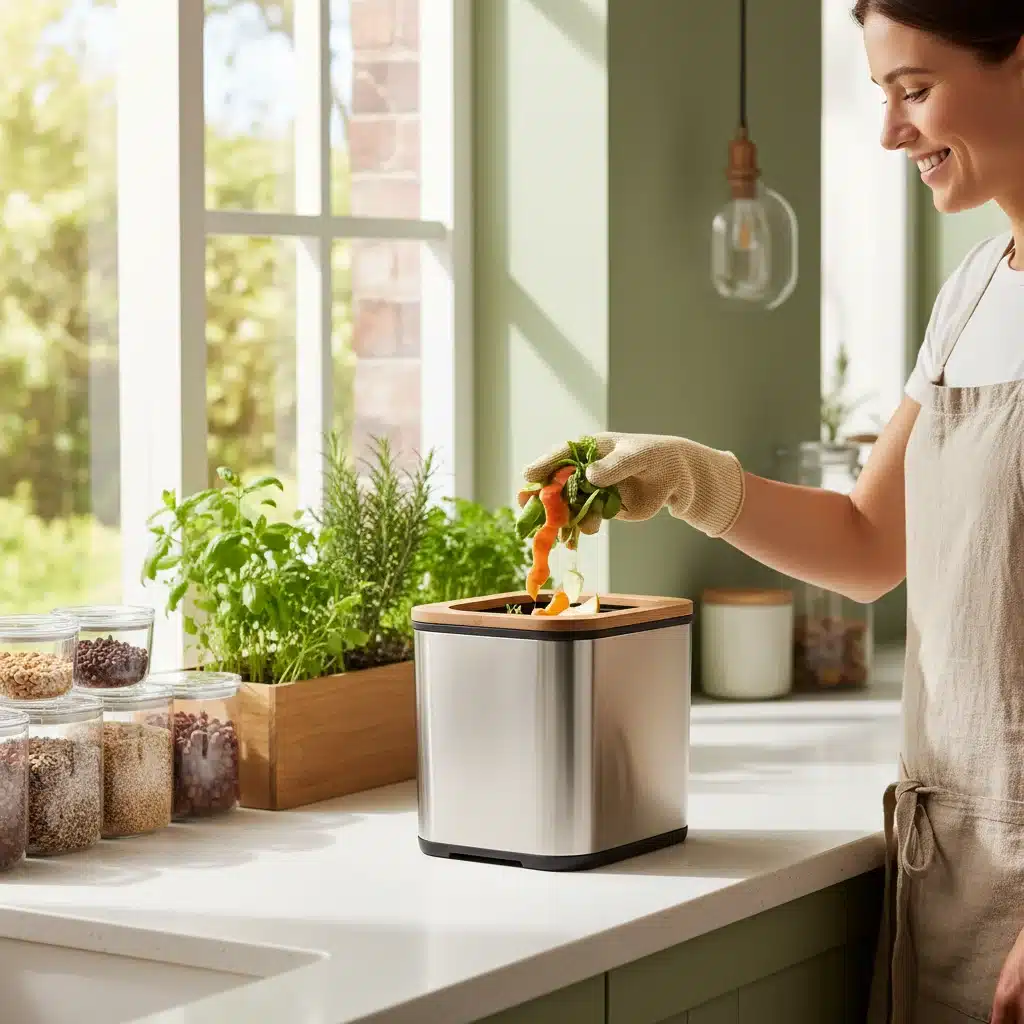
Freezing is another powerful tool. Learn what foods freeze well (most fruits, vegetables, cooked grains, soups, stews, bread) and how to properly prepare them for freezing to maintain quality. Batch cook meals and freeze portions for busy days. This not only reduces waste but also saves time and money, making your zero-waste kitchen more efficient.
Week 7: The Art of Fermentation and Preservation
Take your zero-waste kitchen skills to the next level by exploring fermentation and preservation. This week, experiment with making simple ferments like sauerkraut or kimchi from excess cabbage or other vegetables. Fermentation not only preserves food but also adds beneficial probiotics to your diet. Consider making jams, pickles, or drying herbs from seasonal gluts.
These traditional methods of food preservation are fantastic ways to extend the life of produce and reduce waste, especially if you have a garden or buy in bulk. You’ll be surprised how satisfying it is to enjoy homemade preserves months after the harvest, further cementing your commitment to a sustainable kitchen.
Week 8: Introducing Composting to Your Zero-Waste Kitchen
Even with the best efforts, some food waste is inevitable – think vegetable peels, coffee grounds, and eggshells. This week, introduce composting into your routine. If you have a garden, a backyard compost bin is ideal. If you live in an apartment, consider a worm farm or a countertop composting system, or check if your city offers food waste collection services.
Composting diverts organic waste from landfills, where it would produce methane, and instead turns it into nutrient-rich soil for plants. This is the final, crucial step in closing the loop in your zero-waste kitchen challenge. It transforms what was once considered ‘waste’ into a valuable resource, benefiting your garden and the environment.
Month 3: Optimization – Community, Continuous Improvement, and Sustaining Your Zero-Waste Kitchen Habits
Week 9: Sharing and Community – Expanding Your Zero-Waste Impact
By now, you’ve made significant strides in your own zero-waste kitchen. This week, look outwards. If you have excess produce from a garden or bulk buy, consider sharing with neighbors, friends, or local food-sharing initiatives. This helps prevent food waste on a broader scale and fosters community connections.
Connect with local farmers’ markets or community-supported agriculture (CSA) programs. Buying directly from producers often means less packaging and fresher food, which lasts longer. Explore local bulk food stores where you can bring your own containers, further reducing packaging waste. Your individual efforts can inspire and influence those around you, amplifying the impact of your zero-waste kitchen challenge.
Week 10: Advanced Meal Prep and Bulk Buying Strategies
Refine your meal prep and bulk buying strategies. This week, focus on advanced techniques. Can you dedicate a few hours on a Sunday to prep ingredients for the entire week? Chopping vegetables, cooking grains, and making sauces in advance can save time and prevent last-minute impulse decisions that lead to waste. 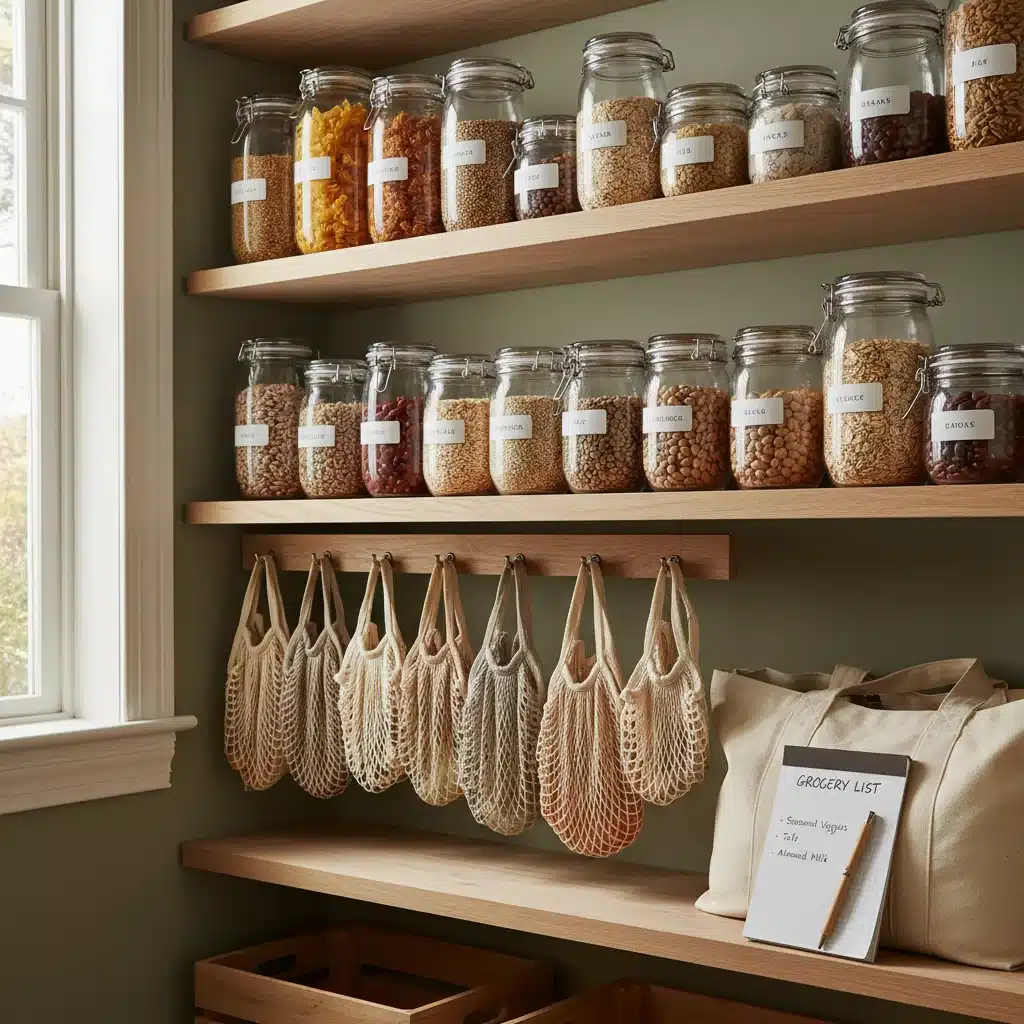
When bulk buying, ensure you have adequate, appropriate storage. Glass jars, airtight containers, and cloth bags are essential. Only buy in bulk what you know you will consume before it spoils. The goal is to reduce packaging waste, not to create food waste on a larger scale. This optimization ensures your zero-waste kitchen remains efficient and sustainable.
Week 11: Tracking Progress and Celebrating Success
It’s time to revisit your food waste audit from Week 1. For one week, keep another food waste diary. At the end of the week, compare your new findings with your initial audit. You should see a noticeable reduction in the amount of food you’re discarding. Calculate your reduction percentage – aiming for that 25% target!
Celebrate your successes! Acknowledge the effort you’ve put in and the positive impact you’ve made. Share your journey with others. This recognition reinforces your new habits and motivates you to continue. This stage is crucial for understanding the tangible benefits of your zero-waste kitchen challenge.
Week 12: Sustaining the Zero-Waste Kitchen Lifestyle
The 3-month challenge might be ending, but your zero-waste kitchen journey is just beginning. This week is about integrating these new habits so deeply that they become second nature. Review all the strategies you’ve learned and identify the ones that work best for you and your household. What changes have been easiest to maintain? What areas still need a little attention?
Commit to continuous learning. The world of sustainability is always evolving, with new tips and tricks emerging. Stay informed, experiment with new recipes, and remain mindful of your consumption patterns. The goal is to embed these practices into your everyday life, making your zero-waste kitchen a permanent fixture in your home.
Beyond the 3-Month Challenge: Long-Term Zero-Waste Kitchen Habits
Achieving a 25% reduction in food waste within three months is an incredible accomplishment, but the journey towards a truly zero-waste kitchen is ongoing. Here are some long-term habits to cultivate:
- Regular Audits: Periodically repeat your food waste audit to keep yourself accountable and identify any new areas for improvement.
- Seasonal Eating: Prioritize buying seasonal produce. It’s often fresher, more flavorful, and typically has a lower environmental footprint.
- Supporting Local: Continue to support local farmers and businesses that prioritize sustainable practices and minimize packaging.
- Creative Cooking: Keep experimenting with recipes that utilize scraps and leftovers. Challenge yourself to make delicious meals from what others might discard.
- Educate Others: Share your knowledge and experiences with friends and family. Your actions can inspire a ripple effect of positive change.
- Embrace Imperfect Produce: Many grocery stores now offer ‘ugly’ produce boxes at a discount. These perfectly edible fruits and vegetables are often discarded due to aesthetic standards.
- DIY Pantry Staples: Consider making your own pantry staples like bread, yogurt, or condiments to reduce packaging waste.
- Mindful Consumption: Beyond food, extend your zero-waste mindset to other areas of your kitchen – cleaning supplies, sponges, and dishware.
The commitment to a zero-waste kitchen is a testament to your dedication to a more sustainable future. Every small action contributes to a larger impact, and by taking on this challenge, you’re not just changing your habits; you’re becoming a part of the solution.
Conclusion: Your Zero-Waste Kitchen Journey Starts Now!
The Zero-Waste Kitchen 2026: A 3-Month Challenge to Cut Food Waste by 25% is more than just a series of steps; it’s an invitation to transform your relationship with food and the environment. By embracing practical solutions, understanding the lifecycle of your groceries, and adopting mindful habits, you have the power to make a significant difference.
This challenge is time-sensitive, urging you to act now and capitalize on the momentum of a new year. The benefits are clear: reduced environmental impact, substantial cost savings, and the satisfaction of living more sustainably. Remember, perfection isn’t the goal; progress is. Every piece of food saved, every package avoided, and every compost pile nurtured contributes to a healthier planet.
Take the first step today. Start your food waste audit, plan your meals, and commit to the journey. Your zero-waste kitchen awaits, ready to become a beacon of sustainability in your home. Join us in making 2026 the year we collectively tackle food waste, one kitchen at a time. Let’s make a real, tangible impact together!