2026 Home Energy Audit: Unlock 15% Savings with Federal Incentives
Anúncios
The 2026 Home Energy Audit: Uncovering 15% Savings with New Federal Incentives
As we approach 2026, the landscape of home energy efficiency is undergoing a significant transformation. With growing concerns about climate change and rising utility costs, homeowners are increasingly looking for ways to reduce their environmental footprint and save money. The answer often lies in a comprehensive home energy audit. Far from being a mere inspection, a home energy audit in 2026 is a strategic tool, empowered by new federal incentives designed to make your home not just more comfortable, but significantly more economical. This article delves into how a 2026 home energy audit can help you uncover a remarkable 15% savings on your energy bills, detailing the practical solutions and financial impacts of these exciting new programs.
For many years, the concept of a home energy audit has been synonymous with identifying inefficiencies. However, the 2026 iteration elevates this process, integrating advanced diagnostic techniques with unprecedented federal support. Imagine a future where your home actively contributes to your financial well-being and environmental stewardship. This isn’t a distant dream; it’s the tangible reality that a thorough home energy audit can deliver.
The push for energy efficiency is not just a trend; it’s a critical component of national policy. The federal government recognizes the immense potential in residential energy savings, not only for individual households but for the broader economy and environment. This recognition has culminated in a suite of new incentives for 2026, making a home energy audit more appealing and financially viable than ever before. These incentives are not just about rebates; they are about fostering a culture of energy consciousness and providing the tools and resources to achieve it.
Understanding the 2026 Home Energy Audit: More Than Just a Check-up
What exactly does a home energy audit entail in 2026? It’s a systematic evaluation of your home’s energy performance, conducted by certified professionals. Unlike a casual walk-through, a professional home energy audit utilizes specialized equipment and expertise to pinpoint exactly where and how your home is losing energy. The goal is to provide a detailed roadmap for improvements that will lead to tangible savings.
Key Components of a Modern Home Energy Audit:
- Blower Door Test: This test depressurizes your home to locate air leaks, which are often invisible but significant sources of energy loss. Identifying these leaks is crucial for improving your home’s thermal envelope.
- Thermal Imaging: Using infrared cameras, auditors can visualize heat loss or gain through walls, ceilings, windows, and doors. This technology provides a clear picture of insulation deficiencies and thermal bridges.
- HVAC System Analysis: A thorough inspection of your heating, ventilation, and air conditioning systems ensures they are operating efficiently. This includes checking ductwork for leaks, evaluating refrigerant levels, and assessing overall system performance.
- Insulation Assessment: The auditor will inspect the quality and quantity of insulation in your attic, walls, crawl spaces, and foundation, recommending upgrades where necessary.
- Appliance and Lighting Review: Energy-intensive appliances and outdated lighting can significantly contribute to your energy bills. The audit will assess their efficiency and suggest energy-saving alternatives.
- Water Heater Efficiency: Your water heater is a major energy consumer. The audit will examine its type, age, and efficiency, recommending improvements or replacements.
- Renewable Energy Potential: In 2026, a comprehensive audit might also include an assessment of your home’s potential for solar panel installation or other renewable energy sources, especially given the new federal incentives.
The output of a home energy audit is a detailed report outlining specific recommendations, estimated savings, and projected costs for each proposed improvement. This report serves as your guide to making informed decisions about energy upgrades.
The New Federal Incentives for 2026: A Game Changer
The federal government has significantly bolstered its commitment to residential energy efficiency for 2026, introducing a suite of incentives that make undertaking a home energy audit and subsequent upgrades more affordable than ever. These programs are designed to encourage widespread adoption of energy-saving measures, benefiting both homeowners and the environment.
Key Federal Incentive Programs:
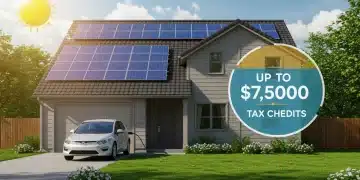
- Enhanced Tax Credits: Expect more generous tax credits for energy-efficient home improvements, including insulation, windows, doors, HVAC systems, and renewable energy installations like solar panels. These credits can directly reduce your tax liability, making upgrades more attainable.
- Direct Rebates for Audits and Upgrades: Some programs will offer direct rebates specifically for conducting a certified home energy audit, effectively reducing the upfront cost. Further rebates will be available for implementing recommended upgrades, such as air sealing, new heat pumps, or energy-efficient water heaters.
- Low-Interest Loans: Federal and state-backed programs may provide access to low-interest financing for major energy efficiency projects, making it easier to afford significant investments that yield long-term savings.
- Community and State-Specific Programs: While federal in origin, many incentives are administered through state and local agencies, often with additional benefits tailored to regional needs. Your home energy audit professional can help navigate these localized opportunities.
- Focus on Electrification: A significant portion of the new incentives will likely target the electrification of homes, encouraging the transition from fossil fuel-powered systems to electric alternatives like heat pumps, which are significantly more efficient.
These incentives are not merely a temporary perk; they represent a long-term commitment to a sustainable future. By taking advantage of these programs, homeowners can significantly offset the cost of improvements, accelerating their return on investment and making energy efficiency a financially attractive proposition.
Uncovering 15% Savings: How a Home Energy Audit Delivers
The promise of 15% savings is not an arbitrary figure; it’s a realistic goal for many homeowners who undertake a comprehensive home energy audit and implement the recommended improvements. These savings come from a combination of factors, each addressed by the audit’s findings.
Where the Savings Come From:
- Reduced Air Leakage: Air leaks are often the biggest culprit for energy waste. Sealing gaps around windows, doors, electrical outlets, and plumbing penetrations can drastically reduce heating and cooling losses, accounting for a significant portion of the 15% savings.
- Improved Insulation: Adequate insulation in your attic, walls, and floors prevents heat transfer, keeping your home warmer in winter and cooler in summer. Upgrading insulation can yield substantial energy reductions.
- Efficient HVAC Systems: Older, inefficient heating and cooling systems consume vast amounts of energy. Replacing them with modern, high-efficiency models, especially heat pumps, can lead to dramatic savings. The home energy audit will identify if your current system is a major energy drain.
- Smart Thermostats and Controls: Integrating smart thermostats allows for precise temperature control and scheduling, preventing unnecessary energy use when you’re away or asleep.
- Energy-Efficient Windows and Doors: While often a larger investment, upgrading to energy-efficient windows and doors can eliminate drafts and reduce thermal transfer, contributing to overall savings.
- LED Lighting and Efficient Appliances: Switching to LED lighting throughout your home and opting for Energy Star-rated appliances can provide incremental but cumulative savings over time.
- Water Heating Optimization: Upgrading to a more efficient water heater (e.g., tankless or heat pump water heater) or simply insulating your existing tank and pipes can reduce the energy required to heat water.
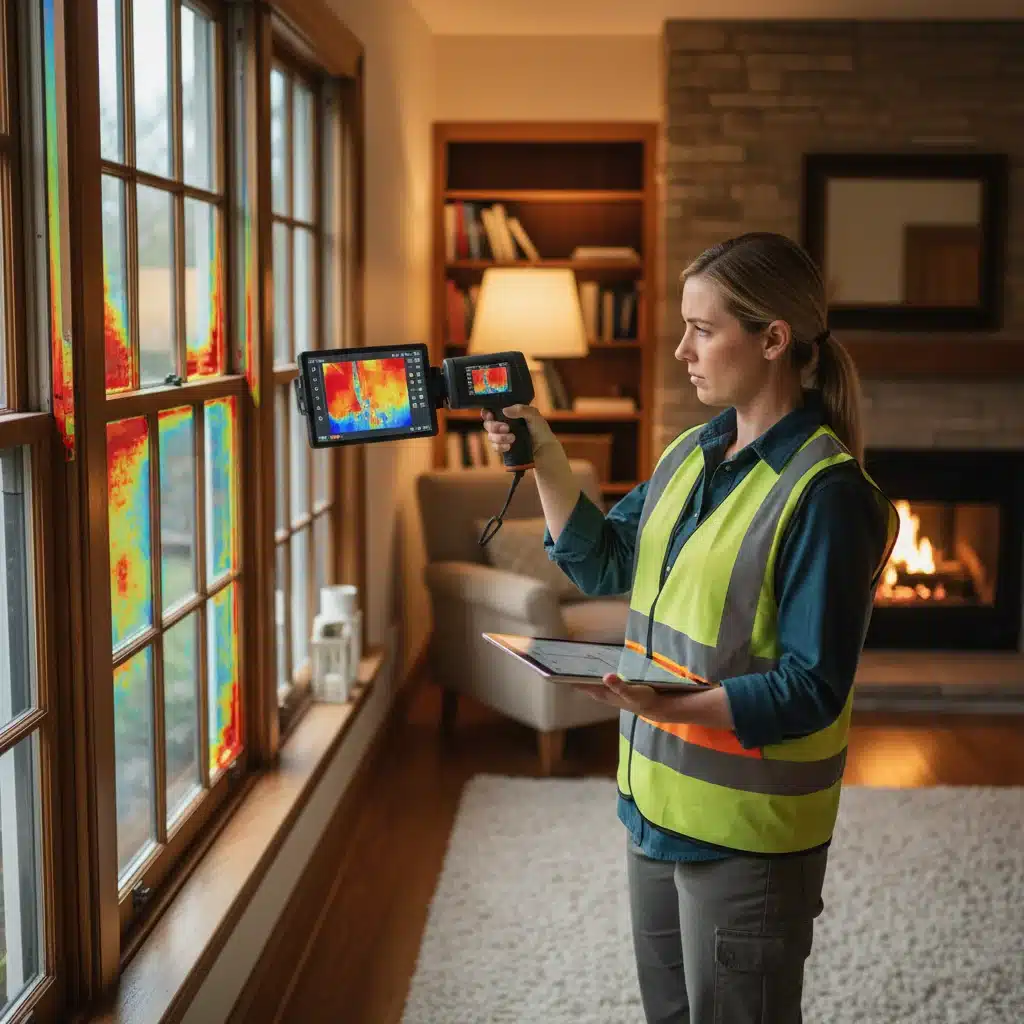
The cumulative effect of these improvements, guided by a professional home energy audit, is what leads to the impressive 15% or even greater savings. Each recommendation is tailored to your specific home, ensuring that you invest in the most impactful upgrades.
Practical Solutions from Your Home Energy Audit
Once your home energy audit is complete, you’ll receive a prioritized list of practical solutions. These aren’t just theoretical suggestions; they are actionable steps you can take to improve your home’s energy performance.
Common Practical Solutions Include:
- Air Sealing: This involves sealing cracks and gaps in your home’s envelope with caulk, weatherstripping, and foam sealants. It’s often the most cost-effective improvement with a quick return on investment.
- Adding Attic Insulation: Many homes, especially older ones, lack sufficient attic insulation. Blowing in additional insulation can significantly improve your home’s thermal barrier.
- Duct Sealing and Insulation: Leaky or uninsulated ductwork can lose a substantial amount of conditioned air. Sealing and insulating ducts ensure that heated or cooled air reaches its destination efficiently.
- HVAC System Tune-up or Replacement: Regular maintenance can improve efficiency, but an older system might warrant replacement with a high-efficiency model, such as an ENERGY STAR certified heat pump.
- Window and Door Upgrades: Replacing single-pane windows with double or triple-pane, low-emissivity (Low-E) windows, or upgrading to more insulated doors, can drastically reduce heat transfer.
- Smart Thermostat Installation: A simple upgrade that offers significant control over your home’s heating and cooling schedule, optimizing energy use.
- Water Heater Efficiency Improvements: This could range from insulating the water tank and pipes to replacing an old unit with a tankless or heat pump water heater.
- Appliance Replacement: Swapping out old refrigerators, washing machines, or dishwashers for ENERGY STAR models can make a noticeable difference in your electricity consumption.
Each of these solutions, when implemented based on the audit’s recommendations, contributes to the overall goal of achieving substantial energy savings. The beauty of the 2026 incentives is that they help make these practical solutions financially accessible.
The Financial Impact: Beyond Just Savings
The financial impact of a home energy audit and subsequent upgrades extends far beyond the immediate savings on your utility bills. It’s an investment that enhances your home’s value, comfort, and long-term sustainability.
Broader Financial Benefits:
- Increased Home Value: Energy-efficient homes are increasingly attractive to buyers. A home with documented energy savings and modern, efficient systems can command a higher resale value.
- Improved Comfort: A well-sealed and insulated home is more comfortable year-round, with fewer drafts and more consistent temperatures. This improved living environment is an invaluable benefit.
- Reduced Carbon Footprint: By consuming less energy, you contribute less to greenhouse gas emissions, aligning your home with environmental sustainability goals. This can also be a point of pride for homeowners.
- Protection Against Rising Energy Costs: As energy prices continue to fluctuate and generally trend upwards, an energy-efficient home acts as a buffer, making you less vulnerable to market volatility.
- Access to Future Programs: Investing in energy efficiency now may also position you to take advantage of future federal or state programs that reward highly efficient homes.
- Healthier Indoor Air Quality: Proper sealing and ventilation, often recommended during an audit, can also improve indoor air quality by reducing the infiltration of pollutants and allergens.
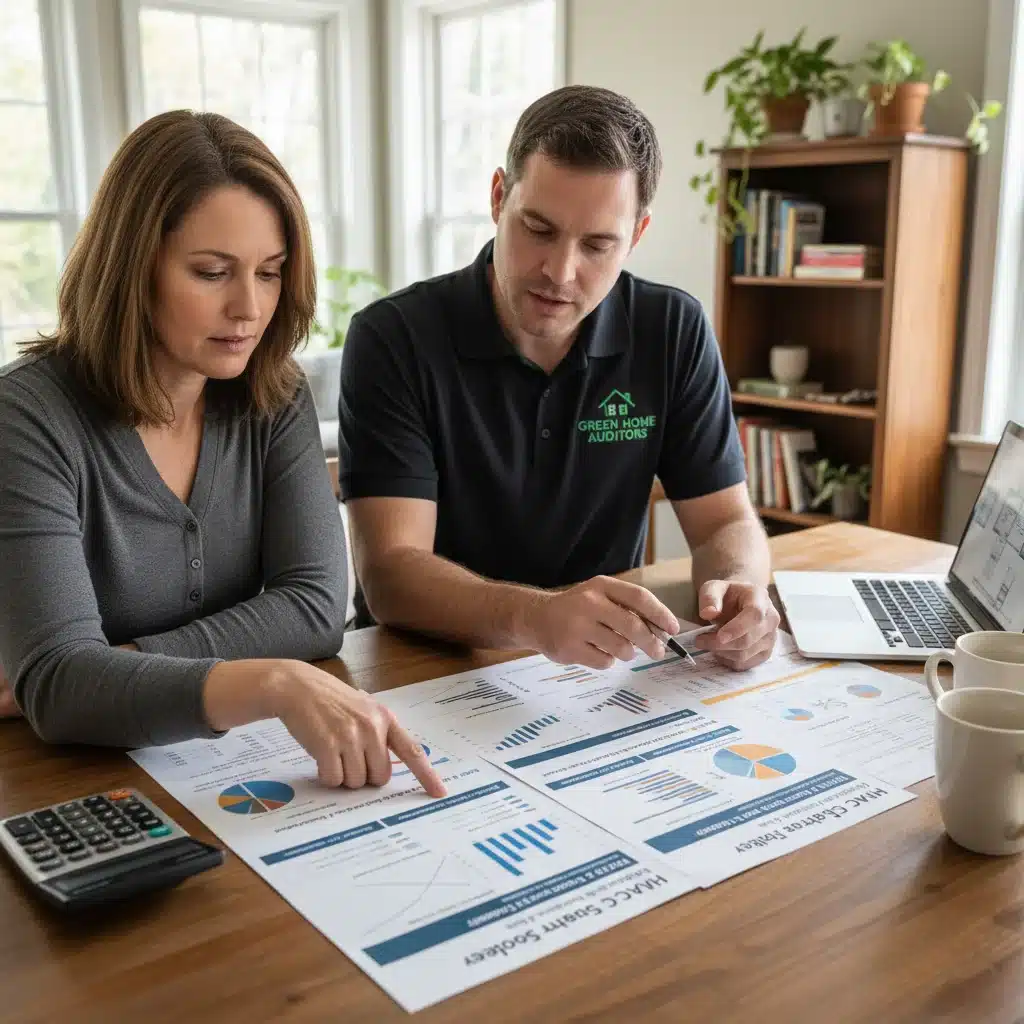
Considering the upfront costs of a home energy audit and the subsequent upgrades, it’s crucial to view this as a long-term investment. The new federal incentives for 2026 significantly reduce the initial financial burden, making the return on investment even more appealing and quicker to realize.
Choosing a Certified Home Energy Auditor
The success of your home energy audit hinges on the expertise of the professional you choose. In 2026, it’s more important than ever to select a certified auditor who is knowledgeable about the latest technologies and federal incentive programs.
What to Look for in an Auditor:
- Certifications: Ensure the auditor is certified by recognized organizations such as the Building Performance Institute (BPI) or RESNET. These certifications indicate a high level of training and adherence to industry standards.
- Experience: Look for auditors with a proven track record and positive client testimonials. Experience with homes similar to yours can be a significant advantage.
- Knowledge of Incentives: A good auditor will be well-versed in the 2026 federal incentives and any relevant state or local programs, helping you maximize your financial benefits.
- Comprehensive Approach: The auditor should offer a holistic approach, considering all aspects of your home’s energy use, not just isolated components.
- Clear Communication: The auditor should be able to explain complex concepts in an understandable way and provide a clear, actionable report.
- References: Don’t hesitate to ask for references from previous clients.
A reputable auditor will also prioritize your safety, ensuring that any recommendations for improvements do not compromise the structural integrity or health of your home.
Preparing for Your 2026 Home Energy Audit
To get the most out of your home energy audit, a little preparation can go a long way. This ensures the auditor has all the necessary information and can conduct the assessment efficiently.
Tips for Preparation:
- Gather Energy Bills: Collect at least 12 months of utility bills (electricity, gas, oil) to provide the auditor with historical energy consumption data.
- List Problem Areas: Make a note of any specific concerns you have, such as drafts, cold spots, or high utility bills during certain seasons.
- Provide Home Information: Be ready to share details about your home’s age, renovations, and any known issues.
- Clear Access: Ensure that the auditor has clear access to your attic, basement, crawl spaces, and utility areas.
- Ask Questions: Prepare a list of questions you want to ask the auditor about the process, findings, and recommendations.
By being prepared, you facilitate a more thorough and accurate audit, leading to more effective recommendations and ultimately, greater savings.
The Future of Home Energy: Beyond 2026
The 2026 home energy audit and its accompanying federal incentives are not just a snapshot in time; they are part of an ongoing evolution towards a more energy-efficient and sustainable future. As technology advances and climate goals become more urgent, we can expect even further innovations and support for homeowners.
Future developments might include more sophisticated AI-driven audit tools, real-time energy monitoring systems that integrate seamlessly with smart home platforms, and even more aggressive incentives for net-zero or energy-positive homes. The groundwork laid in 2026 with these enhanced audit processes and federal programs is crucial for paving the way for these future advancements.
Embracing a proactive approach to your home’s energy consumption now will not only yield immediate financial benefits but will also position you favorably for whatever the future of home energy holds. A home energy audit is your first, and most important, step on this journey.
Conclusion: Your Path to 15% Savings Starts with a Home Energy Audit
The year 2026 marks a pivotal moment for homeowners looking to significantly reduce their energy consumption and associated costs. With new federal incentives making a comprehensive home energy audit more accessible and financially rewarding than ever, there’s no better time to take control of your home’s energy future. By identifying hidden inefficiencies, implementing practical solutions, and leveraging government support, you can realistically achieve 15% or more in savings on your utility bills.
Beyond the financial benefits, investing in a home energy audit leads to a more comfortable, valuable, and environmentally responsible home. It’s an investment in your property, your wallet, and the planet. Don’t let the opportunity pass you by. Schedule your 2026 home energy audit today and embark on a journey towards a more efficient and sustainable living.