Advanced battery management systems: the key to efficiency
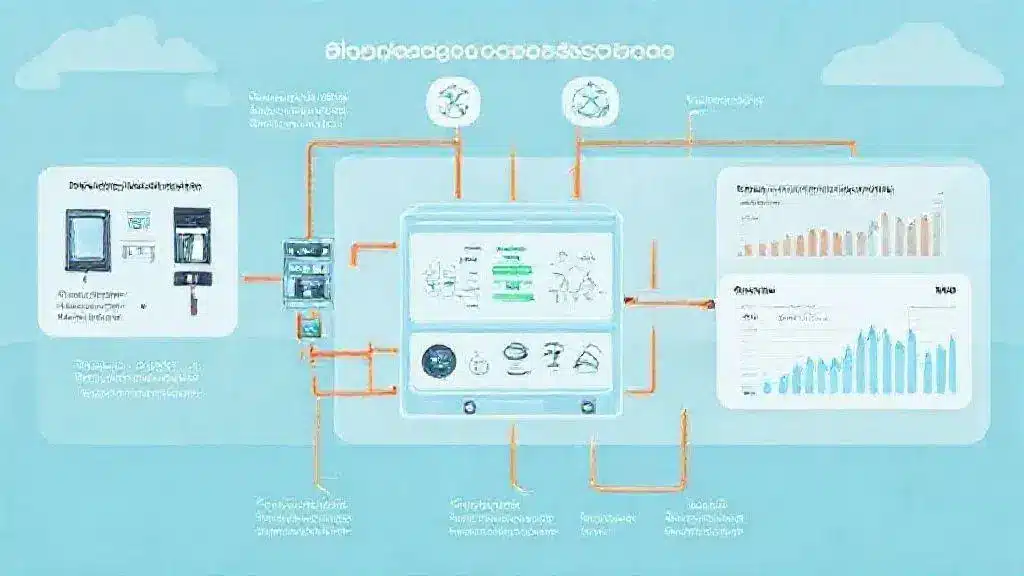
Advanced battery management systems are crucial for optimizing battery performance, ensuring safety, and extending battery life through effective monitoring and management technologies.
When it comes to powering our devices, advanced battery management systems play a crucial role in ensuring efficiency and safety. Have you ever wondered how these systems enhance battery performance and longevity? Let’s dive into their importance.
Understanding advanced battery management systems
Understanding advanced battery management systems is vital for anyone interested in energy storage solutions. These systems play a critical role in monitoring and managing battery performance, which can significantly affect overall efficiency.
They encompass software and hardware designed to ensure safe and reliable operation of batteries. To grasp their importance, let’s explore how they function.
What are advanced battery management systems?
Advanced battery management systems oversee multiple aspects of battery use. They monitor voltage, current, and temperature, ensuring each cell is operating within safe limits. By doing so, they prolong battery life and optimize performance.
Key Functions of these Systems
- Safety Management: They prevent overcharging and overheating, protecting batteries from damage.
- State Monitoring: Constantly tracking the state of charge (SOC) and state of health (SOH) provides valuable insights.
- Efficiency Optimization: These systems optimize the charging and discharging cycles to extend battery lifespan.
Moreover, advanced battery management systems are essential for various applications. From electric vehicles to renewable energy systems, their role cannot be understated. They ensure batteries are used wisely, maximizing both performance and longevity.
In addition, many of these systems use sophisticated algorithms to predict battery behavior under different conditions. This predictive capability helps in planning and managing energy usage more effectively.
Future Trends in Battery Management
As technology evolves, advanced battery management systems are becoming more integrated with Internet of Things (IoT) technologies. This integration allows for remote monitoring and real-time data analysis, making it easier to optimize performance. Furthermore, machine learning is being applied to enhance predictive analytics for better efficiency.
Ultimately, understanding how advanced battery management systems work and their benefits can lead to smarter choices regarding battery usage. Their increasing importance in our everyday technology illustrates the necessity of keeping up with innovations in this field. By staying informed, we can better harness the potential of modern battery technology.
Benefits of effective battery management
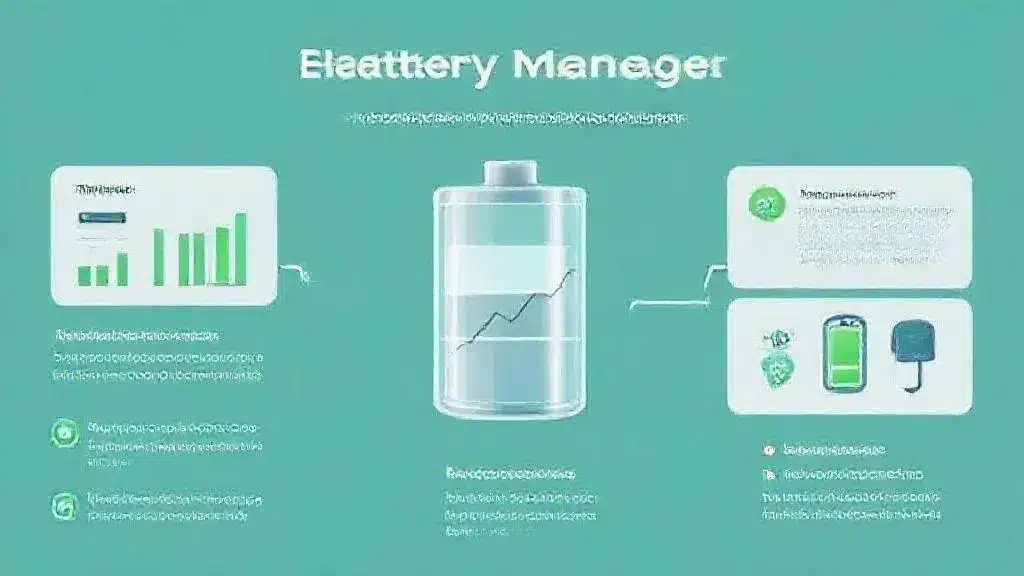
Understanding the benefits of effective battery management is essential for maximizing battery performance and longevity. Proper management can lead to enhanced safety, prolonged battery life, and increased efficiency in various applications.
First, let’s explore the safety enhancements that come from a well-implemented battery management system. These systems monitor charging and discharging processes, which helps prevent hazardous conditions like overcharging or overheating.
Key Benefits of Effective Battery Management
- Improved battery lifespan: Regular monitoring and maintenance of battery health can significantly extend its life.
- Enhanced performance: By optimizing the charging cycles, systems can ensure that batteries deliver consistent power and efficiency.
- Cost savings: Longer battery life and better performance lead to reduced replacement costs and lower operational expenses.
In addition to safety and performance, effective battery management contributes to environmental benefits. By prolonging battery life, we reduce the frequency of battery disposal, which helps minimize waste and resource consumption.
Moreover, these systems provide valuable data insights. Such information allows users to understand battery behavior and make informed decisions about usage and maintenance. For instance, knowing the state of charge (SOC) can help in planning charging sessions to maximize efficiency.
Real-World Applications
The benefits of effective battery management are evident in several industries. For electric vehicles, implementing advanced management can lead to smoother rides and better range. In renewable energy systems, it helps in storing solar energy efficiently, allowing for consistent energy supply even when sunlight is unavailable.
As battery technology continues to evolve, the importance of effective management becomes even clearer. By investing in sound battery management practices, users will not only enjoy the immediate benefits but also contribute to a more sustainable future. Overall, understanding these benefits is crucial for anyone relying on battery technology.
Key technologies in battery management systems
Key technologies in battery management systems play a crucial role in optimizing battery performance and ensuring safety. These innovations enable effective monitoring and management, allowing batteries to function efficiently across various applications.
One important technology is the use of advanced algorithms. These algorithms analyze data from battery sensors to optimize charging and discharging processes.
Essential Technologies in Battery Management Systems
- Voltage and Temperature Monitoring: Systems constantly check battery voltage and temperature to prevent damage from extreme conditions.
- State of Charge (SOC): This technology estimates how much energy is left in the battery, helping to avoid over-discharge.
- State of Health (SOH): By assessing battery conditions, SOH provides insights into battery life and performance.
Moreover, communication protocols are vital in battery management systems. They allow components to share information effectively, which is essential for real-time decision-making. Advanced systems often incorporate Bluetooth or Wi-Fi for remote monitoring, enabling users to track battery status from their devices.
Incorporating machine learning can enhance these systems further. With machine learning, batteries can learn from usage patterns and adapt their behavior, optimizing performance over time. This capability can lead to significant improvements in energy management.
Integration with Renewable Energy
Another important aspect is the integration of battery management systems with renewable energy sources. As we shift toward sustainability, the link between batteries and solar or wind energy becomes more critical. Effective management systems ensure that stored energy is used efficiently, reducing waste and enhancing overall performance.
Ultimately, understanding these key technologies helps us appreciate how battery management systems support advanced energy storage solutions. Their relevance grows as battery applications advance, shaping the future of energy use.
Challenges in battery management and potential solutions

Challenges in battery management are common as technology advances and energy demands increase. Understanding these challenges is the first step towards finding effective solutions that enhance battery performance and safety.
One major challenge is the accurate monitoring of battery health. As batteries age, their performance can degrade, making it difficult to assess when they should be replaced. This uncertainty can lead to unexpected failures.
Main Challenges in Battery Management
- Temperature Sensitivity: Batteries can be affected by extreme temperatures, impacting their performance and safety.
- State of Charge (SOC) Accuracy: Determining the exact SOC can be complex due to variations in battery chemistry.
- Data Overload: Managing vast amounts of data from sensors can overwhelm systems if not processed effectively.
Another challenge is ensuring safety during charging and discharging processes. Overcharging can lead to overheating, while undercharging can reduce battery lifespan. Therefore, implementing robust safety protocols is critical.
In addition, the integration of battery management systems with other technologies presents hurdles. As systems become more sophisticated, ensuring seamless communication and compatibility can be daunting.
Potential Solutions
To tackle these challenges, advancements in technology are essential. For instance, developing more accurate algorithms for SOC and SOH predictions can enhance monitoring capabilities. Improved sensor technologies can also provide real-time data, helping to manage temperature and performance more effectively.
Furthermore, the use of machine learning can optimize battery management systems. By analyzing patterns over time, these systems can predict issues before they arise, allowing for preventative measures.
Collaboration across industries is also vital. By sharing knowledge and best practices, manufacturers can develop more efficient battery management solutions. Addressing these challenges proactively will enable us to harness the full potential of batteries across various applications.
FAQ – Frequently Asked Questions about Battery Management Systems
What are the main challenges in battery management?
Key challenges include temperature sensitivity, accuracy of state of charge (SOC), and data overload.
How can advanced technologies help in battery management?
Advanced algorithms and improved sensor technologies can optimize monitoring and enhance battery performance.
Why is collaboration important in battery technology?
Collaboration allows industries to share knowledge and best practices, leading to more effective battery management solutions.
What role does machine learning play in battery management?
Machine learning can analyze usage patterns to improve predictions about battery performance, preventing issues before they arise.