
Water Conservation 2025: Cut Usage by 20%
Implementing strategic water conservation measures in 2025 can significantly reduce household water usage by 20% through innovative technologies and mindful daily habits, ensuring a more sustainable future.

US Grid Modernization: Energy Storage Policies 2025
Key policy developments in US grid modernization with energy storage for 2025 are poised to significantly enhance grid resilience, integrate more renewables, and improve overall energy efficiency across the nation.
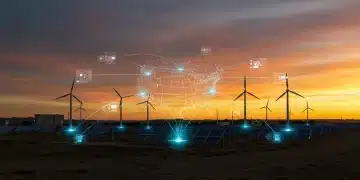
Energy Storage & Grid Stability: 20 GW by 2026 U.S. Outlook
This article examines the pivotal role of energy storage in enhancing U.S. grid stability, focusing on battery technology integration and the ambitious target of 20 GW capacity by 2026, offering a data-driven perspective on its implications for the future of energy.

Composting Tech 2025: Reduce US Household Waste by 30%
New 2025 composting technologies are poised to revolutionize waste management in US homes, offering innovative solutions that can reduce household waste by a remarkable 30% through efficient organic material decomposition.
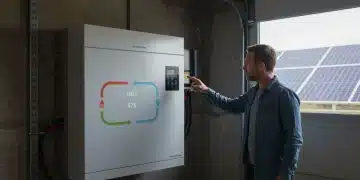
Residential Energy Storage Payback: 7-Year Returns by 2025
By 2025, homeowners investing in residential energy storage systems can anticipate an average payback period of seven years, driven by decreasing costs and increasing incentives, making grid independence more accessible.
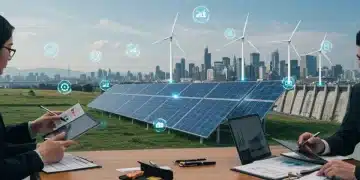
2025 Renewable Energy Credit Market: US Corporate Clean Energy Goals
The 2025 Renewable Energy Credit (REC) market offers U.S. corporations critical mechanisms to meet ambitious clean energy goals, with evolving trading trends and strategic opportunities for achieving 50% clean energy targets.
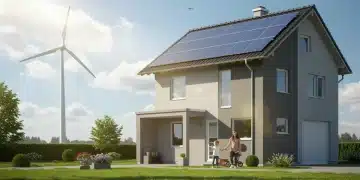
2025 Federal Clean Energy Tax Credits: Your Installation Guide
Navigating the New Federal Clean Energy Tax Credits: A Step-by-Step Guide for 2025 Installation Projects provides essential insights for homeowners and businesses to leverage significant financial incentives, ensuring optimal savings and promoting sustainable practices.
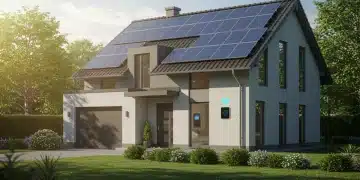
Eco-Friendly Home Upgrades: Cut Energy Bills by 15% in 2025
For US homeowners, adopting eco-friendly home upgrades in 2025 is a strategic move to significantly reduce energy bills by 15% while contributing to a greener planet.
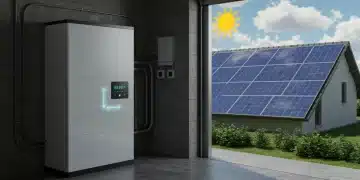
Maximize Your 2025 Home Battery Tax Credit: New 30% Incentives
Homeowners can significantly reduce the cost of energy storage systems in 2025 by leveraging the enhanced 30% federal tax credit for qualifying home battery installations, fostering greater energy independence and resilience.
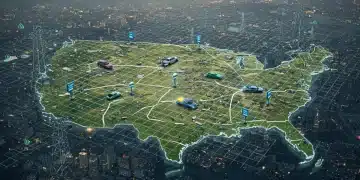
Grid Modernization: US EV Demand Surge 2027 Insight
U.S. grid modernization initiatives are actively preparing for a 25% surge in electric vehicle demand by 2027, focusing on infrastructure upgrades, smart grid technologies, and policy adaptations to ensure a resilient and sustainable energy future.