Decoding Green Labels: 2025 Guide to Eco-Friendly Products

Decoding green labels in 2025 is essential for consumers aiming to identify genuinely eco-friendly products and avoid deceptive greenwashing tactics, fostering truly sustainable purchasing decisions.
Navigating the complex world of consumer goods can be challenging, especially when trying to make environmentally responsible choices. In 2025, understanding how to discern truly sustainable products from mere marketing ploys is more critical than ever. This guide will help you in decoding green product labels, ensuring your purchases genuinely contribute to a healthier planet and avoid the pitfalls of ‘greenwashing’.
The Rise of Greenwashing: A Modern Deception
Greenwashing, the deceptive practice where companies use misleading claims to appear environmentally friendly, has become increasingly prevalent. As consumer demand for sustainable products grows, so does the incentive for brands to capitalize on this trend without necessarily implementing genuinely eco-conscious practices. This creates a significant challenge for consumers who wish to make informed decisions.
The sheer volume of products boasting ‘green’ credentials can be overwhelming. From ‘all-natural’ to ‘eco-friendly’ or ‘sustainable,’ these terms often lack clear, verifiable definitions. Without a critical eye, consumers can easily fall victim to marketing tactics that prioritize profit over genuine environmental stewardship.
Understanding Greenwashing Tactics
Companies employ various strategies to greenwash their products. Some use vague language, while others highlight a single minor eco-friendly attribute to overshadow significant environmental downsides. Recognizing these tactics is the first step toward becoming a more discerning consumer.
- Vague Language: Claims like ‘all-natural’ or ‘earth-friendly’ often lack specific scientific backing or certification.
- Irrelevant Claims: Highlighting an environmentally sound attribute that is legally required or universally true, such as ‘CFC-free’ in products where CFCs are already banned.
- Hidden Trade-offs: Emphasizing one green feature while ignoring greater environmental impacts, like an ‘energy-efficient’ electronic device made with hazardous materials.
- No Proof: Making environmental claims without providing accessible supporting evidence or third-party certification.
- Worshipping False Labels: Creating fake labels or certifications that appear legitimate but have no real backing.
The goal of greenwashing is to create a positive public image and increase sales, often at the expense of transparency and genuine environmental progress. Consumers must remain vigilant and question claims that seem too good to be true.
In conclusion, greenwashing represents a significant hurdle in the journey toward sustainable consumption. By understanding its various forms, consumers can better protect themselves from deceptive marketing and demand greater accountability from companies.
Identifying Legitimate Certifications and Labels
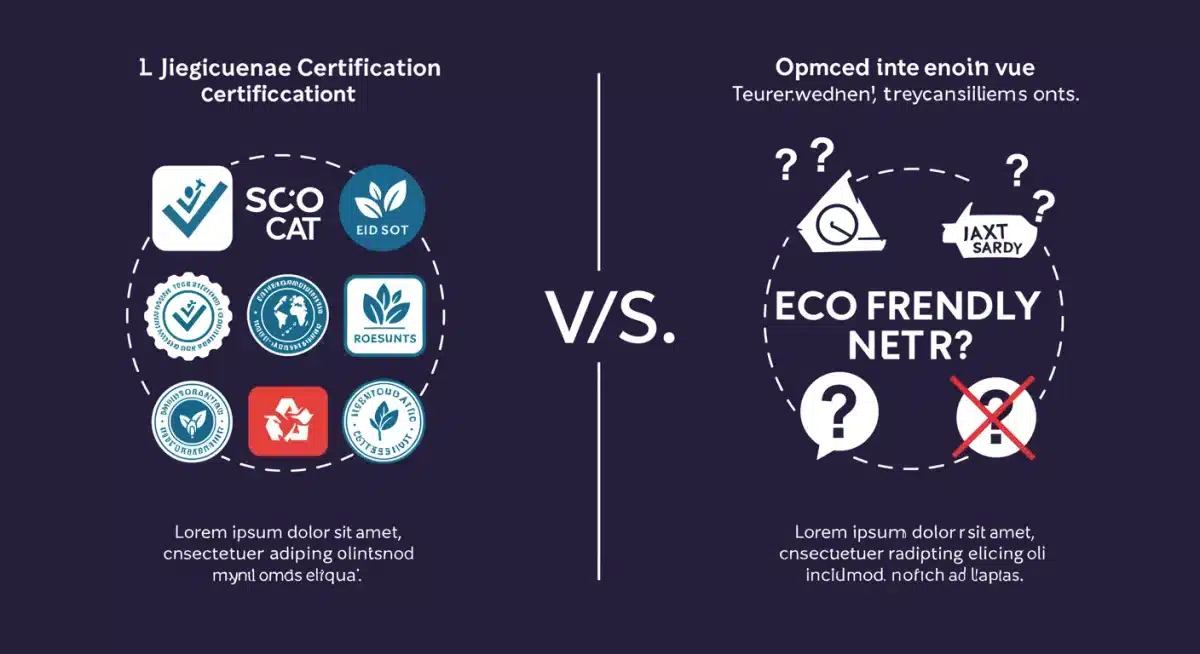
To effectively combat greenwashing, consumers need reliable tools to identify genuinely eco-friendly products. This often comes in the form of third-party certifications and labels. These certifications are issued by independent organizations that verify a product or company’s adherence to specific environmental standards.
Legitimate certifications provide a clear, concise way to communicate a product’s environmental performance. They cut through the marketing jargon and offer a level of assurance that a company’s claims have been independently vetted. However, not all certifications are created equal, and understanding the most credible ones is key.
Key Characteristics of Trustworthy Labels
A credible green label typically possesses several defining characteristics. These include transparency in their standards, independence from the companies they certify, and a clear, verifiable assessment process. Without these elements, a label’s trustworthiness diminishes significantly.
- Third-Party Verification: The certification process is conducted by an independent organization, not the company itself.
- Transparent Standards: The criteria for certification are publicly available and easily understandable.
- Comprehensive Approach: The label considers the product’s entire lifecycle, from raw material sourcing to disposal, not just a single attribute.
- Regular Audits: Certified products and companies undergo periodic reviews to ensure continued compliance with standards.
These characteristics ensure that when you see a legitimate label, you can have confidence in the environmental claims being made. It’s a signal that the product has met rigorous standards established by experts, not just marketing teams.
Ultimately, recognizing and prioritizing products with legitimate certifications empowers consumers to make truly sustainable choices, fostering a market where genuine eco-friendly practices are rewarded.
Understanding Product Lifecycle and Environmental Impact
A truly sustainable product considers its entire lifecycle, from raw material extraction to manufacturing, distribution, use, and end-of-life disposal. Understanding this holistic view is crucial for consumers trying to assess a product’s true environmental footprint. A product might seem green at first glance, but a deeper look at its lifecycle can reveal hidden impacts.
For instance, a product made from recycled materials is good, but if its manufacturing process is highly energy-intensive and produces significant pollution, its overall environmental benefit might be diminished. Consumers need to look beyond singular claims and consider the broader context of a product’s journey.
From Cradle to Grave: Assessing Sustainability
Evaluating a product’s impact requires an understanding of several key stages in its lifecycle. Each stage presents opportunities for environmental harm or positive change. Awareness of these stages helps consumers ask the right questions and look for relevant information on labels.
- Raw Material Sourcing: Are materials sustainably harvested, recycled, or renewable? Does sourcing involve deforestation or harmful mining practices?
- Manufacturing Process: How much energy and water are consumed? What types of emissions and waste are generated? Are hazardous chemicals used?
- Packaging and Distribution: Is packaging minimal, recyclable, or made from recycled content? How far does the product travel to reach the consumer?
- Product Use: Is the product durable, repairable, and energy-efficient during its lifespan?
- End-of-Life: Can the product be recycled, composted, or safely disposed of without causing environmental harm?
By considering these factors, consumers can move beyond surface-level green claims. They can seek out products that demonstrate responsibility across their entire lifecycle, contributing to a more circular economy.
In summary, a comprehensive understanding of a product’s lifecycle is indispensable for assessing its true environmental impact. This knowledge empowers consumers to identify genuinely sustainable goods and support companies committed to holistic environmental responsibility.
Key Green Labels and Their Meanings in 2025
As we move further into 2025, the landscape of green labels continues to evolve. While new certifications may emerge, several established and highly reputable labels remain crucial indicators of genuine environmental commitment. Knowing these prominent certifications is a powerful tool against greenwashing.
These labels often signify adherence to strict standards, verified by independent bodies, covering various aspects of sustainability from energy efficiency to ethical sourcing. Familiarizing yourself with them can significantly streamline your sustainable shopping experience.
Prominent and Reliable Certifications
Here are some of the most recognized and trustworthy green certifications you should look for on product labels in 2025. Each one signifies a commitment to specific environmental or social standards, offering consumers peace of mind.
- USDA Organic: Guarantees agricultural products are produced without synthetic pesticides, fertilizers, GMOs, or sewage sludge.
- Energy Star: Identifies energy-efficient products, helping consumers save money on utility bills and reduce greenhouse gas emissions.
- Fair Trade Certified: Ensures fair wages, safe working conditions, and environmental protection for producers in developing countries.
- Forest Stewardship Council (FSC): Certifies that wood and paper products come from responsibly managed forests, promoting sustainable forestry.
- ECOLOGO/Green Seal: Multi-attribute certifications for a wide range of products, indicating reduced environmental impact throughout their lifecycle.
These labels are not just pretty pictures; they represent a rigorous process of verification and a commitment to higher environmental and social standards. They empower consumers to make choices that align with their values.
In conclusion, understanding and recognizing these key green labels is fundamental for any consumer aiming to make genuinely eco-friendly purchases in 2025. They serve as beacons of trustworthiness in a crowded market.
Beyond Labels: Additional Ways to Assess Sustainability
While green labels are invaluable, a truly comprehensive approach to assessing a product’s sustainability goes beyond just looking for certifications. Savvy consumers can employ additional strategies to delve deeper into a company’s environmental practices and product claims. This involves critical thinking and a willingness to do a little extra research.
Sometimes, a product might be genuinely sustainable but not yet carry a specific certification, especially from smaller businesses or emerging innovations. In these cases, other indicators can help confirm its environmental integrity. It’s about developing a holistic understanding of a brand’s commitment.
Investigating Company Practices and Transparency
A company’s overall ethos and transparency can tell you a lot about its commitment to sustainability. Look for brands that are open about their supply chains, manufacturing processes, and environmental goals. This level of honesty is a strong indicator of genuine effort.
- Company Websites: Check for dedicated sustainability reports, environmental policies, and clear goals.
- Supply Chain Transparency: Does the company disclose where its materials come from and how they are processed?
- Third-Party Reviews and News: Look for independent assessments or news coverage regarding the company’s environmental performance.
- B Corp Certification: While not a product label, B Corp certification indicates a company meets high standards of verified performance, accountability, and transparency on factors from employee benefits and charitable giving to supply chain practices and input materials.
These investigative steps allow consumers to form a more complete picture of a company’s environmental impact, moving beyond individual product claims. It’s about supporting brands that integrate sustainability into their core business model.
In essence, while labels are a great starting point, a deeper dive into a company’s broader practices and transparency offers a more robust assessment of its true environmental commitment. This comprehensive approach empowers more impactful sustainable choices.
The Role of Consumer Advocacy in Driving Change
Individual purchasing decisions, when aggregated, have immense power. Consumer advocacy plays a vital role in shaping the market and pushing companies toward greater environmental responsibility. By demanding transparency and genuinely sustainable products, consumers can collectively drive significant change.
Every time a consumer chooses a certified eco-friendly product over a greenwashed alternative, they send a clear message to the market. This collective action incentivizes companies to invest in sustainable practices, knowing there’s a demand for such goods. It’s a powerful feedback loop.
Empowering Sustainable Market Evolution
Consumer advocacy isn’t just about individual purchases; it also involves engaging with brands, sharing information, and supporting policies that promote sustainability. This multifaceted approach can accelerate the shift towards a more sustainable economy.
- Support Sustainable Brands: Prioritize companies with proven environmental records and legitimate certifications.
- Demand Transparency: Ask companies for clarification on vague green claims and support those that provide detailed information.
- Educate Others: Share your knowledge about greenwashing and legitimate labels with friends and family.
- Engage with Policy Makers: Support regulations that enforce stricter environmental standards and combat deceptive marketing.
By actively participating in these ways, consumers become powerful agents of change. They help create a market where genuine sustainability is the norm, not the exception, and where greenwashing is effectively challenged.
In conclusion, consumer advocacy is an indispensable force in promoting true sustainability. Through informed choices and active engagement, consumers can significantly influence corporate behavior and foster a more environmentally responsible marketplace.
Practical Tips for Sustainable Shopping in 2025
Armed with knowledge about greenwashing and legitimate labels, consumers can confidently navigate the marketplace. Implementing practical tips into your shopping routine will make sustainable choices easier and more consistent. It’s about integrating these insights into everyday decisions.
Sustainable shopping doesn’t have to be overwhelming. By adopting a few key habits, you can significantly reduce your environmental footprint and ensure your purchases align with your values. It’s a continuous learning process that yields positive results.
Actionable Strategies for Eco-Conscious Consumers
Here are some straightforward strategies to help you become a more effective sustainable shopper in 2025. These tips focus on making informed decisions and supporting truly eco-friendly options.
- Research Before You Buy: A quick search for a product’s certifications or a company’s sustainability report can save you from greenwashing.
- Prioritize Durability and Repairability: Choose products designed to last and be repaired, reducing waste and the need for frequent replacements.
- Opt for Minimal and Recyclable Packaging: Select items with less packaging or packaging made from recycled, recyclable, or compostable materials.
- Support Local and Ethical Producers: Purchasing from local businesses or those with strong ethical and environmental track records can reduce transportation impacts and support responsible practices.
- Question Vague Claims: If a label uses generic terms without specific evidence or certification, exercise caution and seek further information.
By integrating these practical tips into your shopping habits, you can become a powerful force for good. Every sustainable choice contributes to a larger movement, encouraging more companies to embrace genuine environmental responsibility.
In conclusion, practical strategies are essential for translating knowledge into action. By consistently applying these tips, consumers can confidently make sustainable choices and effectively contribute to a greener future.
| Key Aspect | Brief Description |
|---|---|
| Greenwashing Alert | Beware of vague claims, irrelevant boasts, hidden trade-offs, and lack of proof on product labels. |
| Legitimate Certifications | Look for USDA Organic, Energy Star, Fair Trade, FSC, ECOLOGO/Green Seal for verified sustainability. |
| Product Lifecycle | Consider raw materials, manufacturing, packaging, use, and disposal for a holistic environmental assessment. |
| Consumer Power | Your informed choices and advocacy drive market demand for genuine sustainable products and corporate transparency. |
Frequently Asked Questions About Green Product Labels
Greenwashing is when a company deceptively markets products as environmentally friendly. Spot it by looking for vague claims (‘eco-friendly’), irrelevant facts, hidden trade-offs (e.g., ‘energy-efficient’ but made with toxic materials), or a lack of verifiable proof and third-party certifications.
Third-party certifications are crucial because they provide independent verification of a product’s environmental claims. They ensure that a product meets specific, transparent standards set by an unbiased organization, offering consumers a trustworthy indicator of genuine sustainability beyond a company’s self-proclaimed status.
In 2025, look for established labels like USDA Organic (for food), Energy Star (for appliances), Fair Trade Certified (for ethical sourcing), Forest Stewardship Council (FSC) for wood/paper, and ECOLOGO or Green Seal for a broad range of products. These indicate verifiable environmental or social standards.
Understanding a product’s lifecycle (from raw materials to disposal) allows you to assess its entire environmental impact, not just one aspect. This holistic view helps you identify products that minimize harm across all stages, promoting sustainability beyond simple ‘green’ claims and supporting circular economy principles.
Consumers play a critical role by making informed purchasing decisions, demanding transparency from brands, and supporting genuinely sustainable companies. Their collective choices signal market demand for eco-friendly products, incentivizing businesses to adopt legitimate sustainable practices and reducing the effectiveness of greenwashing tactics.
Conclusion
The journey to truly sustainable living in 2025 requires vigilance, knowledge, and a commitment to informed choices. By mastering the art of decoding green product labels, understanding the nuances of product lifecycles, and actively participating in consumer advocacy, you empower yourself to cut through the noise of greenwashing. Every conscious decision contributes to a more transparent, responsible, and ultimately, a greener marketplace, paving the way for a healthier planet for all.