Energy efficiency audit methods: maximize your savings
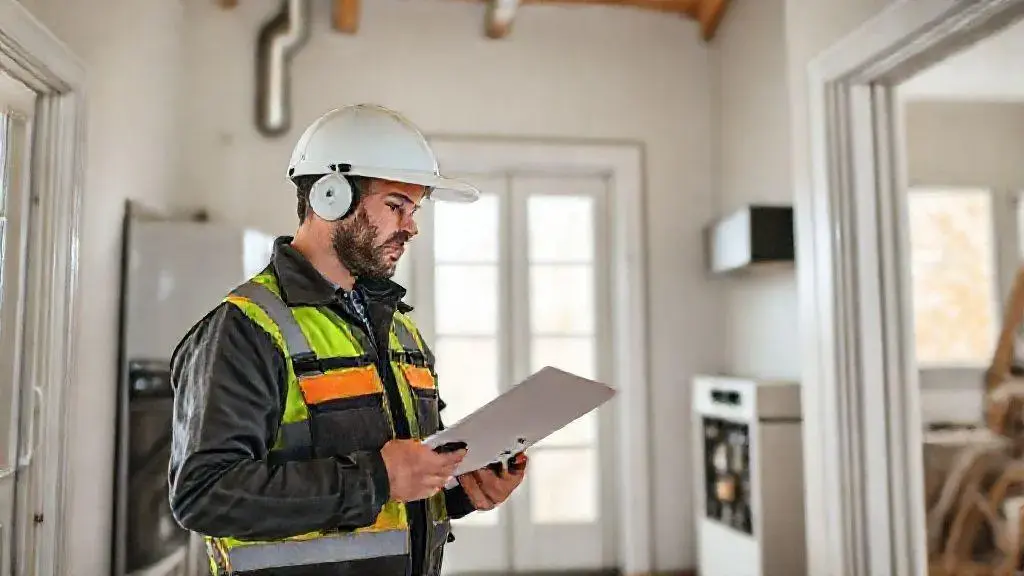
Energy efficiency audit methods assess energy use in buildings, identifying savings opportunities, improving comfort, and reducing environmental impact through tailored recommendations and upgrades.
Energy efficiency audit methods play a crucial role in helping homeowners and businesses reduce energy consumption. But what exactly do these methods entail? Let’s dive into how you can maximize savings and efficiency at the same time.
Understanding energy efficiency audits
Understanding energy efficiency audits is essential for anyone looking to save money and reduce energy waste. These audits help pinpoint areas of improvement in your home or business, leading to lower utility bills and a smaller carbon footprint. Knowing what to expect during an audit can make the process smoother and more beneficial.
What is an energy efficiency audit?
An energy efficiency audit is a comprehensive evaluation of your energy use. It involves examining how energy flows through your space, identifying inefficiencies, and providing recommendations for upgrades or changes. This can include analyzing heating and cooling systems, insulation, lighting, and appliances.
Types of energy efficiency audits
There are several methods to assess energy efficiency. Each has its unique focus and depth:
- Home Energy Audit: A detailed examination of a residential property to find areas of energy loss.
- Commercial Energy Audit: Similar to the residential audit but tailored for commercial buildings, focusing on larger systems and usage.
- Walk-Through Audit: A less formal audit that provides a quick overview of the energy use in a building and is typically done by the building owner or manager.
- Comprehensive Audit: A thorough examination that often includes advanced testing, like blower door tests, to analyze air leaks.
Each type of audit serves a distinct purpose, whether you’re trying to enhance the comfort of your home or cut down on business operational costs.
The benefits of energy audits are numerous. They not only identify immediate savings but also help in long-term planning. Implementing the right improvements can significantly boost efficiency and comfort while also contributing to environmental sustainability.
Understanding these audits gives you the tools to make informed decisions about energy use. The insights gained can lead to effective changes that benefit both your wallet and the planet.
Common methods for assessing efficiency

There are several common methods for assessing efficiency in energy consumption, each tailored to identify specific areas where improvements can be made. Understanding these methods can help you choose the most effective approach for your needs, whether in a home or a commercial building.
Energy Monitoring and Management Systems
These systems provide real-time data on energy usage, allowing users to track and analyze consumption patterns. They can help pinpoint where energy is being wasted and suggest adjustments to improve efficiency. Smart meters and software tools are often part of these systems.
Audit Tools and Software
Various audit tools and software applications help streamline the energy audit process. These tools assist in collecting data and analyzing energy usage efficiently. Some popular tools include:
- Energy Star Portfolio Manager: A widely used tool that benchmarks energy usage against similar buildings.
- Simplified Energy Audit Tools: Accessible applications that support smaller buildings in identifying savings opportunities.
- Building Energy Modeling Software: Advanced tools that simulate energy performance based on building design.
These software applications empower users by making complex calculations easier, leading to informed decision-making.
Infrared thermography is another method used to find energy leaks in buildings. By using thermal imaging cameras, auditors can visualize heat loss through walls, roofs, and windows. This method can reveal issues that might not be visible during a standard walk-through. Furthermore, conducting blower door tests helps identify air leaks and assess the overall airtightness of a structure. This method provides valuable data for improving insulation and sealing.
Utilizing multiple methods can offer a comprehensive understanding of energy performance. By combining real-time monitoring, software tools, and visual assessments, businesses and homeowners can develop tailored strategies to enhance efficiency.
How to choose the right audit method
Choosing the right audit method is crucial for achieving the best results in identifying energy inefficiencies. Several factors come into play when deciding which energy efficiency audit method fits your needs.
Assess Your Goals
Start by clearly defining your goals. Are you focusing on reducing energy costs, improving comfort, or enhancing environmental sustainability? Each method has different strengths. Understanding your priorities will guide your choice.
Consider Building Type
The type of building significantly affects the suitable audit method. For instance, residential buildings often benefit from a home energy audit, which focuses on heating, ventilation, and insulation. In contrast, commercial buildings might require a comprehensive energy audit to cover larger systems and multi-faceted energy use.
Budget and Resources
Your budget is another critical factor. Basic audits, such as walk-throughs, are more affordable but offer limited insights. Conversely, in-depth audits come with higher costs but reveal extensive information. Compare your financial resources against your expected savings to make an informed choice.
Evaluate Available Technologies
Consider the technologies available for your audit. Some methods use advanced tools, like infrared thermography, to find heat leaks or energy monitoring systems to track real-time usage. Look into which technologies align with your audit goals.
Involve stakeholders in the decision-making process, especially if managing a building with several occupants. Their input may uncover unique concerns or priorities that can influence your approach. Finally, don’t hesitate to consult with energy professionals who can provide tailored recommendations based on their expertise and experience.
These considerations will help you choose the right energy efficiency audit method that suits your needs and helps achieve maximum benefits.
Benefits of implementing audit results

Implementing the results from an energy efficiency audit offers numerous benefits that can enhance both financial savings and environmental impact. These benefits can positively affect homeowners and business operators alike, making the effort worthwhile.
Cost Savings
One of the most immediate benefits is the potential for significant cost savings on energy bills. By following the recommendations provided in the audit, you can reduce energy consumption and lower your utility costs. This could mean switching to energy-efficient appliances, improving insulation, or upgrading heating and cooling systems.
Improved Comfort
Implementing audit findings also leads to improved comfort in your living or working space. Efficient systems can maintain stable temperatures and better air quality, creating a more pleasant environment. Small changes like sealing air leaks and optimizing HVAC systems can have a big impact.
Increased Property Value
An energy-efficient property is often more attractive to buyers, leading to increased property value. Buildings with lower energy bills and better efficiency ratings are in demand. This investment in efficiency can make your property stand out in the market.
Environmental Impact
On a larger scale, implementing audit results contributes significantly to the wellbeing of our planet. Reduced energy consumption means fewer greenhouse gas emissions, which helps combat climate change. By being proactive, you not only save money but also do your part in preserving the environment.
Additionally, many audit recommendations may qualify for incentives or rebates from local or federal programs, further offsetting implementation costs. For instance, you might receive tax credits for installing energy-efficient appliances or solar panels. Therefore, adopting an energy-saving approach is not just good for business or home comfort, but it also aligns with a sustainable future.
FAQ – Frequently Asked Questions about Energy Efficiency Audits
What is an energy efficiency audit?
An energy efficiency audit evaluates how energy is used in a building, identifying ways to reduce consumption and save money.
How can implementing audit results save money?
By making changes based on audit recommendations, such as upgrading appliances or improving insulation, you can significantly lower your energy bills.
What types of buildings benefit from energy audits?
Both residential homes and commercial buildings can benefit from energy audits, tailored to their specific systems and needs.
Are there any financial incentives for conducting energy audits?
Yes, many programs offer rebates or tax credits for energy-efficient upgrades identified during the audit.