Energy sector investment analysis: uncovering hidden opportunities

The energy sector investment analysis reveals significant growth opportunities in renewable energy, driven by technological innovation and sustainability, while investors must also navigate associated risks and market dynamics.
Energy sector investment analysis can seem daunting, but it’s essential for anyone looking to navigate the changing dynamics of the market. What if we told you there are hidden opportunities waiting to be discovered? Let’s dive into this exciting field and uncover what you might be missing.
Current trends in energy investment
When discussing current trends in energy investment, it’s important to recognize how rapidly the industry is evolving. This dynamic environment presents both challenges and opportunities for investors. Understanding these shifts can help guide better decision-making in a competitive marketplace.
Emerging Technologies
New technologies are reshaping how we approach energy. Investments in renewable energy sources, such as solar and wind, are surging. This is driven by the demand for cleaner, more sustainable options. Governments are also providing incentives, making it easier for businesses and individuals to adopt these technologies.
- Increased investment in solar power technologies.
- Growth of battery storage systems.
- Innovations in energy efficiency solutions.
Alongside these technological advancements, there’s also a notable shift towards decentralized energy production. More homeowners are investing in solar panels, not just to save on energy bills but also to contribute to energy independence.
Market Changes
Investors should also note shifts in the energy market. Natural gas is increasingly becoming a preferred transition fuel. As coal usage declines, many countries are pivoting towards gas as a primary energy source due to its lower carbon footprint.
This change is also impacting global supply chains and trade policies. Countries rich in natural gas reserves are seeing increased investment, which reflects a more fluid energy market overall. It’s essential to stay updated on these trends, as they significantly affect investment strategies.
Additionally, the importance of ESG (Environmental, Social, Governance) criteria is growing. Investors are looking not only at financial returns but also at how their investments impact society and the environment. This shift is prompting companies to adopt stricter sustainability practices.
In investing, knowledge is power. By keeping on top of current trends in energy investment, you can make informed decisions that align with both profitability and sustainability.
Evaluating risks and rewards

Evaluating risks and rewards in energy investments is crucial for investors seeking profitability while managing potential losses. Understanding the balance between these two factors can lead to more informed decisions.
Understanding Investment Risks
Every investment carries some level of risk, and the energy sector is no exception. Factors such as regulatory changes, market fluctuations, and technological advancements can impact returns. Assessing these risks is the first step in making sound investment choices.
- Regulatory risks: Changes in laws can alter the operational landscape.
- Market volatility: Prices of energy commodities can fluctuate unpredictably.
- Technological shifts: New technologies can render existing investments obsolete.
Being aware of these risks can help investors plan and protect their investments. It’s essential to conduct thorough research before committing funds.
Assessing Potential Rewards
On the flip side, evaluating potential rewards is equally important. The energy sector offers numerous opportunities for substantial returns. For example, investments in renewable energy projects have been gaining traction and are expected to grow significantly in the coming years.
High demand for clean energy is pushing companies to innovate and expand, which can lead to increased profitability for investors. The potential for long-term gains in this market segment is appealing to many.
In addition, investors can benefit from government incentives aimed at promoting sustainable energy practices. Such incentives can enhance returns while also contributing to environmental goals.
When analyzing risks and rewards, consider both short-term and long-term impacts. This comprehensive approach allows for a balanced view of potential opportunities and pitfalls in the energy landscape.
Key players shaping the energy landscape
In the energy sector, various key players significantly influence the landscape. Understanding these entities helps investors navigate the complex market effectively. From large corporations to startups, each has a role to play.
Major Corporations
Global energy companies are at the forefront. They invest heavily in renewable technologies and traditional energy sources. Their actions set trends that ripple through the entire industry. For example, major oil companies are diversifying their portfolios with investments in solar and wind energy, thereby changing how we think about energy production.
- Companies like BP and Shell are investing in green energy projects.
- ExxonMobil is focusing on carbon capture technologies.
- Equinor (formerly Statoil) is pushing forward with offshore wind energy.
These corporations not only shape policies but also drive innovation. Their commitments to sustainable energy can lead to broader industry changes.
Startups and Innovators
Aside from large corporations, numerous startups are emerging as key players. These smaller companies often bring disruptive technologies to the market, focusing on niche areas that larger companies might overlook. From energy storage solutions to new renewable energy sources, startups are pushing the envelope.
Moreover, these innovative companies have the agility to adapt quickly to market changes. They often collaborate with larger corporations, creating partnerships that benefit both parties. This synergy between big and small players accelerates advancements within the energy sector.
In summary, understanding the key players in the energy landscape—ranging from established companies to innovative startups—is vital for anyone involved in energy investment. Each contributes to the evolving narrative of how energy is produced, distributed, and consumed.
Future outlook for energy investments

The future outlook for energy investments is bright, with many exciting developments on the horizon. As governments and companies shift focus toward sustainability, opportunities for growth in the energy sector are increasing. Understanding these trends can help investors make informed decisions.
Growth of Renewable Energy
One of the most significant trends is the ongoing growth of renewable energy sources. Solar, wind, and hydroelectric power are gaining traction as technology advances and costs decrease. This shift is driven by global efforts to combat climate change and reduce carbon emissions.
- Investment in solar energy is projected to continue rising.
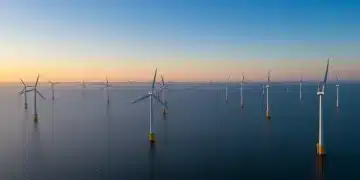
- Offshore wind farms are becoming more common, especially in coastal areas.
- Government incentives are encouraging businesses to adopt green technologies.
As these energy sources become more competitive with fossil fuels, investors should look for opportunities in this area. Companies focusing on innovative renewable solutions are likely to see substantial returns.
The Role of Innovation
Innovation will also play a crucial role in shaping the future of energy investments. Advancements in energy storage, such as batteries, are essential for the integration of renewable energy into the grid. Improved storage solutions address one of the biggest challenges in renewable energy: reliability.
Additionally, emerging technologies such as artificial intelligence and the Internet of Things (IoT) are revolutionizing the energy sector. They can optimize energy efficiency and management, leading to new investment opportunities. By keeping an eye on these technologies, investors can remain competitive and capitalize on future trends.
In summary, the future outlook for energy investments involves a strong emphasis on renewable energies, innovative technologies, and government support. By understanding and adapting to these changes, investors can find promising opportunities in this evolving landscape.
In conclusion, the energy sector is rapidly evolving, and understanding its trends is crucial for investors. The growth of renewable energy presents exciting opportunities, while innovation continues to reshape the landscape. By staying informed about key players and emerging technologies, investors can navigate this dynamic market effectively. Embracing sustainability will not only enhance profitability but also contribute to a greener future.
\n\n
\n
FAQ – Frequently Asked Questions about Energy Sector Investment
What are the main trends in energy investments?
The main trends include the growing adoption of renewable energy sources like solar and wind, along with increased investment in energy storage technologies.
How do key players influence the energy sector?
Key players, such as major corporations and innovative startups, shape market dynamics through technological advancements and investment strategies.
What risks should investors consider in the energy market?
Investors should be aware of regulatory changes, market volatility, and technological risks that may impact their investments in the energy sector.
How can sustainability practices benefit energy investments?
Sustainability practices enhance profitability and attract investment by aligning with consumer demands for cleaner energy alternatives.