Geothermal Energy: Your 2026 Guide to Stable Power & 20% Savings
Anúncios
Geothermal Energy: A 2026 Guide to Harnessing Stable Power for 20% Savings
In an era where energy costs fluctuate wildly and environmental concerns are at an all-time high, the quest for stable, sustainable, and cost-effective power solutions has never been more urgent. Enter geothermal energy – a powerful, often underestimated, renewable resource that promises not only environmental benefits but also significant financial savings. As we look towards 2026 and beyond, understanding and adopting geothermal energy savings becomes paramount for homeowners and businesses alike.
Imagine a world where your heating and cooling bills are drastically reduced, where your carbon footprint shrinks, and where you’re less reliant on volatile fossil fuel markets. This isn’t a futuristic fantasy; it’s the tangible reality offered by geothermal energy. This comprehensive guide will delve deep into the world of geothermal technology, exploring its mechanics, benefits, installation considerations, and the compelling case for why it should be at the forefront of your energy strategy for 2026 and the years to come. We’ll show you how harnessing the Earth’s constant temperature can lead to stable power and potentially 20% or more in geothermal energy savings.
What Exactly is Geothermal Energy? Understanding the Earth’s Constant Power
At its core, geothermal energy is heat derived from the Earth. The word ‘geothermal’ itself comes from the Greek words ‘geo’ (earth) and ‘therme’ (heat). This heat is a continuous, natural resource, generated and stored beneath the Earth’s surface. Unlike solar or wind energy, which are intermittent, geothermal energy is always available, making it a highly reliable and stable power source.
The Earth’s crust absorbs energy from the sun and from the molten core of the planet. Just a few feet below the surface, the ground maintains a relatively constant temperature, typically between 45°F and 75°F (7°C and 24°C), depending on geographical location. This stable temperature is the secret to geothermal energy savings.
How Geothermal Systems Work: The Science Behind the Savings
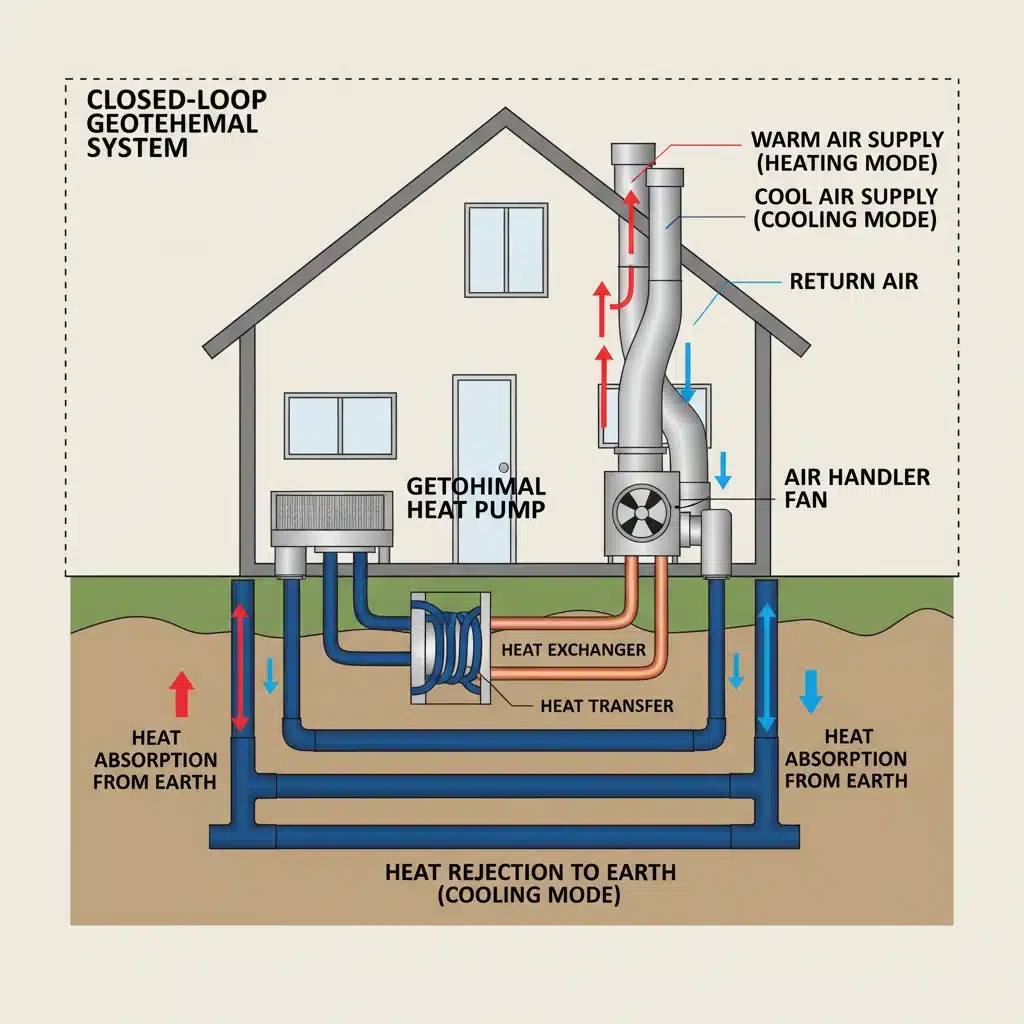
Geothermal heating and cooling systems, specifically geothermal heat pumps (GHPs), don’t create heat; they simply move it. In winter, the system extracts heat from the warmer earth and transfers it into your building. In summer, it reverses the process, taking heat from your building and transferring it into the cooler ground. This heat exchange process is incredibly efficient because it’s easier to move heat than to generate it.
The main components of a GHP system include:
- An Earth Loop (or Ground Loop): This is a network of pipes buried underground, either horizontally or vertically. A fluid (usually a mixture of water and antifreeze) circulates through these pipes, absorbing or dissipating heat from/to the earth.
- A Heat Pump Unit: Located inside your home or building, this unit compresses and expands the fluid from the earth loop, concentrating the heat (in winter) or cooling (in summer).
- An Air Delivery System: This typically consists of ductwork that distributes the heated or cooled air throughout the building, much like a conventional HVAC system.
The efficiency of this process is measured by its Coefficient of Performance (COP) for heating and Energy Efficiency Ratio (EER) for cooling. Geothermal systems typically have COPs of 3-5 and EERs of 13-20, meaning for every unit of electricity consumed, they deliver 3 to 5 units of heating or 13 to 20 units of cooling. This high efficiency is a direct contributor to substantial geothermal energy savings.
The Unbeatable Benefits of Geothermal Energy for 2026
Opting for geothermal energy isn’t just about being environmentally conscious; it’s a strategic financial decision that offers a multitude of advantages, particularly relevant in today’s dynamic energy landscape.
1. Significant Energy Cost Reductions: Up to 20% or More in Savings
This is often the most compelling reason for homeowners and businesses to switch. Geothermal systems are incredibly efficient, using 25-50% less electricity than conventional heating or cooling systems. This translates directly into substantial reductions in utility bills. Many users report saving between 20% and 70% on their heating and cooling costs, making geothermal energy savings a tangible reality.
Consider the long-term perspective: energy prices are unlikely to decrease significantly. By locking into a system that leverages the Earth’s free and constant energy, you insulate yourself from market volatility and enjoy predictable, lower operating costs for decades.
2. Environmental Stewardship: A Greener Footprint
Geothermal systems produce zero on-site greenhouse gas emissions. By reducing your reliance on fossil fuels for heating and cooling, you significantly lower your carbon footprint. This contributes to cleaner air, mitigates climate change, and aligns with global sustainability goals. For environmentally conscious individuals and companies, geothermal represents a powerful statement of commitment to a greener future.
3. Unmatched Comfort and Consistent Indoor Temperatures
Because geothermal systems exchange heat with the stable earth temperature, they provide incredibly consistent heating and cooling. Unlike traditional systems that can cause temperature swings, geothermal maintains a more even temperature throughout your home or building. This leads to superior comfort, eliminating cold spots in winter and hot spots in summer.
4. Longevity and Low Maintenance
The underground loop system of a GHP can last for 50 years or more, while the indoor components typically last 20-25 years. This is significantly longer than conventional HVAC systems, which often need replacement every 10-15 years. The durable nature of geothermal systems, coupled with fewer moving parts exposed to harsh weather, translates to lower maintenance requirements and fewer breakdowns, further enhancing your geothermal energy savings over the system’s lifespan.
5. Quiet Operation
Since the majority of the system is underground and the indoor unit is typically housed in a utility space, geothermal systems operate very quietly. There’s no noisy outdoor compressor unit to disturb your peace or annoy your neighbors, a stark contrast to traditional air conditioners.
6. Increased Property Value
Installing a geothermal system can increase your property value. As energy efficiency becomes a more critical factor for homebuyers, a home equipped with a state-of-the-art geothermal system is a highly attractive asset. It’s an investment that pays dividends both in utility savings and market appeal.
Types of Geothermal Systems: Finding the Right Fit for Maximum Geothermal Energy Savings
Geothermal heat pump systems come in several configurations, primarily categorized by their ground loop design. The best choice for you will depend on factors such as available land, soil conditions, and budget.
Closed-Loop Systems
These are the most common type and involve a sealed loop of buried piping through which a heat-transfer fluid circulates. They are highly reliable and require minimal maintenance.
- Horizontal Loops: Ideal for properties with sufficient land, these loops are buried in trenches roughly 4-6 feet deep. They are generally more cost-effective to install than vertical loops if space allows.
- Vertical Loops: When land area is limited, vertical loops are drilled deep into the ground (150-400 feet per bore). While more expensive to install initially, they require a much smaller footprint.
- Pond/Lake Loops: If your property has access to a suitable body of water, coils of pipe can be submerged at least 8 feet deep. This can be a very cost-effective option for geothermal energy savings if applicable.
Open-Loop Systems (Water-Source Systems)
Open-loop systems use an existing water well or a substantial body of surface water as the heat exchange fluid source. Water is drawn from the well, heat is exchanged, and then the water is discharged back into the same aquifer or a different one, or into a surface body of water. These systems can be highly efficient but require a reliable water source and careful consideration of local regulations and water quality.
The Installation Process: What to Expect When Going Geothermal
Installing a geothermal system is a significant undertaking, but with the right professionals, the process is streamlined and efficient. Here’s a general overview:
1. Site Assessment and Design
A qualified geothermal installer will conduct a thorough site assessment, evaluating your property’s soil type, available land, heating and cooling loads, and local geological conditions. This information is crucial for designing the optimal ground loop system and sizing the heat pump unit for maximum efficiency and geothermal energy savings.
2. Ground Loop Installation
This is typically the most substantial part of the installation. For horizontal loops, trenches are dug. For vertical loops, boreholes are drilled. The pipes are then laid or inserted, and the trenches/boreholes are backfilled. Proper backfilling is essential for good thermal conductivity.
3. Indoor Unit Installation
The geothermal heat pump unit is installed inside your home or building, usually in a utility room, basement, or attic. This unit connects to your existing ductwork (or new ductwork if it’s a new construction) and to the ground loop.
4. System Connection and Testing
Once all components are in place, the system is connected, charged with the heat-transfer fluid, and thoroughly tested to ensure proper operation, leak-free performance, and optimal efficiency. The installer will also calibrate the thermostat and provide instructions on system operation and maintenance.
While the initial cost of a geothermal system can be higher than conventional HVAC, it’s crucial to factor in the long-term geothermal energy savings, potential tax credits, and rebates that significantly reduce the payback period.
Financial Incentives and Rebates for Geothermal Energy Savings
To encourage the adoption of renewable energy technologies, governments and utility companies often offer various financial incentives. These can dramatically reduce the upfront cost of a geothermal system.
Federal Tax Credits
In many countries, including the United States, significant federal tax credits are available for homeowners who install geothermal heat pumps. For instance, the U.S. Inflation Reduction Act of 2022 extended and increased the residential clean energy credit to 30% of the cost of eligible geothermal heat pump property, with no cap, through 2032. This is a massive boost for geothermal energy savings.
State and Local Programs
Beyond federal incentives, many states and local municipalities offer their own rebates, grants, or property tax exemptions for geothermal installations. These programs vary widely by location, so it’s essential to research what’s available in your specific area.
Utility Company Rebates
Many utility companies recognize the benefits of geothermal systems for reducing strain on the electrical grid and promoting energy independence. They often provide rebates or low-interest loans to customers who install GHPs. Checking with your local utility provider is a critical step in maximizing your geothermal energy savings.
By stacking these incentives, the net cost of a geothermal system can become surprisingly competitive, making the long-term savings even more attractive.
Maintenance and Longevity: Ensuring Your Geothermal Investment Pays Off
One of the many benefits of geothermal systems is their low maintenance requirements. However, like any sophisticated mechanical system, periodic checks and basic care are essential to ensure optimal performance and longevity.
Routine Checks You Can Do
- Air Filter Replacement: Just like conventional HVAC systems, geothermal heat pumps have air filters that need to be cleaned or replaced regularly (typically every 1-3 months, depending on usage and household conditions). A clean filter ensures good airflow and system efficiency, contributing to continued geothermal energy savings.
- Clear Vents and Returns: Ensure that all supply and return vents are unobstructed to allow for proper air circulation.
- Keep Area Around Indoor Unit Clear: Maintain clear space around the indoor heat pump unit for proper ventilation and easy access for service.
Professional Maintenance
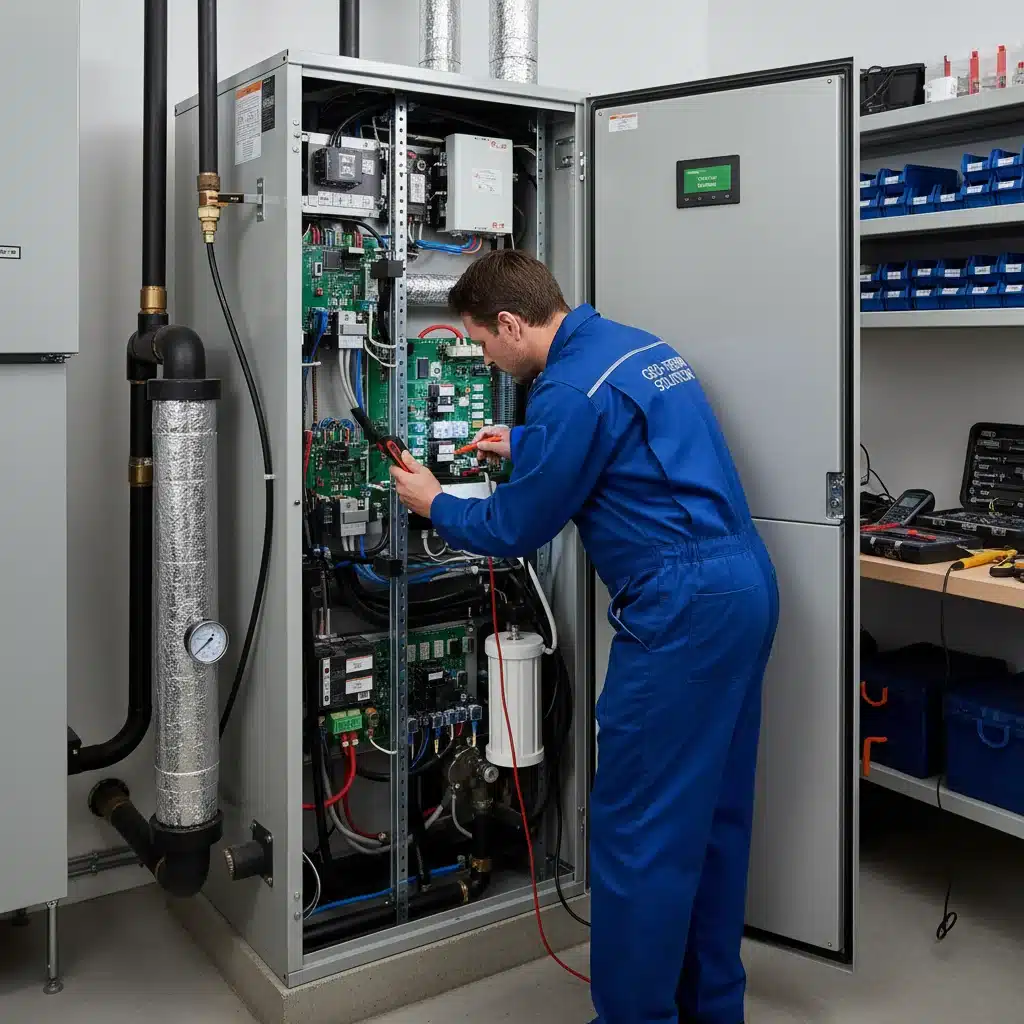
It’s recommended to have your geothermal system professionally inspected and serviced every 3-5 years. A qualified technician will:
- Check the refrigerant levels and pressure.
- Inspect electrical connections and components.
- Clean coils and condensate drains.
- Verify the integrity of the ground loop system and fluid levels.
- Test the system’s overall performance and efficiency.
Proactive maintenance not only extends the life of your system but also ensures it continues to operate at peak efficiency, maximizing your geothermal energy savings year after year.
Geothermal Energy in 2026 and Beyond: The Future is Bright
The outlook for geothermal energy is incredibly promising. As technology advances and the demand for sustainable solutions grows, geothermal systems are becoming even more efficient, affordable, and accessible.
Technological Innovations
Research and development continue to push the boundaries of geothermal technology. We’re seeing advancements in drilling techniques, more efficient heat pump designs, and improved ground loop materials. Hybrid geothermal systems, which combine GHPs with other heating sources (like solar thermal or traditional furnaces), are also gaining traction, offering even greater flexibility and efficiency.
Grid Integration and Smart Homes
As smart home technology becomes standard, geothermal systems are increasingly integrated into intelligent energy management systems. This allows for optimized operation, demand response capabilities, and even better control over your energy consumption and costs. Imagine your geothermal system communicating with your smart thermostat and local utility to heat or cool your home during off-peak hours, further amplifying your geothermal energy savings.
Wider Adoption and Policy Support
Governments worldwide are recognizing the critical role of geothermal energy in achieving climate goals. Increased policy support, continued financial incentives, and public awareness campaigns are driving wider adoption rates. As more installations occur, economies of scale will likely lead to further reductions in installation costs, making geothermal an even more attractive option for the average consumer.
Geothermal for Commercial and Industrial Applications
While often discussed in the context of residential use, geothermal energy is also a powerful solution for commercial buildings, schools, and even industrial processes. Large-scale geothermal heating and cooling systems can provide significant operational cost reductions and environmental benefits for these sectors, contributing to massive geothermal energy savings across entire communities.
Addressing Common Concerns About Geothermal Energy
Despite its numerous benefits, some common questions and misconceptions about geothermal energy persist. Let’s address a few of them.
Is the Initial Cost Too High?
As mentioned, the upfront cost of a geothermal system is typically higher than conventional HVAC. However, it’s crucial to view this as an investment rather than an expense. When you factor in the substantial monthly energy savings, the long lifespan of the system, and available tax credits and rebates, the payback period can be surprisingly short – often between 5 to 10 years. After that, you’re essentially enjoying free heating and cooling from the earth, leading to continuous geothermal energy savings for decades.
Does it Require a Lot of Land?
While horizontal ground loops do require a fair amount of land, vertical loops are an excellent solution for smaller properties. These can be installed in compact areas, even under driveways or landscaping, minimizing disruption to your yard. Pond/lake loops also offer an efficient solution for properties with access to water.
What About Drilling and Disruption?
The installation process does involve digging or drilling. However, reputable installers work efficiently to minimize disruption. Once the ground loops are buried, they are completely out of sight and require no further attention for decades. The indoor unit is also compact and quiet.
Is Geothermal Energy Sustainable?
Absolutely. The heat within the Earth is continuously replenished, making it a truly renewable resource. The energy used to run the heat pump itself is significantly less than the energy it transfers, and with the increasing adoption of renewable electricity sources (like solar and wind), the carbon footprint of geothermal systems can approach zero.
Making the Switch to Geothermal: A Step-by-Step Guide
If you’re convinced that geothermal energy savings are right for you, here’s how to get started in 2026:
- Research and Educate Yourself: Continue to learn about geothermal technology, its benefits, and how it applies to your specific needs.
- Find Qualified Installers: Seek out experienced and certified geothermal installers in your area. Look for companies with a strong track record, good reviews, and certifications (e.g., from the International Ground Source Heat Pump Association – IGSHPA).
- Request Multiple Quotes: Obtain detailed proposals from several installers. Compare not just prices, but also system designs, warranties, and service agreements.
- Explore Financial Incentives: Work with your chosen installer to identify all available federal, state, local, and utility rebates and tax credits that can offset the initial cost.
- Understand the Installation Process: Discuss the timeline, potential disruptions, and what to expect during the installation phase with your installer.
- Enjoy the Savings and Comfort: Once installed, sit back and enjoy the stable, efficient heating and cooling, and watch your geothermal energy savings accumulate over the years.
Conclusion: Embrace Geothermal for a Sustainable and Economical Future
As we navigate the complexities of energy consumption and environmental responsibility in 2026, geothermal energy stands out as a beacon of stable power and significant financial relief. The promise of up to 20% or more in geothermal energy savings, coupled with its environmental benefits, long lifespan, and consistent comfort, makes it an intelligent investment for any property owner.
Moving away from traditional fossil fuel-based heating and cooling systems isn’t just about adopting a new technology; it’s about embracing a smarter, more sustainable, and ultimately more economical way of living. By harnessing the constant, reliable energy beneath our feet, we can build a future that is both environmentally sound and fiscally responsible. The time to explore geothermal energy is now – your wallet and the planet will thank you.