Decoding Green Certifications 2026: What Labels Truly Mean for Sustainable Purchases
Decoding Green Certifications 2026: What Labels Truly Mean for Sustainable Purchases
In an era increasingly defined by environmental consciousness, the phrase “green certifications 2026” has become more than just a buzzword; it’s a critical navigation tool for consumers striving to make responsible choices. As we advance further into the 21st century, the market is saturated with products claiming to be “eco-friendly,” “sustainable,” or “green.” However, discerning genuine environmental commitment from clever marketing, often termed greenwashing, can feel like an impossible task. This comprehensive guide aims to demystify the complex world of green certifications in 2026, empowering you to understand what these labels truly signify and how to make purchasing decisions that genuinely contribute to a healthier planet.
The proliferation of eco-labels reflects a growing demand from consumers for transparency and accountability from businesses regarding their environmental impact. Yet, with hundreds of different certifications globally, each with its own criteria, verification processes, and areas of focus, it’s easy to feel overwhelmed. Our objective is to cut through the noise, providing clarity on the most impactful and trustworthy green certifications you’ll encounter in 2026, and equip you with the knowledge to critically evaluate any claim of sustainability.
Understanding green certifications is not just about making better individual choices; it’s about driving systemic change. When consumers actively seek out and support certified sustainable products, they send a clear signal to the market, encouraging more companies to adopt environmentally responsible practices. This collective action is vital for addressing global challenges such as climate change, resource depletion, and pollution.
The Evolving Landscape of Green Certifications in 2026
The world of sustainability is dynamic, with standards and best practices continually evolving. What was considered cutting-edge in 2016 might be baseline in 2026. Therefore, staying informed about the latest developments in green certifications is paramount. New technologies, scientific discoveries, and shifts in consumer expectations all play a role in shaping the criteria for what constitutes a truly “green” product or service.
In 2026, we observe several key trends influencing green certifications:
- Increased Focus on Lifecycle Assessments (LCAs): Certifications are increasingly moving beyond a single aspect (e.g., energy efficiency) to encompass a product’s entire lifecycle, from raw material extraction to end-of-life disposal. This holistic approach provides a more accurate picture of environmental impact.
- Digital Traceability and Blockchain: Technology is playing a larger role in verifying claims. Blockchain, for instance, offers immutable records of a product’s journey, enhancing transparency and making it harder for companies to misrepresent their supply chains.
- Standardization and Harmonization Efforts: While still fragmented, there’s a growing push towards greater standardization and harmonization of green certification criteria across different regions and industries, aiming to reduce confusion and increase credibility.
- Emphasis on Social Equity Alongside Environmental Impact: Many leading green certifications in 2026 are integrating social responsibility criteria, recognizing that true sustainability encompasses both environmental protection and fair labor practices, community engagement, and ethical sourcing.
- Sector-Specific Certifications: As industries become more specialized, so do their certifications. We’re seeing more nuanced labels tailored to specific sectors like textiles, electronics, or food, addressing their unique environmental challenges.
Navigating these trends requires a foundational understanding of what makes a certification credible. Not all green labels are created equal, and some are more rigorous and transparent than others. Hence, the importance of delving into the specifics of green certifications 2026 cannot be overstated.
Identifying Credible Green Certifications: A Consumer’s Checklist
Before diving into specific examples, let’s establish a framework for evaluating the trustworthiness of any green certification. When you encounter a label, ask yourself the following questions:
- Is it Third-Party Verified? The gold standard for credibility is independent, third-party verification. This means an organization distinct from the product manufacturer or an industry association has assessed and confirmed compliance with the certification’s standards. Self-declared claims or labels created by the company itself are often red flags for potential greenwashing.
- Are the Standards Transparent and Publicly Available? A reputable certification scheme will have clearly defined, publicly accessible standards. You should be able to find detailed information about the criteria products must meet, the auditing process, and the scientific basis for the standards.
- Is it Based on Scientific Evidence? The criteria for the certification should be grounded in sound scientific principles and best practices for environmental protection. Avoid labels that make vague claims without measurable targets or scientific backing.
- Does it Have Strong Governance and Stakeholder Involvement? Credible certifications often involve a multi-stakeholder approach in their development, including environmental experts, industry representatives, government bodies, and consumer advocates. This ensures a balanced and robust standard.
- Is it Specific and Measurable? “Green” is too broad. A good certification will specify what aspect of environmental performance it addresses (e.g., organic ingredients, energy efficiency, water conservation, deforestation-free). It should also have measurable indicators of compliance.
- Does it Include Regular Audits and Enforcement? Certification is not a one-time event. Reputable schemes conduct regular audits, re-certifications, and have mechanisms to address non-compliance.
By applying this checklist, you can significantly improve your ability to distinguish between meaningful green certifications and marketing ploys. Remember, the goal is to look for substance, not just symbolism.
Key Green Certifications to Know in 2026 Across Various Sectors
Let’s explore some of the most prominent and reliable green certifications you’ll likely encounter when making sustainable purchases in 2026, categorized by sector for easier understanding.
Food and Agriculture
-
USDA Organic / EU Organic / Other National Organic Certifications: These are among the most recognized green certifications globally. They ensure that products are produced without synthetic pesticides, herbicides, GMOs, or artificial fertilizers, and adhere to specific animal welfare standards.
- What they mean: Focus on soil health, biodiversity, and avoiding harmful chemicals in food production.
- Why they’re credible: Rigorous third-party auditing, clear standards, and legal backing in many regions.
-
Fair Trade Certified: While primarily focused on social equity, Fair Trade also incorporates significant environmental standards, promoting sustainable farming practices, responsible water use, and biodiversity conservation.
- What they mean: Ethical sourcing, fair wages for farmers, and environmentally sound agricultural methods.
- Why they’re credible: Independent verification, transparent pricing, and community development focus.
-
Rainforest Alliance Certified: This certification focuses on biodiversity conservation and sustainable livelihoods, often found on coffee, tea, chocolate, and banana products. It promotes practices that protect ecosystems, workers, and communities.
- What they mean: Environmental protection (especially forests), social equity, and economic viability for farmers.
- Why they’re credible: Comprehensive standards, regular audits, and a global presence.
-
Marine Stewardship Council (MSC): For seafood, MSC certification indicates that fish or seafood comes from a wild-capture fishery that has been certified to an internationally recognized standard for sustainable fishing.
- What they mean: Sustainable fishing practices, healthy fish populations, and minimizing ecosystem impact.
- Why they’re credible: Independent assessment against scientific criteria, supply chain traceability.
Textiles and Apparel
-
Global Organic Textile Standard (GOTS): GOTS is the world’s leading processing standard for organic fibers, covering the entire textile supply chain from raw material harvesting to environmentally and socially responsible manufacturing and labeling.
- What they mean: Organic fiber content, strict environmental criteria throughout manufacturing, and social compliance.
- Why they’re credible: Independent certification of the entire supply chain, publicly available standards.
-
Oeko-Tex Standard 100: This certification focuses on human ecological safety, ensuring that textile products are free from harmful substances. While not strictly “environmental” in the production sense, it’s crucial for consumer health and often a component of broader sustainability efforts.
- What they mean: Textiles tested for harmful substances, safe for human use.
- Why they’re credible: Independent testing and certification, widely recognized.
-
Bluesign: The Bluesign system aims to eliminate harmful substances from the beginning of the manufacturing process, setting standards for environmentally friendly and safe production. It focuses on resource productivity, consumer safety, water and air emissions, and occupational health.
- What they mean: Sustainable textile production, minimizing environmental impact at every stage.
- Why they’re credible: Holistic approach to the supply chain, rigorous chemical management.
Building Materials and Products
-
Forest Stewardship Council (FSC): For wood and paper products, FSC certification ensures that materials come from responsibly managed forests that provide environmental, social, and economic benefits.
- What they mean: Sustainable forest management, protecting biodiversity, and respecting indigenous rights.
- Why they’re credible: Independent third-party audits, chain-of-custody tracking.
-
Cradle to Cradle Certified: This certification assesses products for their safety for human and environmental health, design for future reuse cycles, and sustainable manufacturing practices, across five categories: material health, material reutilization, renewable energy and carbon management, water stewardship, and social fairness.
- What they mean: Products designed for circularity, minimizing waste, and using safe materials.
- Why they’re credible: Holistic, rigorous assessment, emphasis on continuous improvement.
-
Energy Star: Primarily for electronics and appliances, Energy Star signifies superior energy efficiency, helping consumers save money on utility bills and reduce greenhouse gas emissions.
- What they mean: Products meet strict energy efficiency guidelines set by the EPA.
- Why they’re credible: Government-backed, clear performance metrics, widely recognized.
Cleaning Products and Personal Care
-
Ecocert: A leading certification body for organic and ecological cosmetics, detergents, and food products. Ecocert standards ensure responsible sourcing of ingredients, environmentally friendly manufacturing processes, and absence of harmful chemicals.
- What they mean: Natural or organic ingredients, eco-friendly production, no synthetic fragrances or harmful chemicals.
- Why they’re credible: Independent audits, strict ingredient lists, and manufacturing process standards.
-
Leaping Bunny: While not an environmental certification, Leaping Bunny is crucial for ethical consumption, ensuring no animal testing was performed at any stage of product development by the company, its laboratories, or suppliers.
- What they mean: Cruelty-free products, no animal testing.
- Why they’re credible: Independent verification, clear standards, and global recognition.
-
Safer Choice (EPA): This U.S. EPA program helps consumers find products that contain ingredients safer for human health and the environment without sacrificing quality or performance.
- What they mean: Products made with safer chemical ingredients.
- Why they’re credible: Government-backed, rigorous ingredient review, and scientific basis.
Understanding and Avoiding Greenwashing in 2026
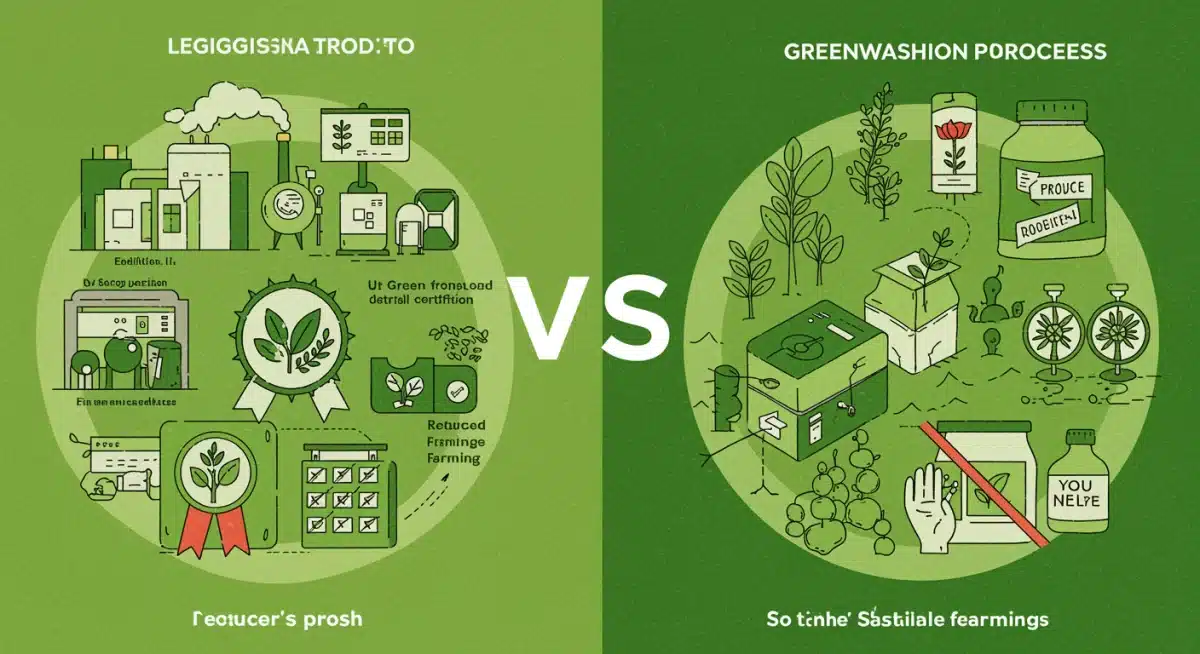
As the demand for sustainable products grows, so does the unfortunate practice of greenwashing. Greenwashing is when a company or organization spends more time and money claiming to be “green” through advertising and marketing than actually implementing business practices that minimize environmental impact. It’s a deceptive tactic that undermines genuine sustainability efforts and erodes consumer trust.
In 2026, greenwashing tactics are becoming more sophisticated. Here’s how to spot them:
- Vague or Unsubstantiated Claims: Look out for terms like “all-natural,” “eco-friendly,” “green,” or “sustainable” without any specific evidence or certification to back them up. What exactly makes it “natural”? How is it “eco-friendly”?
- Irrelevant Claims: Highlighting an environmentally friendly attribute that is legally mandated or universally true anyway. For example, claiming a product is “CFC-free” when CFCs have been banned for decades.
- Lesser of Two Evils: Presenting a product as green compared to an even worse alternative, distracting from the product’s overall negative environmental impact. For instance, “eco-friendly” cigarettes.
- Hidden Trade-offs: Focusing on one positive environmental attribute while ignoring significant negative impacts. A product might be made from recycled content but produced in an energy-intensive factory with high pollution.
- Worshiping False Labels: Creating fake certifications or using generic imagery (like leaves or globes) that suggest environmental approval without any actual standard or verification.
- No Proof: Making an environmental claim without providing accessible evidence or third-party certification to support it.
The key to avoiding greenwashing is critical thinking and relying on the credible green certifications discussed earlier. If a claim seems too good to be true, or if information is scarce and vague, it’s worth investigating further before making a purchase.
The Role of Digital Tools and Consumer Education
In 2026, technology plays an increasingly vital role in helping consumers navigate the world of green certifications. Mobile apps, browser extensions, and online databases are emerging to provide instant access to information about product sustainability and certification validity. These tools can scan barcodes or product images to reveal details about a product’s environmental footprint, its certifications, and even company practices.
Furthermore, consumer education initiatives are gaining traction. Governments, NGOs, and educational institutions are working to equip individuals with the knowledge and skills to make informed choices. Workshops, online courses, and public awareness campaigns are helping to demystify complex environmental issues and empower consumers to become agents of change.
As conscious consumers, our collective power is immense. Every purchasing decision is a vote for the kind of world we want to live in. By prioritizing products with robust green certifications, we not only reduce our individual environmental footprint but also encourage businesses to adopt more sustainable practices across the board. This creates a positive feedback loop, driving innovation and fostering a more sustainable economy.
The Future of Green Certifications: Looking Beyond 2026
While this guide focuses on green certifications 2026, it’s important to consider where the movement is headed. The trend towards greater transparency, accountability, and holistic assessments is likely to continue. We can anticipate:
- More Integrated Reporting: Companies will increasingly be required to provide comprehensive reports on their environmental, social, and governance (ESG) performance, with certifications playing a key role in verifying these claims.
- Performance-Based Standards: A shift towards certifications that measure actual environmental performance and impact, rather than just adherence to process standards.
- Global Harmonization: Continued efforts to create more universally recognized and accepted standards, reducing the fragmentation of the current landscape.
- Focus on Regenerative Practices: Certifications will likely place a greater emphasis on regenerative agriculture and other practices that not only minimize harm but actively restore ecosystems.
- AI and Data Analytics: Advanced analytics and artificial intelligence will be used to monitor and verify sustainability claims, making the certification process more efficient and robust.
The journey towards a truly sustainable future is ongoing, and green certifications are a vital part of that journey. They serve as beacons for consumers, guiding them towards products and services that align with their values and contribute positively to the planet. By staying informed and demanding transparency, we can collectively push for higher standards and a more sustainable marketplace.
Conclusion
Navigating the world of green certifications in 2026 doesn’t have to be daunting. By understanding the principles of credible certification, recognizing the most reputable labels across various sectors, and learning to identify greenwashing tactics, you can become a more powerful and effective conscious consumer. Your choices have an impact, and by choosing certified sustainable products, you contribute to a cleaner, healthier, and more equitable world.
Empower yourself with knowledge, scrutinize labels, and support businesses that genuinely commit to environmental stewardship. The future of our planet depends on informed decisions, and understanding green certifications is a crucial step in making those decisions count. Let the information provided in this guide be your compass in the ever-evolving landscape of sustainable consumption, ensuring that your purchases truly reflect your commitment to a greener future.