Future-Proof Your Home: 5 Green Technologies for 15% Energy Savings by 2026
Anúncios
In an era defined by increasing environmental awareness and fluctuating energy costs, the pursuit of sustainable living has moved from niche interest to mainstream imperative. Homeowners worldwide are recognizing the profound benefits of integrating green home technologies into their properties, not just for the planet, but for their wallets. The promise of significantly reduced energy bills, coupled with enhanced comfort and a smaller carbon footprint, makes investing in these innovations an increasingly attractive proposition. As we look towards 2026, the landscape of home energy management is set to be transformed by a new generation of smart, efficient, and eco-friendly solutions. This article will delve into five key green home technologies that, when adopted, can realistically lead to a 15% reduction in your energy bills within the next few years. Prepare to future-proof your home and embrace a more sustainable, cost-effective way of living.
The Urgency of Adopting Green Home Technologies
Before we dive into the specific technologies, it’s crucial to understand why now is the opportune moment for this transition. Global energy demands are skyrocketing, leading to increased costs and a heightened reliance on fossil fuels. This reliance contributes significantly to climate change, creating a pressing need for alternatives. Home energy consumption accounts for a substantial portion of overall energy use, making residential properties a critical battleground in the fight for sustainability. By adopting green home technologies, homeowners can play a pivotal role in mitigating these challenges. Beyond the environmental benefits, the financial incentives are compelling. Government rebates, tax credits, and the long-term savings on utility bills make these investments not just environmentally sound, but economically savvy. The rapid advancements in technology have also made these systems more efficient, affordable, and accessible than ever before, paving the way for widespread adoption and a greener future for all.
1. Advanced Solar Photovoltaic (PV) Systems: Harnessing the Sun’s Power
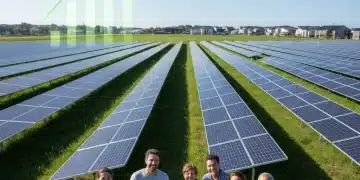
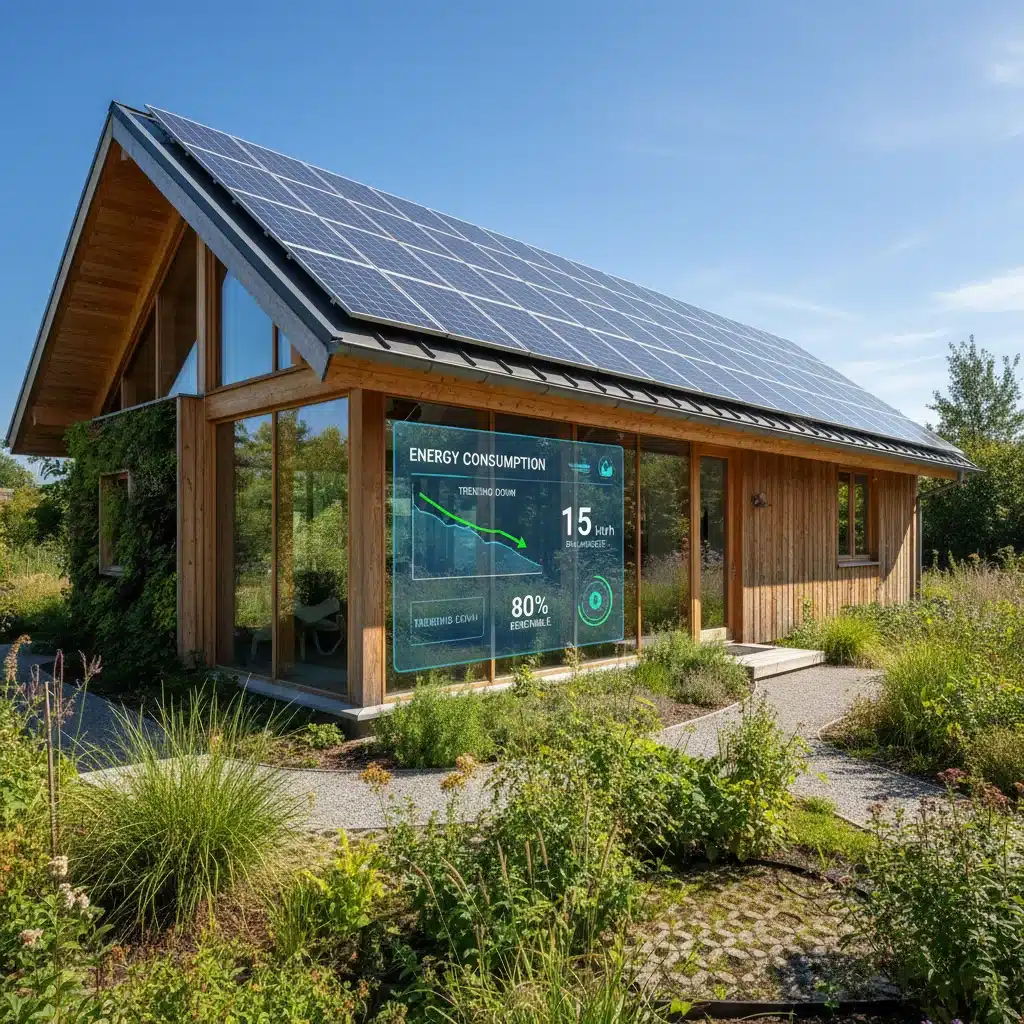
Solar photovoltaic (PV) systems are perhaps the most recognizable of all green home technologies, and for good reason. They offer a direct and powerful way to generate clean, renewable electricity right from your rooftop. The technology has matured significantly, moving beyond early iterations to highly efficient, aesthetically pleasing, and durable panels. Modern solar panels boast improved efficiency rates, meaning they can convert more sunlight into electricity, even on cloudy days. Furthermore, advancements in battery storage solutions, such as lithium-ion batteries, allow homeowners to store excess energy generated during the day for use at night or during power outages. This significantly increases energy independence and maximizes the financial returns on your solar investment. The integration of smart inverters and monitoring systems also provides real-time data on energy production and consumption, empowering homeowners to make informed decisions about their energy use.
Key Benefits of Modern Solar PV Systems:
- Significant Energy Bill Reduction: Depending on your home’s energy consumption, sunlight exposure, and system size, solar panels can drastically cut down or even eliminate your electricity bills.
- Increased Home Value: Homes equipped with solar panels often command higher resale values, appealing to environmentally conscious buyers.
- Reduced Carbon Footprint: By generating clean energy, you reduce your reliance on fossil fuels and lower your home’s greenhouse gas emissions.
- Energy Independence: With battery storage, you gain a degree of independence from the grid, providing backup power during outages.
- Government Incentives: Many regions offer tax credits, rebates, and feed-in tariffs that can offset the initial installation costs.
While the initial investment in a solar PV system can be substantial, the long-term savings and environmental benefits make it a wise decision for any homeowner looking to embrace green home technologies. The payback period for solar installations has also decreased significantly due to falling equipment costs and improved efficiency, making it an increasingly attractive option for achieving that 15% energy bill reduction by 2026.
2. Smart HVAC Systems with Zoned Heating and Cooling
Heating, Ventilation, and Air Conditioning (HVAC) systems are notorious energy hogs, often accounting for the largest portion of a home’s energy consumption. Traditional HVAC systems can be inefficient, heating or cooling unoccupied rooms and running at suboptimal levels. Enter smart HVAC systems, a revolutionary advancement in green home technologies that promises to optimize comfort while dramatically reducing energy waste. These systems incorporate advanced sensors, artificial intelligence, and connectivity to learn your preferences, adapt to your schedule, and respond to real-time weather conditions.
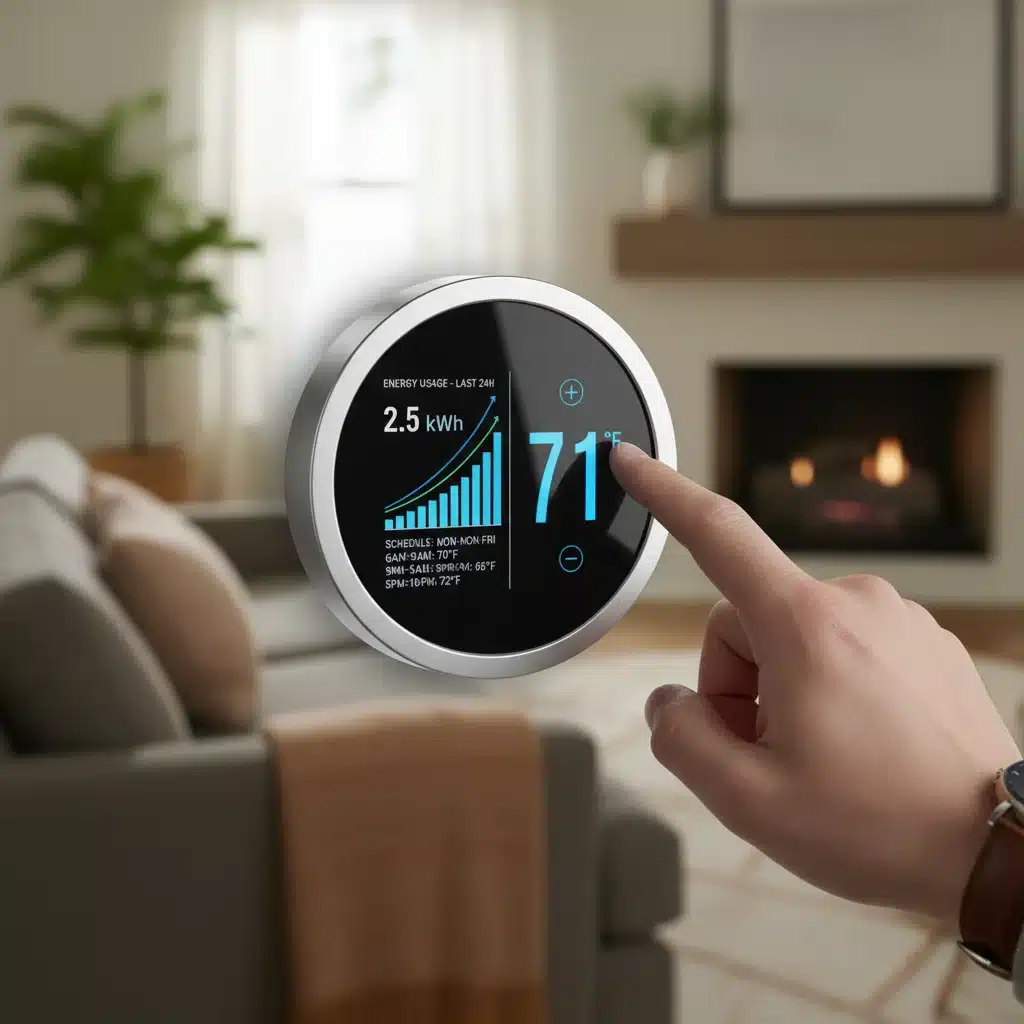
The key innovation here is zoned heating and cooling. Instead of treating your entire home as a single environmental unit, smart HVAC systems with zoning capabilities allow you to divide your home into distinct areas, or ‘zones,’ each with its own temperature control. This means you can heat or cool only the rooms you are using, eliminating wasted energy in unoccupied spaces. For instance, you can keep your bedroom cooler at night while maintaining a comfortable temperature in the living room during the day.
Features of Smart HVAC Systems:
- Learning Algorithms: Many smart thermostats learn your daily routines and adjust temperatures accordingly, often without manual input.
- Remote Control: Manage your home’s temperature from anywhere using your smartphone or tablet.
- Geofencing: Some systems use your phone’s location to detect when you’re leaving or returning home, adjusting temperatures to save energy while you’re away and ensuring comfort upon your arrival.
- Energy Usage Reports: Gain insights into your energy consumption patterns, helping you identify areas for further savings.
- Integration with Smart Home Platforms: Seamlessly connect with other smart devices, creating a fully automated and energy-efficient home ecosystem.
By precisely controlling temperature and only conditioning the spaces that need it, smart HVAC systems with zoning can lead to substantial energy savings, easily contributing to the 15% reduction goal. This intelligent approach to climate control is a cornerstone of modern green home technologies.
3. Geothermal Heating and Cooling: Tapping into Earth’s Stable Temperature
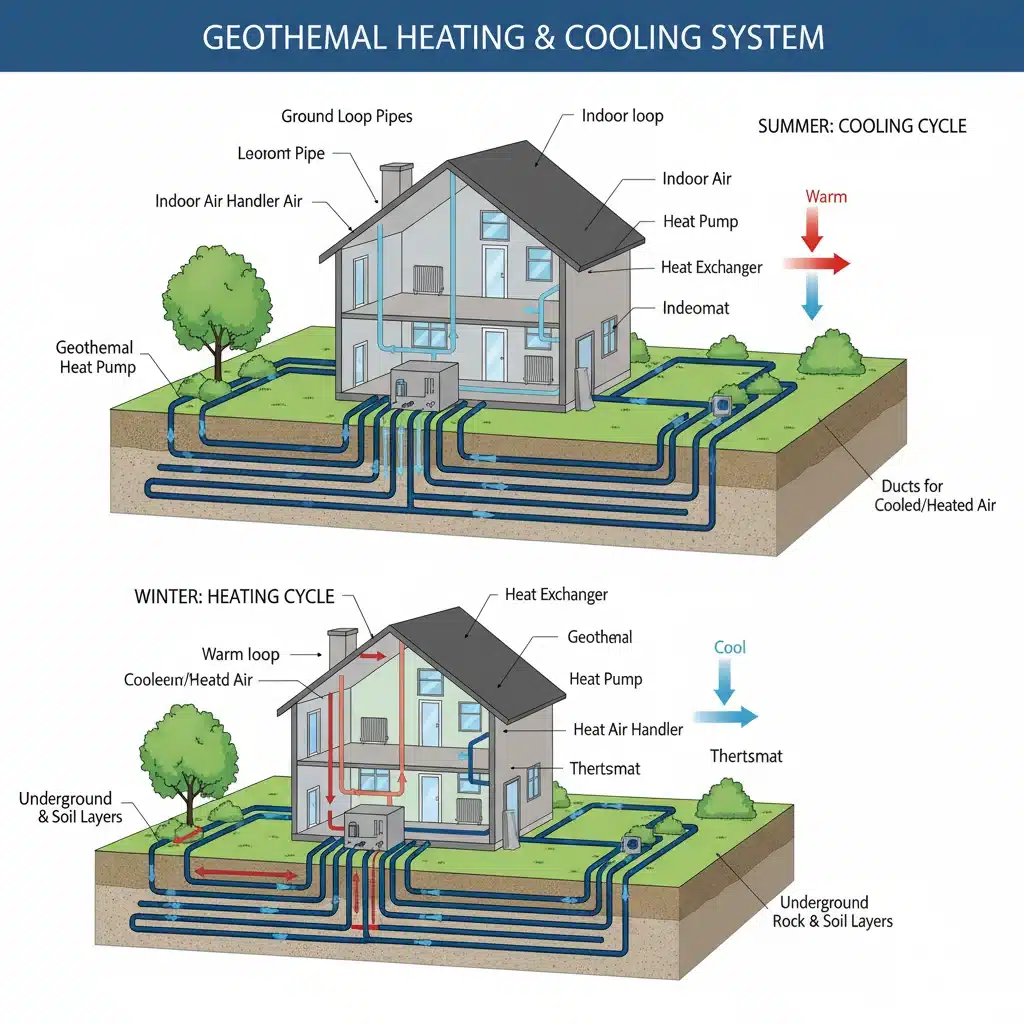
While less visible than solar panels, geothermal heating and cooling systems represent one of the most efficient and sustainable green home technologies available. These systems leverage the stable temperature of the earth a few feet below the surface to provide highly efficient heating and cooling for your home. Unlike air-source heat pumps that rely on fluctuating air temperatures, geothermal systems tap into a consistent heat source (or sink), making them incredibly effective in all climates.
The principle is simple: a network of underground pipes circulates a fluid that absorbs heat from the earth in winter and dissipates heat into the earth in summer. This energy is then transferred to or from your home via a heat pump. Because the earth’s temperature remains relatively constant year-round, geothermal systems operate with exceptional efficiency, requiring significantly less electricity than conventional HVAC systems to achieve the same level of comfort.
Advantages of Geothermal Systems:
- Exceptional Efficiency: Geothermal systems are often 3 to 6 times more efficient than traditional heating and cooling systems, leading to substantial energy savings.
- Lower Operating Costs: Despite a higher initial installation cost, operating costs are significantly lower, resulting in a faster return on investment.
- Long Lifespan: The underground components of a geothermal system can last for 50 years or more, while the indoor components typically last 20-25 years.
- Reduced Carbon Emissions: By using the earth’s natural energy, these systems dramatically lower your home’s carbon footprint.
- Quiet Operation: Geothermal systems are quieter than traditional HVAC units because the primary heat exchange occurs underground.
While the upfront cost for a geothermal system can be higher due to the excavation required for the ground loop, the long-term savings, durability, and environmental benefits position it as a premier choice among green home technologies for achieving significant energy reductions.
4. Advanced Home Insulation and Airtightness Solutions
Often overlooked in the excitement of high-tech gadgets, improved insulation and airtightness are foundational green home technologies that amplify the effectiveness of all other energy-saving measures. A well-insulated and airtight home minimizes heat loss in winter and heat gain in summer, reducing the workload on your heating and cooling systems. Even the most efficient solar panels or smart HVAC system will struggle to achieve optimal savings if your home is leaking conditioned air like a sieve.
Modern insulation materials offer superior thermal performance compared to older options. Spray foam insulation, for example, not only provides excellent R-value (a measure of thermal resistance) but also acts as an effective air barrier, sealing gaps and cracks that allow air leakage. Other advanced materials include rigid foam boards, cellulose insulation made from recycled paper, and mineral wool, all designed to create a tighter, more energy-efficient building envelope.
Key Aspects of Improved Insulation and Airtightness:
- High-Performance Insulation: Upgrading attic, wall, and floor insulation with modern materials significantly reduces heat transfer.
- Air Sealing: Sealing cracks and gaps around windows, doors, electrical outlets, and plumbing penetrations prevents conditioned air from escaping.
- Energy-Efficient Windows and Doors: Replacing old, single-pane windows with double or triple-pane, low-emissivity (low-E) windows dramatically improves thermal performance.
- Thermal Bridging Reduction: Addressing areas where heat can easily transfer through building materials (e.g., wall studs) further enhances efficiency.
- Professional Energy Audits: A professional audit can identify specific areas of heat loss and air leakage, guiding targeted improvements.
Investing in these fundamental green home technologies creates a more stable indoor environment, reduces drafts, and makes your home more comfortable year-round. Critically, it allows your heating and cooling systems to work less, directly contributing to substantial energy bill reductions and making your home truly future-proof.
5. Smart Appliances and Home Energy Management Systems (HEMS)
The rise of the Internet of Things (IoT) has brought forth a new category of green home technologies: smart appliances and comprehensive Home Energy Management Systems (HEMS). Smart appliances, such as refrigerators, washing machines, dishwashers, and water heaters, are designed to be more energy-efficient and offer intelligent features that optimize their operation. They can often be programmed to run during off-peak hours when electricity rates are lower, or they can communicate with your HEMS to make autonomous decisions based on energy availability and cost.
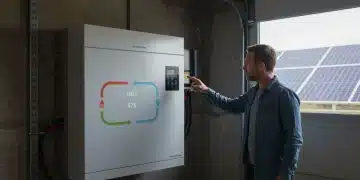
A HEMS acts as the central brain of your home’s energy ecosystem. It integrates data from your solar panels, smart thermostat, smart appliances, and even your utility provider to give you a holistic view of your energy consumption and production. More importantly, it can automate actions to maximize efficiency and savings. For example, a HEMS might automatically dim lights when natural light is abundant, adjust your thermostat based on occupancy sensors, or even prioritize charging your electric vehicle when solar production is high.
Benefits of Smart Appliances and HEMS:
- Optimized Energy Use: Appliances run at the most efficient times and settings, reducing overall consumption.
- Real-time Monitoring: Track energy usage of individual appliances and the entire home, identifying energy hogs.
- Automated Savings: HEMS can make intelligent decisions to save energy without requiring constant manual intervention.
- Demand Response Participation: Some HEMS can integrate with utility demand response programs, allowing you to earn credits for reducing energy use during peak demand periods.
- Convenience and Control: Manage all your smart devices and energy settings from a single interface, often via a smartphone app.
By intelligently managing the energy demands of your various home systems and appliances, smart appliances and HEMS play a crucial role in achieving the targeted 15% reduction in energy bills. They empower homeowners with unprecedented control and insight into their energy consumption, making sustainability an integral part of daily living and solidifying their place among essential green home technologies.
Integrating for Maximum Impact: The Synergy of Green Home Technologies
While each of these green home technologies offers significant benefits on its own, their true power is unleashed when they are integrated into a cohesive, intelligent system. Imagine a home where your solar panels generate clean electricity, which is then stored in a battery. Your smart HVAC system, guided by a HEMS, uses this stored energy to efficiently heat or cool only the occupied zones, while your smart appliances run during off-peak hours, drawing power either from your battery or the grid when rates are lowest. All of this operates within a highly insulated and airtight building envelope, minimizing any energy waste.
This holistic approach not only maximizes your energy savings, potentially far exceeding the 15% goal, but also creates a resilient, comfortable, and environmentally responsible living space. The synergy between these technologies transforms a house into a truly smart, sustainable home, ready to face the energy challenges of the future.
Getting Started: Your Path to a Greener Home by 2026
Embarking on the journey to integrate green home technologies might seem daunting, but it doesn’t have to be. Here’s a practical approach to get started:
- Conduct an Energy Audit: Start with a professional home energy audit. This will identify your home’s biggest energy inefficiencies and help prioritize which technologies will offer the greatest return on investment.
- Prioritize Insulation and Air Sealing: These foundational improvements often provide the quickest and most cost-effective savings, making subsequent technology investments more impactful.
- Research Incentives: Explore federal, state, and local incentives, rebates, and tax credits for green home technologies. These can significantly reduce the upfront costs.
- Phased Implementation: You don’t have to overhaul your entire home at once. Consider a phased approach, starting with one or two key technologies and gradually adding more.
- Consult Professionals: Work with reputable contractors and energy consultants who specialize in green building and renewable energy systems. They can provide expert advice and ensure proper installation.
Conclusion: A Sustainable Future, One Home at a Time
The goal of reducing your energy bills by 15% by 2026 is not just achievable; it’s a stepping stone towards a more sustainable and economically stable future for your home. By strategically adopting advanced solar PV systems, smart HVAC with zoning, geothermal heating and cooling, superior insulation, and integrated home energy management systems, you can transform your living space into an energy-efficient sanctuary. These green home technologies offer a powerful combination of environmental responsibility, financial savings, and enhanced comfort. The time to act is now. Embrace these innovations, contribute to a healthier planet, and enjoy the substantial benefits of a truly green home.