Grid-scale energy storage solutions reshaping energy access
Anúncios
Grid-scale energy storage solutions are essential for enhancing grid reliability, supporting renewable energy integration, and providing cost savings, although they face challenges such as high costs and regulatory hurdles.
Grid-scale energy storage solutions are increasingly vital for managing renewable energy effectively. Have you ever wondered how these systems could enhance energy reliability and sustainability?
Understanding grid-scale energy storage
Understanding grid-scale energy storage is essential for grasping how it supports renewable energy integration. These systems play a crucial role in balancing supply and demand, ensuring a reliable energy supply.
What is grid-scale energy storage?
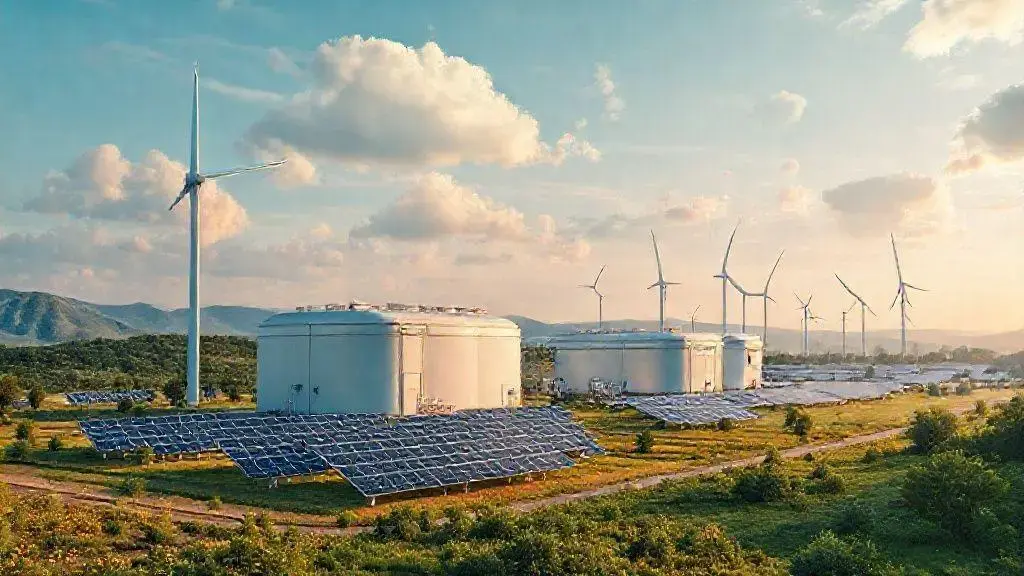
Grid-scale energy storage involves large systems that store energy generated from various sources, primarily renewables like wind and solar. This stored energy can be dispatched to the grid when needed, helping to maintain stability.
Types of storage technologies
There are several types of grid-scale energy storage technologies:
- Battery storage: Lithium-ion and flow batteries are popular for their efficiency.
- Pumped hydro storage: Water is pumped uphill during low demand and released to generate electricity when needed.
- Flywheels: These store energy in rotational motion, providing quick bursts of power.
- Compressed air energy storage: Air is compressed in underground caverns and released to generate electricity.
Each technology has its own strengths and weaknesses, but together they form a critical foundation for energy resilience.
One of the primary benefits of grid-scale energy storage is its ability to enhance grid reliability. By storing excess energy during low demand and delivering it during peak times, these systems mitigate fluctuations in energy supply. They also support the increased use of renewable energy, helping to reduce reliance on fossil fuels.
Challenges of grid-scale energy storage
Despite its benefits, grid-scale energy storage faces challenges. High costs and the need for technological advancements are significant barriers. Additionally, there is a demand for more suitable locations for installation, especially for solutions like pumped hydro.
The future of energy will likely rely more heavily on grid-scale energy storage to facilitate the transition to cleaner energy sources. Understanding its mechanisms and potential is vital for anyone interested in the energy sector.
Key technologies behind these solutions
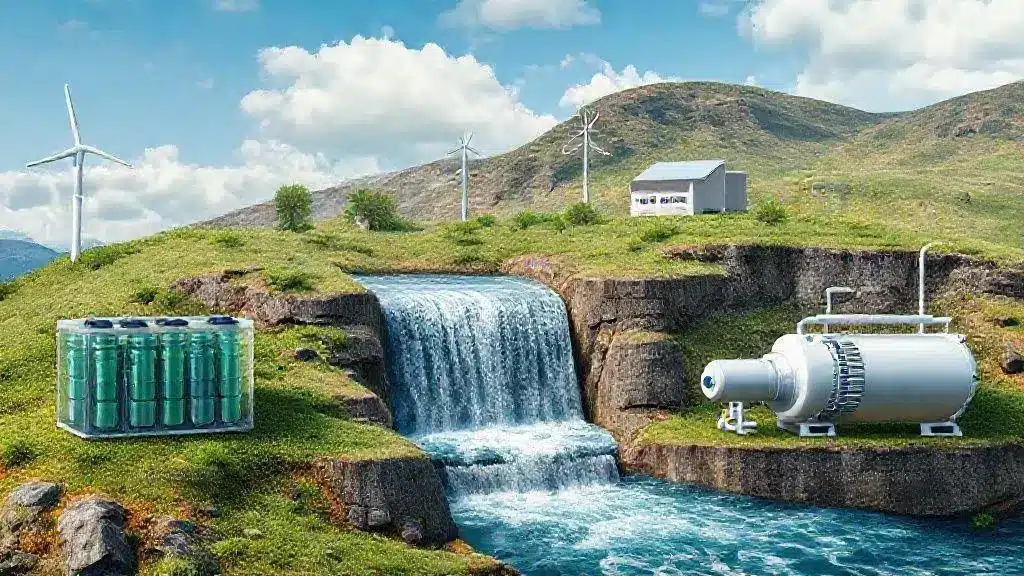
Many key technologies make up the world of grid-scale energy storage. Each plays a unique role in how we capture, store, and distribute energy efficiently. Understanding these technologies helps us appreciate their impact on our energy future.
Battery storage systems
Battery storage systems are among the most widely recognized technologies in energy storage. The most common types include lithium-ion and flow batteries. Lithium-ion batteries are popular for their high energy density and rapid response times. They are extensively used in electric vehicles and large-scale storage applications. On the other hand, flow batteries offer the advantage of scalability and longer discharge times, making them ideal for stationary storage solutions.
- Lithium-ion: High energy density, fast charging.
- Flow batteries: Scalable, long-duration storage.
- Sodium-sulfur batteries: High efficiency, high-temperature operation.
Each battery type presents advantages depending on the specific requirements of energy projects.
Pumped hydro storage
Pumped hydro storage is another vital technology in the field. It works by moving water between two reservoirs at different elevations. During low demand, excess energy is used to pump water uphill. When demand increases, the water is released to generate electricity. This method is reliable, highly efficient, and can store large amounts of energy.
Moreover, compressed air energy storage (CAES) utilizes sectors of underground caverns or tanks to store air. When energy is needed, the compressed air is heated and expanded to drive turbines. Such methods illustrate the versatility of energy storage technologies.
The future of energy storage also includes emerging technologies like hydrogen storage. This approach uses excess renewable energy to produce hydrogen, which can later be converted back into electricity. These advancements demonstrate the potential for innovation within the grid-scale energy storage landscape.
Benefits of grid-scale energy storage
The benefits of grid-scale energy storage are numerous and play a crucial role in the modern energy landscape. These systems help manage the balance between energy supply and demand, ensuring a stable and reliable grid for consumers and businesses.
Enhancing grid reliability
One of the primary advantages of grid-scale energy storage is the enhancement of grid reliability. By storing excess energy during periods of low demand, these systems can release energy when the demand peaks. This ability to balance supply helps prevent blackouts and maintain a steady energy flow.
Supporting renewable energy integration
Grid-scale energy storage also supports the increased integration of renewable energy sources like solar and wind. Since these sources are variable, energy storage can capture and store surplus energy generated on sunny or windy days. This reduces reliance on fossil fuel-based power plants and promotes a cleaner energy mix.
- Reduces greenhouse gas emissions: By enabling more renewable energy use, storage helps cut carbon emissions.
- Improves energy efficiency: Storing energy reduces waste, helping maximize the use of available resources.
- Provides flexibility: Energy storage systems can be deployed alongside different generation sources for maximum efficiency.
With increasing energy demands, having effective storage solutions becomes essential to ensure a smooth transition to a sustainable energy future.
Cost savings are another critical benefit of grid-scale energy storage. By reducing the need for expensive peak generation resources, these systems lower overall energy costs for consumers. Additionally, energy storage technologies can decrease the cost of infrastructure upgrades, minimizing investments needed for new power plants.
Challenges in implementing large-scale storage
Implementing large-scale energy storage systems brings various challenges that need to be addressed for effective integration into the energy grid. These challenges can slow down the adoption of grid-scale energy storage solutions.
High costs and investment
One significant challenge is the high initial costs required for large-scale energy storage systems. This encompasses the cost of technology, installation, and maintenance. Many organizations find it difficult to secure funding for these projects, which can lead to delays in deployment. In addition, securing financial incentives or subsidies from governments can be competitive and complicated.
Technological limitations
Technological limitations represent another hurdle. While various storage technologies exist, many are still in development phases or have not been widely adopted. For instance, flow batteries and other emerging technologies may not yet have proven their long-term viability or profitability. Educating the stakeholders about new technologies is crucial for overcoming this hurdle.
- Interoperability: Integrating different storage solutions with existing grid infrastructure can be complex.
- Scalability: Many technologies struggle to scale effectively to meet increasing energy demands.
- Performance: Energy storage systems must provide consistent performance under varying conditions.
In addition to costs and technology, regulatory hurdles are prevalent in many regions. This includes navigating various policies and regulations that vary by location. Each jurisdiction may have its own rules regarding energy storage deployment, which can complicate project planning and implementation.
Public perception is another challenge. Some communities are hesitant to embrace large-scale energy storage solutions due to concerns about environmental impacts and safety. Educating the public about the benefits of these systems is vital for building support.
In conclusion, grid-scale energy storage solutions are essential for a sustainable energy future. They bring numerous benefits, like enhancing grid reliability, enabling renewable energy integration, and providing cost savings. However, challenges still exist, including high costs, technological limitations, and regulatory hurdles that must be addressed. Overcoming these challenges will require collaboration among governments, industry stakeholders, and the public. As we move forward, embracing grid-scale energy storage will play a crucial role in transitioning to a cleaner, more efficient energy system.
FAQ – Frequently Asked Questions about grid-scale energy storage
What is grid-scale energy storage?
Grid-scale energy storage refers to large systems capable of storing energy from various sources for later use, helping to balance supply and demand.
What are the main benefits of grid-scale energy storage?
Benefits include enhanced grid reliability, increased integration of renewable energy, and reduced overall energy costs for consumers.
What are the challenges faced in implementing large-scale energy storage?
Challenges include high initial costs, technological limitations, regulatory hurdles, and the need for public acceptance.
How does grid-scale energy storage support renewable energy sources?
By storing excess energy produced during low demand periods, grid-scale storage solutions ensure reliable energy availability when renewable generation is low.