Heat Pump Systems 2025: Maximize Clean Energy Investment
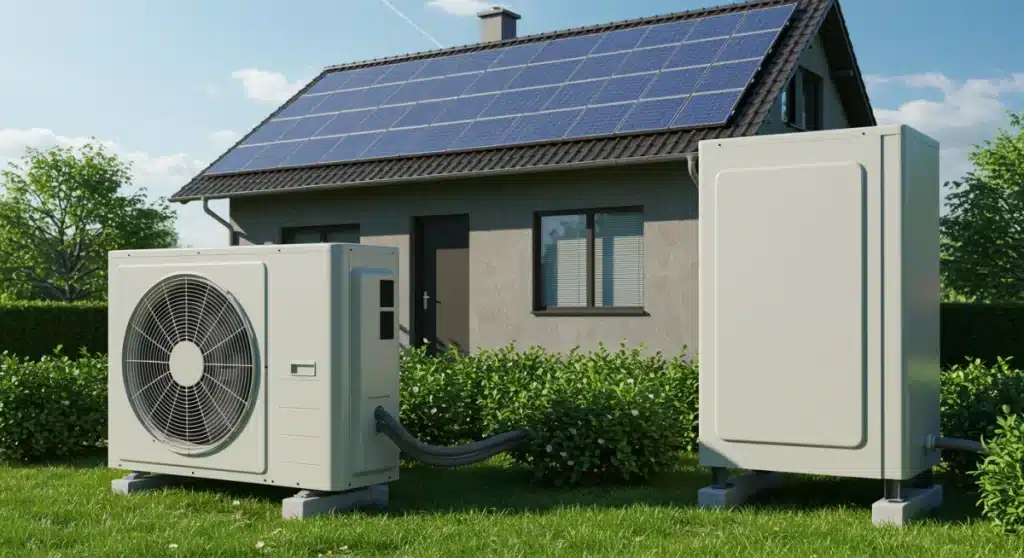
A data-driven analysis of three top heat pump systems 2025 reveals critical insights into their efficiency, operational costs, and environmental impacts, empowering homeowners to make informed decisions for maximizing their clean energy investment.
Choosing the right heating and cooling solution is more critical than ever, especially when aiming for sustainability and cost savings. This article delves into Maximizing Your Clean Energy Investment: A Data-Driven Comparison of 3 Top Heat Pump Systems for 2025, offering a comprehensive look at the leading technologies transforming home climate control.
Understanding the Heat Pump Revolution
Heat pumps have emerged as a cornerstone of modern clean energy strategies, offering an incredibly efficient alternative to traditional heating and cooling systems. Their ability to transfer heat rather than generate it makes them significantly more energy-efficient, translating to lower utility bills and a reduced carbon footprint. As we move into 2025, the technology continues to evolve, bringing even more sophisticated and accessible options to the market.
This section explores the fundamental principles behind heat pump operation and why they are gaining such widespread adoption. We will also touch upon the various types available, setting the stage for a detailed comparison of specific models.
How heat pumps work: the basics
At its core, a heat pump functions much like a refrigerator, but in reverse. It extracts heat from one location and moves it to another. In winter, it pulls heat from the outside air, ground, or water and transfers it indoors. In summer, it reverses the process, extracting heat from inside your home and releasing it outdoors, effectively cooling your space.
- Heat Transfer, Not Generation: This is the key to their efficiency, as moving heat requires less energy than creating it.
- Refrigerant Cycle: A closed loop of refrigerant absorbs and releases heat through evaporation and condensation.
- Year-Round Comfort: Provides both heating and cooling from a single system, simplifying home climate control.
The efficiency of a heat pump is often measured by its Coefficient of Performance (COP) for heating and Seasonal Energy Efficiency Ratio (SEER) for cooling. Higher values indicate greater energy efficiency and superior performance.
Why 2025 is a pivotal year for heat pumps
The year 2025 marks a significant point in the heat pump industry, driven by technological advancements, increased consumer awareness, and supportive government policies. New refrigerants, smarter controls, and enhanced cold-climate performance are making these systems viable for a broader range of climates and applications.
Furthermore, incentives and rebates at both federal and state levels are making heat pump installations more affordable than ever, accelerating their adoption across the United States. This convergence of factors positions heat pumps as a crucial component of any forward-thinking clean energy investment strategy for homeowners.
Understanding these foundational aspects is crucial before diving into the specifics of individual systems. The principles of heat transfer, efficiency metrics, and the current market landscape form the backdrop against which we evaluate the top contenders for 2025.
Criteria for Data-Driven Comparison
To provide a truly insightful and actionable comparison of heat pump systems for 2025, a robust set of criteria is essential. Our data-driven approach focuses on metrics that directly impact a homeowner’s investment, comfort, and environmental footprint. This ensures that our recommendations are not just based on popularity, but on tangible performance and value.
We’ve honed in on three primary pillars for evaluation: energy efficiency ratings, upfront and operational costs, and environmental impact. Each of these components offers a distinct lens through which to assess the overall value proposition of a heat pump system.
Energy efficiency ratings: SEER, HSPF, and COP
These ratings are the bedrock of heat pump performance evaluation. They quantify how effectively a system converts electrical energy into heating or cooling output. Understanding what each rating signifies is crucial for making an informed decision.
- SEER (Seasonal Energy Efficiency Ratio): Measures cooling efficiency over a typical cooling season. Higher SEER indicates greater efficiency.
- HSPF (Heating Seasonal Performance Factor): Quantifies heating efficiency over a typical heating season. A higher HSPF means better heating performance.
- COP (Coefficient of Performance): A ratio of useful heating/cooling output to energy input at a specific operating condition. It’s often used for ground-source heat pumps or to describe instantaneous efficiency.
For 2025, we are seeing systems push the boundaries of these ratings, with significant improvements in cold-climate performance. This means more homeowners, even in colder regions, can rely on heat pumps as their primary heating source.
Upfront and operational costs
The financial aspect of a heat pump investment extends beyond the initial purchase price. While upfront costs can be substantial, especially for ground-source systems, the long-term operational savings often justify the initial outlay. Our analysis considers both.
Breaking down the financial commitment
The initial investment includes the unit cost, installation fees, and any necessary ductwork modifications. These can vary widely based on the system type, brand, and local labor rates. However, it’s vital to factor in available tax credits, rebates, and incentives, which can significantly reduce the net upfront cost.
Operational costs primarily consist of electricity consumption. Due to their high efficiency, heat pumps typically lead to lower monthly utility bills compared to traditional furnaces or air conditioners. We also consider maintenance costs, which are generally low for modern heat pumps.
By examining these financial aspects comprehensively, homeowners can gain a clear picture of the total cost of ownership over the lifespan of the system, enabling them to maximize their clean energy investment effectively.
Environmental impact and sustainability
Beyond personal savings, the environmental benefits of heat pumps are a major driving force behind their adoption. By significantly reducing reliance on fossil fuels, heat pumps play a crucial role in lowering household carbon emissions.
Our comparison assesses each system’s environmental footprint, considering factors like refrigerant type (e.g., low Global Warming Potential refrigerants) and overall energy consumption. Choosing a highly efficient heat pump contributes directly to a more sustainable future and aligns with broader clean energy goals.
Top 3 Heat Pump Systems for 2025: A Deep Dive
As we navigate the landscape of clean energy solutions, three heat pump systems stand out for their innovation, efficiency, and overall value in 2025. Each offers distinct advantages, catering to different homeowner needs and regional climates. Our deep dive provides a data-driven perspective, moving beyond marketing claims to present tangible benefits.
We’ve selected these systems based on their performance metrics, technological advancements, market presence, and user reviews, ensuring a comprehensive evaluation for those looking to maximize their clean energy investment.
System 1: The ultra-efficient air-source marvel
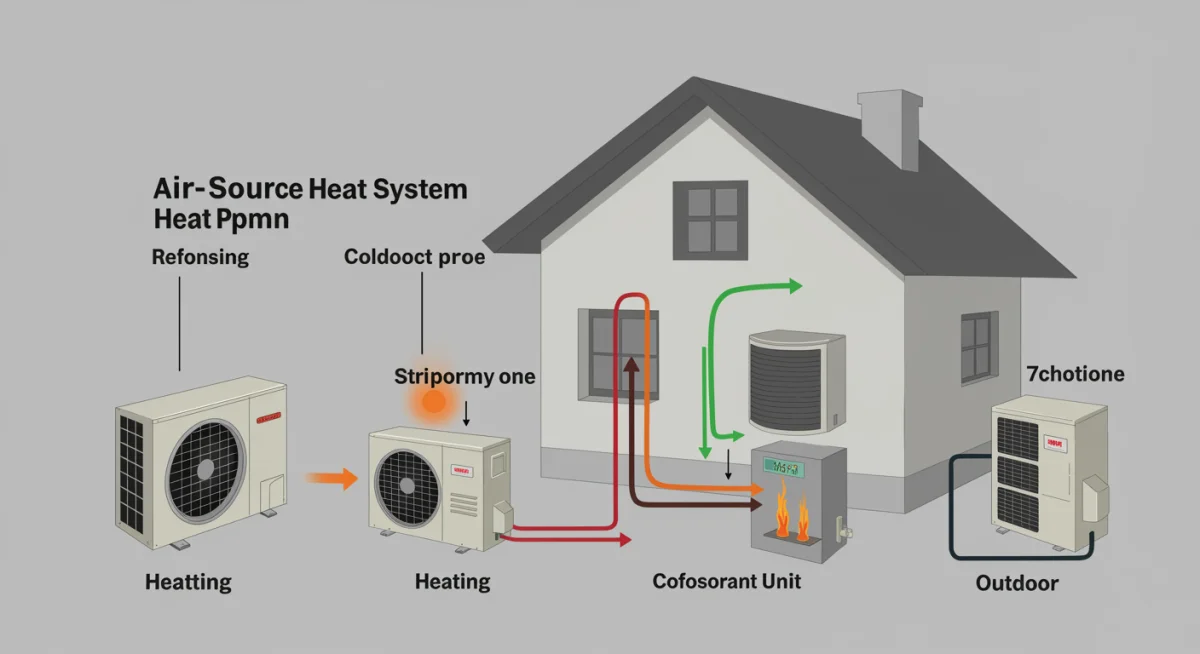
This leading air-source heat pump system represents the pinnacle of residential heating and cooling technology. Designed for broad applicability, it excels in both moderate and colder climates, making it a versatile choice for many American households.
Key features and performance data
Boasting an impressive SEER2 rating of up to 22 and an HSPF2 of 11, this system sets a new standard for energy efficiency. Its advanced inverter technology allows for precise temperature control and reduced energy consumption, adapting output to demand.
- Cold Climate Performance: Maintains significant heating capacity down to 0°F (-18°C), reducing reliance on auxiliary heat.
- Quiet Operation: Engineered for minimal noise levels, ensuring peaceful home environments.
- Smart Home Integration: Seamlessly connects with smart thermostats and home automation systems for optimized performance and remote control.
The system also utilizes a low GWP (Global Warming Potential) refrigerant, aligning with future environmental regulations and enhancing its sustainability profile.
From an investment perspective, while the upfront cost might be higher than some conventional systems, the long-term savings on utility bills and potential eligibility for significant rebates make it a financially attractive option. Its robust design also promises a longer lifespan and reduced maintenance needs.
System 2: The robust ground-source champion
For homeowners seeking the ultimate in efficiency and stability, the featured ground-source (geothermal) heat pump system for 2025 offers unparalleled performance. This system harnesses the stable temperatures of the earth, providing consistent and highly efficient heating and cooling, regardless of extreme outdoor air conditions.
Advantages of geothermal technology
Geothermal systems leverage underground loops filled with a heat-transfer fluid to exchange heat with the earth. This inherent advantage results in remarkably stable operating conditions and superior efficiency compared to air-source counterparts.
- Highest Efficiency: COPs typically range from 3.0 to 5.0, meaning for every unit of electricity consumed, 3 to 5 units of heat are delivered.
- Longevity: Underground loop fields can last 50+ years, while indoor components typically last 20-25 years.
- Reduced Noise: With the primary heat exchange occurring underground, these systems are exceptionally quiet.
The initial installation cost for a ground-source system is considerably higher due to the excavation and loop field installation. However, federal tax credits (currently 30%) and state incentives can significantly offset this. The operational savings are also the most substantial, often leading to the lowest long-term cost of ownership among all heat pump types.
Its minimal environmental impact, derived from its exceptional efficiency and reduced electricity demand, makes it an ideal choice for those prioritizing sustainability and long-term clean energy investment.
System 3: The innovative ductless mini-split solution
The third system in our comparison highlights the flexibility and efficiency of ductless mini-split heat pumps. Ideal for homes without existing ductwork, additions, or for creating zoned heating and cooling, this system offers targeted comfort and energy savings.
Flexibility meets efficiency
Ductless mini-splits consist of an outdoor unit connected to one or more indoor units, each controlling a specific zone. This allows for customized temperature settings in different rooms, preventing energy waste in unoccupied areas.
- Zoned Comfort: Each indoor unit can be controlled independently, maximizing comfort and energy savings.
- Easy Installation: Requires no ductwork, simplifying installation and reducing disruption.
- High Efficiency: Many models offer SEER ratings upwards of 20 and HSPF ratings above 10, delivering excellent performance.
While individual units may have lower overall capacity than a central system, the ability to selectively heat or cool zones often results in significant energy savings. The upfront cost for a multi-zone mini-split system can be comparable to or less than a central ducted system, especially when considering the lack of duct modifications.
This system is particularly appealing for older homes, renovations, or those looking to expand their living space without extending existing HVAC infrastructure. Its adaptability and efficient localized control make it a smart clean energy investment for specific applications.
Data-Driven Performance Analysis
Moving beyond individual descriptions, a comparative data analysis of these three top heat pump systems for 2025 reveals their distinct advantages and ideal applications. Understanding their performance across various metrics is crucial for making an informed decision that aligns with your clean energy investment goals.
Our analysis synthesizes efficiency ratings, cost projections, and environmental benefits, providing a clear picture of what each system offers in a real-world context. This section aims to equip homeowners with the quantitative data needed to weigh their options effectively.
Side-by-side efficiency comparison
When comparing the ultra-efficient air-source, ground-source, and ductless mini-split systems, efficiency ratings are paramount. The ground-source system consistently leads in COP, reflecting its stable operating conditions. However, the latest air-source and mini-split models have significantly closed the gap, especially in moderate climates.
For SEER2 and HSPF2, the ultra-efficient air-source system often boasts the highest numbers among air-based options, making it a strong contender for overall seasonal performance. Ductless mini-splits offer comparable efficiency per zone, which can translate to higher overall home efficiency through zoned heating and cooling.
The choice often hinges on climate and existing home infrastructure. In colder regions, the ground-source system’s consistent performance is invaluable. In areas with mild winters, a high-efficiency air-source or mini-split might offer a better cost-to-efficiency ratio.
Cost-benefit analysis: long-term savings
The long-term financial benefits of a heat pump system are a critical component of any clean energy investment. While ground-source systems have the highest upfront cost, their superior efficiency and longevity often result in the lowest lifecycle costs.
The ultra-efficient air-source system provides a strong balance of reasonable upfront cost and substantial operational savings, making it a popular choice. Ductless mini-splits, while potentially requiring multiple units for a whole home, offer flexibility and zoned savings that can add up over time.
It’s crucial to factor in available incentives. Federal tax credits, state rebates, and local utility programs can significantly alter the cost-benefit equation, sometimes making the most expensive system (like geothermal) the most affordable in the long run after incentives.
Environmental footprint assessment
All three systems contribute positively to reducing a home’s carbon footprint compared to traditional fossil fuel systems. However, their specific impacts vary.
- Ground-Source: Generally has the lowest operational carbon emissions due to its highest efficiency and minimal reliance on auxiliary heat.
- Air-Source: Offers significant emissions reductions, especially with the use of low GWP refrigerants and when paired with renewable electricity sources.
- Ductless Mini-Split: Reduces emissions through high efficiency and the ability to heat/cool only occupied zones, optimizing energy use.
The transition to cleaner refrigerants across all types of heat pumps further enhances their environmental performance, aligning with global efforts to combat climate change. Choosing any of these systems represents a step towards a more sustainable future, but understanding their nuances allows for an even more impactful clean energy investment.
Installation and Maintenance Considerations
The journey to maximizing your clean energy investment with a heat pump doesn’t end with choosing the right system. Proper installation and diligent maintenance are equally crucial for ensuring optimal performance, longevity, and continued energy savings. These practical considerations can significantly influence the overall satisfaction and return on your investment.
Understanding the nuances of installation requirements and routine maintenance for each type of system will help homeowners prepare financially and logistically for their heat pump journey.
Installation complexities and timelines
Each heat pump type presents unique installation challenges and timelines:
- Air-Source Heat Pumps: Generally the least complex to install, especially if replacing an existing central AC unit. Installation typically involves placing an outdoor unit, an indoor coil, and connecting to existing ductwork. Timelines can range from 1-3 days.
- Ground-Source Heat Pumps: The most complex due to the need for ground loop installation. This involves extensive excavation (horizontal loops) or drilling (vertical loops). Installation can take anywhere from 1-3 weeks, depending on the loop field size and ground conditions.
- Ductless Mini-Splits: Relatively straightforward. Requires mounting indoor units, an outdoor unit, and connecting them via a small conduit through a wall. Installation for a single-zone system can be done in a day, while multi-zone systems might take 2-3 days.
Choosing a certified and experienced installer is paramount for all systems, especially for ground-source, to ensure correct sizing, proper refrigerant handling, and efficient operation. Poor installation can negate many of the efficiency benefits.
Routine maintenance and longevity
Regular maintenance is key to extending the life of your heat pump and maintaining its efficiency. While heat pumps are generally low-maintenance, a few routine tasks are essential.
Ensuring peak performance through care
For all heat pump types, annual professional servicing is highly recommended. This typically includes:
- Filter Replacement/Cleaning: Crucial for maintaining airflow and indoor air quality.
- Coil Cleaning: Ensures efficient heat exchange; dirty coils reduce performance.
- Refrigerant Level Check: Proper refrigerant charge is vital for efficiency.
- Electrical Component Inspection: Checks for wear and tear in wiring and connections.
For air-source and ductless systems, keeping the outdoor unit clear of debris, leaves, and snow is also important. Ground-source systems require less homeowner intervention due to their underground components, but professional checks remain important for the indoor unit.
With proper maintenance, air-source and ductless heat pumps can last 15-20 years, while the indoor components of ground-source systems typically last 20-25 years, with the underground loops lasting 50+ years. This longevity further enhances their value as a clean energy investment.
Incentives and Rebates for 2025
For homeowners in the United States, 2025 presents a compelling landscape of financial incentives designed to make the transition to clean energy technologies, particularly heat pumps, more accessible and affordable. These programs are crucial for maximizing your clean energy investment, often significantly reducing the upfront cost and accelerating the payback period.
Understanding the available federal, state, and local incentives is a vital step in planning your heat pump installation. These opportunities can transform a significant initial outlay into a highly cost-effective upgrade.
Federal tax credits: the Inflation Reduction Act
The Inflation Reduction Act (IRA) of 2022 offers substantial federal tax credits for homeowners installing energy-efficient home improvements, including heat pumps. For 2025, these credits remain a cornerstone of federal support.
Unlocking federal savings
Homeowners can claim a tax credit of 30% of the cost of eligible heat pump systems, up to a maximum of $2,000. This credit applies to both air-source and ground-source heat pumps that meet specific energy efficiency requirements. It’s important to note that this is a non-refundable tax credit, meaning it can reduce your tax liability but won’t result in a refund beyond what you owe.
- Eligibility: Must be an existing home and your principal residence. New construction is generally not eligible for this specific credit, but other builder incentives may apply.
- System Requirements: Heat pumps must meet specific CEE (Consortium for Energy Efficiency) tiers for efficiency.
- Annual Limit: The $2,000 limit is an annual cap, potentially allowing homeowners to claim credits for other energy efficiency upgrades in different years.
This federal incentive significantly lowers the barrier to entry for high-efficiency heat pump systems, making advanced models far more attainable for the average homeowner.
State and local programs: expanding your savings
Beyond federal support, many states, municipalities, and even local utility companies offer their own incentive programs for heat pump installations. These can include additional rebates, grants, or low-interest financing options.
These local programs often target specific regional needs or promote certain types of clean energy technologies. For example, states with colder climates might offer enhanced rebates for cold-climate air-source heat pumps, while others might focus on broader geothermal adoption.
It is highly recommended for homeowners to research programs available in their specific location. Websites like the DSIRE (Database of State Incentives for Renewables & Efficiency) are excellent resources for finding comprehensive information on federal, state, and local incentives. Combining these various programs can lead to substantial reductions in the net cost of a heat pump system, truly maximizing your clean energy investment.
Making the Right Choice for Your Home
Selecting the ideal heat pump system for your home in 2025 is a decision that balances efficiency, cost, and personal needs. With the data-driven insights provided, homeowners are better equipped to navigate the options and make a choice that maximizes their clean energy investment for years to come.
The right choice isn’t just about the highest efficiency rating; it’s about finding the system that best fits your climate, home structure, budget, and long-term sustainability goals. This final section provides guidance on how to synthesize all the information and confidently move forward.
Assessing your specific needs
Before committing to a system, consider these factors:
- Climate: If you live in a region with extremely cold winters, a ground-source heat pump or a high-performance cold-climate air-source model might be ideal. For milder climates, a standard air-source or mini-split may suffice.
- Home Layout and Ductwork: Existing ductwork can make a central air-source system a straightforward choice. Homes without ducts or with specific zoning needs might benefit more from ductless mini-splits.
- Budget: While long-term savings are significant, your initial budget will influence whether a higher upfront cost geothermal system is feasible, even with incentives.
Consulting with multiple qualified HVAC contractors is a crucial step. They can perform a detailed home energy assessment, accurately size the system, and provide tailored recommendations based on your unique circumstances. This personalized approach ensures that the chosen system will perform optimally for your specific home.
Future-proofing your investment
Investing in a heat pump system in 2025 is not just about current savings; it’s about future-proofing your home against rising energy costs and contributing to a sustainable future. Modern heat pumps are designed with longevity and adaptability in mind.
Consider systems that are compatible with smart home technologies for enhanced control and energy management. Also, look for models that use environmentally friendly refrigerants, anticipating future regulations and ensuring your system remains sustainable for its entire lifespan.
By carefully evaluating your needs, leveraging available incentives, and partnering with experienced professionals, you can confidently make a clean energy investment that delivers comfort, savings, and environmental benefits for decades. The future of home climate control is efficient, electric, and within your reach.
| Key Aspect | Brief Description |
|---|---|
| Efficiency Metrics | SEER, HSPF, and COP ratings define system performance; higher numbers mean greater energy savings. |
| Cost Considerations | Analyze upfront installation costs against long-term operational savings and available incentives. |
| System Types | Air-source, ground-source, and ductless mini-splits each offer unique benefits for different home needs. |
| Incentives | Federal tax credits and state/local rebates significantly reduce net costs, enhancing investment value. |
Frequently Asked Questions About Heat Pumps
Air-source and ductless mini-split heat pumps typically last 15-20 years with proper maintenance. Ground-source heat pumps have indoor components lasting 20-25 years, while their underground loops can last 50 years or more, offering exceptional longevity.
Modern cold-climate air-source heat pumps are highly effective, retaining significant heating capacity even below 0°F (-18°C). Ground-source heat pumps, by contrast, are consistently efficient regardless of ambient air temperature due to stable ground temperatures.
Savings vary based on current heating/cooling costs, local electricity rates, and system efficiency. Many homeowners report 30-70% savings compared to traditional systems, with ground-source often leading to the highest reductions due to superior efficiency.
The federal Inflation Reduction Act offers a 30% tax credit (up to $2,000) for eligible heat pumps. Additionally, many states, local municipalities, and utility companies provide their own rebates, grants, or financing options. Check local resources for specific programs.
Yes, heat pumps offer substantial benefits. They significantly reduce carbon emissions, lower energy bills, and provide year-round comfort. Coupled with increasing efficiency and available incentives, they represent a smart, sustainable investment for any homeowner.
Conclusion
The journey to Maximizing Your Clean Energy Investment: A Data-Driven Comparison of 3 Top Heat Pump Systems for 2025 reveals a clear path towards sustainable and cost-effective home climate control. Whether opting for the versatile air-source, the ultra-efficient ground-source, or the flexible ductless mini-split, each system offers compelling advantages tailored to diverse needs. By leveraging detailed performance data, understanding the true cost of ownership, and capitalizing on the robust landscape of federal and local incentives, homeowners are empowered to make choices that not only enhance their comfort but also significantly reduce their environmental footprint. The future of home energy is here, and it’s efficient, clean, and financially rewarding.