Home energy conservation methods to save you money
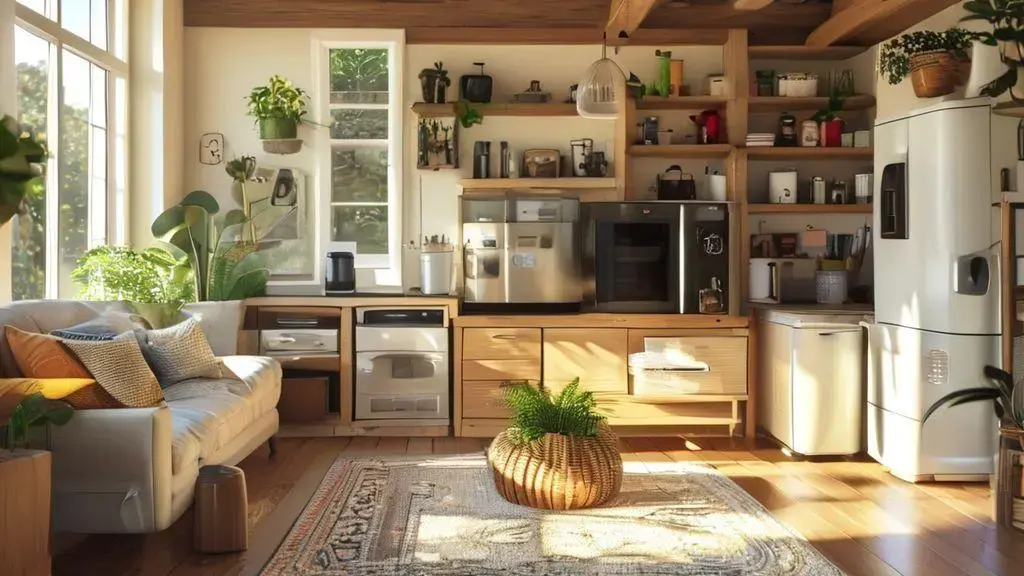
Home energy conservation methods, such as using energy-efficient appliances and optimizing heating, can significantly lower utility bills while reducing environmental impact and enhancing indoor comfort.
Home energy conservation methods are essential for anyone looking to save money on utility bills. So, have you ever wondered how small changes can lead to big savings? Let’s dive into some practical solutions.
Understanding home energy conservation
Understanding home energy conservation can significantly impact both your environment and your wallet. By making informed choices regarding energy use, you can help decrease waste and save money.
What is Home Energy Conservation?
Home energy conservation involves the strategies and practices you adopt to use less energy in your household. Implementing these methods not only lowers your bills but also reduces your carbon footprint.
Key Benefits of Energy Conservation
There are numerous advantages to conserving energy at home, including:
- Lower utility bills that free up funds for other expenses
- Increased comfort levels in your living space
- Environmental benefits, reducing greenhouse gas emissions
- Prolonged lifespan of appliances through less strain
Simple changes can lead to significant savings. For instance, switching to energy-efficient light bulbs can decrease your energy consumption without sacrificing light quality. Additionally, proper insulation can keep your home cooler in summer and warmer in winter.
It’s also helpful to perform regular energy audits. An energy audit assesses how much energy your home uses and identifies opportunities for savings. You can often arrange this through local utility services, and they might even offer incentives for improvements.
Practical Steps to Save Energy
There are countless ways to enhance energy efficiency in your home. Start by:
- Sealing cracks and gaps around doors and windows to prevent drafts
- Using smart thermostats to optimize heating and cooling schedules
- Unplugging devices when not in use to avoid phantom energy loss
By taking these steps, you can create a more energy-efficient home while benefiting from reduced utility costs.
Simple methods to reduce energy consumption

Reducing energy consumption doesn’t have to be complicated. By adopting simple methods, you can make a significant difference in your energy bills and the environment.
Easy Changes to Implement
First, consider adjusting your daily habits. Simple actions can lead to lower energy usage. For example, turning off lights when you leave a room is a quick win. Another handy tip is to unplug electronics that aren’t in use, as they can still draw power.
Embrace Energy-Efficient Products
Switching to energy-efficient appliances is also crucial. Look for products with the ENERGY STAR label, which indicates they meet energy efficiency guidelines. These appliances often use less energy to perform the same tasks compared to standard models.
- Energy-efficient light bulbs use 75% less energy
- Smart power strips can help reduce standby power
- Low-flow showerheads reduce hot water consumption
Another method is to monitor your usage with a smart meter. These devices provide real-time data on your energy consumption, making it easier to identify areas where you can cut back.
Additionally, consider the temperature settings in your home. Setting your thermostat a few degrees lower in winter and higher in summer can lead to substantial savings without compromising comfort.
Behavior and Lifestyle Changes
Behavior plays a significant role in energy consumption. For instance, try to use natural light during the day. Open blinds and curtains to let the sunshine in instead of turning on lights. Also, if your household is cool enough, consider wearing warmer clothing in winter, reducing the need for heating.
When it comes to cooking, adjust to using lids on pots and pans. This simple technique can help your food cook faster, which in turn saves energy.
By making these simple adjustments, you’ll not only reduce your energy consumption but also contribute positively to the environment.
The role of technology in energy efficiency
The role of technology in energy efficiency is becoming increasingly important in today’s world. With advances in various tech fields, homeowners have more tools at their disposal to save energy and reduce costs.
Smart Home Devices
One significant area where technology shines is in smart home devices. These devices allow you to control various aspects of your home remotely, helping you to use energy more efficiently. For instance, smart thermostats can learn your routines and adjust heating and cooling accordingly, saving energy when you’re not home.
Another example is smart lighting systems. These can be programmed to turn off when no one is in the room or to adjust their brightness based on the time of day, thereby conserving electricity.
Energy Monitoring Systems
Additionally, energy monitoring systems give you insights into your energy usage. These systems track how much electricity your home consumes and can identify which appliances use the most energy. By pinpointing these areas, you can make informed choices about where to cut back.
- Identify patterns in energy use
- Receive alerts about unusual consumption
- Access usage data via smartphone or computer
Knowing which appliances are energy hogs allows you to prioritize replacing them with more efficient models. This way, you can significantly lower your energy bills over time without sacrificing comfort.
Furthermore, renewable energy technologies, such as solar panels, allow homeowners to produce their own energy. Investing in solar power can decrease reliance on traditional power grids and often results in long-term savings.
From energy-efficient appliances to innovative solutions like energy storage systems, technology plays a defining role in improving home energy efficiency. By embracing these advancements, you contribute positively to environmental sustainability while enjoying the financial benefits.
Benefits of implementing energy conservation

The benefits of implementing energy conservation practices are vast and impactful. These methods not only help you save money but also contribute positively to our planet.
Cost Savings
First and foremost, one of the most appealing benefits is the reduction in energy bills. When you consume less energy, your utility costs decrease. Simple measures like optimizing heating and cooling systems or switching to energy-efficient appliances can lead to significant savings over time.
Environmental Impact
Energy conservation also plays a vital role in environmental protection. By using less energy, we reduce the demand on power plants, which often rely on fossil fuels. This decrease in consumption leads to lower greenhouse gas emissions and a smaller carbon footprint. Every small change contributes to a cleaner atmosphere.
- Reduce air pollution from power plants
- Conserve natural resources like coal and natural gas
- Promote sustainability for future generations
In addition to environmental benefits, energy conservation enhances energy reliability. By reducing the overall demand for energy, we can lessen the strain on the power grid. This is particularly important during peak usage times when demand skyrockets.
Furthermore, conserving energy can increase the comfort of your home. By optimizing insulation and sealing drafty windows, your home maintains a more consistent temperature, making it more enjoyable regardless of the season.
Improved Health
There are also health benefits associated with energy conservation. Energy-efficient homes typically have better indoor air quality. By improving ventilation and reducing reliance on less eco-friendly heating systems, families enjoy healthier living conditions.
Implementing energy conservation practices presents a wealth of benefits that extend beyond just financial savings. From environmental protection to improving overall health and comfort, these practices create a positive impact on our communities and the world.
FAQ – Common Questions about Energy Conservation Benefits
What are the primary benefits of energy conservation?
The primary benefits include lower energy bills, reduced environmental impact, improved indoor air quality, and enhanced comfort in your home.
How can I start conserving energy at home?
You can start by making simple changes like switching to energy-efficient appliances, sealing drafts, and adjusting your thermostat settings.
Does energy conservation really help the environment?
Yes, conserving energy reduces greenhouse gas emissions and minimizes the demand for non-renewable resources, making a positive impact on the environment.
Are there any financial incentives for implementing energy conservation practices?
Many utility companies offer rebates and incentives for energy-efficient upgrades, which can help offset the initial costs of implementing these changes.