Industrial energy consumption review: what you need to know
Anúncios
Future trends in industrial energy usage focus on automation, renewable energy integration, data-driven decision-making, and employee engagement to enhance efficiency and sustainability in operations.
The industrial energy consumption review reveals important insights into how industries can improve their efficiency. Ever wondered what steps can lead to lower bills and better sustainability? Let’s dive into the details.
Understanding industrial energy consumption
Understanding industrial energy consumption is crucial for improving efficiency and sustainability in today’s competitive market. Every industry relies on energy to operate, and managing this consumption effectively can lead to significant savings and reduced environmental impact. Let’s explore the key elements that contribute to energy use in industrial settings.
What is Industrial Energy Consumption?
Industrial energy consumption refers to the amount of energy used by various industries to produce goods and services. This energy includes electricity, natural gas, and other fuel sources. By understanding how energy consumption is measured, industries can implement strategies to optimize usage.
Key Factors Affecting Energy Consumption
Several factors influence how much energy industries consume:
- Type of equipment used
- Production processes
- Employee training and awareness
- Energy management systems in place
Let’s consider the equipment used. Newer, more efficient machinery can drastically reduce energy demands compared to older models. Furthermore, regular maintenance ensures that machines operate at peak efficiency, minimizing unnecessary energy waste.
Another crucial aspect is employee training. Raising awareness about energy-saving practices can lead to better habits in the workplace. For example, educating workers on turning off equipment when not in use can lead to noticeable reductions in energy costs.
Moreover, implementing an energy management system helps monitor and control energy use. This system can highlight areas where energy is wasted and help create targeted action plans to address these inefficiencies. Such systems can empower industries to make informed decisions that lead to substantial energy savings.
Benefits of Reducing Energy Consumption
Reducing energy consumption is not only beneficial for the environment but also for a company’s bottom line. Some advantages include:
- Lower operating costs
- Improved public image
- Compliance with regulations
- Increased competitiveness
As industries strive to enhance their operational efficiency, the focus on energy consumption becomes more vital. Companies that invest in energy-efficient practices often find themselves ahead of competitors, attracting clients who value sustainability.
Key factors affecting energy efficiency
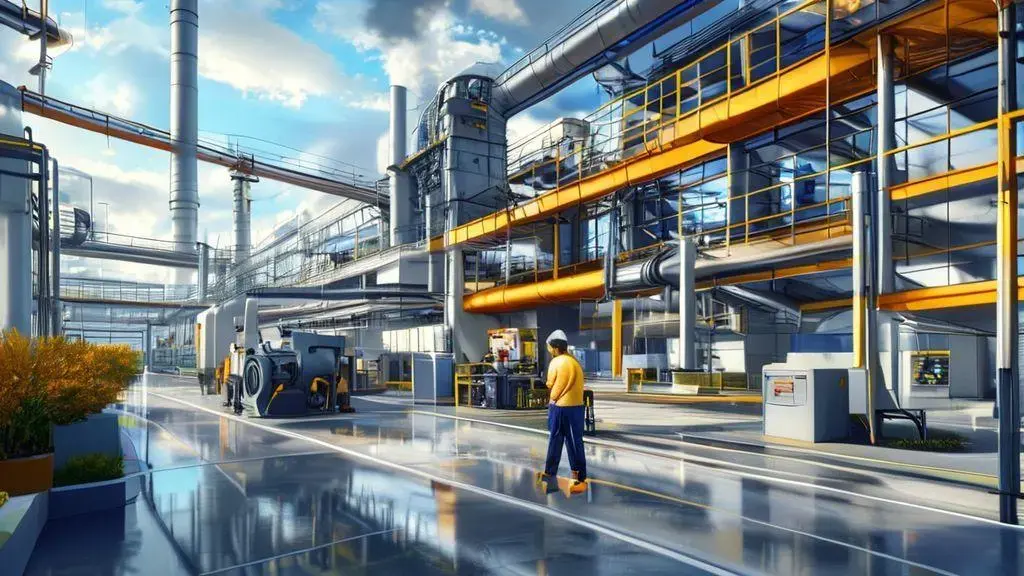
Many factors play a role in determining energy efficiency in industrial settings. When industries understand these factors, they can take actionable steps to improve their energy use. Let’s explore some key aspects that significantly impact efficiency.
Equipment and Technology
The type of equipment used in production is crucial. More modern machines often have enhanced energy-saving features that can lead to lower consumption. Regular maintenance keeps these machines operating optimally, reducing energy waste.
Operational Practices
How staff operates equipment also affects energy efficiency. Training employees on best practices can lead to reduced energy usage. Simple actions, like shutting down machines when they are not in use, can create significant energy savings over time.
- Implementing energy-saving protocols
- Monitoring machinery performance
- Scheduling equipment downtime
- Encouraging energy awareness among employees
Additionally, operational practices like efficient scheduling can minimize the time that systems run without producing. For instance, aligning production schedules with energy demand can help in reducing costs and improving efficiency.
Building Design and Insulation
The design of a facility plays a significant role in energy efficiency. Proper insulation can reduce heating and cooling needs. Moreover, strategically placed windows can utilize natural light, decreasing reliance on electric lighting.
Enhancements like installing energy-efficient lighting can lead to notable reductions in energy consumption. Industries should also consider retrofitting older facilities with modern, energy-efficient systems to maximize energy use.
Energy Management Systems
Finally, integrating an energy management system \(EMS\) allows for better monitoring and control over energy consumption. These systems provide insights that help industries identify high consumption areas and optimize performance. By analyzing energy data, companies can set goals for reduction and track their progress toward achieving them.
Innovative strategies for energy reduction
Implementing innovative strategies for energy reduction can lead to significant improvements in both energy efficiency and cost savings for industries. By exploring contemporary approaches, businesses can become leaders in sustainability.
Technological Advancements
New technologies can offer groundbreaking solutions. For example, smart sensors are increasingly used to monitor energy consumption in real-time. These sensors can detect patterns and identify areas where energy use is excessive, allowing for timely interventions.
Renewable Energy Sources
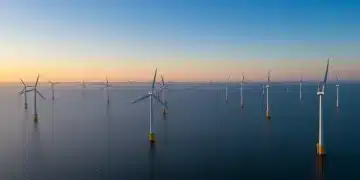
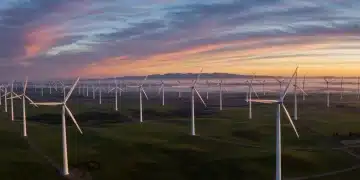
Another effective strategy is the integration of renewable energy sources such as solar or wind power. By investing in on-site renewable energy systems, industries can reduce their reliance on traditional energy sources and lower their operational costs.
- Installing solar panels on facility rooftops
- Utilizing wind turbines for energy generation
- Implementing geothermal heating and cooling systems
- Participating in community renewable energy projects
Moreover, industries can explore options for energy storage systems, which work hand-in-hand with renewable sources. This allows businesses to store excess energy generated during peak production times for use later, resulting in stable energy costs.
Energy Audits and Assessments
Conducting regular energy audits can reveal significant energy-saving opportunities. These assessments help identify inefficiencies in processes and equipment usage. When companies understand their energy footprint, they can target areas that need improvement.
For instance, retrofitting outdated machinery can create a more energy-efficient environment. This may also include upgrading insulation or optimizing lighting systems to use LED technology, which consumes less power than traditional bulbs.
Employee Engagement Programs
Employees play a vital role in energy efficiency. By creating engagement programs, industries can foster a culture of energy awareness. Simple actions like turning off lights or shutting down computers during off-hours can lead to significant savings.
Incorporating gamification into energy-saving initiatives can further motivate staff. Incentives for departments that achieve the most significant reductions in energy consumption can create a friendly competition that saves money and energy.
Future trends in industrial energy usage
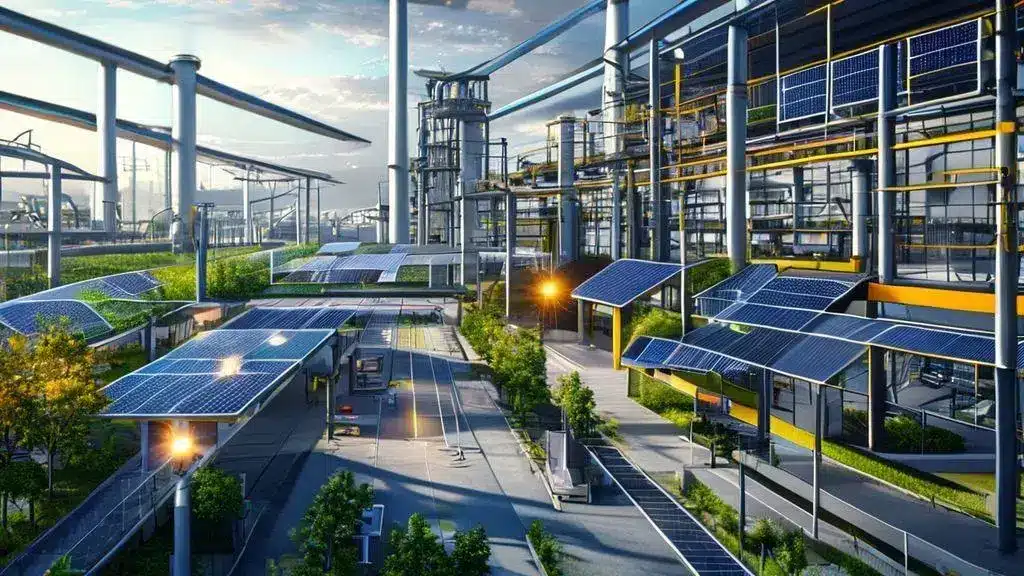
Future trends in industrial energy usage are shaping how industries operate in a more efficient and sustainable manner. As technology advances, innovations are revealing new possibilities for reducing energy consumption and minimizing environmental impact.
Increased Automation and Smart Technologies
One prominent trend is the integration of automation and smart technologies. Factories are leveraging Internet of Things (IoT) devices that can collect and analyze data in real-time. This capability allows industries to optimize their energy use based on demand patterns.
Decentralized Energy Production
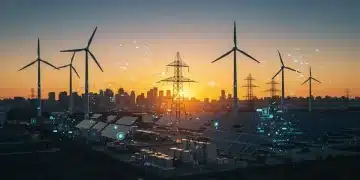
Another trend is the rise of decentralized energy production. With the growth of solar panels and wind turbines, more industries are producing their own energy. This not only reduces reliance on grids but also aids in achieving sustainability goals.
- Implementation of microgrids
- Battery storage systems for renewable energy
- Local energy trading among industries
- Partnerships with renewable energy providers
These decentralized systems empower industries to control their energy costs. Companies can store energy during low-demand periods and utilize it during peak times, stabilizing energy prices.
Focus on Sustainability Practices
As environmental regulations become stricter, industries are prioritizing sustainability practices. This includes adopting circular economy principles, where waste is minimized, and resources are reused whenever possible. More companies are also pursuing certifications for energy management systems.
The use of renewable energy sources, such as biomass and geothermal energy, is on the rise. These sources are not only sustainable but can also provide cost savings over time. Companies that align with green practices are likely to enhance their reputations and attract environmentally conscious customers.
Data-Driven Decision Making
With the availability of big data and advanced analytics, industries are turning to data-driven decision-making. Analyzing energy consumption data helps companies identify inefficiencies and potential improvements. Energy dashboards that visualize real-time consumption allow for quick adjustments and better planning.
This trend fosters continuous improvement as industries aim to balance productivity with energy efficiency. By understanding their energy profiles, companies can implement targeted strategies that lead to long-term gains.
FAQ – Frequently Asked Questions about Future Trends in Industrial Energy Usage
What are the benefits of automation in energy management?
Automation helps industries optimize energy consumption, reduce waste, and improve operational efficiency.
How can renewable energy sources impact industrial energy usage?
Integrating renewable energy like solar and wind can lower operational costs and reduce dependence on traditional energy sources.
What role does data analysis play in improving energy efficiency?
Data analysis allows companies to identify inefficiencies, understand consumption patterns, and implement targeted energy-saving strategies.
Why is employee engagement important for energy reduction?
Engaging employees leads to better energy-saving practices, encouraging them to actively participate in conservation efforts.