Innovative energy storage technologies transforming our future
Anúncios
Innovative energy storage technologies enhance energy security, reduce costs, and support renewable energy integration, while facing challenges such as high costs and regulatory hurdles.
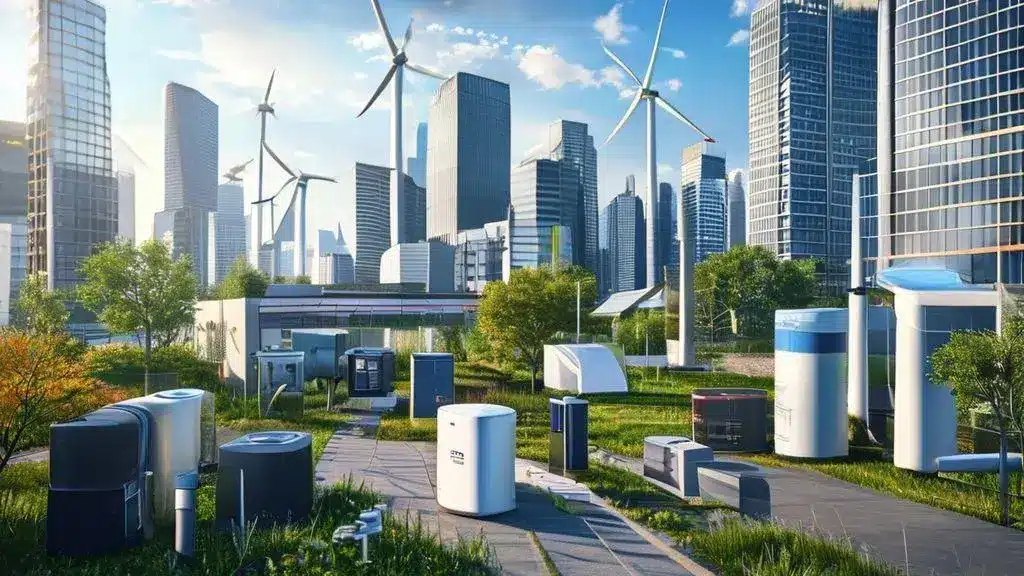
Innovative energy storage technologies are shaping our energy landscape, offering solutions that promise efficiency and sustainability. But how do these systems work, and what does it mean for our energy consumption?
Understanding innovative energy storage technologies
Understanding innovative energy storage technologies is essential as we move towards a more sustainable future. These technologies not only enhance our energy efficiency but also pave the way for cleaner energy sources. With the growing demand for energy, it is vital to explore how these technologies can help manage and store energy effectively.
Types of energy storage technologies
There are several types of energy storage systems, each designed to meet specific needs. Some of the most common types include:
- Battery storage: This includes lithium-ion batteries, which are widely used in consumer electronics and electric vehicles.
- Pumped hydro storage: A method where water is pumped to a higher elevation and released to generate electricity when needed.
- Flywheel energy storage: This technology uses a rotating mass to store kinetic energy, providing quick bursts of energy.
- Thermal storage: This method utilizes heat to store energy, often through mediums like molten salt.
Each technology has its strengths and applications, contributing to the overall efficiency of energy systems. Furthermore, understanding these systems plays a key role in addressing the challenges of energy supply and demand. The adaptability of innovative energy storage technologies is vital for integrating renewable energy sources and enhancing the reliability of power grids.
Benefits of innovative energy storage
The benefits of adopting these technologies are manifold. Improved energy security is one of the most significant advantages. By storing energy during low demand periods, we can ensure a steady supply when usage spikes. Additionally, these technologies help in reducing energy costs by managing storage and usage more effectively.
As we delve into innovative ways to harness and store energy, it is clear that these technologies are integral to achieving a sustainable future. They enable us to better utilize our resources, reduce greenhouse gas emissions, and transition to a more resilient energy system.
Key benefits of advanced energy storage solutions
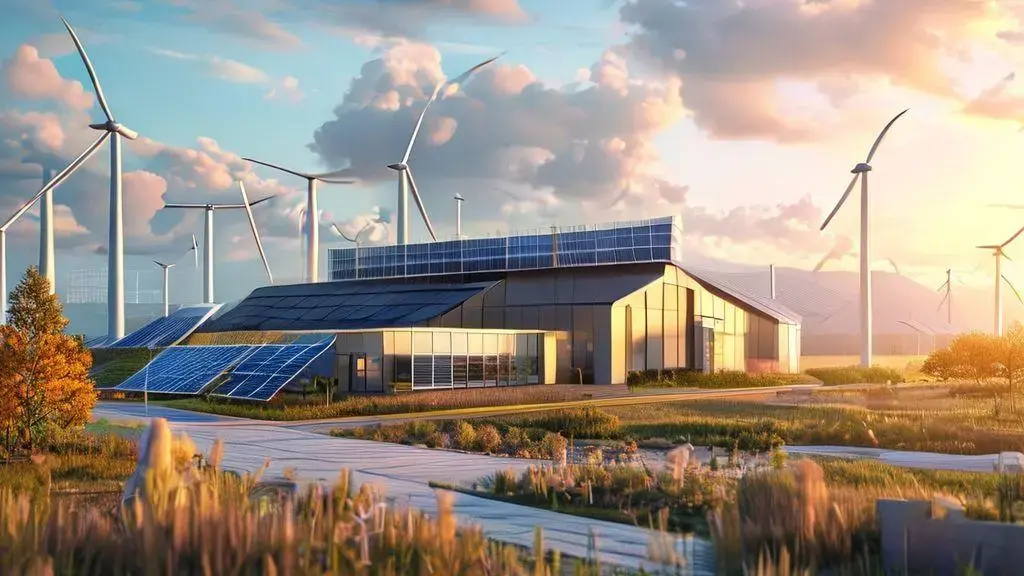
The key benefits of advanced energy storage solutions are changing how we view energy management and consumption. One of the biggest advantages is that these solutions enhance energy security. By storing excess energy, we can rely on it during peak demand times, ensuring a stable supply.
Cost savings
Advanced energy storage technologies can lead to significant cost savings. They allow consumers and businesses to store energy when it is cheaper. Thus, this leads to lower energy bills over time. Furthermore, they can alleviate the costs associated with grid infrastructure upgrades by reducing the need for additional power plants.
- Manage energy consumption effectively.
- Reduce peak demand charges.
- Enable participation in energy markets.
- Lower overall operating costs.
Another major benefit is the environmental impact. As these technologies support renewable energy integration, they play a crucial role in reducing greenhouse gas emissions. By storing energy from solar and wind sources, we can maximize the use of clean energy. This reduces reliance on fossil fuels, which is vital for combating climate change.
Increased grid reliability
Reliability of the power grid enhances significantly through advanced energy storage solutions. By providing backup power during outages, they help maintain critical services and reduce downtime. Efficient energy storage also contributes to stabilizing the grid, making it more resilient to fluctuations in demand and supply.
Innovative energy storage technologies help in balancing the load on the grid, making it easier to incorporate diverse energy sources. With urbanization and population growth, managing energy efficiently will be crucial for our future.
Challenges in implementing new energy storage systems
There are several challenges in implementing new energy storage systems that must be addressed for their successful adoption. One significant challenge is the high cost of technology. Although prices have been decreasing, initial investment can still be a barrier for many businesses and consumers. Financial incentives and government support can play a crucial role in overcoming this obstacle.
Technological limitations
Another challenge includes the technological limitations of current energy storage systems. Although many solutions exist, each has its own drawbacks. For example, while lithium-ion batteries are popular, they can be susceptible to thermal runaway, which poses safety risks. Other technologies, such as lead-acid batteries or flow batteries, may not offer the same efficiency or lifespan.
- Battery lifespan and degradation issues.
- Energy density limitations affecting storage capacity.
- Environmental impacts of battery production and disposal.
- Need for ongoing maintenance and support.
Regulatory and policy hurdles also represent significant challenges. Energy storage systems are often subject to a patchwork of regulations that can vary by region. This complexity can hinder the deployment of new technologies. Furthermore, the lack of standardized practices can lead to confusion and increased costs for both developers and consumers.
Public perception and acceptance
Public perception and acceptance are crucial factors in the adoption of new energy storage systems. Many people are unaware of the benefits these technologies offer. Misunderstandings about safety and environmental impacts can lead to resistance. Educational campaigns and outreach initiatives can help to shift perspectives and encourage broader acceptance.
Addressing these challenges involves collaboration among stakeholders, including governments, manufacturers, and consumers. Together, they can develop solutions that enhance the viability of innovative energy storage technologies. By understanding and tackling these barriers, we can pave the way for a more sustainable energy future.
Future trends in energy storage technologies
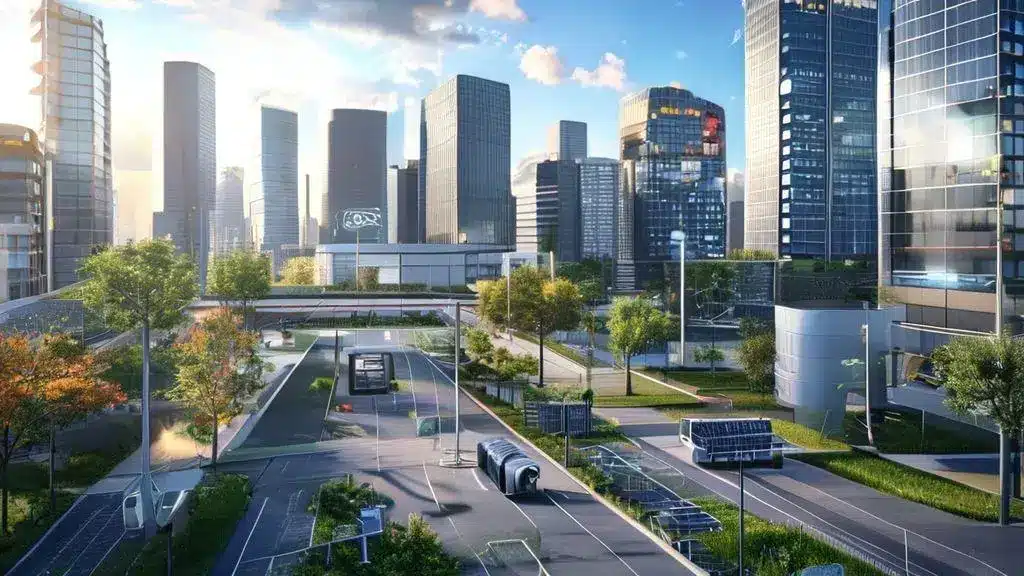
The future trends in energy storage technologies promise to significantly reshape how we manage and consume energy. As the demand for clean energy sources increases, innovations in energy storage are essential to ensure a stable supply. Key advancements are expected in battery technology, where improvements will lead to longer life cycles and faster charging times.
Solid-state batteries
One exciting development is the rise of solid-state batteries. These batteries use solid electrolytes instead of liquid ones, which enhances safety and energy density. This means they can store more energy in a smaller size. Solid-state technology may pave the way for electric vehicles with longer ranges and quicker recharging capabilities.
- Increased energy density will enable smaller, more efficient batteries.
- Reduction in fire hazards and improved safety features.
- Longer battery life with less degradation over time.
Another trend is the integration of renewable energy sources with energy storage systems. As wind and solar power become more prevalent, connecting these sources to energy storage will help balance supply and demand. This integration allows excess energy to be stored for later use, making renewable energy more reliable.
Decentralized storage systems
Decentralized energy storage systems are gaining attention as they promote energy independence. Homeowners can install their own energy storage systems, which allows them to store energy generated from solar panels. This shift can reduce reliance on the grid and lower energy costs.
The use of artificial intelligence and advanced analytics is also set to transform energy storage management. AI can optimize energy storage systems based on usage patterns and forecast demand, leading to more efficient energy distribution. Embracing these technologies will enable smarter grids and better integration of renewable sources.
In conclusion, the exploration of innovative energy storage technologies reveals their critical role in shaping a sustainable future. By addressing the challenges, harnessing advancements, and recognizing key benefits, we can promote a more efficient energy landscape. With trends like solid-state batteries and the integration of renewable energy sources, the future looks promising. Embracing these technologies is essential for enhancing energy security, reducing costs, and creating a cleaner environment.
FAQ – Frequently Asked Questions about Innovative Energy Storage Technologies
What are innovative energy storage technologies?
These are advanced systems that store energy for later use, helping to balance supply and demand, especially from renewable sources.
What are the key benefits of energy storage?
Energy storage enhances energy security, reduces costs, lowers greenhouse gas emissions, and supports the integration of renewable energy.
What challenges do these technologies face?
Challenges include high costs, technological limitations, regulatory hurdles, and public perception issues.
What trends are shaping the future of energy storage?
Emerging trends include solid-state batteries, decentralized systems for homes, and the use of artificial intelligence to manage energy distribution.