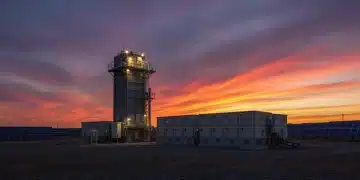
Q1 2026 US Energy Storage: Trends, Investments & Opportunities
The Q1 2026 US energy storage market report reveals robust growth driven by policy support and technological advancements, highlighting significant investment opportunities in grid-scale and residential solutions.
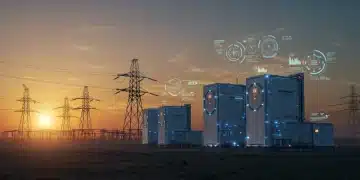
SMRs to Add 5 GW to US Grid by 2030: Nuclear Renaissance
By 2026, the nuclear renaissance is poised to accelerate, with Small Modular Reactors (SMRs) projected to contribute an additional 5 GW to the U.S. grid by 2030, marking a significant shift in the nation's energy landscape.
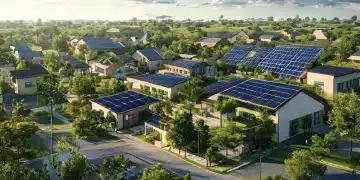
Community-based energy storage systems: a sustainable solution
Community-based energy storage systems play a pivotal role in promoting sustainability and energy efficiency in local areas.
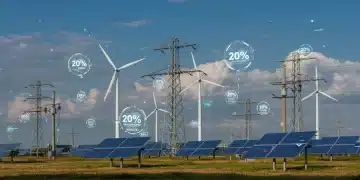
2026 U.S. Grid Modernization: Smart Grids Boost Clean Energy 20%
The 2026 U.S. grid modernization, driven by smart grid technologies, will significantly enhance clean energy integration by 20%, creating a more resilient, efficient, and sustainable national power infrastructure.
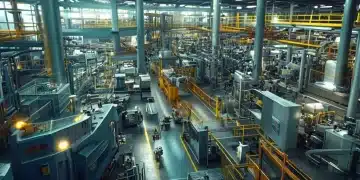
Industrial energy consumption review: what you need to know
Industrial energy consumption review highlights trends and strategies that will impact efficiency today.
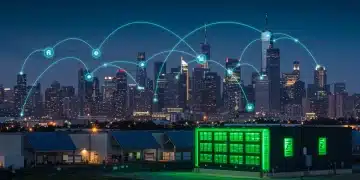
Demand Response & Energy Storage: Up to 20% More from Your Grid by 2026
By 2026, integrating energy storage with demand response programs can boost earnings from your grid connection by up to 20%, offering substantial financial advantages for businesses and consumers in the US.
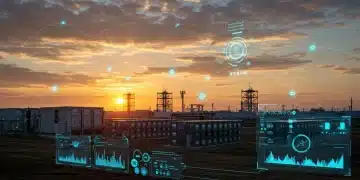
Smart Grid Integration: Optimize Energy Storage for 2026
This guide outlines a step-by-step approach to optimizing energy storage systems through smart grid integration, ensuring peak performance and efficiency for 2026 and beyond, covering practical solutions for enhanced energy management.
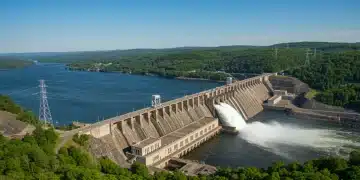
U.S. Hydropower: 2026 Outlook, Capacity, & Compliance
The 2026 outlook for U.S. hydropower reveals a complex landscape of potential capacity growth balanced against stringent environmental compliance challenges. This analysis delves into anticipated additions and regulatory hurdles for the coming year.
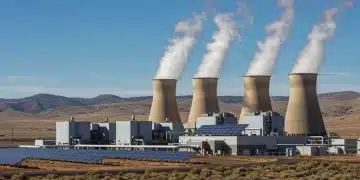
Geothermal Energy 2026: 24/7 Clean Power for U.S. Homes
Geothermal energy in 2026 is rapidly advancing, poised to become a significant source of 24/7 clean power for U.S. homes by mid-decade, offering continuous, reliable, and sustainable electricity.
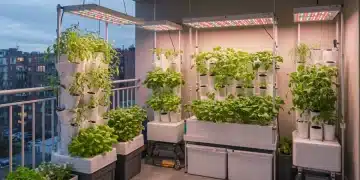
Urban Garden 2026: 50 Sq Ft for Year-Round Produce
Cultivating a 50-square-foot urban garden in 2026 can provide year-round produce by leveraging advanced hydroponics, vertical farming, and smart climate control, transforming small spaces into highly productive green hubs.
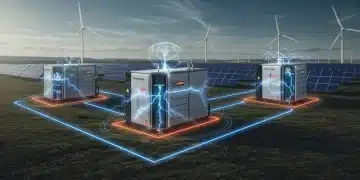
Flow Battery Game-Changers: 3 New Models for 2026 Long-Duration Storage
In 2026, three new flow battery models are poised to redefine long-duration energy storage, offering unprecedented efficiency, cost-effectiveness, and scalability crucial for the widespread adoption of renewable energy sources.
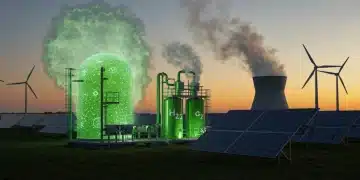
2026 U.S. Energy Policy: Green Hydrogen Subsidy Changes & Impact
The 2026 U.S. energy policy landscape is undergoing significant changes, particularly concerning green hydrogen subsidies, which are poised to reshape the clean energy sector and accelerate decarbonization efforts nationwide.