Real-time energy data platforms transforming efficiency
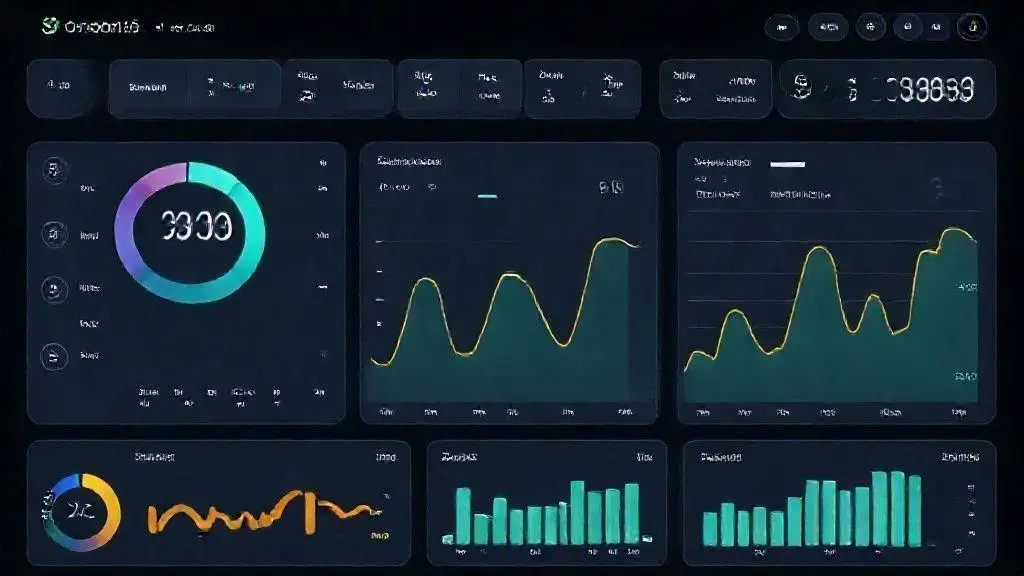
Real-time energy data platforms provide continuous monitoring and analysis of energy consumption, enabling users to optimize efficiency, reduce costs, and make informed decisions based on immediate insights.
Real-time energy data platforms are reshaping the energy sector, enabling businesses and consumers to make informed decisions about energy use. Ever wondered how these platforms can optimize efficiency and reduce costs? Let’s dive into the details.
Understanding real-time energy data platforms
Understanding real-time energy data platforms is essential for anyone looking to improve energy efficiency. These platforms enable users to monitor energy consumption continuously, which helps identify patterns and optimize usage. With the rising importance of sustainability, leveraging real-time data is a game-changer for both businesses and households.
What are Real-Time Energy Data Platforms?
Real-time energy data platforms collect and analyze energy usage data from various sources. They provide instant insights into consumption patterns and help users make informed energy management decisions. Many platforms include features like alerts, reporting tools, and predictive analytics. These functionalities make energy management proactive rather than reactive.
Benefits of Real-Time Monitoring
- Increased efficiency: Continuous monitoring allows adjustments to usage in real-time.
- Cost savings: Users can identify wasteful consumption and reduce their energy bills.
- Environmental impact: Optimizing energy use helps lower carbon footprints.
- Data accessibility: Users can access energy data anytime, improving decision-making.
Another crucial aspect of real-time energy data platforms is their integration with IoT devices. These platforms allow smart appliances to communicate and adjust based on current energy costs. Imagine a smart thermostat that lowers the temperature just before peak pricing starts or an electric car that charges when energy is cheapest.Real-time data also enhances predictive maintenance for equipment. By monitoring energy signatures, businesses can anticipate when equipment will fail and schedule maintenance before issues arise, avoiding costly downtimes.
As technology advances, the capabilities of these platforms will continue to expand. Future features may include more sophisticated AI-driven analytics, improving user experience even further. The drive for sustainability also places these platforms at the forefront of energy innovations.
Benefits of real-time energy data analysis
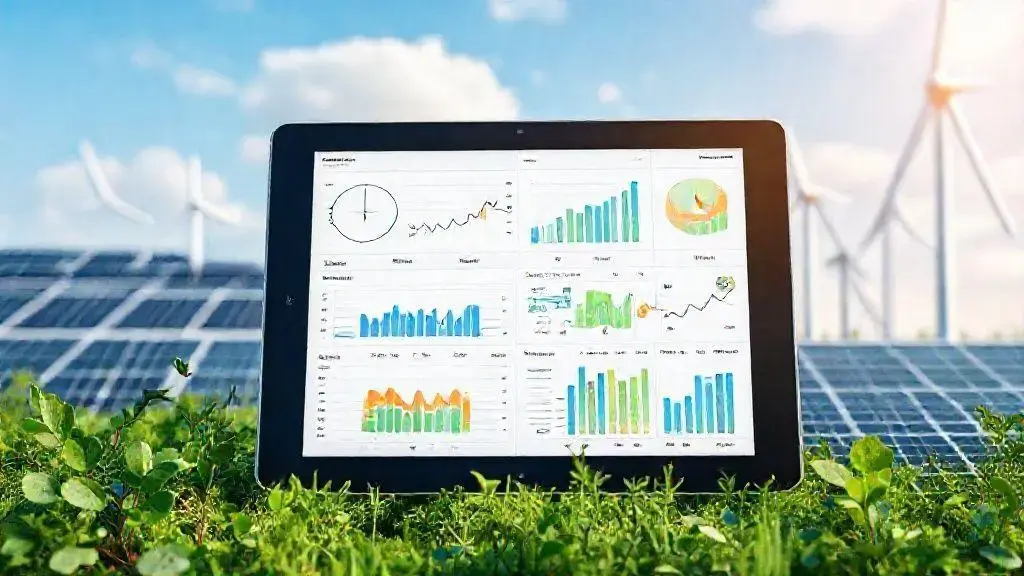
The benefits of real-time energy data analysis are numerous and impactful. With immediate access to energy consumption data, users can make better decisions regarding their energy use. This tool empowers both businesses and households to efficiently manage energy consumption and costs.
Enhanced Efficiency
One of the most significant advantages is enhanced efficiency. By having real-time insights, users can quickly identify areas where energy is being wasted. This immediate feedback allows for adjustments that can save both energy and money.
Cost Reduction
- Immediate alerts: Users receive notifications when energy usage spikes unexpectedly.
- Informed decisions: Data helps when choosing energy providers or plans based on consumption patterns.
- Operational savings: Continuous monitoring leads to better resource allocation and lower operational costs.
- Optimized usage: Users can shift energy use to off-peak times to save on costs.
Real-time energy analysis also fosters a stronger connection to sustainability efforts. By reducing energy waste, users contribute to environmental conservation. This impact is beneficial to both local communities and the planet at large. Furthermore, gathering data over time can reveal trends that guide future energy savings initiatives.
As the world continues to focus on energy efficiency and sustainability, the ability to analyze energy data in real time becomes even more crucial. Companies can improve their public image and attract environmentally conscious customers by showcasing their energy-saving efforts. It isn’t just about saving money; it’s about building a future that values resource conservation.
How to choose the right energy platform
Choosing the right energy platform is crucial for optimizing your energy management. With various options available, understanding what features and capabilities matter most can significantly enhance your decision-making process.
Identify Your Needs
Start by identifying your specific needs. Are you looking for cost savings, efficiency, or sustainability? Knowing your priorities can help narrow down your choices. Some users may value comprehensive data analysis, while others might prefer user-friendly interfaces.
Key Features to Consider
- Real-time data tracking: This feature allows users to monitor energy consumption continuously.
- Customization: Look for platforms that can be tailored to your unique requirements.
- Integration capabilities: Ensure the platform can work well with existing energy management systems or smart appliances.
- Customer support: Reliable customer service can be a lifesaver when issues arise.
Another thing to consider is the platform’s accessibility. A good energy platform should provide easy access to data from any device, whether a smartphone or a computer. This feature allows users to stay informed about their energy use on the go. Additionally, consider reading user reviews or getting recommendations from trusted sources to gauge other users’ experiences with the platform.
It’s also wise to check for cost structures, as some platforms may have hidden fees. Clarifying pricing can save you from unexpected expenses in the future. Always consider taking advantage of free trials or demos offered by many platforms. This way, you can thoroughly explore the interface and features before committing to a subscription.
Future trends in energy data solutions
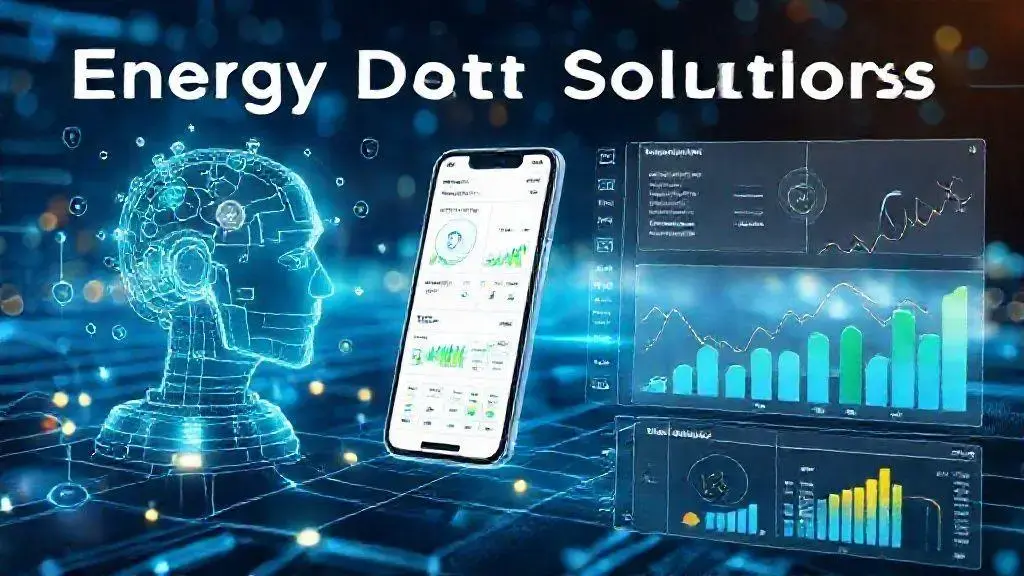
Future trends in energy data solutions are shaping how we think about energy consumption. As technology evolves, these solutions are becoming smarter and more efficient, making energy management easier for everyone.
Artificial Intelligence Integration
One major trend is the integration of artificial intelligence (AI) into energy data solutions. AI can analyze vast amounts of data quickly, providing insights that were previously impossible to obtain. This technology can predict energy consumption patterns, helping users make more informed decisions.
Enhanced Data Accessibility
- Mobile applications: More platforms are developing mobile apps that allow users to monitor energy usage from anywhere.
- Cloud storage: Data is increasingly stored in the cloud, making it accessible in real-time from multiple devices.
- Open data initiatives: Governments and organizations are promoting open data policies to share information on energy consumption.
As more data becomes available, users can analyze their energy habits and make changes accordingly. Furthermore, the focus on renewable energy sources will push developers to create data solutions specifically tailored to renewable energy management, improving tracking and forecasting.
Another trend is the emphasis on user experience. Energy platforms are prioritizing user-friendly designs that simplify data interpretation. This trend ensures that customers can benefit from the insights without needing extensive technical knowledge. Companies will also offer training and support to help users understand the data they collect.
Lastly, cybersecurity is becoming a key concern as more data is transferred and shared online. Future energy data solutions will invest heavily in securing user data to build trust and ensure compliance with regulations. Innovations in cybersecurity will provide greater safety for users, making them more willing to adopt these technologies.
In conclusion, exploring the future of energy data solutions reveals exciting opportunities for users and businesses alike. Integrating AI enhances energy management, making it more efficient and user-friendly. As data becomes more accessible, individuals can make informed decisions about their energy use. Emphasizing sustainability and cybersecurity will build trust in these technologies, promoting widespread adoption. Ultimately, staying ahead of these trends will ensure that everyone benefits from smarter energy management.
FAQ – Frequently Asked Questions about Real-Time Energy Data Platforms
What are real-time energy data platforms?
Real-time energy data platforms are tools that monitor and analyze energy consumption continuously, providing users with immediate insights.
How can AI enhance energy data analysis?
AI can quickly analyze large amounts of energy data, predicting usage patterns and helping users make more informed decisions.
What features should I look for in an energy platform?
Key features include real-time data tracking, customization options, integration capabilities with existing systems, and strong customer support.
Why is cybersecurity important in energy data solutions?
As energy data becomes more digital and accessible, ensuring cybersecurity protects user data and builds trust in the technology.