Renewable energy tax incentives: unlocking savings and benefits
Anúncios
Renewable energy tax incentives provide financial benefits through credits and rebates, encouraging the adoption of clean technologies and helping both homeowners and businesses save significantly on energy costs.
Renewable energy tax incentives offer a fantastic opportunity for individuals and businesses to save money while supporting sustainable practices. Have you ever wondered how these incentives can transform your energy costs and contribute to a greener future? Let’s dive in!
Understanding renewable energy tax incentives
Understanding renewable energy tax incentives can significantly impact your financial decisions and promote sustainability. These incentives encourage the adoption of clean energy sources, providing various benefits for homeowners and businesses alike.
What Are Renewable Energy Tax Incentives?
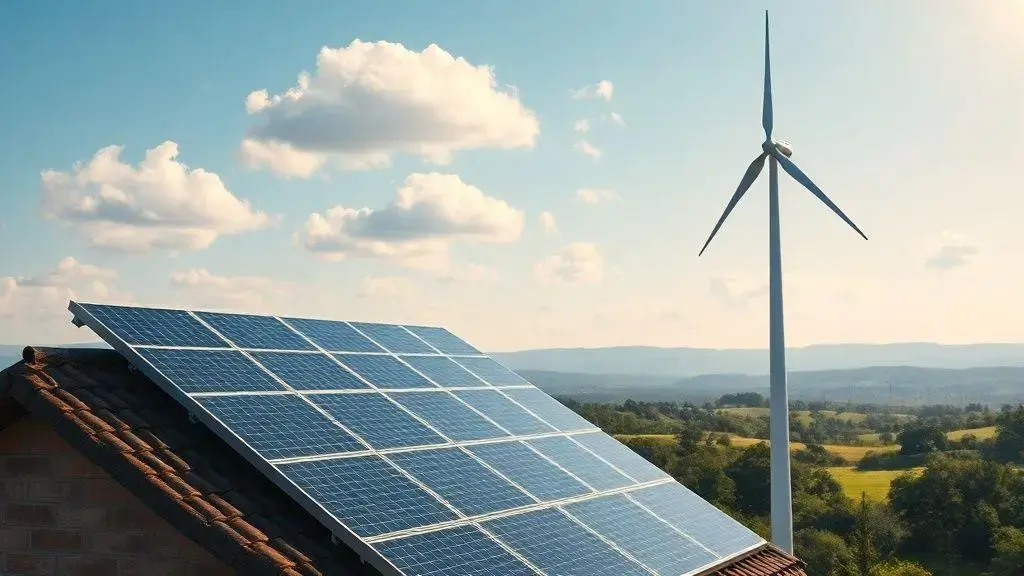
Renewable energy tax incentives refer to various federal and state programs that offer tax credits, rebates, and deductions to encourage the use of renewable energy technologies. These can include solar, wind, and geothermal energy systems.
Types of Incentives
There are several types of incentives available:
- Tax credits: Direct reductions in the amount of tax owed.
- Rebates: Cash payments or discounts after installation.
- Deductions: Decreasing taxable income based on renewable energy investments.
Each type plays a crucial role in making renewable energy more affordable. For instance, tax credits can greatly reduce the initial cost of installing solar panels, making them a practical option for many families.
It’s essential to research which programs are available in your state. Some states have additional incentives that work alongside federal programs. These can make switching to renewable energy sources even more appealing.
Benefits of Using Renewable Energy
Choosing renewable energy solutions carries numerous benefits, including:
- Lower energy bills: Over time, renewable energy can save you money.
- Environmental impact: Reducing your carbon footprint contributes to combating climate change.
- Energy independence: Relying on domestic energy sources can enhance energy security.
Moreover, adopting renewable energy can increase the value of your property. Homes with solar energy systems often sell for more, reflecting the rising demand for sustainable options.
Benefits of renewable energy tax credits
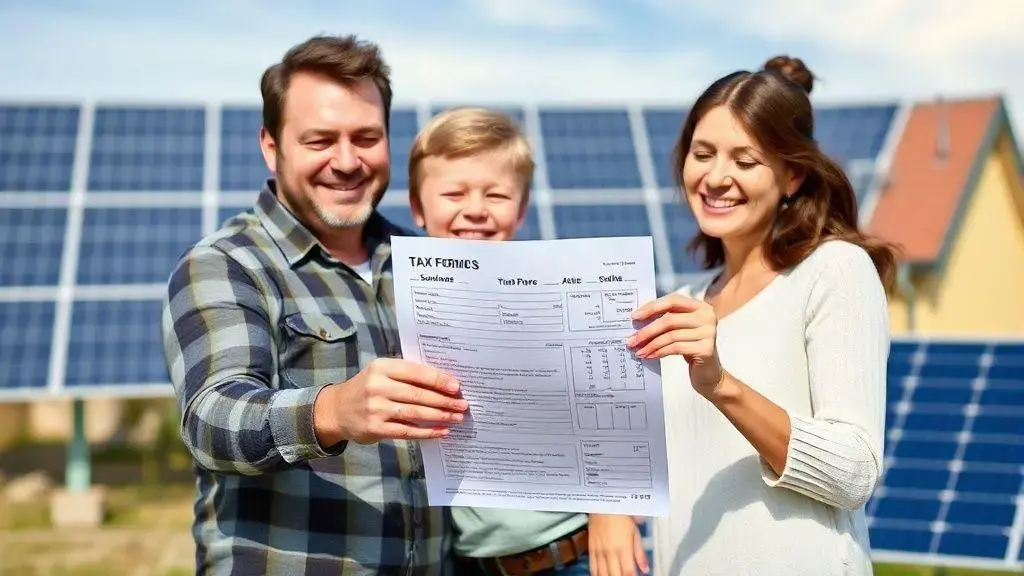
The benefits of renewable energy tax credits are far-reaching and impactful for both individuals and businesses. These credits can reduce the overall cost of switching to renewable energy, leading to significant savings over time.
Financial Savings
One of the biggest advantages of tax credits is the direct financial relief they provide. By reducing your tax liability, you can save money that can be reinvested into other areas of your home or business.
- Immediate tax savings: Claiming tax credits can lead to a lower tax bill for the year.
- Long-term savings: Over time, the combined effect of tax credits and reduced energy bills can amount to substantial savings.
- Increased cash flow: More funds available for other investments or expenses.
These savings make renewable energy options, like solar panels, much more accessible. Many people find that the investment pays off quickly due to the available credits.
Environmental Impact
Tax credits encourage the use of renewable energy sources, which have a positive effect on the environment. By taking advantage of these credits, you contribute to a reduced carbon footprint.
Making greener choices not only helps the planet but also shows a commitment to sustainability. This is becoming increasingly important to consumers and businesses.
Incentives for Adoption
Renewable energy tax credits are designed to promote the adoption of clean energy technologies. Governments recognize the need for more sustainable energy solutions and provide credits to motivate individuals and companies to take action.
- Broaden access to renewable energy technologies.
- Boost the renewable energy market by increasing consumer demand.
- Encourage innovation in clean energy solutions.
The result is a thriving market that can foster new ideas and advancements in technology, leading to a more sustainable future.
Eligibility criteria for tax incentives
Understanding the eligibility criteria for tax incentives is essential for anyone looking to benefit from renewable energy. These criteria determine who can take advantage of the available tax credits, rebates, and deductions.
Basic Requirements
To qualify for most tax incentives, you generally need to meet a few basic requirements. These include the type of renewable energy system you install, as well as your location and the date of installation.
- Type of system: Different incentives apply to solar, wind, and other renewable technologies.
- Installation date: Many incentives are only available for systems installed by a certain date.
- Location: Some state and local incentives vary based on where you live.
Understanding these factors can help you decide which system to install and when to do it, maximizing your financial benefits.
Homeowner vs. Business Owner
Eligibility can also differ for homeowners and businesses. Homeowners typically face fewer requirements compared to businesses, which might have to provide more documentation or meet stricter guidelines.
However, businesses may benefit from larger incentives due to the scale of their investments. Knowing the specific requirements for your situation can help you navigate the process more smoothly.
Income Limitations and Other Considerations
Some tax incentives may have income limitations. High-income households might not qualify for certain credits or rebates designed to assist lower-income individuals.
It’s important to check the specific guidelines for the incentives you are interested in, as they can change. Additionally, some programs may require you to apply ahead of time or prove your eligibility.
- Check state and federal guidelines carefully.
- Consult local energy providers for additional incentives.
- Consider hiring a tax professional for guidance.
How to maximize your savings with tax incentives

Knowing how to maximize your savings with tax incentives can help you take full advantage of available programs. With the right strategies, you can enhance financial benefits while adopting renewable energy.
Research Available Incentives
The first step to maximizing your savings is to thoroughly research all available incentives. Different federal, state, and local programs may offer unique benefits. Stay updated on the latest offerings, as these can change frequently.
- Check the IRS website for federal credits.
- Visit your state’s energy office for local incentives.
- Explore utility companies’ programs for additional rebates.
This knowledge empowers you to choose the right renewable energy system that aligns with your financial goals.
Consider Timing
Timing your investments can greatly impact your eligible savings. Many tax incentives are time-sensitive, allowing you to plan your purchases around these deadlines. Install systems before critical dates to benefit from available tax breaks.
Additionally, some incentives offer larger benefits during specific tax years or when combined with other programs. It’s essential to map out your strategy to maximize these savings.
Consult with a Tax Professional
Working with a tax professional can provide personalized advice tailored to your financial situation. They can help you understand complex rules, ensuring you don’t miss opportunities.
Tax professionals can also assist in filing your claims correctly, maximizing eligible credits and reducing the risk of audits. This step is particularly useful for businesses or larger projects that involve multiple incentives.
Plan for Future Investments
Consider your long-term goals when planning renewable energy investments. If you intend to expand your energy systems in the future, understanding how to structure your expenses can lead to compound savings over time.
- Maintain records of previous installations and improvements.
- Plan upgrades strategically to align with tax benefits.
- Consider financing options that offer additional incentives.
This forward-thinking approach allows you to create a sustainable energy model while maximizing financial returns.
FAQ – Frequently Asked Questions about Renewable Energy Tax Incentives
What are renewable energy tax incentives?
Renewable energy tax incentives are programs that offer tax credits, rebates, or deductions to encourage the adoption of clean energy technologies.
How can I find available tax incentives?
You can find available tax incentives by researching federal, state, and local government websites, as well as checking with your utility company.
Do tax incentives differ for homeowners and businesses?
Yes, there can be differences in eligibility and the amount of incentives available for homeowners compared to businesses.
How do I ensure I qualify for tax incentives?
To ensure you qualify, research the eligibility criteria and consult with a tax professional to avoid missing opportunities and to understand specific requirements.