Smart Grids: Boosting Renewable Energy Integration by 20% in 2025
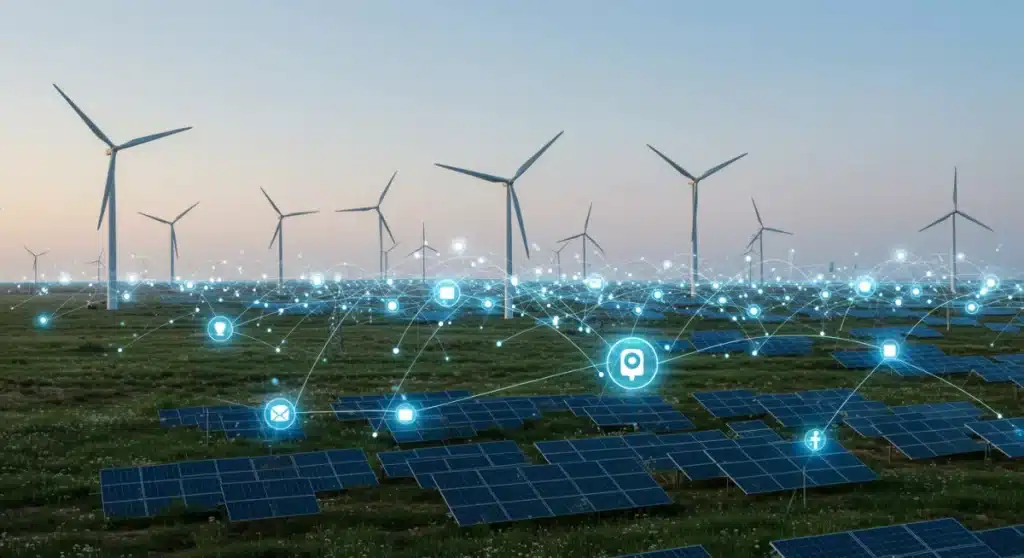
Smart grids are fundamentally transforming how renewable energy sources are integrated into national power systems, targeting a significant 20% boost in integration by 2025 through advanced digitalization and automation.
The energy landscape is undergoing a profound transformation, driven by an urgent need for sustainable solutions and enhanced grid reliability. As we approach 2025, a critical question emerges: how will smart grid renewable integration accelerate the adoption of clean energy? This article delves into the innovative ways smart grids are not just adapting but actively boosting renewable energy integration, with ambitious targets set for the near future.
Understanding the Smart Grid Revolution
The concept of a smart grid extends far beyond simply upgrading old infrastructure. It represents a paradigm shift in how electricity is generated, transmitted, and consumed, leveraging digital technology to create a more resilient, efficient, and sustainable power system. This revolution is particularly crucial for the effective integration of variable renewable energy sources like solar and wind.
Traditional grids were designed for centralized power generation, primarily from fossil fuels, with one-way electricity flow. Smart grids, however, are built to handle decentralized generation, bidirectional power flow, and real-time data exchange. This fundamental difference allows them to manage the inherent intermittency of renewables much more effectively.
Key Characteristics of Smart Grids
- Two-Way Communication: Enables constant data exchange between utilities and consumers, facilitating demand response and efficient resource allocation.
- Self-Healing Capabilities: Advanced sensors and automated systems can detect and isolate faults, restoring power proactively and minimizing outages.
- Advanced Metering Infrastructure (AMI): Provides detailed, real-time consumption data, empowering consumers and utilities to make informed decisions.
- Distributed Generation Integration: Seamlessly incorporates smaller, localized power sources like rooftop solar and community wind projects.
The shift towards smart grids is not merely an incremental improvement; it is a foundational change that enables the ambitious goals for renewable energy integration we see today. Without these technological advancements, managing a grid heavily reliant on intermittent sources would be far more challenging, if not impossible.
The Challenge of Renewable Energy Intermittency
Renewable energy sources, while environmentally beneficial, present unique challenges to grid stability due to their inherent variability. Solar power is only available when the sun shines, and wind power depends on wind speed. This intermittency creates fluctuations in power supply that traditional grids struggle to accommodate, often requiring backup fossil fuel plants or curtailment of renewable generation.
The goal of boosting renewable energy integration by 20% in 2025 hinges on successfully mitigating these challenges. Smart grid technologies offer sophisticated solutions to balance supply and demand in real-time, making the grid more flexible and responsive to the dynamic nature of renewables.
How Smart Grids Address Intermittency
Smart grids employ a suite of technologies and strategies to manage the variable output of renewable energy. These include advanced forecasting, energy storage solutions, and sophisticated demand-side management programs. By integrating these elements, smart grids can predict renewable output, store excess energy, and adjust consumption patterns to match available generation.
For instance, predictive analytics, powered by artificial intelligence and machine learning, can forecast solar and wind generation with increasing accuracy. This allows grid operators to anticipate fluctuations and prepare accordingly, whether by dispatching flexible generation, activating energy storage, or initiating demand response programs.
Enhanced Integration Mechanisms and Technologies
The ability of smart grids to significantly boost renewable energy integration stems from several key mechanisms and advanced technologies. These innovations work in concert to create a more resilient and adaptable energy infrastructure, capable of handling the complexities of a highly decarbonized power system.
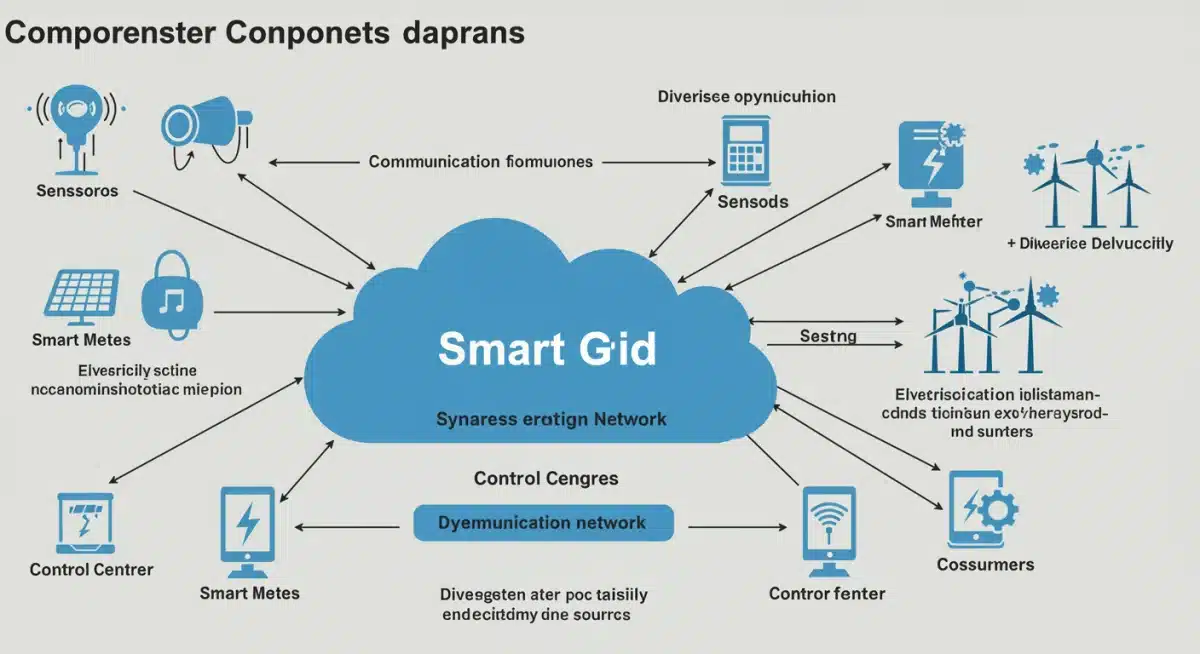
One of the most significant advancements is the deployment of advanced sensors and monitoring equipment across the grid. These devices provide granular, real-time data on power flow, voltage levels, and equipment status, allowing grid operators to have unprecedented visibility into the system. This data is then fed into sophisticated analytics platforms that can identify potential issues and optimize grid performance.
Key Technologies Driving Integration
- Energy Storage Systems: Batteries, pumped hydro, and other storage solutions absorb excess renewable energy during periods of high generation and release it when demand is high or renewable output is low.
- Demand-Side Management (DSM): Programs that incentivize consumers to shift their energy consumption to off-peak hours or periods of high renewable generation, balancing the grid.
- Advanced Grid Control: Automated systems that can rapidly adjust power flows, switch circuits, and reconfigure the grid to maintain stability and reliability.
- Microgrids: Self-contained energy systems that can operate independently or connected to the main grid, enhancing local resilience and enabling higher penetration of distributed renewables.
These technologies are not merely theoretical; they are being implemented across the United States, demonstrating tangible improvements in grid efficiency and renewable energy absorption. The synergy between these components is what truly unlocks the potential for higher renewable penetration.
The Role of Digitalization and AI in Grid Modernization
Digitalization is the backbone of the smart grid revolution, transforming analog electrical systems into intelligent, data-driven networks. Artificial intelligence (AI) and machine learning (ML) play an increasingly vital role in processing the vast amounts of data generated by smart grids, enabling predictive analytics, optimized operations, and enhanced decision-making.
AI algorithms can analyze historical weather patterns, energy consumption trends, and renewable generation data to forecast future conditions with remarkable accuracy. This predictive capability allows grid operators to anticipate fluctuations in renewable output and consumer demand, enabling proactive adjustments that maintain grid stability.
Impact of AI on Grid Operations
- Optimized Energy Dispatch: AI can determine the most efficient mix of generation sources, including renewables and traditional plants, to meet demand while minimizing costs and emissions.
- Predictive Maintenance: By analyzing sensor data, AI can predict equipment failures before they occur, allowing for preventative maintenance and reducing costly outages.
- Cybersecurity Enhancement: AI-driven anomaly detection helps identify and mitigate cyber threats to critical grid infrastructure, crucial for maintaining operational integrity.
- Real-time Market Optimization: AI can facilitate more dynamic and responsive energy markets, enabling better allocation of resources and integration of distributed energy resources.
The continuous evolution of AI and digital technologies ensures that smart grids will become even more sophisticated and capable of handling complex energy scenarios. This technological frontier is essential for achieving and exceeding renewable integration targets.
Economic and Environmental Benefits of Smart Grid Integration
The widespread adoption of smart grids and the resulting increase in renewable energy integration offer substantial economic and environmental benefits. These advantages extend beyond simply reducing carbon emissions, impacting energy costs, grid reliability, and the creation of new economic opportunities.
Environmentally, greater renewable integration directly translates to a significant reduction in greenhouse gas emissions and air pollution, contributing to cleaner air and mitigating climate change. By displacing fossil fuel-based generation, smart grids are pivotal in achieving national and international climate goals.
Broader Benefits of Modernized Grids
From an economic perspective, smart grids can lead to lower energy costs for consumers through optimized operations, reduced transmission losses, and the ability to leverage cheaper renewable energy. Furthermore, the development and deployment of smart grid technologies create new industries and jobs, fostering economic growth and innovation.
- Reduced Carbon Footprint: Direct consequence of increased reliance on clean energy sources.
- Lower Energy Costs: Efficiency gains and optimized resource utilization can lead to savings.
- Enhanced Grid Reliability: Self-healing capabilities and real-time monitoring minimize outages and improve service quality.
- Job Creation: Growth in renewable energy and smart grid technology sectors stimulates employment.
- Energy Independence: Reduced reliance on imported fossil fuels enhances national energy security.
The combined economic and environmental benefits present a compelling case for continued investment in smart grid modernization. These benefits underscore the importance of the 20% renewable integration target for 2025, positioning it as a crucial step towards a sustainable and prosperous future.
Future Outlook: Beyond 2025 and Emerging Trends
While the 20% increase in renewable energy integration by 2025 is an ambitious and achievable goal, the journey of grid modernization does not end there. The future promises even greater advancements, with emerging trends poised to further revolutionize the energy sector and push renewable integration to unprecedented levels. We can expect continuous innovation in energy storage, distributed ledger technologies, and advanced materials.
One of the most exciting areas of development is in advanced energy storage solutions. Beyond traditional batteries, research into solid-state batteries, flow batteries, and even hydrogen storage is progressing rapidly. These technologies promise higher energy densities, longer lifespans, and reduced costs, making renewable energy even more dispatchable and reliable.
Key Future Trends in Smart Grids
- Vehicle-to-Grid (V2G) Technology: Electric vehicles will not just consume power but also feed excess energy back into the grid, acting as mobile storage units.
- Blockchain for Energy: Distributed ledger technology could enable more transparent, secure, and efficient energy transactions, facilitating peer-to-peer energy trading.
- Advanced Sensor Networks: Miniaturized and more powerful sensors will provide even finer-grained data, enhancing predictive capabilities and grid control.
- Artificial Intelligence at the Edge: Deploying AI directly on grid devices will enable faster, localized decision-making, improving responsiveness and resilience.
The trajectory established by current smart grid initiatives will pave the way for a truly interconnected, intelligent, and sustainable energy ecosystem. The innovations emerging today will form the foundation for a grid that can handle 100% renewable energy, showcasing a future where clean energy is the norm, not the exception.
| Key Aspect | Brief Description |
|---|---|
| Smart Grid Definition | Digitalized energy network enhancing efficiency, reliability, and renewable integration. |
| Renewable Integration Target | Aiming for a 20% increase in renewable energy integration by 2025. |
| Key Technologies | Energy storage, demand-side management, AI, and advanced grid controls. |
| Benefits | Reduced emissions, lower costs, enhanced reliability, and job creation. |
Frequently Asked Questions About Smart Grids and Renewable Integration
A smart grid uses digital technology for two-way communication, real-time monitoring, and automated control, unlike traditional grids built for one-way power flow from large central plants. This enables better management of variable renewable energy sources.
Smart grids use advanced forecasting, energy storage, and demand-side management to balance the intermittent nature of renewables like solar and wind. They optimize power flow and ensure grid stability despite supply fluctuations.
The goal is to boost renewable energy integration by 20% by 2025. This ambitious target reflects the increasing capabilities of smart grid technologies to handle higher penetrations of clean energy sources.
AI analyzes vast amounts of grid data for predictive analytics, optimizing energy dispatch, forecasting renewable output, and enhancing cybersecurity. It enables proactive decision-making for a more efficient and reliable grid.
Benefits include reduced carbon emissions, lower energy costs for consumers, enhanced grid reliability, and the creation of new jobs in green technology sectors, fostering a sustainable and robust energy future.
Conclusion
The modernization of our energy infrastructure through smart grids is not merely an option but an imperative for a sustainable future. The commitment to significantly boost renewable energy integration by 20% in 2025 underscores a global recognition of the critical role these intelligent networks play. By leveraging advanced technologies such as AI, energy storage, and demand-side management, smart grids are proving instrumental in overcoming the challenges posed by intermittent renewable sources. This ongoing transformation promises not only a cleaner environment but also a more resilient, efficient, and economically robust energy system for generations to come, setting a clear path towards a fully decarbonized energy landscape.