Solar farm development projects: your guide to success

Solar farm development involves conducting feasibility studies, securing permits, managing financing, and ensuring ongoing maintenance to effectively harness solar energy and provide environmental and financial benefits.
Solar farm development projects hold the potential to reshape our approach to energy. Have you ever considered how investing in solar can impact not only your finances but also the environment? Let’s dive into the world of solar energy and see its benefits and challenges.
Understanding solar farm development
Understanding solar farm development is essential for anyone looking to invest in renewable energy. This process can seem complex, but breaking it down into manageable parts makes it easier to grasp.
The first step in solar farm development is assessing the site. Factors such as land topography, climate, and access to utility connections play a crucial role in determining the viability of a location. This assessment ensures that a site can maximize energy production and be effective in meeting local energy demands.
Key considerations for site selection
Several key elements must be evaluated during site selection:
- Proximity to existing power infrastructure
- Land availability and zoning restrictions
- Sunlight exposure throughout the year
- Environmental impact assessments
Once a suitable site is confirmed, the next phase involves securing permits and financing. Engaging with local government and community stakeholders is vital. This engagement helps to navigate regulations and fosters a positive relationship with the community, reducing potential opposition to the project.
Securing financing
Securing financing can come from various sources, including:
- Private investors
- Government grants and incentives
- Bank loans
- Partnerships with energy companies
Once financing is established, the design and engineering phase can commence. This includes selecting the appropriate technology, such as photovoltaic panels or concentrating solar power systems. Understanding the latest advancements in solar technology can significantly improve efficiency and output.
As construction begins, it’s crucial to stay on top of project management. Coordinating with contractors and suppliers ensures that the development stays on schedule and within budget. Regular assessments during the construction phase help to address issues promptly and maintain progress.
In summary, developing a solar farm involves thorough planning, community engagement, and careful management. A solid understanding of these processes not only leads to a successful solar farm but also contributes to a more sustainable future.
Key benefits of solar energy
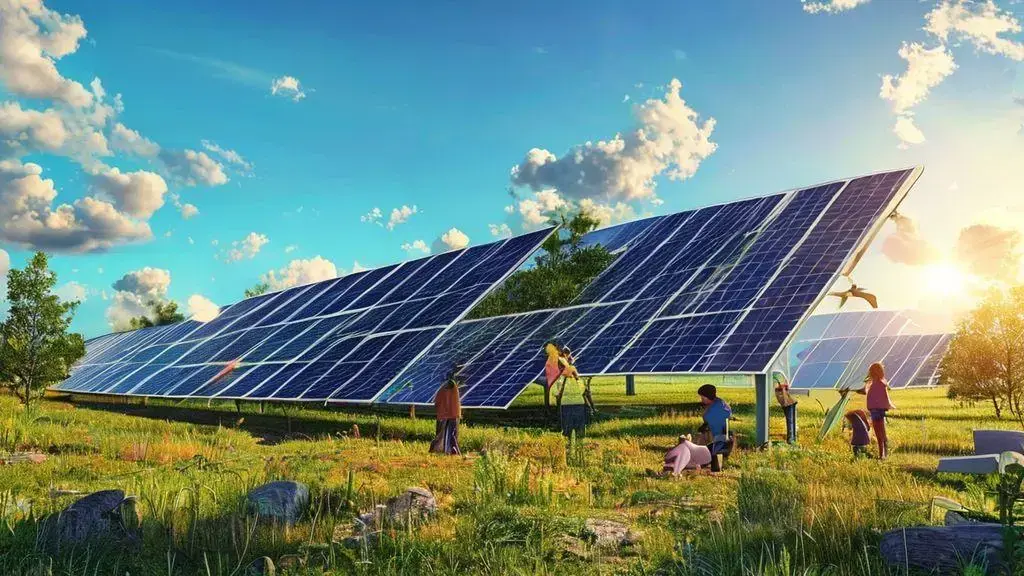
Solar energy offers a range of benefits that make it an attractive option for both individuals and communities. One of the most significant advantages is its ability to reduce electricity bills. By harnessing the power of the sun, solar panels can generate electricity, which lowers reliance on energy from traditional sources.
Another compelling benefit is the positive impact on the environment. Utilizing solar energy reduces greenhouse gas emissions, making it a cleaner alternative compared to fossil fuels. This shift not only helps combat climate change but also improves air quality.
Financial incentives
Investing in solar energy can lead to long-term savings and financial incentives. Some notable incentives include:
- Tax credits for solar installations.
- Rebates offered by local and state governments.
- Net metering in many regions.
- Reduced maintenance costs for solar systems.
Additionally, solar energy systems can increase property value. Homes equipped with solar panels are often viewed as attractive due to lower energy costs and environmental benefits.
Energy independence
Another key advantage of solar energy is the potential for enhanced energy independence. By generating your own electricity, you become less dependent on external energy suppliers. This stability can protect you from fluctuating energy prices and contribute to grid reliability.
As solar technology continues to advance, efficiency and storage capabilities are improving. With innovations in battery storage, homeowners can store excess solar energy for use during non-sunny periods, further maximizing their energy independence.
In conclusion, the benefits of solar energy extend beyond just lowering electricity costs. It presents an environmentally friendly choice that promotes energy independence and can provide significant financial incentives for adopters.
Challenges in developing solar farms
Developing solar farms can be a rewarding venture, but it comes with its challenges. One major hurdle is navigating the regulatory landscape. Different regions have various laws and permits that developers must comply with. Understanding local regulations can be time-consuming but is crucial for project success.
Another challenge is securing financing. Although the solar industry is growing, investors may still hesitate due to perceived risks. If developers can demonstrate a solid business plan, funding becomes easier to achieve.
Common regulatory hurdles
Some common regulatory hurdles include:
- Environmental impact assessments that may delay approval.
- Land use permits required for installation.
- Interconnection agreements with local utilities.
- Compliance with zoning laws.
In addition to regulations, developers face logistical challenges. Identifying suitable land for solar farms requires thorough research on factors like land topography, sun exposure, and proximity to existing infrastructure. Ensuring access to necessary resources can be a complex process.
Logistical considerations
Logistical considerations also play a significant role in the development of solar farms. Key elements include:
- Transportation of solar panels and equipment.
- Installation timelines that can impact project costs.
- Weather conditions that may affect construction schedules.
- Coordinating with various contractors and suppliers.
Technology integration presents its own set of challenges. Staying current with advances in solar technology is essential. Developers must weigh the costs of the latest innovations against potential benefits to ensure a competitive edge in the market.
Overall, while the journey of developing solar farms is filled with obstacles, careful planning and research can significantly mitigate these challenges and lead to successful implementation.
Steps to successfully launch a solar farm
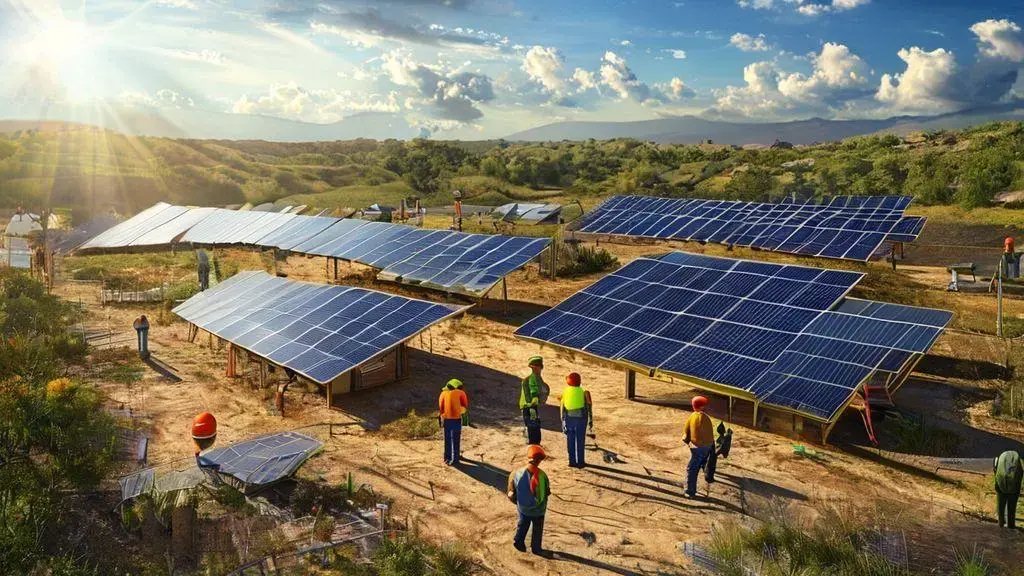
Launching a solar farm successfully requires careful planning and execution. The first step is to conduct a thorough feasibility study. This study evaluates the site’s potential for solar energy production. It considers factors like land space, sunlight hours, and proximity to power lines.
Once the feasibility is confirmed, the next step involves securing the necessary permits. This process can vary depending on local regulations. Engaging with local authorities early can simplify this step and ensure compliance with zoning laws.
Building a project plan
A detailed project plan is essential for guiding the development of the solar farm. This plan should include:
- A clear timeline that outlines each phase of the project.
- Budget estimates covering equipment, installation, and maintenance costs.
- A risk management strategy to address potential issues during development.
- Stakeholder engagement strategies to keep the community informed.
Following the project plan, developers should move on to financing. It’s important to explore different funding options such as loans, grants, or investor partnerships. A well-prepared financial proposal can attract funding more easily.
Installation and testing
After securing financing, installation can begin. Hiring experienced contractors is crucial for ensuring quality workmanship. During installation, regular inspections can help identify and resolve issues quickly. Once the installation is complete, testing the solar system’s output is vital to confirm it meets performance expectations.
Finally, maintenance plays an important role in long-term success. Implementing a maintenance schedule ensures that the solar farm operates efficiently. Regular checks can help identify any performance issues before they become significant problems.
In summary, the steps to successfully launch a solar farm involve feasibility studies, permitting, project planning, securing financing, careful installation, and ongoing maintenance.
FAQ – Frequently Asked Questions about Solar Farm Development
What is the first step in developing a solar farm?
The first step is conducting a feasibility study to assess the site’s potential for solar energy production.
What are some challenges in securing permits?
Challenges include understanding local regulations, zoning laws, and the need for environmental impact assessments.
How can I finance a solar farm project?
Financing options include loans, government grants, partnerships with investors, and local incentives.
What maintenance is required for solar farms?
Regular maintenance includes cleaning solar panels, inspecting equipment, and monitoring system performance to ensure efficiency.