
Optimize Energy Storage: 90% Efficiency by 2025
Achieving 90% efficiency in energy storage systems by 2025 demands integrating advanced smart management, leveraging AI, predictive analytics, and enhanced battery chemistries for optimal performance and sustainability.
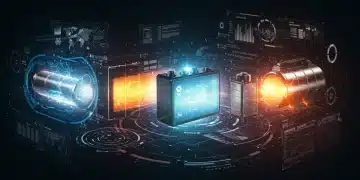
Beyond Lithium-Ion: 5 Emerging Batteries for 2025
The energy landscape is rapidly evolving, driving the urgent need for advanced energy storage solutions beyond traditional lithium-ion. This article delves into 5 promising emerging battery technologies poised to reshape industries and empower a sustainable future by 2025.
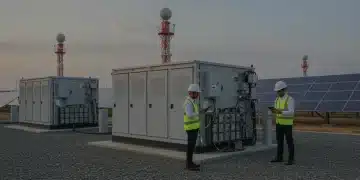
2025 Investment Tax Credit for Standalone Energy Storage Explained
The 2025 Investment Tax Credit (ITC) for standalone energy storage offers significant financial incentives, boosting the adoption of crucial clean energy infrastructure across the United States.

US Grid Modernization: Energy Storage Policies 2025
Key policy developments in US grid modernization with energy storage for 2025 are poised to significantly enhance grid resilience, integrate more renewables, and improve overall energy efficiency across the nation.
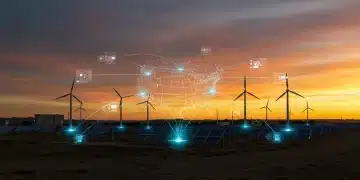
Energy Storage & Grid Stability: 20 GW by 2026 U.S. Outlook
This article examines the pivotal role of energy storage in enhancing U.S. grid stability, focusing on battery technology integration and the ambitious target of 20 GW capacity by 2026, offering a data-driven perspective on its implications for the future of energy.
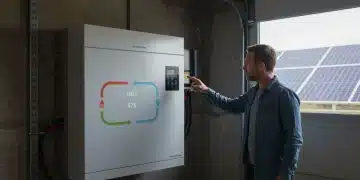
Residential Energy Storage Payback: 7-Year Returns by 2025
By 2025, homeowners investing in residential energy storage systems can anticipate an average payback period of seven years, driven by decreasing costs and increasing incentives, making grid independence more accessible.
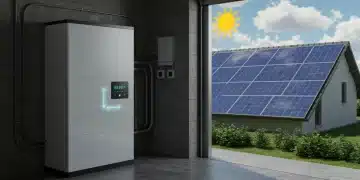
Maximize Your 2025 Home Battery Tax Credit: New 30% Incentives
Homeowners can significantly reduce the cost of energy storage systems in 2025 by leveraging the enhanced 30% federal tax credit for qualifying home battery installations, fostering greater energy independence and resilience.