US Grid Modernization: Energy Storage Policies 2025
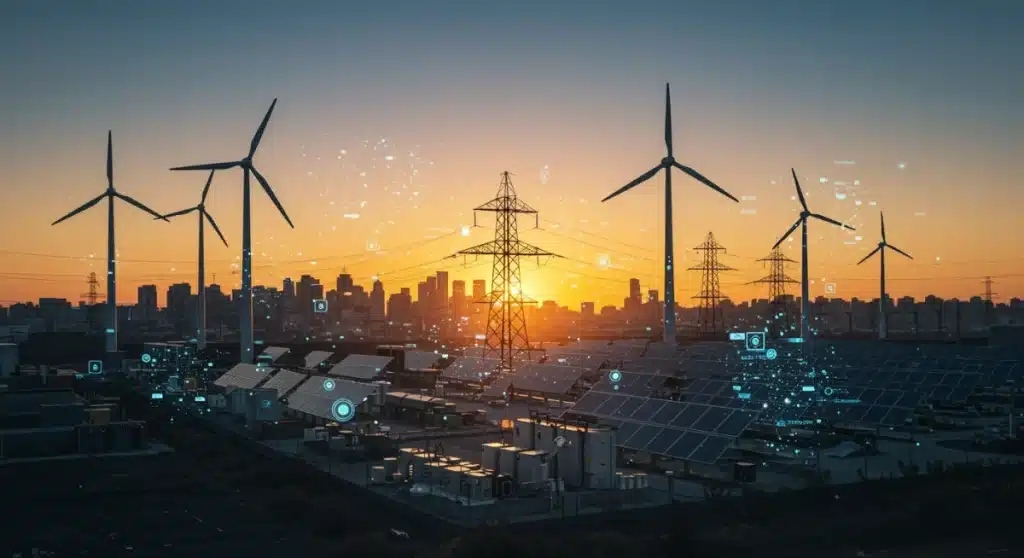
Key policy developments in US grid modernization with energy storage for 2025 are poised to significantly enhance grid resilience, integrate more renewables, and improve overall energy efficiency across the nation.
As the United States accelerates towards a cleaner and more resilient energy future, understanding the evolving landscape of US energy storage policies for 2025 is crucial. These pivotal policy developments are not just technical adjustments; they represent fundamental shifts in how our nation generates, distributes, and consumes power, directly impacting grid reliability and the integration of renewable energy sources.
the imperative for grid modernization
The existing electricity grid in the United States, largely built in the 20th century, faces increasing challenges. From aging infrastructure to the growing threat of extreme weather events and the imperative to integrate more intermittent renewable energy sources, the need for modernization is undeniable. Energy storage systems are emerging as a cornerstone of this transformation, offering unprecedented flexibility and resilience.
Modernizing the grid involves a comprehensive overhaul, moving beyond traditional centralized generation to a more distributed and intelligent network. This shift is critical for ensuring energy security and meeting ambitious decarbonization goals. Without advanced storage solutions, the full potential of renewables like solar and wind power remains untapped.
aging infrastructure and reliability concerns
Many components of the US electric grid are decades old, leading to frequent outages and inefficiencies. This aging infrastructure is not only costly to maintain but also struggles to adapt to modern energy demands and environmental pressures. Policies in 2025 aim to address these vulnerabilities head-on.
- Reduced Outages: Energy storage can provide backup power during grid failures, improving reliability.
- Enhanced Efficiency: Storage optimizes power flow, reducing transmission losses.
- Grid Stability: It helps maintain voltage and frequency, crucial for grid health.
The focus on upgrading transmission and distribution lines, alongside deploying smart technologies, underscores a commitment to building a more robust and responsive energy system. These upgrades are essential for integrating new technologies and ensuring a stable power supply for all consumers.
integrating renewable energy sources
The intermittent nature of solar and wind power has historically posed a significant challenge for grid operators. Energy storage directly addresses this issue by capturing excess energy during periods of high generation and releasing it when demand is high or renewable output is low. This capability is vital for achieving a high penetration of renewables.
Policy frameworks are increasingly recognizing the pivotal role of storage in facilitating this integration. Incentives for deploying utility-scale and distributed storage solutions are designed to accelerate the transition away from fossil fuels, making renewable energy a more reliable and dispatchable resource. This strategic deployment is not just about environmental benefits but also about economic competitiveness and energy independence.
Ultimately, grid modernization with energy storage is about building a smarter, more flexible, and more sustainable energy system that can meet the demands of the 21st century. The policy developments anticipated in 2025 are set to lay a strong foundation for this transformative journey.
federal policy drivers for energy storage in 2025
Federal policy plays a crucial role in shaping the energy landscape across the United States. For 2025, several key legislative and regulatory initiatives are expected to significantly boost the deployment of energy storage and accelerate grid modernization efforts. These policies aim to provide financial incentives, streamline regulatory processes, and foster innovation within the sector.
The overarching goal of these federal drivers is to create a conducive environment for energy storage technologies to thrive, recognizing their essential contribution to a resilient, clean, and efficient grid. This national-level support is vital for overcoming market barriers and encouraging widespread adoption.
the inflation reduction act (ira) and its impact
The Inflation Reduction Act (IRA) of 2022 represents a landmark piece of legislation with profound implications for energy storage. Its provisions include significant tax credits and incentives that directly support the manufacturing and deployment of battery storage and other clean energy technologies. For 2025, the full impact of these incentives is expected to be widely felt.
- Investment Tax Credit (ITC): Expands eligibility for standalone energy storage projects.
- Domestic Content Bonuses: Additional credits for projects utilizing US-made components.
- Production Tax Credit (PTC): Supports domestic manufacturing of batteries and components.
The IRA’s long-term certainty for tax credits is particularly impactful, providing developers and investors with the confidence needed to commit to large-scale projects. This stability is critical for driving down costs and scaling up deployment across various applications, from utility-scale to residential storage.
department of energy (doe) initiatives
The Department of Energy continues to be a key driver of innovation and deployment through various programs and funding opportunities. In 2025, the DOE is expected to continue its focus on advanced energy storage research and development, as well as demonstration projects that showcase the capabilities of new technologies.
Initiatives such as the ‘Energy Storage Grand Challenge’ aim to accelerate the development, commercialization, and deployment of next-generation energy storage technologies. These efforts are crucial for addressing technical barriers, reducing costs, and ensuring that the US remains a leader in energy innovation.
Federal policies, particularly the IRA and DOE initiatives, are creating a powerful tailwind for energy storage. By providing robust financial incentives and fostering technological advancements, these drivers are setting the stage for significant progress in grid modernization throughout 2025 and beyond.
state-level policy innovations and mandates
While federal policies provide a broad framework, state-level policies often serve as the immediate catalysts for energy storage deployment and grid modernization. In 2025, many states are expected to continue pushing forward with innovative mandates, incentive programs, and regulatory reforms tailored to their unique energy landscapes and goals.
These state-specific approaches are essential for addressing local grid challenges, supporting regional renewable energy targets, and experimenting with diverse storage technologies. The variety of state policies creates a dynamic environment for learning and adaptation, ultimately benefiting the national grid modernization effort.
renewable portfolio standards (rps) and storage targets
Many states have aggressive Renewable Portfolio Standards (RPS) that mandate a certain percentage of electricity come from renewable sources. Increasingly, these standards are being complemented by explicit energy storage targets, recognizing that storage is critical for meeting RPS goals reliably.
States like California, New York, and Massachusetts have been pioneers in setting ambitious storage mandates, which drive significant investment and deployment. For 2025, other states are likely to follow suit, either by establishing new standalone storage targets or by integrating storage more explicitly into their existing RPS frameworks. This trend underscores the growing understanding of storage as an indispensable component of a renewable-dominated grid.
incentive programs and pilot projects
Beyond mandates, state governments are implementing a range of incentive programs to encourage energy storage adoption. These can include rebates for residential and commercial storage installations, performance-based incentives for grid services, and grants for pilot projects exploring innovative applications of storage.
California’s Self-Generation Incentive Program (SGIP) is a prime example of a successful state-level incentive that has significantly boosted distributed energy storage. Similarly, states are investing in pilot projects to test new technologies, evaluate market designs for storage, and understand the optimal deployment strategies for different grid needs. These programs are vital for de-risking investments and accelerating market maturity.
regulatory reforms for market participation
State public utility commissions (PUCs) are actively reforming regulations to enable energy storage to fully participate in wholesale and retail electricity markets. This includes developing rules for interconnection, establishing fair compensation mechanisms for grid services provided by storage, and creating pathways for storage to be considered as a non-wires alternative to traditional infrastructure upgrades.
Policies that clarify how storage assets are valued and compensated are critical for attracting investment and ensuring their efficient operation. In 2025, expect to see continued efforts to remove regulatory barriers, allowing storage to compete on a level playing field with other grid resources and unlock its full potential for grid modernization.
technological advancements and market trends
The policy landscape for energy storage is inextricably linked to ongoing technological advancements and evolving market trends. Innovations in battery chemistry, power electronics, and software are continually expanding the capabilities and reducing the costs of energy storage systems, making them increasingly attractive solutions for grid modernization.
These technological leaps, coupled with growing market demand and favorable policies, are creating a virtuous cycle that accelerates deployment and further drives innovation. Understanding these dynamics is key to appreciating the trajectory of energy storage in 2025.
battery chemistry evolution
While lithium-ion batteries currently dominate the market, significant research and development are underway in alternative battery chemistries. These include solid-state batteries, flow batteries, and various non-lithium-ion solutions that promise improved safety, longer lifespans, and lower costs for specific applications.
For grid-scale applications, the focus is often on chemistries that offer long-duration storage at competitive prices. As these technologies mature, they will broaden the range of energy storage options available, enabling more tailored solutions for diverse grid needs and geographic constraints. This diversification enhances resilience and reduces reliance on a single technology.
software and artificial intelligence (ai) in storage management
The intelligence of energy storage systems is rapidly advancing, driven by sophisticated software and artificial intelligence (AI). These technologies optimize the charging and discharging of batteries, predict energy demand and supply, and enable storage assets to provide multiple grid services simultaneously.
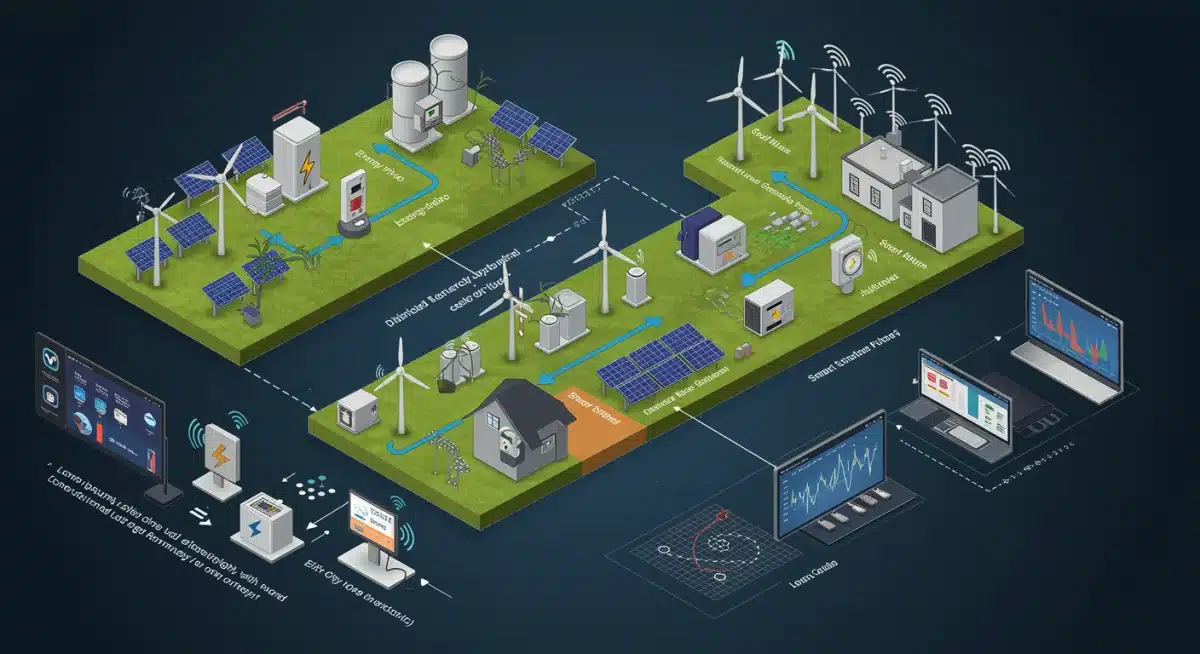
AI-powered energy management systems can learn from historical data and real-time conditions, making storage operations more efficient and profitable. This digital layer is crucial for integrating distributed energy resources and maximizing the value of storage investments within a complex, modernized grid. The ability of AI to orchestrate these systems is a game-changer for grid flexibility.
declining costs and increased deployment
The cost of energy storage technologies, particularly lithium-ion batteries, has fallen dramatically over the past decade. This trend is expected to continue into 2025, making storage an increasingly economically viable option for a wider range of applications. As costs decrease, the business case for deploying storage strengthens across residential, commercial, and utility sectors.
- Economies of Scale: Mass production further reduces unit costs.
- Improved Manufacturing: Efficiencies in production processes contribute to savings.
- Supply Chain Optimization: Better sourcing and logistics lower overall expenses.
The combination of technological advancements, falling costs, and supportive policies is creating an unprecedented boom in energy storage deployment. This growth is not just about adding capacity but also about enhancing the intelligence and resilience of the entire US electricity grid.
challenges and opportunities for 2025
While the momentum for grid modernization with energy storage is strong, significant challenges remain. Addressing these obstacles will be critical for realizing the full potential of storage technologies and ensuring a smooth transition to a more resilient and sustainable energy system. Simultaneously, these challenges present unique opportunities for innovation and strategic investment.
Navigating the complexities of regulatory frameworks, supply chain vulnerabilities, and workforce development will require concerted effort from policymakers, industry stakeholders, and research institutions. The success of grid modernization hinges on a collaborative approach to these multifaceted issues.
regulatory hurdles and market frameworks
Despite progress, regulatory frameworks at both federal and state levels can still pose barriers to energy storage deployment. Issues such as complex interconnection processes, a lack of clear valuation mechanisms for storage services, and outdated market rules can impede project development and limit storage’s ability to participate fully in electricity markets.
Opportunity lies in continuing to streamline these regulations, creating more transparent and performance-based market designs that appropriately compensate storage for the multiple benefits it provides. This includes developing standardized interconnection procedures and market rules that acknowledge storage’s unique capabilities as both a generator and a load.
supply chain resilience and domestic manufacturing
The global supply chain for battery components, particularly critical minerals, faces vulnerabilities due to geopolitical tensions and concentrated mining and processing capabilities. Ensuring a resilient and secure supply chain is paramount for scaling up energy storage deployment in the US.
This challenge presents an opportunity to foster domestic manufacturing of batteries and components, reducing reliance on foreign sources and creating jobs within the US. Policies like the IRA are already incentivizing this shift, but continued investment in R&D and manufacturing capacity will be crucial for long-term supply chain security and competitiveness.
workforce development and education
The rapid growth of the energy storage sector creates a significant demand for a skilled workforce, from engineers and technicians to installers and maintenance personnel. A shortage of trained professionals could slow down deployment and hinder grid modernization efforts.
- Technical Training Programs: Developing specialized courses for battery installation and maintenance.
- Vocational Schools: Expanding programs focused on renewable energy technologies.
- University Research: Investing in higher education for advanced energy storage R&D.
Investing in workforce development and educational programs is a critical opportunity to build a robust talent pipeline for the clean energy economy. This not only supports grid modernization but also creates high-quality jobs and fosters economic growth in communities across the country.
the role of distributed energy resources (ders)
Distributed Energy Resources (DERs), including rooftop solar, electric vehicles (EVs), and behind-the-meter battery storage, are increasingly playing a vital role in grid modernization. These assets, located closer to the point of consumption, offer significant benefits for grid resilience, efficiency, and decarbonization, often working in conjunction with larger, utility-scale storage systems.
The integration of DERs complicates grid management but also unlocks new pathways for flexibility and consumer empowerment. Policies in 2025 are increasingly focused on enabling and optimizing the contribution of these distributed assets to the broader energy system.
behind-the-meter storage and resilience
Behind-the-meter (BTM) storage, installed at homes, businesses, and industrial facilities, provides immediate benefits to the end-user, such as backup power during outages and peak demand shaving. Critically, when aggregated and coordinated, BTM storage can also offer valuable services to the grid, enhancing overall resilience.
Policies that incentivize BTM storage, such as state-level rebates and demand response programs, are expected to continue growing. These programs not only empower individual consumers but also create a more distributed and robust grid infrastructure, reducing reliance on centralized power plants and transmission lines.
electric vehicles (evs) as mobile storage
Electric vehicles represent a massive, untapped potential for energy storage. With their large batteries, EVs can serve as mobile energy storage units, capable of charging when electricity is cheap and abundant (e.g., from solar during the day) and potentially discharging back to the grid (Vehicle-to-Grid or V2G) during peak demand periods.
In 2025, policies supporting EV adoption, along with the development of V2G charging infrastructure and appropriate compensation mechanisms, will be crucial. Integrating EVs into grid planning can provide significant flexibility and help balance renewable energy fluctuations, turning a consumer product into a valuable grid asset.
virtual power plants (vpps) and aggregation
Virtual Power Plants (VPPs) are sophisticated systems that aggregate and optimize the operation of numerous DERs, including BTM storage, rooftop solar, and EVs, to provide grid services. VPPs can act as a single, dispatchable resource, offering flexibility and capacity to grid operators.
Policies that facilitate the aggregation of DERs and enable VPPs to participate in wholesale markets are critical for unlocking the full value of distributed energy. As the grid modernizes, VPPs will become increasingly important for managing intermittency, enhancing grid stability, and reducing the need for costly conventional peaking power plants. These integrated approaches represent the future of intelligent grid management.
environmental and economic benefits
The widespread adoption of energy storage and the modernization of the US grid are not merely technical endeavors; they yield substantial environmental and economic benefits. These advantages reinforce the imperative for continued policy support and investment in these transformative technologies, contributing to a more sustainable and prosperous future.
From reducing carbon emissions to creating new jobs and lowering energy costs, the positive impacts of these developments are far-reaching, affecting communities and industries across the nation. Understanding these benefits helps underscore the strategic importance of the policy developments anticipated in 2025.
decarbonization and cleaner air
A primary environmental benefit of energy storage is its ability to facilitate the integration of more renewable energy sources, thereby reducing reliance on fossil fuels. By storing excess solar and wind power, storage enables these clean energy sources to provide a larger, more consistent share of the electricity supply.
- Reduced Greenhouse Gas Emissions: Less fossil fuel burning means lower carbon footprints.
- Improved Air Quality: Fewer pollutants from power plants lead to healthier communities.
- Accelerated Renewable Adoption: Storage makes intermittent renewables dispatchable.
This shift directly contributes to national and global decarbonization goals, helping to mitigate climate change and improve air quality in urban and industrial areas. The environmental dividends of a modernized, storage-enhanced grid are substantial and long-lasting.
job creation and economic growth
The energy storage industry is a rapidly growing sector, creating a significant number of jobs across the entire value chain, from manufacturing and installation to research and development. Investments in grid modernization stimulate economic growth through direct employment and ripple effects in supporting industries.
Policies that promote domestic manufacturing and deployment of energy storage technologies contribute to job creation within the United States, fostering a skilled workforce and strengthening local economies. This economic stimulus is a powerful incentive for continued policy support and private investment in the sector.
enhanced energy security and cost savings
A modernized grid with robust energy storage capabilities enhances national energy security by reducing reliance on volatile fossil fuel markets and diversifying the energy supply. Localized storage can also provide resilience against grid disruptions, ensuring critical services remain operational during emergencies.
Furthermore, energy storage can lead to long-term cost savings for consumers. By optimizing grid operations, reducing peak demand charges, and avoiding expensive infrastructure upgrades, storage helps to stabilize and potentially lower electricity rates. These economic efficiencies benefit both utilities and end-users, making the energy system more affordable and reliable.
future outlook and recommendations for 2025
The trajectory for grid modernization with energy storage in the US for 2025 is one of accelerated growth and increasing complexity. As policies continue to evolve and technologies advance, a strategic and coordinated approach will be essential to maximize the benefits and overcome remaining hurdles. The outlook is overwhelmingly positive, yet proactive measures are still required.
To fully realize the vision of a resilient, clean, and efficient grid, stakeholders must remain vigilant in adapting to new challenges and seizing emerging opportunities. The recommendations for 2025 focus on sustained policy support, continued innovation, and collaborative efforts.
continued policy support and market certainty
Maintaining strong federal and state policy support, including tax incentives, grants, and clear regulatory frameworks, will be paramount. Long-term policy certainty encourages private investment and allows for the scaling up of manufacturing and deployment.
Policymakers should also focus on refining market designs to ensure that energy storage is fully valued for all the grid services it provides, from energy arbitrage to frequency regulation and capacity. Transparent and equitable market access is crucial for the continued growth of the sector.
investment in research and development
While current technologies are robust, continued investment in research and development for next-generation energy storage solutions is vital. This includes exploring novel battery chemistries, long-duration storage options, and advanced power electronics, as well as optimizing software and AI for grid management.
Funding for demonstration projects and pilot programs will help de-risk new technologies and accelerate their commercialization. This commitment to innovation ensures that the US remains at the forefront of energy storage advancements, addressing future grid needs effectively.
interagency coordination and stakeholder collaboration
Effective grid modernization requires seamless coordination between federal agencies, state governments, utilities, industry, and communities. siloed approaches can lead to inefficiencies and missed opportunities.
- Standardized Interconnection: Developing uniform rules across states and regions.
- Data Sharing: Facilitating information exchange between grid operators and DERs.
- Public-Private Partnerships: Fostering collaboration for large-scale projects.
Establishing clear communication channels and fostering collaborative platforms will ensure that policies are aligned, best practices are shared, and the collective expertise of all stakeholders is leveraged towards a common goal. This integrated approach is the most effective path forward for a truly modernized US energy grid by 2025 and beyond.
| Key Policy Area | Description for 2025 |
|---|---|
| IRA Tax Credits | Expanded Investment Tax Credits (ITC) for standalone energy storage projects, boosting deployment. |
| State Storage Targets | Increased state-level mandates and incentives driving significant energy storage capacity additions. |
| Regulatory Reforms | Efforts to streamline interconnection and market participation for energy storage assets across states. |
| DER Integration | Policies enabling distributed energy resources (DERs) like EVs and BTM storage to provide grid services. |
frequently asked questions about energy storage policies
The primary goal is to accelerate grid modernization by integrating energy storage to enhance reliability, integrate more renewable energy sources, and improve overall grid resilience against disruptions, while also promoting economic growth and decarbonization efforts across the nation.
The IRA significantly impacts energy storage by extending and expanding the Investment Tax Credit (ITC) to standalone storage projects. This provides substantial financial incentives for deployment, reduces project costs, and encourages domestic manufacturing of battery components, driving market growth.
States play a crucial role by implementing specific mandates, such as storage targets and Renewable Portfolio Standards, and offering incentive programs like rebates. They also enact regulatory reforms that facilitate market participation for storage, tailoring policies to local grid needs and environmental goals.
EVs contribute as mobile energy storage units. Through Vehicle-to-Grid (V2G) technology, their batteries can store excess renewable energy and discharge it back to the grid during peak demand, providing flexibility and support for grid stability, especially as EV adoption increases.
Key challenges include navigating complex regulatory frameworks, ensuring resilient and secure supply chains for critical minerals and components, and addressing the growing demand for a skilled workforce in the energy storage sector. Overcoming these requires concerted policy and industry efforts.
conclusion
The landscape of grid modernization with energy storage in the US for 2025 is defined by strong policy tailwinds, rapid technological advancements, and a growing recognition of storage’s indispensable role. Federal initiatives like the Inflation Reduction Act, coupled with innovative state-level mandates and incentive programs, are creating a robust framework for accelerated deployment. While challenges such as regulatory hurdles and supply chain resilience persist, they also present significant opportunities for innovation and strategic investment. The continued focus on integrating distributed energy resources and harnessing the economic and environmental benefits of storage will be pivotal in building a cleaner, more resilient, and efficient energy future for the United States.