Water Conservation 2025: Cut Usage by 20%
Anúncios
Implementing strategic water conservation measures in 2025 can significantly reduce household water usage by 20% through innovative technologies and mindful daily habits, ensuring a more sustainable future.
As we navigate 2025, the imperative for sustainable living grows stronger, particularly in how we manage our most precious resource: water. Achieving significant reductions in household water usage is not just an environmental goal but a practical step towards financial savings and community resilience. This article explores Water Conservation in 2025: 7 Insider Strategies to Cut Your Household Water Usage by 20% This Year, offering actionable insights for every American home.
understanding your home’s water footprint
Before implementing any conservation strategies, it’s crucial to understand how much water your household currently uses and where it goes. Many homeowners are surprised to learn that a significant portion of their water consumption isn’t from obvious sources like showering or laundry, but rather from less apparent areas like leaks or inefficient outdoor irrigation. Identifying these areas is the first step towards effective reduction.
Gaining clarity on your water usage patterns can empower you to make informed decisions. This often involves reviewing past water bills, which provide a historical overview, and conducting a simple home audit. By pinpointing the biggest water drains, you can prioritize your conservation efforts for maximum impact. This foundational understanding sets the stage for meaningful changes.
analyzing water bills and usage trends
- Review past statements: Look for seasonal spikes or consistent high usage.
- Compare with averages: See how your consumption stacks up against similar households.
- Identify billing cycles: Understand how your water company measures and charges for usage.
Once you have a clear picture of your household’s water consumption, you can set realistic goals for reduction. This initial analysis is not just about numbers; it’s about building awareness and commitment to a more sustainable lifestyle. Understanding your water footprint is the cornerstone of any successful water conservation plan, paving the way for targeted and effective strategies.
strategy 1: smart irrigation and xeriscaping
Outdoor water use often accounts for a substantial portion of household consumption, especially in warmer climates. Implementing smart irrigation systems and adopting xeriscaping principles can drastically reduce this. These modern approaches move beyond traditional watering methods, focusing on efficiency and sustainability to ensure your landscape thrives with less water.
Smart irrigation systems utilize weather data and soil moisture sensors to water plants only when necessary, preventing overwatering and waste. Xeriscaping, on the other hand, involves choosing drought-tolerant plants and designing landscapes that naturally require minimal irrigation. Combined, these two strategies offer a powerful solution for significant outdoor water savings without sacrificing curb appeal.
upgrading to efficient irrigation systems
- Install drip irrigation: Delivers water directly to plant roots, minimizing evaporation.
- Use smart controllers: Adjusts watering schedules based on local weather conditions.
- Perform regular maintenance: Check for leaks and clogs to ensure optimal performance.
Beyond technology, selecting the right plants for your local climate is paramount. Native plants are often naturally adapted to regional rainfall patterns, requiring less supplemental watering. By embracing both technological advancements and ecological design, you can transform your outdoor space into a water-efficient oasis, significantly contributing to your overall household water conservation goals.
strategy 2: leak detection and repair
Undetected leaks can waste thousands of gallons of water per year, often going unnoticed until a surprisingly high water bill arrives. From a dripping faucet to a silent toilet leak, these small issues can collectively represent a significant portion of a household’s water waste. Regular vigilance and prompt repair are essential components of any effective water conservation plan.
Even a slow drip can add up quickly over time, making leak detection a critical, yet often overlooked, strategy. Many leaks are easily identifiable, while others, particularly those in walls or underground, may require a more systematic approach to locate. Addressing these issues not only conserves water but also protects your home from potential water damage and costly repairs.
simple steps to identify household leaks
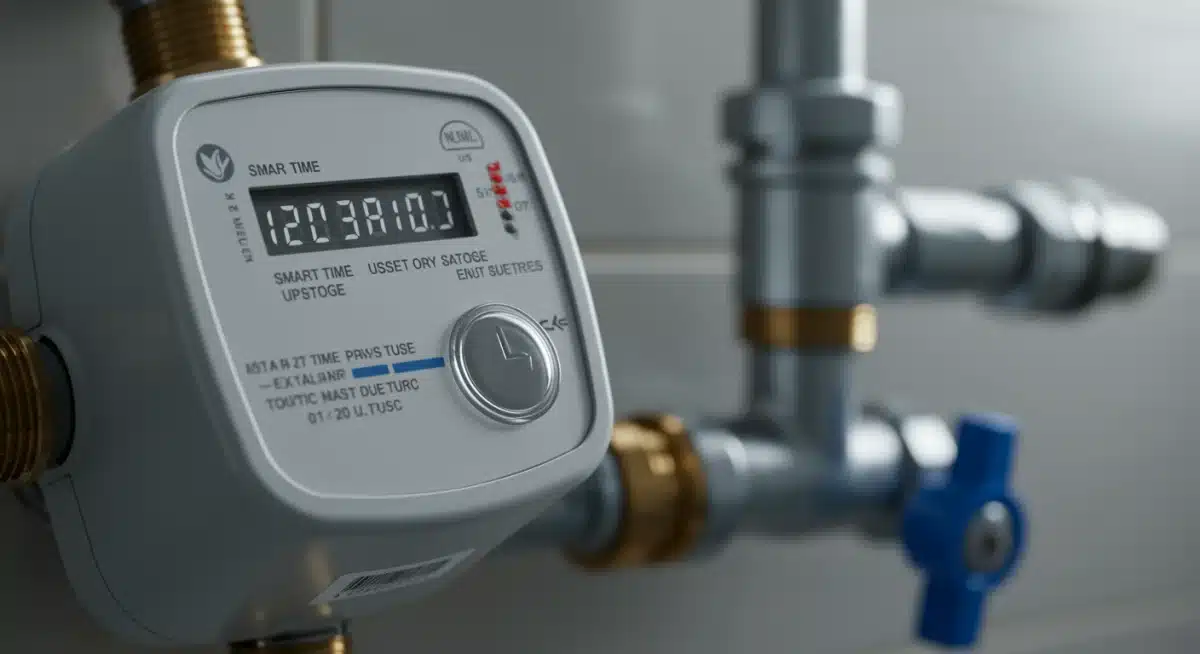
- Check your water meter: If it’s running when no water is being used, you likely have a leak.
- Food coloring test for toilets: Add a few drops to the tank; if color appears in the bowl, there’s a leak.
- Inspect faucets and pipes: Look for visible drips or dampness under sinks.
Proactive leak detection and immediate repair are among the most straightforward and impactful ways to reduce household water usage. By making leak checks a routine part of home maintenance, you can prevent substantial water loss and ensure that every drop of water used serves a purpose. This simple habit contributes significantly to achieving a 20% reduction in your annual water consumption.
strategy 3: embracing water-efficient appliances
Modern appliance technology has made significant strides in reducing water consumption without compromising performance. Upgrading to water-efficient models for dishwashers, washing machines, and even showerheads can yield substantial long-term savings in both water and energy. These appliances are designed to do more with less, reflecting a commitment to sustainability in their engineering.
The initial investment in high-efficiency appliances often pays for itself over time through reduced utility bills. Beyond the financial benefits, choosing these models also lessens your environmental impact, supporting broader water conservation efforts. When considering replacements or new purchases, prioritizing water efficiency is a smart decision for both your wallet and the planet.
key appliances for water savings
- High-efficiency washing machines: Use significantly less water per load than older models.
- WaterSense labeled fixtures: Showerheads and toilets with this label meet strict EPA efficiency standards.
- Energy Star certified dishwashers: Designed to clean dishes effectively with minimal water.
Making the switch to water-efficient appliances is a powerful strategy for reducing your household’s overall water footprint. These innovations provide a convenient way to conserve water without altering daily routines significantly. By integrating these technologies into your home, you contribute to a more sustainable future while enjoying the benefits of modern efficiency.
strategy 4: innovative bathroom solutions
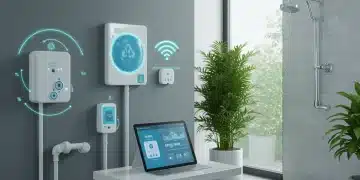
The bathroom is often the largest consumer of water within the home, primarily due to toilets, showers, and faucets. Fortunately, a range of innovative solutions exists to dramatically cut down on this usage without sacrificing comfort or hygiene. From low-flow fixtures to smart devices, these advancements offer practical ways to achieve substantial savings.
Adopting these bathroom solutions is a direct path to achieving your 20% reduction goal. The focus isn’t just on using less water, but on using it more intelligently. Modern designs ensure that efficiency doesn’t mean compromise, providing a satisfying experience while being mindful of resource consumption. It’s about redesigning your daily rituals for a greener impact.
upgrading for maximum bathroom savings
- Install low-flow showerheads: Reduces water flow while maintaining adequate pressure.
- Consider dual-flush toilets: Offers different flush volumes for liquid and solid waste.
- Aerators for faucets: Mix air with water, reducing flow without compromising effectiveness.
Beyond fixture upgrades, mindful habits like taking shorter showers and turning off the faucet while brushing teeth further amplify these savings. By combining technological solutions with conscious behavior, your bathroom can transform into a model of water efficiency, significantly contributing to your household’s annual water conservation targets.
strategy 5: rainwater harvesting and graywater systems
For those looking to take their water conservation efforts to the next level, rainwater harvesting and graywater recycling systems offer advanced solutions. These methods capture and reuse water that would otherwise be wasted, providing a sustainable source for non-potable uses. They represent a significant step towards self-sufficiency and reduced reliance on municipal water supplies.
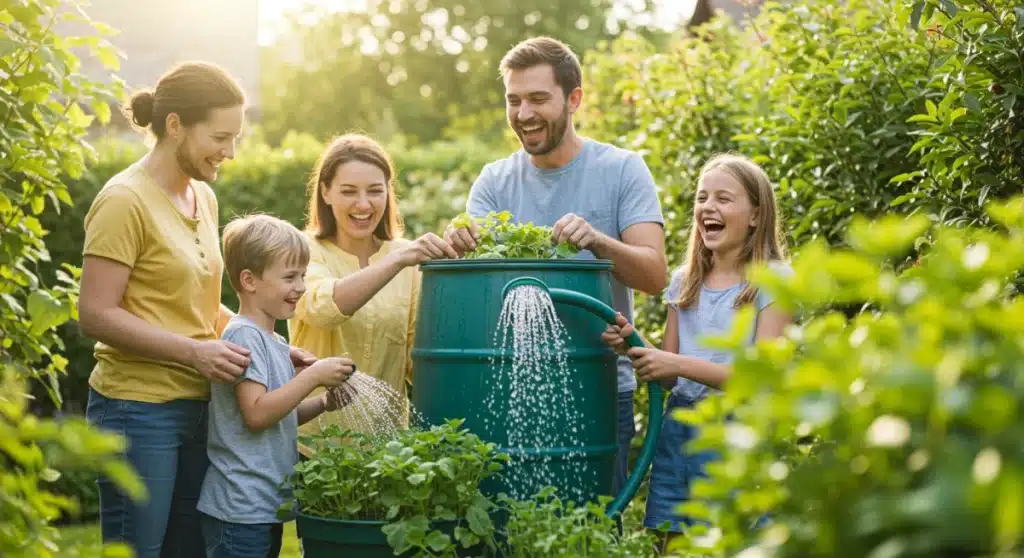
Rainwater harvesting involves collecting precipitation from rooftops and storing it for later use in irrigation or toilet flushing. Graywater systems treat water from sinks, showers, and laundry to be repurposed for similar non-potable applications. While these systems require an initial investment and adherence to local regulations, their long-term benefits for water conservation are immense.
benefits and considerations for advanced systems
- Rainwater harvesting: Reduces stormwater runoff and provides a free water source.
- Graywater recycling: Extends the life of water used indoors for outdoor purposes.
- Local regulations: Always check local codes and permits before installation.
Implementing rainwater harvesting or graywater systems can dramatically reduce your reliance on fresh drinking water for tasks that don’t require it. These strategies not only conserve water but also reduce your overall environmental footprint, showcasing a deep commitment to sustainable living. Exploring these options can be a powerful way to exceed your 20% water usage reduction goal.
strategy 6: cultivating water-wise habits
While technological upgrades and system installations are effective, the most accessible and immediate way to conserve water is by cultivating water-wise habits in daily life. These small, consistent changes across all household members can collectively lead to substantial reductions in water consumption. It’s about fostering a culture of mindfulness around water use.
These habits require minimal effort but offer significant returns. From how you wash dishes to how you manage your laundry, every action has an impact. Encouraging everyone in the household to participate in these practices ensures a collective effort towards the 20% reduction target, making water conservation a shared responsibility and a natural part of daily routines.
daily routines for water efficiency
- Turn off the tap: While brushing teeth, shaving, or washing dishes by hand.
- Full loads only: Run dishwashers and washing machines only when they are completely full.
- Shorten showers: Aim for shorter shower times to save gallons daily.
Integrating these simple, water-saving habits into your daily life is a fundamental step towards achieving your conservation goals. These practices require no special equipment, just a conscious effort to be more efficient with water. By adopting these mindful routines, you not only save water but also instill a greater appreciation for this vital resource within your household.
| Strategy | Brief Description |
|---|---|
| Smart Irrigation | Automated systems water based on weather and soil moisture. |
| Leak Detection | Regular checks and prompt repair of household leaks. |
| Efficient Appliances | Upgrading to WaterSense and Energy Star certified devices. |
| Water-Wise Habits | Daily practices like shorter showers and turning off faucets. |
frequently asked questions about water conservation
The simplest way to begin water conservation is by checking for and fixing leaks, especially in toilets and faucets. These often go unnoticed but can waste significant amounts of water, making their repair a quick and impactful first step for any household.
With a combination of smart strategies like efficient appliances, leak repair, and water-wise habits, a family can realistically save thousands of gallons of water annually, often achieving a 20% reduction or more, leading to lower utility bills.
Yes, smart irrigation systems are highly beneficial. They optimize watering schedules based on real-time weather and soil conditions, preventing overwatering and significantly reducing outdoor water consumption, which often accounts for a large portion of household usage.
Graywater recycling involves reusing water from sinks, showers, and laundry for non-potable purposes like irrigation. When properly filtered and managed according to local regulations, it is safe for specific home uses and significantly reduces reliance on fresh water.
Encourage family members by explaining the environmental and financial benefits of water conservation. Lead by example, make it a fun challenge, and involve everyone in identifying and implementing water-saving practices throughout the home.
conclusion
Achieving a 20% reduction in household water usage in 2025 is an ambitious yet entirely attainable goal for any American home. By integrating smart technologies, addressing inefficiencies like leaks, and cultivating mindful daily habits, families can significantly lower their water footprint. These strategies not only contribute to environmental sustainability but also offer tangible financial benefits through reduced utility bills. Embracing water conservation is a step towards a greener, more resilient future for our communities and the planet.