Zero-Waste Living: 10 Steps to Halve Household Landfill Waste
Anúncios
Implementing zero-waste living involves conscious consumption and waste reduction strategies to significantly decrease a household’s landfill contribution, targeting a 50% reduction by 2026 through practical, actionable steps.
Zero-waste living steps are more accessible than ever, offering a powerful path to dramatically reduce your household’s environmental footprint. Imagine cutting your landfill contribution by half before 2026; it’s an ambitious yet entirely achievable goal with the right strategies and commitment. This guide outlines 10 practical steps to transform your home into a beacon of sustainability.
Understanding the Zero-Waste Philosophy
The concept of zero-waste extends beyond just recycling; it’s a holistic approach to minimize our impact on the planet by redesigning our entire lifestyle. It encourages us to rethink our consumption patterns, prioritizing avoidance, reduction, reuse, and composting before resorting to recycling. This philosophy aims to keep resources in use for as long as possible, mimicking natural cycles where nothing is truly wasted.
Embracing zero-waste living involves a fundamental shift in mindset, moving away from a linear ‘take-make-dispose’ economy towards a circular one. It’s about conscious choices at every turn, from the products we buy to the way we manage our discards. The ultimate goal is to send nothing to landfills, incinerators, or the ocean, preserving finite resources and protecting ecosystems.
The 5 Rs of Zero Waste
At the core of the zero-waste movement are the five Rs, a hierarchical framework guiding our actions:
- Refuse: Say no to single-use plastics, freebies, and anything you don’t truly need.
- Reduce: Minimize your consumption and declutter your life.
- Reuse: Opt for reusable items over disposables and repair what’s broken.
- Recycle: Properly recycle what cannot be refused, reduced, or reused.
- Rot: Compost organic waste to return nutrients to the earth.
By diligently applying these principles, households can significantly decrease their waste output. This framework provides a clear roadmap for anyone looking to embark on a zero-waste journey, making the process less daunting and more actionable.
Understanding these foundational principles is the first crucial step in making meaningful progress towards a zero-waste lifestyle. It sets the stage for implementing practical changes that collectively lead to a substantial reduction in your household’s waste footprint.
Step 1: Conduct a Home Waste Audit
Before you can effectively reduce your waste, you need to understand what you’re currently throwing away. A home waste audit is a simple yet powerful tool to identify common waste streams and pinpoint areas for improvement. This involves collecting and examining your household’s trash over a typical week, providing invaluable insights into your consumption habits.
Begin by designating a separate bin for a week to collect all non-recyclable and non-compostable waste. At the end of the week, carefully sort through the contents, categorizing items by type: food packaging, plastic bags, paper waste, personal care product containers, etc. This hands-on exercise can be quite revealing, often highlighting surprising sources of waste you might not have considered.
What to Look For During Your Audit
When conducting your waste audit, pay close attention to:
- Frequent offenders: Identify items that appear repeatedly, such as single-serving snack wrappers or disposable coffee cups.
- Organic waste: Estimate the percentage of food scraps and garden waste that could be composted.
- Recyclable materials: Note any items thrown in the trash that could have been recycled.
Documenting your findings, even with simple notes or photos, will create a baseline. This baseline is critical for tracking your progress and celebrating your achievements as you implement zero-waste strategies. It provides concrete data to motivate further changes and helps you prioritize which areas to tackle first for maximum impact.
A thorough waste audit serves as your personalized blueprint for waste reduction. It moves the discussion from abstract concepts to tangible actions, empowering you to make informed decisions about your purchases and disposal habits. This foundational step is essential for any serious commitment to zero-waste living.
Step 2: Embrace Reusables and Ditch Disposables
One of the most impactful zero-waste living steps is the conscious shift from disposable items to durable, reusable alternatives. This simple change can drastically cut down on single-use waste that often ends up in landfills or pollutes our environment. It requires a bit of upfront investment and habit formation but pays dividends in both ecological and economic terms over time.
Consider the items you use daily that are designed for a single use: coffee cups, plastic water bottles, grocery bags, and food containers. Each of these represents an opportunity to make a more sustainable choice. By making the switch, you not only reduce waste but also gain the convenience and often the superior quality of reusable products.
Essential Reusable Swaps
Starting with a few key items can make a significant difference:
- Shopping bags: Always carry reusable bags for groceries and other purchases.
- Water bottles and coffee cups: Invest in a good quality reusable bottle and travel mug.
- Food containers: Use glass or stainless steel containers for leftovers and meal prep instead of plastic wrap or disposable bags.
- Cutlery and straws: Keep a set of reusable cutlery and a metal or bamboo straw in your bag for eating out.
Making these swaps reduces your immediate waste and fosters a more mindful approach to consumption. Over time, you’ll find yourself instinctively reaching for the reusable option, making it a natural part of your routine. This step is a cornerstone of effective waste reduction and a visible commitment to a greener lifestyle.
The transition to reusables is a powerful statement against the throwaway culture. It demonstrates that convenience doesn’t have to come at the expense of the planet, proving that thoughtful consumption can be both practical and impactful.
Step 3: Master the Art of Composting
Composting is a cornerstone of zero-waste living steps, offering a natural and effective way to divert organic waste from landfills. Food scraps and yard waste constitute a significant portion of household trash, and when sent to landfills, they decompose anaerobically, producing methane—a potent greenhouse gas. Composting, however, transforms these materials into nutrient-rich soil amendment, closing the loop on organic matter.
Many people perceive composting as complicated or messy, but it can be surprisingly simple, even for those living in apartments. There are various methods available, from traditional backyard compost piles to indoor vermicomposting (worm composting) and community composting programs. The key is to find a system that fits your living situation and lifestyle.
Getting Started with Composting
To begin composting, consider these options:
- Backyard composting: Ideal for homes with outdoor space, involves a simple bin or pile for food scraps, leaves, and grass clippings.
- Worm composting (vermicomposting): A great indoor option for apartments, using a bin with specific worms to break down food waste.
- Community composting: Many cities offer drop-off points or curbside collection for organic waste, making it accessible for everyone.
The benefits of composting extend beyond waste reduction. The resulting compost enriches soil, improves water retention, and reduces the need for chemical fertilizers. It’s a tangible way to contribute to healthier ecosystems and support local plant life, whether in your garden or a community green space.
Embracing composting fundamentally changes your relationship with food waste, transforming it from a problem into a valuable resource. It’s an empowering practice that directly contributes to reducing your household’s landfill impact and fostering a more sustainable cycle of consumption.
Step 4: Shop Smart and Buy in Bulk
Conscious consumerism is a vital component of successful zero-waste living steps. This means making deliberate choices about what you buy, how it’s packaged, and where it comes from. Shopping smart and buying in bulk are two powerful strategies that significantly reduce packaging waste and often save money in the long run.
Supermarkets are often filled with individually wrapped items and excessive packaging. By seeking out alternatives, you can minimize your footprint. This might involve visiting farmers’ markets, specialty bulk stores, or even making certain items from scratch at home. The goal is to avoid unnecessary packaging that contributes to landfill waste.
Tips for Smart, Bulk Shopping
To maximize your impact, consider these practices:
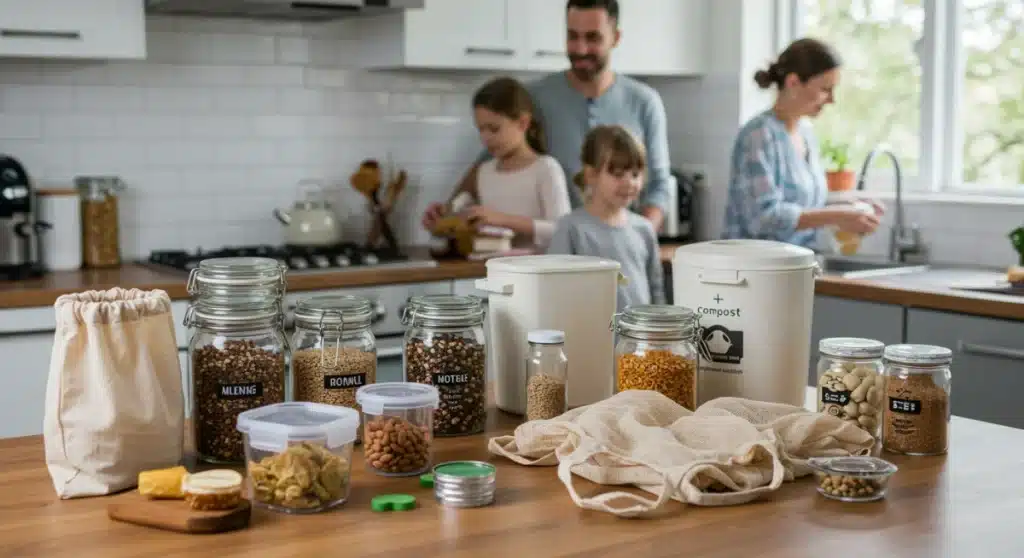
- Bring your own containers: Use reusable cloth bags for produce and bring jars or containers for bulk dry goods like grains, nuts, and spices.
- Prioritize unpackaged items: Choose fresh produce without plastic wrap or trays.
- Support local businesses: Farmers’ markets often offer unpackaged goods and reduce transportation emissions.
Buying in bulk not only reduces packaging but also often leads to cost savings, as you’re not paying for the branding and packaging of smaller units. It requires a bit of planning and perhaps a slight change in your shopping routine, but the environmental and financial benefits are substantial. This approach encourages a deeper connection with your food and products.
By adopting smart shopping habits and embracing bulk purchases, you actively participate in a system that values resource conservation over disposability. This step is a direct challenge to the linear economy and a firm commitment to a more sustainable future.
Step 5: Reduce Food Waste Through Planning and Preservation
Food waste is a global crisis, with a significant portion occurring at the household level. Implementing effective strategies to reduce food waste is one of the most critical zero-waste living steps. Beyond the ethical implications of wasting edible food, it also represents a colossal waste of resources—water, energy, and labor—used to produce, transport, and store it.
The good news is that reducing food waste is entirely within your control and can lead to substantial savings on your grocery bill. It primarily involves better planning, smarter storage, and creative use of leftovers. This approach not only minimizes your landfill contribution but also optimizes your food budget and culinary efforts.
Key Strategies for Food Waste Reduction
Adopt these practices to make a difference:
- Meal planning: Plan your meals for the week to buy only what you need.
- Proper storage: Learn how to store different foods correctly to extend their shelf life.
- Creative cooking: Transform leftovers into new dishes or use vegetable scraps for broths.
- First-in, first-out: Use older ingredients before newer ones to prevent spoilage.
Preservation techniques like freezing, canning, and dehydrating can also play a vital role in preventing food from going bad. If you have an abundance of seasonal produce, preserving it ensures it can be enjoyed later, avoiding waste. This mindful approach to food ensures that every ingredient is valued and utilized to its fullest potential.
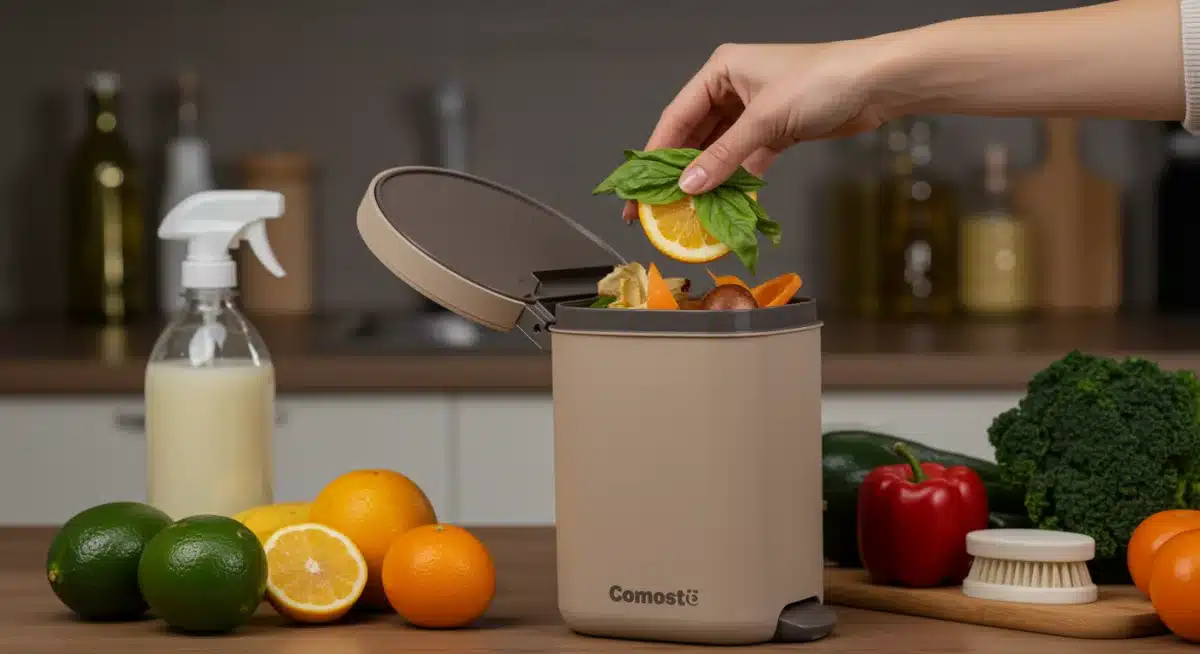
By actively reducing food waste, you contribute to a more efficient food system and significantly lighten your household’s waste load. This step is a powerful demonstration of how small, consistent efforts can lead to meaningful environmental benefits.
Step 6: Opt for Durable, Repairable Goods
In a consumer-driven society, the temptation to buy cheap, disposable items is ever-present. However, one of the most effective zero-waste living steps involves consciously choosing durable, high-quality goods that are designed to last and can be repaired. This approach challenges the ‘fast fashion’ and ‘planned obsolescence’ models, promoting longevity and resource conservation.
When you invest in well-made items, whether it’s clothing, electronics, or household appliances, you reduce the frequency of needing replacements. This means less consumption of new resources, less energy used in manufacturing, and ultimately, less waste sent to landfills. It’s a long-term strategy that benefits both your wallet and the planet.
Making Smart Purchasing Decisions
Consider these factors when buying:
- Research brands: Look for companies known for quality, durability, and ethical manufacturing practices.
- Check warranties and repairability: Opt for products with good warranties and readily available spare parts or repair services.
- Embrace second-hand: Furniture, clothing, and electronics can often be found in excellent condition at thrift stores or online marketplaces.
The ‘repair economy’ is also gaining traction, with a growing number of repair cafes and independent technicians specializing in fixing everything from electronics to textiles. Learning basic repair skills yourself can also be incredibly empowering and further extend the life of your possessions. This mindset shift transforms items from disposable commodities into valued assets.
By consciously choosing durable and repairable goods, you actively participate in a circular economy, significantly reducing your contribution to the waste stream. This step embodies a profound commitment to sustainability and a rejection of the throwaway culture.
Step 7: Green Your Cleaning Routine
Your cleaning routine, often overlooked, presents a significant opportunity for implementing zero-waste living steps. Traditional cleaning products often come in single-use plastic bottles, contain harsh chemicals, and contribute to both landfill waste and water pollution. Shifting to greener, zero-waste cleaning alternatives can improve your home’s environmental footprint and your family’s health.
Making your own cleaning solutions from simple, natural ingredients is often more effective and far less expensive than store-bought options. Ingredients like baking soda, vinegar, lemon juice, and essential oils can tackle most household cleaning tasks, eliminating the need for a cabinet full of specialized products and their accompanying plastic packaging.
DIY Zero-Waste Cleaning Essentials
Start with these simple recipes and practices:
- All-purpose cleaner: Mix white vinegar and water (50/50) with a few drops of essential oil in a reusable spray bottle.
- Scouring paste: Combine baking soda with a little water to form a paste for tough grime.
- Reusable cloths: Replace paper towels with washable microfiber cloths or old cotton t-shirts.
- Plastic-free brushes: Opt for wooden brushes with natural bristles for scrubbing dishes and surfaces.
Beyond reducing plastic waste, green cleaning also means avoiding harmful chemicals that can impact indoor air quality and pollute waterways. By choosing natural ingredients, you create a safer home environment for children and pets, and you reduce your exposure to potential irritants. This holistic approach benefits both your household and the broader ecosystem.
Transforming your cleaning routine into a zero-waste practice is a tangible way to live more sustainably. It proves that a clean home doesn’t require a pile of plastic and chemicals, offering a simple yet powerful step towards a greener lifestyle.
Step 8: Rethink Personal Care and Beauty Products
The bathroom is often a hidden source of plastic waste, from shampoo bottles to toothpaste tubes and disposable razors. Integrating zero-waste living steps into your personal care and beauty routine can significantly reduce this often-overlooked waste stream. It involves seeking out innovative, packaging-free, or refillable alternatives that align with sustainable values.
Many mainstream personal care products contain microplastics and synthetic ingredients that are harmful to the environment and potentially to human health. Embracing zero-waste alternatives often means choosing products with natural ingredients, minimal packaging, and a focus on longevity and reusability. This shift supports a healthier planet and often a healthier you.
Sustainable Personal Care Swaps
Consider these impactful changes:
- Solid shampoo and conditioner bars: Eliminate plastic bottles entirely.
- Safety razors: Opt for a durable metal safety razor with recyclable blades instead of disposable plastic ones.
- Toothpaste tablets or powders: Replace traditional tubes with packaging-free alternatives.
- Reusable cotton rounds: Swap disposable cotton pads for washable versions for makeup removal and toning.
The zero-waste beauty movement is growing rapidly, with an increasing number of brands offering innovative solutions. From refillable deodorant to bamboo toothbrushes, there are sustainable options for almost every personal care need. This not only reduces waste but also encourages a more minimalist and mindful approach to self-care.
By conscientiously rethinking your personal care and beauty products, you make a significant contribution to reducing plastic pollution. This step demonstrates that personal well-being and environmental responsibility can go hand in hand, fostering a more sustainable daily routine.
Step 9: Manage Digital Waste and Paper Consumption
While often less visible than physical waste, digital waste and excessive paper consumption also contribute to environmental strain. Addressing these areas is an important aspect of comprehensive zero-waste living steps. From energy consumption in data centers to the resources used in paper production, mindful management can lead to significant environmental benefits.
Paper production consumes vast amounts of wood, water, and energy, and often involves bleaching chemicals. Similarly, the increasing volume of digital data requires energy-intensive storage and processing. By adopting habits that reduce both physical and digital clutter, you can minimize your resource footprint in less obvious but equally important ways.
Strategies for Reducing Digital and Paper Waste
Implement these practices for a lighter footprint:
- Go paperless: Opt for e-statements, e-bills, and digital documents whenever possible.
- Unsubscribe from junk mail: Use services to reduce unsolicited physical mail.
- Declutter digital files: Regularly delete unnecessary emails, photos, and files to reduce data storage energy.
- Print only when necessary: If you must print, use both sides of the paper and recycle it afterward.
Reducing digital waste also involves being mindful of your online activities, such as streaming habits and the number of devices you use. While the impact of a single email might seem negligible, collectively, digital waste has a substantial environmental cost. By consciously managing your digital footprint, you extend your zero-waste efforts beyond physical objects.
This step highlights that zero-waste living is about more than just what goes into your trash bin; it encompasses all forms of resource consumption. By tackling both paper and digital waste, you create a more efficient and environmentally friendly household.
Step 10: Educate and Advocate for Change
The final, yet perhaps most crucial, of the zero-waste living steps is to educate yourself and others, and to advocate for broader systemic change. While individual actions are vital, true zero-waste cannot be achieved without collective effort and policy shifts. Your journey can inspire those around you and contribute to a larger movement towards sustainability.
Learning more about waste management, recycling infrastructure, and the environmental impact of various products empowers you to make better choices and to articulate the importance of these issues to others. Sharing your experiences and knowledge can demystify zero-waste living for friends, family, and community members, making it seem more achievable.
Ways to Educate and Advocate
Engage in these activities to amplify your impact:
- Share your journey: Talk about your zero-waste successes and challenges with friends and family.
- Support eco-friendly businesses: Vote with your dollar by choosing companies committed to sustainability.
- Participate in community initiatives: Join local clean-ups, composting programs, or environmental groups.
- Advocate for policy change: Contact local representatives to support policies that promote waste reduction and circular economy principles.
Advocacy can take many forms, from simply sharing an article on social media to actively participating in local environmental meetings. Every voice that speaks up for sustainability contributes to building a stronger, more informed movement. This collective action is essential for creating the infrastructure and cultural norms that support a truly zero-waste society.
By educating yourself and becoming an advocate, you move beyond personal responsibility to inspire broader change. This step transforms individual efforts into a powerful force for environmental good, paving the way for a more sustainable future for everyone.
| Key Step | Brief Description |
|---|---|
| Waste Audit | Understand current waste habits to identify areas for reduction. |
| Embrace Reusables | Swap disposables for durable, reusable items like bags and bottles. |
| Composting | Divert organic waste to create nutrient-rich soil, reducing landfill methane. |
| Smart Shopping | Buy in bulk and choose unpackaged goods to minimize packaging waste. |
Frequently Asked Questions About Zero-Waste Living
The main goal of zero-waste living is to minimize the amount of trash sent to landfills, incinerators, or the ocean. It encourages a circular economy where resources are kept in use for as long as possible, mimicking nature’s cycles and drastically reducing environmental impact.
While some initial investments in reusable items might be necessary, zero-waste living often saves money in the long run. Buying in bulk, reducing food waste, and choosing durable goods can lead to significant financial benefits over time, offsetting initial costs.
Effective food waste reduction involves meal planning, proper food storage, creative use of leftovers, and understanding expiration dates. Composting any unavoidable food scraps further ensures organic matter returns to the earth without contributing to landfill methane.
The 5 Rs stand for Refuse, Reduce, Reuse, Recycle, and Rot (Compost). This hierarchy guides individuals in prioritizing actions to minimize waste, starting with avoiding unnecessary items and ending with composting organic materials to complete the cycle.
Absolutely. While individual actions might seem small, collective efforts from many households create a significant impact. Each household reducing its waste by 50% contributes substantially to reducing overall landfill burden and inspires broader community and systemic changes towards sustainability.
Conclusion
Embarking on the journey of zero-waste living steps is a profound commitment to a more sustainable future, offering tangible benefits for both your household and the planet. By systematically implementing these 10 practical steps, from conducting a waste audit to advocating for broader change, you can realistically achieve a 50% reduction in your household’s landfill contribution before 2026. This transformation is not merely about minimizing trash; it’s about fostering a mindful approach to consumption, valuing resources, and actively participating in creating a healthier, more resilient world. Every small choice, every conscious swap, and every shared insight contributes to a powerful collective movement, proving that a greener future is within our reach.