Top 3 Renewable Energy Technologies in the U.S. for 2026
Anúncios
By 2026, the U.S. energy sector will be significantly shaped by advancements in solar photovoltaic systems, offshore wind power, and enhanced geothermal technologies, driving a cleaner, more resilient grid.
As we navigate the mid-2020s, the energy landscape in the United States is undergoing a profound transformation, driven by an urgent need for sustainability and energy independence. The question on many minds is, which advancements will truly make a difference? This article explores the 3 most impactful renewable energy technologies to watch in the U.S. in 2026, poised to redefine how America powers its future.
Solar Photovoltaics: Beyond the Rooftop
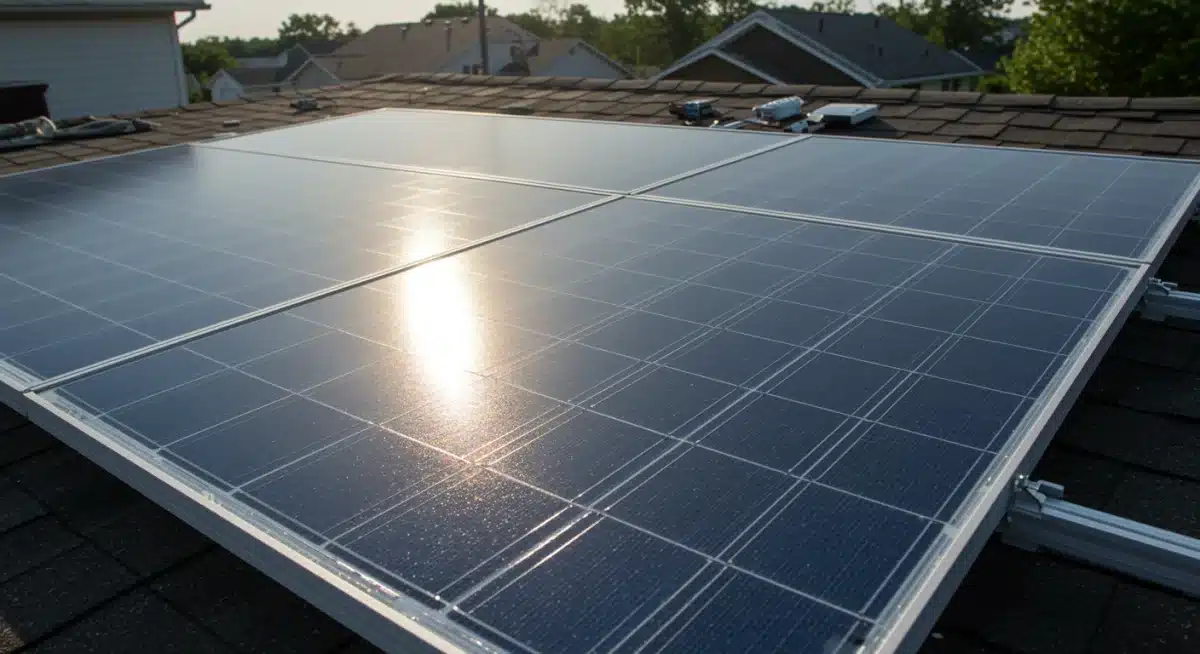
Solar photovoltaic (PV) technology has been a cornerstone of renewable energy for decades, but by 2026, its impact in the U.S. is set to expand dramatically beyond traditional rooftop installations. We are witnessing a maturation of PV technology, coupled with innovative deployment strategies that are making solar power more accessible and efficient than ever before.
The evolution of solar cells is key to this growth. While silicon-based panels remain dominant, new materials and designs are pushing efficiency limits and reducing costs, making solar an increasingly attractive option for large-scale projects and everyday consumers alike. This includes bifacial modules and advanced PERC (Passivated Emitter Rear Cell) technology, which capture sunlight from both sides and improve performance in varying conditions.
Advanced Solar Cell Technologies
The relentless pursuit of higher efficiency and lower costs is leading to significant breakthroughs in solar cell design. These innovations are not just incremental; they are fundamental shifts that promise to unlock new potentials for solar deployment.
- Perovskite Solar Cells: These emerging cells offer high efficiency and low manufacturing costs, with potential for flexible and transparent applications. Their scalability is a major focus for 2026.
- Bifacial Solar Panels: Designed to capture sunlight from both the front and rear sides, these panels significantly increase energy yield, especially in ground-mounted and utility-scale projects.
- Concentrated Photovoltaics (CPV): Utilizing lenses or mirrors to focus sunlight onto small, highly efficient multi-junction solar cells, CPV is ideal for areas with high direct normal irradiance.
Integrated Solar Solutions and Grid Modernization
Beyond individual panel efficiency, the integration of solar power into the broader energy grid is becoming increasingly sophisticated. Smart inverters, advanced metering infrastructure, and bidirectional charging for electric vehicles are all contributing to a more resilient and responsive grid that can seamlessly incorporate variable renewable sources.
The U.S. is investing heavily in grid modernization, recognizing that a decentralized energy system requires robust digital infrastructure. This includes predictive analytics for solar output, real-time demand response mechanisms, and enhanced cybersecurity measures to protect critical energy infrastructure.
In conclusion, solar photovoltaics in 2026 will not just be about generating electricity; it will be about intelligent energy management, enhanced efficiency, and a broader integration into the fabric of the U.S. power grid, moving beyond simple power generation to become a sophisticated, interconnected energy solution.
Offshore Wind Power: Taming the Coastal Winds
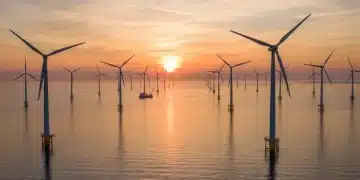
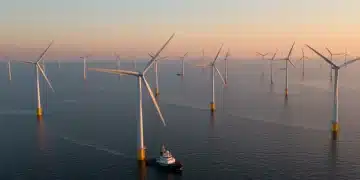
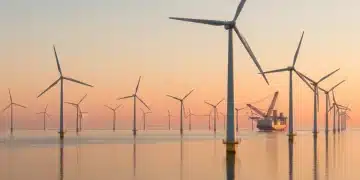
Offshore wind energy is poised to become a monumental force in the U.S. energy mix by 2026, leveraging the vast and consistent wind resources available along the nation’s coasts. While Europe has led in offshore wind development, the U.S. is rapidly catching up, driven by ambitious federal and state policies, technological advancements, and a growing understanding of its economic and environmental benefits.
The sheer scale of offshore wind projects offers a significant advantage. A single offshore wind farm can power hundreds of thousands of homes, providing a reliable source of clean energy that complements intermittent solar power. The development of larger turbines and innovative foundation technologies is critical to unlocking this potential.
Technological Innovations in Offshore Wind
The success of offshore wind in the U.S. hinges on overcoming engineering challenges unique to its deep waters and sometimes harsh marine environments. Innovations in turbine design and installation methods are making these projects more feasible and cost-effective.
- Larger Turbine Capacities: The trend towards ever-larger turbines, reaching capacities of 15 MW or more, allows for greater energy capture per installation, reducing the overall footprint and cost per megawatt.
- Floating Offshore Wind Platforms: Crucial for deployment in deeper waters off the U.S. Pacific coast and parts of the Atlantic, floating platforms open up vast new areas for wind farm development where traditional fixed-bottom foundations are not viable.
- Advanced Installation Vessels: Specialized ships capable of transporting and installing massive turbine components are essential for the efficient and safe construction of offshore wind farms.
Economic Impact and Supply Chain Development
The growth of offshore wind is not just an environmental story; it’s an economic one. The development of a robust domestic supply chain, from manufacturing turbine components to port infrastructure and specialized labor, is creating thousands of jobs and driving significant investment in coastal communities.
States like New York, Massachusetts, and New Jersey are aggressively pursuing offshore wind projects, building new port facilities and establishing training programs for the specialized workforce required. This localized economic development is a powerful driver for the technology’s adoption.
In summary, offshore wind power in the U.S. by 2026 will be characterized by massive project deployment, driven by technological leaps in turbine size and floating foundations, fostering a new era of coastal economic development and significantly contributing to national energy goals.
Enhanced Geothermal Systems (EGS): Tapping Earth’s Deep Heat
Often overlooked in the renewable energy conversation, Enhanced Geothermal Systems (EGS) are emerging as a game-changer for the U.S. in 2026. Unlike traditional geothermal plants that rely on naturally occurring hot water reservoirs, EGS technology actively creates or enhances these reservoirs by injecting water into hot, dry rock formations deep underground, making geothermal energy accessible in far more locations across the country.
The appeal of EGS lies in its remarkable reliability. Geothermal power runs 24/7, unaffected by weather conditions, offering a crucial baseload power source that can stabilize grids increasingly reliant on intermittent renewables like solar and wind. This constant, dispatchable power is invaluable for achieving a truly decarbonized energy system.
Innovations in Drilling and Reservoir Engineering
The advancement of EGS is heavily dependent on sophisticated drilling techniques and a deeper understanding of subsurface geology. The challenges are significant, but breakthroughs are making these projects more viable.
- Advanced Drilling Technologies: Innovations borrowed from the oil and gas industry, such as directional drilling and hydraulic fracturing, are being adapted to create and optimize geothermal reservoirs with greater precision and efficiency.
- Seismic Monitoring and Mitigation: Addressing concerns about induced seismicity, advanced monitoring systems and improved understanding of geological stress are allowing for safer and more controlled EGS operations.
- Closed-Loop Geothermal Systems: These systems cycle a working fluid through a closed loop underground, extracting heat without direct interaction with the rock, minimizing water use and environmental impact.
Geographic Expansion and Policy Support
Historically, geothermal development in the U.S. has been concentrated in Western states with obvious geothermal resources. EGS, however, promises to open up vast new regions, including the Eastern U.S., where hot, dry rock formations exist at accessible depths.
Increased federal funding for geothermal research and development, coupled with state-level incentives, is accelerating the deployment of EGS projects. The Department of Energy’s initiatives are particularly focused on de-risking early-stage EGS projects and demonstrating their commercial viability.
In conclusion, Enhanced Geothermal Systems (EGS) will be a critical, dispatchable renewable energy source in the U.S. by 2026, expanding geothermal’s reach far beyond traditional areas through advanced drilling and reservoir engineering, providing stable power to support a greener grid.
Energy Storage Solutions: The Unsung Hero
While solar, wind, and geothermal generate clean electricity, energy storage solutions are the crucial enablers that ensure these intermittent and baseload power sources can reliably meet demand. By 2026, advancements in energy storage, particularly battery technologies and novel approaches, will be profoundly impactful in the U.S., transforming grid stability and efficiency.
The increasing penetration of variable renewables necessitates robust storage solutions to balance supply and demand. Without effective storage, excess renewable energy can be curtailed, and grid stability can be compromised. Therefore, the evolution of storage is intrinsically linked to the success of all other renewable technologies.
Next-Generation Battery Technologies
Lithium-ion batteries currently dominate the energy storage market, but research and development are rapidly advancing other chemistries and designs that promise greater longevity, safety, and lower costs.
- Solid-State Batteries: Offering higher energy density and improved safety compared to liquid electrolyte lithium-ion batteries, solid-state technology is attracting significant investment for grid-scale applications.
- Flow Batteries: Utilizing liquid electrolytes stored in external tanks, flow batteries are ideal for long-duration storage applications, offering scalable capacity independent of power output.
- Sodium-Ion Batteries: As a more abundant and less expensive alternative to lithium, sodium-ion batteries are gaining traction for stationary storage, reducing reliance on critical minerals.
Beyond Batteries: Diverse Storage Approaches
While batteries are vital, a diverse portfolio of storage technologies is essential to meet various grid needs, from short-duration frequency regulation to long-duration seasonal storage.
Pumped-hydro storage remains the largest form of grid-scale energy storage globally, and new projects are being explored, though often facing environmental and geographical constraints. However, other mechanical and thermal storage solutions are also gaining traction. Compressed air energy storage (CAES) and liquid air energy storage (LAES) offer large-scale, long-duration capabilities, often leveraging existing infrastructure or geological formations. Thermal energy storage, frequently paired with concentrated solar power, uses materials like molten salt to store heat for later electricity generation.
In conclusion, energy storage solutions, encompassing advanced battery chemistries and diverse mechanical and thermal systems, will be the unsung hero of the U.S. energy transition by 2026, providing the flexibility and resilience needed to integrate a high penetration of renewables and ensure grid stability.
Policy and Investment Landscape: Fueling the Future
The rapid acceleration of renewable energy technologies in the U.S. by 2026 is not solely driven by scientific innovation; it is also heavily influenced by a supportive policy and investment landscape. Government incentives, regulatory frameworks, and private sector capital are creating an ecosystem conducive to unprecedented growth in clean energy.
Federal initiatives, such as the Inflation Reduction Act, have provided significant tax credits and grants, dramatically improving the economics of solar, wind, geothermal, and energy storage projects. These long-term policy signals offer certainty to investors and developers, catalyzing massive private investment.
Governmental Support and Incentives
The role of federal and state governments in de-risking renewable energy projects and stimulating market growth cannot be overstated. These policies are designed to accelerate deployment and foster a domestic clean energy industry.
- Investment Tax Credits (ITC): Extended and expanded, the ITC provides substantial financial incentives for solar and storage projects, making them more competitive against fossil fuels.
- Production Tax Credits (PTC): Similar to the ITC but based on electricity produced, the PTC supports wind energy projects, ensuring their long-term economic viability.
- Loan Programs and Grants: The Department of Energy and other agencies offer loan guarantees and grants for innovative clean energy projects, particularly for nascent technologies like EGS.
Private Sector Investment and Innovation Hubs
Beyond government support, venture capital and private equity are pouring into the clean energy sector, funding startups and scaling up established companies. Major corporations are also setting ambitious renewable energy targets, driving demand for innovative solutions.
Innovation hubs and research institutions across the U.S. are fostering a vibrant ecosystem of clean energy development. Partnerships between academia, industry, and government are accelerating the transition of laboratory breakthroughs into commercial applications. This collaborative environment is crucial for maintaining the U.S. leadership in renewable energy technology.
Ultimately, the synergy between robust policy frameworks and increasing private investment is creating a powerful engine for renewable energy growth in the U.S. by 2026, ensuring that the most impactful technologies receive the necessary resources to scale and transform the energy sector.
Challenges and the Path Forward
While the outlook for renewable energy in the U.S. by 2026 is overwhelmingly positive, significant challenges remain that require continued innovation and strategic planning. Overcoming these hurdles is essential for realizing the full potential of solar, offshore wind, EGS, and energy storage.
One of the primary challenges is grid infrastructure. The existing electrical grid, designed for centralized fossil fuel generation, needs substantial upgrades to accommodate the decentralized and variable nature of renewables. This includes investments in new transmission lines, smart grid technologies, and advanced control systems.
Addressing Intermittency and Grid Integration
The variable nature of solar and wind power necessitates sophisticated solutions for grid integration. While energy storage is a key component, other strategies are also vital.
- Demand-Side Management: Encouraging consumers to shift energy use to times of high renewable generation can help balance the grid without relying solely on storage.
- Hybrid Renewable Projects: Combining solar and wind with storage, or even with geothermal, can create more dispatchable and reliable power plants.
- Advanced Forecasting: Improved weather and energy demand forecasting allows grid operators to better anticipate renewable output and manage fluctuations.
Environmental and Social Considerations
Even renewable energy projects can face environmental and social challenges. Siting large-scale solar farms, offshore wind projects, and geothermal plants requires careful planning to minimize ecological impact and ensure community acceptance.
Conservation efforts, such as protecting migratory bird paths for wind farms or minimizing habitat disruption for solar installations, are paramount. Engaging with local communities early and often is also critical to ensure projects are developed responsibly and inclusively.
In conclusion, the path forward for renewable energy in the U.S. by 2026 involves not only technological progress but also strategic investments in grid infrastructure, innovative grid management techniques, and a commitment to addressing environmental and social concerns, ensuring a sustainable and equitable energy transition.
| Key Technology | Impact in U.S. by 2026 |
|---|---|
| Solar Photovoltaics | Enhanced efficiency, broader integration, and smart grid solutions. |
| Offshore Wind Power | Large-scale deployment, bigger turbines, and floating platforms opening new areas. |
| Enhanced Geothermal Systems (EGS) | Reliable baseload power, expanded geographic reach through advanced drilling. |
| Energy Storage Solutions | Crucial for grid stability, integrating renewables, and diverse battery tech. |
Frequently Asked Questions About U.S. Renewable Energy in 2026
The main drivers include strong federal and state policies like tax credits, technological advancements reducing costs and increasing efficiency, and growing public and corporate demand for sustainable energy solutions to combat climate change and enhance energy independence.
By 2026, solar will see widespread adoption of advanced cell types like perovskites and bifacial panels, alongside sophisticated grid integration and smart energy management systems, enabling more efficient and versatile large-scale deployments.
Offshore wind’s impact stems from its vast, consistent resource potential, enabled by larger turbine capacities and floating platform technologies. It promises significant job creation, substantial clean energy output, and economic development in coastal regions.
EGS is a game-changer because it provides reliable, 24/7 baseload power, independent of weather. Its advanced drilling techniques unlock geothermal resources in more regions, offering a constant, stable energy source to balance intermittent renewables.
Energy storage is critical for stabilizing the grid and maximizing renewable integration. By 2026, diverse battery technologies and other long-duration storage solutions will ensure that solar and wind power can reliably meet demand, preventing curtailment and enhancing grid resilience.
Conclusion
The U.S. energy landscape in 2026 is on the cusp of an unprecedented transformation, driven by the relentless progress in renewable energy technologies. Solar photovoltaics, offshore wind power, and Enhanced Geothermal Systems stand out as the most impactful innovations, each offering unique strengths to build a more sustainable and resilient grid. Supported by robust policy frameworks, significant private investment, and continuous innovation in energy storage, the nation is steadily moving towards a future powered by clean, abundant energy. While challenges remain, the commitment to overcoming them is strong, paving the way for a greener, more secure energy future for all Americans.