U.S. Grid Modernization: 2026 Tech for Reliability & Renewables
Anúncios
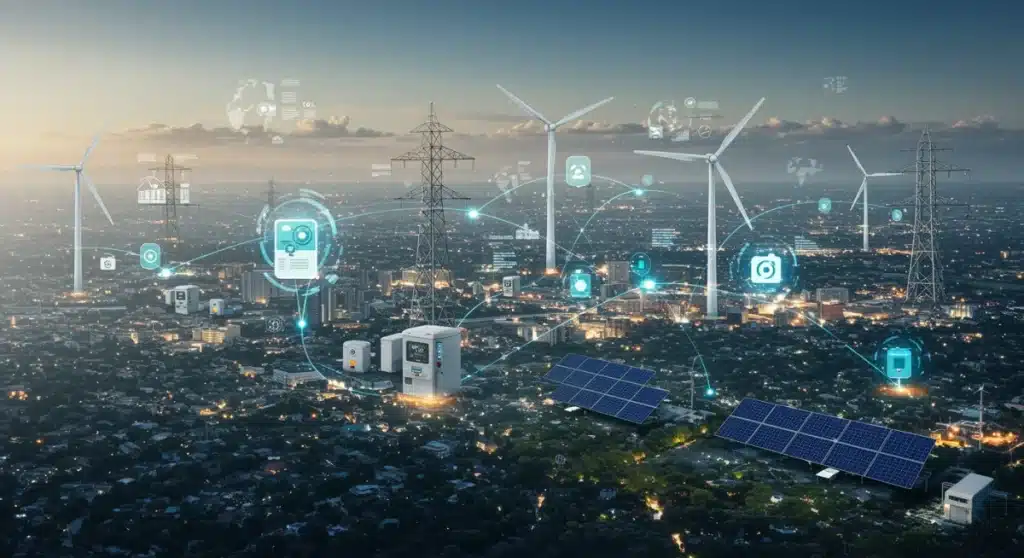
U.S. grid modernization by 2026 is poised to enhance energy reliability and integrate 20% more renewable sources through strategic investments in advanced digital technologies, smart infrastructure, and sophisticated energy management systems.
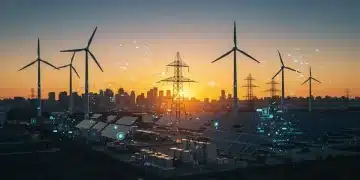
The energy landscape is undergoing a profound transformation, and nowhere is this more evident than in the United States. By 2026, the ambitious journey of U.S. grid modernization aims to fundamentally reshape how we generate, deliver, and consume electricity, promising a future of enhanced reliability and a significant surge in renewable energy integration. This evolution is not merely an upgrade; it’s a complete reimagining of our energy infrastructure, built on cutting-edge technologies and a steadfast commitment to sustainability.
the imperative for grid transformation
The existing U.S. electrical grid, largely built in the mid-20th century, was designed for a centralized, one-way flow of electricity from large power plants to consumers. This model, while effective for decades, now faces unprecedented challenges. Aging infrastructure, increasing demand, extreme weather events exacerbated by climate change, and the imperative to decarbonize our energy supply are all pushing for urgent and comprehensive modernization.
By 2026, the focus has shifted from reactive maintenance to proactive resilience. The grid must be capable of withstanding disruptions, adapting to fluctuations in supply and demand, and seamlessly incorporating a diverse array of energy sources. This fundamental shift is critical for economic stability and national security, ensuring that homes and businesses across the nation have access to reliable and sustainable power.
The transformation is not just about replacing old components; it’s about creating an intelligent, interconnected network. This new paradigm will enable real-time communication, optimize energy distribution, and empower consumers with greater control over their energy usage. Ultimately, the imperative for grid transformation is driven by the vision of a more resilient, efficient, and environmentally responsible energy future for the United States.
smart grid technologies: the backbone of modernization
At the heart of U.S. grid modernization are smart grid technologies, which are rapidly evolving to create a more intelligent and responsive energy system. These technologies leverage digital communication and advanced analytics to optimize grid operations, moving beyond the traditional analog infrastructure.
advanced sensors and smart meters
Smart meters, now widely deployed, provide real-time data on energy consumption, allowing utilities to better manage demand and identify outages more quickly. Beyond consumption, advanced sensors are being integrated throughout the transmission and distribution networks.
- Real-time Monitoring: Sensors provide continuous data on grid conditions, including voltage, current, and temperature.
- Fault Detection: Automated systems can pinpoint the exact location of faults, significantly reducing outage times.
- Predictive Maintenance: Data analytics allow utilities to anticipate equipment failures before they occur, scheduling maintenance proactively.
These capabilities transform the grid from a passive delivery system into an active, self-monitoring, and self-healing network. The insights gained from these devices are crucial for optimizing energy flow and minimizing waste.
communication infrastructure and data analytics
A robust communication infrastructure, often utilizing fiber optics and secure wireless networks, is essential for smart grid functionality. This network enables the rapid exchange of data between sensors, smart meters, and control centers. Coupled with powerful data analytics platforms, this information allows for:
- Optimized Energy Routing: Dynamically rerouting power to prevent overloads and ensure efficient delivery.
- Demand Response Programs: Utilities can incentivize consumers to reduce energy use during peak times, balancing the grid.
- Cybersecurity Enhancements: Protecting sensitive grid data and operational controls from malicious attacks.
The sheer volume of data generated by smart grid components requires sophisticated analytical tools, often powered by artificial intelligence and machine learning. These tools are key to unlocking the full potential of a modernized grid, enabling unprecedented levels of efficiency and reliability.
integrating renewables: a 20% increase by 2026
A cornerstone of U.S. grid modernization by 2026 is the ambitious goal of integrating 20% more renewable energy sources. This signifies a monumental shift from fossil fuel dependence to a cleaner, more sustainable energy portfolio. Achieving this target requires not only the construction of more wind and solar farms but also the sophisticated technological advancements to manage their inherent intermittency.
The grid of the past struggled with the variable nature of renewables; sunshine isn’t constant, and winds ebb and flow. However, new technologies are making it possible to harness these clean energy sources effectively and reliably. This integration is vital for meeting climate goals and ensuring a diverse energy supply, reducing reliance on finite resources.
Furthermore, the distributed nature of many renewable installations, such as rooftop solar, necessitates a grid that can handle two-way power flows. This contrasts sharply with the traditional unidirectional model, demanding a more dynamic and flexible infrastructure. Successfully integrating this increased renewable capacity will be a testament to the advancements in grid technology and policy.
energy storage solutions: key to renewable integration
The ability to store energy is paramount for the successful integration of a higher percentage of renewable sources into the grid. By 2026, energy storage solutions, particularly advanced battery technologies, are playing a critical role in stabilizing the grid and ensuring a continuous power supply, even when the sun isn’t shining or the wind isn’t blowing.
advancements in battery technology
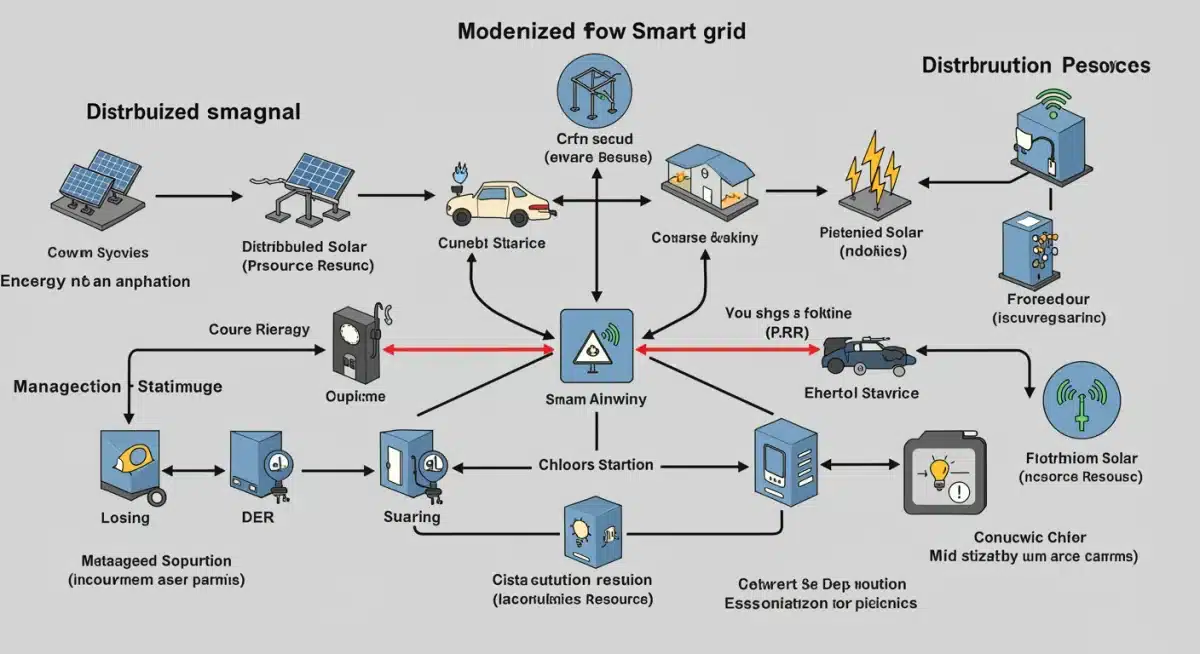
Lithium-ion batteries remain a dominant force, but significant research and development are yielding more cost-effective, longer-lasting, and safer alternatives. These include solid-state batteries, flow batteries, and even grid-scale compressed air energy storage systems. The declining costs and improved performance of these technologies make large-scale deployment increasingly viable.
These sophisticated storage systems can absorb excess renewable energy during periods of high generation and discharge it back into the grid when demand is high or renewable output is low. This capability smooths out power fluctuations, preventing grid instability and ensuring that the increased renewable capacity can be fully utilized.
distributed energy resources and microgrids
Beyond centralized storage, the rise of distributed energy resources (DERs) like rooftop solar panels coupled with home battery systems is transforming energy management at the local level. These smaller-scale systems contribute to grid resilience by providing localized power generation and storage, reducing the strain on central infrastructure.
Microgrids, self-contained energy systems that can operate independently from the main grid, are also gaining traction. They combine local generation (often renewables), storage, and smart controls to provide reliable power to specific communities or facilities, especially critical during widespread outages. These localized solutions enhance the overall reliability and resilience of the national grid, creating a more robust and adaptable energy ecosystem for the future.
cybersecurity and resilience in a connected grid
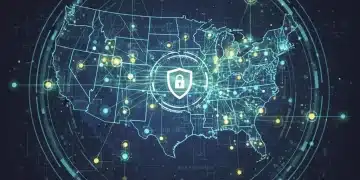
As the U.S. grid modernization efforts lead to a more interconnected and digitally controlled infrastructure, the importance of robust cybersecurity and resilience measures cannot be overstated. A smart grid, while offering immense benefits, also presents a larger attack surface for cyber threats. Protecting this vital national asset from malicious actors is a top priority for 2026 and beyond.
The digital nature of the modernized grid means that control systems, communication networks, and data repositories are all potential targets. A successful cyberattack could lead to widespread power outages, economic disruption, and even pose risks to public safety. Therefore, a multi-layered approach to cybersecurity is essential, integrating advanced threat detection and response capabilities.
Resilience goes beyond simply preventing cyberattacks; it also encompasses the grid’s ability to recover quickly from any disruption, whether physical or digital. This includes designing systems with redundancy, implementing self-healing capabilities, and developing comprehensive emergency response protocols. The goal is to create a grid that is not only secure but also inherently robust and adaptable to unforeseen challenges.
advanced threat detection and response
Utilities are investing heavily in AI-driven cybersecurity platforms that can detect anomalies and potential threats in real-time. These systems learn normal grid operations and flag any deviations, enabling rapid intervention. Key components include:
- Intrusion Detection Systems (IDS): Monitoring network traffic for suspicious activities.
- Security Information and Event Management (SIEM): Aggregating and analyzing security logs from various sources.
- Automated Incident Response: Tools that can automatically isolate compromised systems to prevent further spread.
Regular penetration testing and vulnerability assessments are also crucial to identify and address weaknesses before they can be exploited. Collaboration between government agencies, utilities, and cybersecurity experts is fostering a collective defense strategy against evolving threats.
physical and operational resilience
Beyond cyber threats, the grid must also be resilient to physical attacks and natural disasters. This involves hardening critical infrastructure, such as substations and control centers, against damage. Operational resilience focuses on:
- Distributed Architecture: A more decentralized grid with microgrids and DERs reduces the impact of a single point of failure.
- Self-Healing Capabilities: Automated systems that can reconfigure the grid to bypass damaged sections.
- Emergency Preparedness: Protocols for rapid repair and restoration of services after significant events.
The integration of advanced weather forecasting and climate models helps utilities anticipate and prepare for extreme weather events, further bolstering physical resilience. By combining strong cybersecurity with robust physical and operational measures, the modernized U.S. grid aims to be a fortress of reliability.
the role of policy and investment in grid evolution
The ambitious goals of U.S. grid modernization by 2026 would remain aspirational without significant policy support and strategic investment. Government initiatives, regulatory frameworks, and private sector funding are all critical components driving this complex evolution, ensuring that technological advancements translate into tangible improvements for consumers and the environment.
Policy plays a pivotal role in setting the direction, incentivizing innovation, and overcoming regulatory hurdles that can slow down progress. Investment, both public and private, provides the capital necessary for research, development, and the massive infrastructure projects required to transform a century-old system. Without this concerted effort, the pace and scope of modernization would be severely limited.
The interplay between policy and investment creates a virtuous cycle: supportive policies attract private capital, which in turn funds projects that demonstrate the effectiveness of new technologies, informing future policy decisions. This dynamic is essential for sustained progress in building a resilient, renewable-powered grid.
government initiatives and funding
Federal and state governments have introduced a suite of policies and funding mechanisms designed to accelerate grid modernization. Programs like the Infrastructure Investment and Jobs Act (IIJA) allocate billions of dollars for grid resilience, clean energy transmission, and smart grid technologies. These funds support:
- Research and Development: Grants for cutting-edge energy storage, AI, and cybersecurity solutions.
- Infrastructure Upgrades: Financing for new transmission lines, substation modernizations, and grid hardening projects.
- Demonstration Projects: Funding for pilot programs to test and scale innovative grid technologies.
Tax credits and incentives for renewable energy deployment and energy storage also play a crucial role, making these technologies more economically attractive for developers and consumers alike. These initiatives create a stable environment for investment and foster a competitive market for innovative energy solutions.
regulatory frameworks and private sector engagement
Regulatory bodies, such as the Federal Energy Regulatory Commission (FERC) and state public utility commissions (PUCs), are adapting regulations to facilitate grid modernization. This includes establishing frameworks for wholesale energy markets that properly value renewable energy and grid services, and streamlining permitting processes for new infrastructure.
Private sector engagement is equally vital. Energy companies, technology firms, and financial institutions are investing billions in developing and deploying smart grid solutions, renewable energy projects, and advanced energy storage. This includes:
- Utility Investments: Power companies are upgrading their own infrastructure and adopting new technologies.
- Venture Capital: Funding for startups developing disruptive energy technologies.
- Public-Private Partnerships: Collaborative projects that leverage the strengths of both sectors to achieve shared goals.
The combination of supportive government policy, strategic public funding, and robust private sector investment is creating an unstoppable momentum for grid evolution. By 2026, this collaborative effort will have profoundly reshaped the U.S. energy landscape, delivering a grid that is more reliable, efficient, and capable of supporting a sustainable future.
| Key Aspect | Brief Description |
|---|---|
| Smart Grid Technologies | Digital sensors, smart meters, and AI for real-time monitoring and optimized energy flow. |
| Renewable Integration | Achieving a 20% increase in renewable energy sources by 2026 through advanced management. |
| Energy Storage Solutions | Advanced batteries and microgrids stabilize the grid, crucial for intermittent renewables. |
| Cybersecurity & Resilience | Protecting the digital grid from threats and ensuring rapid recovery from disruptions. |
frequently asked questions about U.S. grid modernization
The main objective is to enhance the reliability and resilience of the nation’s electrical grid while significantly increasing the integration of renewable energy sources, aiming for a 20% boost. This involves adopting smart technologies for better management and efficiency across the entire energy system.
Smart grid technologies improve reliability by enabling real-time monitoring, automated fault detection, and predictive maintenance. This allows utilities to quickly identify and address issues, reroute power efficiently, and prevent outages before they occur, making the grid more robust and responsive.
Energy storage solutions, like advanced batteries, are crucial for managing the intermittency of renewable sources. They store excess energy generated during peak production and release it when needed, ensuring a stable and continuous power supply, thereby maximizing renewable energy utilization.
The primary cybersecurity challenge involves protecting the highly interconnected digital infrastructure from cyberattacks. This includes safeguarding control systems, communication networks, and sensitive data from potential breaches that could lead to outages or operational disruptions.
Government policies and strategic investments are crucial by providing funding, incentives, and regulatory frameworks that encourage the adoption of new technologies. This public and private sector collaboration accelerates infrastructure upgrades, research, and the deployment of renewable energy and storage solutions.
conclusion
The journey of U.S. grid modernization by 2026 represents a transformative epoch in the nation’s energy narrative. Through the strategic deployment of smart grid technologies, robust energy storage solutions, and an unwavering commitment to integrating 20% more renewable sources, the United States is forging a path toward an energy future defined by unprecedented reliability and sustainability. This complex undertaking, supported by crucial policy frameworks and significant investments, is not merely an infrastructural upgrade but a fundamental reimagining of how we power our lives, ensuring a resilient, efficient, and environmentally conscious energy system for generations to come. The progress made by 2026 will lay a solid foundation for continued innovation and leadership in global energy transformation.