Urban Garden 2026: 50 Sq Ft for Year-Round Produce
Anúncios
Cultivating a 50-square-foot urban garden in 2026 can provide year-round produce by leveraging advanced hydroponics, vertical farming, and smart climate control, transforming small spaces into highly productive green hubs.
Maximizing Your Green Space in 2026: Cultivating a 50-Square-Foot Urban Garden for Year-Round Produce is not just a dream but an attainable reality for city dwellers. As urban environments continue to evolve, the demand for fresh, locally sourced food intensifies, pushing the boundaries of what’s possible in limited spaces. This guide will explore innovative methods and technologies available in 2026 to transform even the smallest urban plot into a thriving, productive garden, ensuring a consistent supply of fresh vegetables, fruits, and herbs throughout the year.
Designing Your 50-Square-Foot Urban Oasis
Designing an efficient 50-square-foot urban garden in 2026 requires thoughtful planning and an understanding of space optimization. Every inch counts, so utilizing vertical dimensions and modular systems is paramount. Consider the sunlight exposure, water access, and prevailing wind conditions of your chosen spot, whether it’s a balcony, rooftop, or a small backyard patio. Careful consideration at this stage lays the groundwork for a successful and productive garden throughout the year.
The key to maximizing limited space lies in adopting multi-dimensional gardening approaches. Traditional horizontal beds, while effective, often fall short of the potential output possible in a compact urban setting. By integrating vertical elements and smart design principles, you can significantly increase your growing area without expanding your footprint.
Vertical Gardening Systems
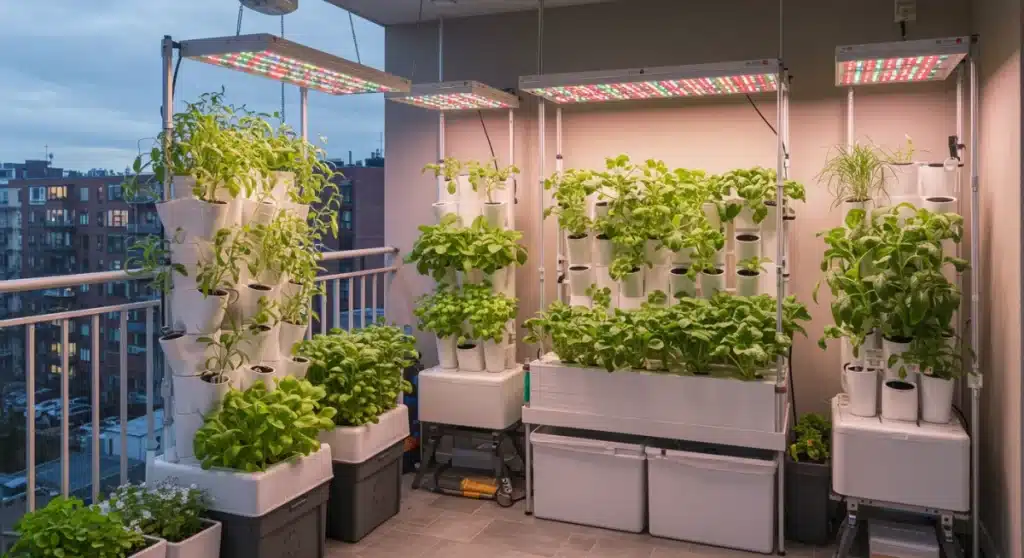
Vertical gardening has dramatically advanced by 2026, offering more sophisticated and automated solutions. These systems allow you to grow plants upwards, utilizing walls, fences, or specially designed structures. They are perfect for leafy greens, herbs, and smaller fruiting plants like strawberries.
- Modular Wall Planters: Easy to install and expand, these systems often come with integrated irrigation for efficient watering.
- Stackable Planters: Ideal for creating tiered gardens that save floor space while offering multiple growing levels.
- Hydroponic Towers: Advanced vertical systems that grow plants without soil, using nutrient-rich water, offering faster growth and higher yields.
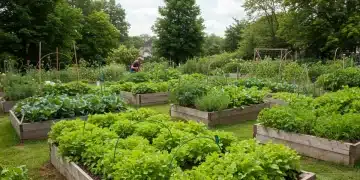
Beyond verticality, think about modular containers that can be moved or rearranged based on seasonal needs or sunlight availability. Raised beds with integrated storage or trellises for climbing plants also contribute significantly to space efficiency. The goal is to create a dynamic and adaptable garden that responds to your needs and the environment.
The design phase is crucial for establishing a resilient and productive garden. By focusing on verticality, modularity, and smart integration of technologies, your 50-square-foot space can become a powerhouse of fresh produce, proving that size is no barrier to abundance.
Smart Plant Selection for Continuous Harvests
Choosing the right plants is critical for a year-round harvest in a small urban garden in 2026. Focus on varieties that offer continuous production, have compact growth habits, and are well-suited to your local climate and chosen gardening methods. Prioritizing fast-growing plants and those with multiple harvest cycles ensures a steady supply of fresh produce.
Selecting plants goes beyond just preference; it involves strategic planning to ensure that as one crop finishes, another is ready to take its place. This rotational planting, combined with smart variety choices, is the backbone of year-round productivity in a limited space.
High-Yield, Compact Varieties
By 2026, seed banks and nurseries offer an even wider array of compact and high-yielding plant varieties specifically bred for urban environments. These include dwarf versions of popular vegetables and fruits that thrive in containers and vertical systems.
- Leafy Greens: Spinach, lettuce, kale, and Swiss chard are excellent choices, offering multiple cuttings from a single plant.
- Herbs: Basil, mint, cilantro, and parsley grow well in small spaces and can be harvested continuously.
- Compact Vegetables: Bush varieties of tomatoes, peppers, cucumbers, and miniature eggplants are ideal for container gardening.
- Strawberries: These berries thrive in vertical planters and can produce fruit for several months.
Consider succession planting, where you sow new seeds every few weeks to ensure a continuous supply rather than one large harvest. For example, plant a small batch of lettuce every two weeks so you always have fresh greens available. Additionally, choose plants that are known for their disease resistance and adaptability to varying light conditions, as these factors are often more prevalent in urban settings.
The strategic selection of plants, coupled with an understanding of their growth cycles and needs, allows your 50-square-foot garden to yield an impressive bounty throughout the entire year, defying the constraints of its size.
Embracing Hydroponics and Aeroponics in 2026
The year 2026 marks a significant advancement in soilless gardening techniques, making hydroponics and aeroponics more accessible and efficient for urban gardeners. These methods are game-changers for maximizing yield in a 50-square-foot space, offering faster growth, reduced water usage, and precise nutrient delivery. They eliminate soil-borne pests and diseases, simplifying maintenance and improving overall plant health.
The efficiency of hydroponic and aeroponic systems is unparalleled, particularly in urban environments where traditional soil gardening can be challenging due to space constraints, soil quality, and water availability. These systems provide a controlled environment, leading to more predictable and abundant harvests.
Hydroponic Systems for Small Spaces
Hydroponics involves growing plants in nutrient-rich water solutions instead of soil. By 2026, compact and automated hydroponic units are readily available, perfect for urban balconies or indoor setups.
- Deep Water Culture (DWC): Simple and effective, where plant roots are submerged in a nutrient solution. Ideal for leafy greens.
- Nutrient Film Technique (NFT): A thin film of nutrient solution flows over the roots, providing oxygen and nutrients efficiently. Great for continuous harvest crops.
- Wick Systems: A passive system using a wick to draw nutrient solution up to the root zone, suitable for beginners and smaller plants.
Aeroponics, an even more advanced soilless technique, involves suspending plant roots in the air and misting them with a nutrient solution. This method offers superior oxygenation to the roots, leading to even faster growth and higher yields than traditional hydroponics. While requiring a bit more initial investment and technical understanding, the benefits in terms of productivity for a small space are undeniable.
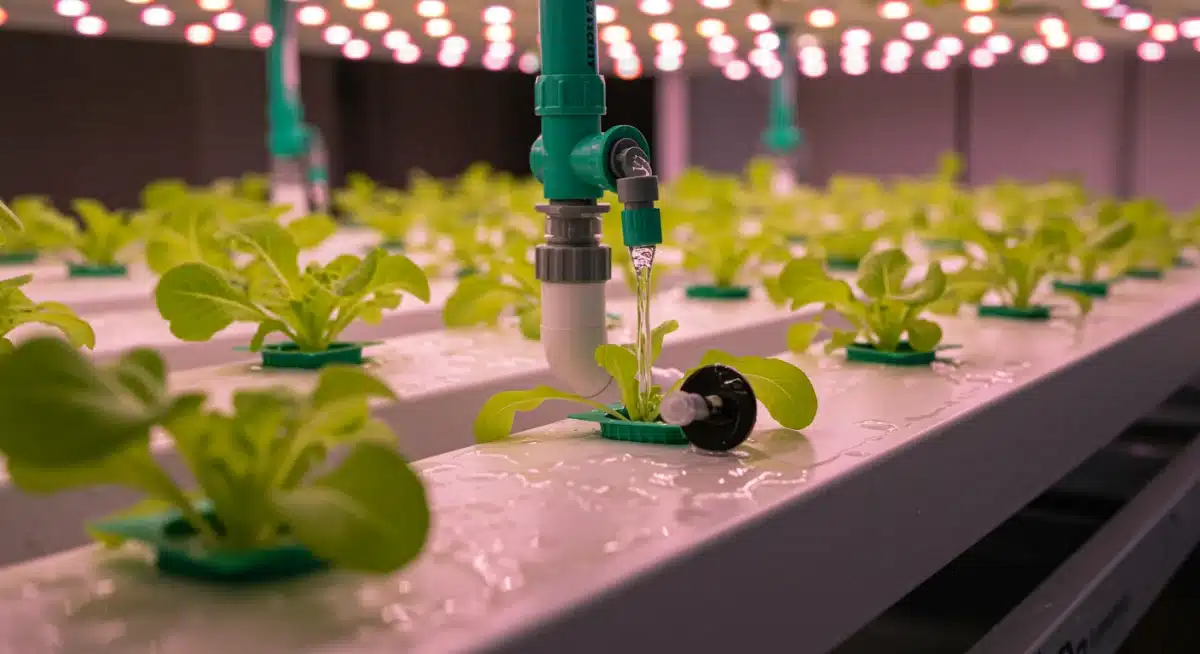
Integrating these soilless systems into your urban garden design allows for multiple crop cycles throughout the year, regardless of external weather conditions. The controlled environment minimizes pest issues and maximizes nutrient uptake, translating directly into a more productive garden within your limited 50-square-foot footprint.
Leveraging Technology for Optimal Growth in 2026
The year 2026 has brought forth an array of smart gardening technologies that can significantly enhance the productivity and sustainability of your 50-square-foot urban garden. These innovations range from automated irrigation systems to sophisticated environmental sensors and AI-powered growth optimization tools, making gardening more accessible and less time-consuming for urban dwellers.
Embracing technology transforms gardening from a labor-intensive hobby into an optimized, data-driven process. By automating routine tasks and providing real-time insights, these tools allow you to fine-tune your garden’s environment for peak performance, ensuring continuous harvests.
Essential Smart Gardening Tools
Modern gardening technology focuses on efficiency, precision, and ease of use, even for novice gardeners. These tools are designed to work seamlessly within compact urban settings.
- Automated Irrigation Systems: Drip irrigation or self-watering containers equipped with timers and moisture sensors deliver water precisely when and where it’s needed, minimizing waste.
- Smart Grow Lights: Full-spectrum LED grow lights with adjustable intensity and timers can replicate natural sunlight, allowing for indoor growing or extending growing seasons, especially crucial for year-round production.
- Environmental Sensors: Devices that monitor soil moisture, pH levels, temperature, and humidity provide real-time data to your smartphone, enabling immediate adjustments to optimize growing conditions.
- AI-Powered Garden Assistants: By 2026, AI apps can analyze sensor data, identify plant health issues, and suggest optimal nutrient schedules or pest control strategies, acting as a virtual gardening expert.
Beyond these individual tools, consider integrating a central smart hub that connects all your garden’s devices. This allows for unified control and data analysis, creating a truly intelligent garden system. Remote monitoring and adjustments mean you can manage your garden even when you’re away, ensuring consistent care and avoiding potential issues. The integration of these technologies ensures your small urban garden operates at its highest potential, providing a steady stream of fresh produce.
Sustainable Practices for a Thriving Urban Garden
Sustainability is at the core of successful urban gardening in 2026, especially when aiming for year-round produce in a 50-square-foot space. Adopting eco-friendly practices not only benefits the environment but also creates a healthier, more resilient garden ecosystem. This involves mindful resource consumption, waste reduction, and fostering biodiversity, all within the constraints of urban living.
A sustainable garden is a balanced one, where inputs are minimized, and outputs are maximized without depleting natural resources. For a small urban plot, this means making conscious choices about everything from water use to pest management.
Eco-Friendly Garden Strategies
By 2026, sustainable gardening practices are more integrated and accessible, offering practical solutions for urban growers.
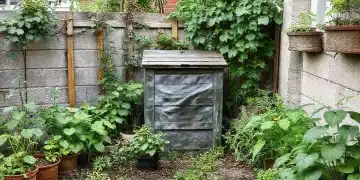
- Composting: Transform kitchen scraps and garden waste into nutrient-rich compost, reducing landfill waste and enriching your soil or potting mix. Compact composting bins are perfect for small spaces.
- Rainwater Harvesting: Set up a small rain barrel to collect rainwater for irrigation. This reduces reliance on municipal water and provides plants with naturally soft, chlorine-free water.
- Integrated Pest Management (IPM): Focus on prevention rather than chemical intervention. Introduce beneficial insects, use companion planting, and regularly inspect plants to address pest issues early and naturally.
- Organic Fertilizers: Opt for organic, slow-release fertilizers to nourish your plants without introducing harmful chemicals into your produce or the environment.
Beyond these practices, consider the materials you use for your planters and structures. Choose durable, recycled, or sustainably sourced options whenever possible. Reducing your carbon footprint extends to your gardening choices, making your urban oasis a true testament to green living. By integrating these sustainable practices, your 50-square-foot urban garden will not only feed you but also contribute positively to the urban ecosystem, embodying the principles of responsible environmental stewardship.
Overcoming Urban Gardening Challenges in 2026
Urban gardening, especially within a compact 50-square-foot space, comes with its unique set of challenges. However, by 2026, advancements in technology and gardening techniques offer robust solutions to these common hurdles. Addressing issues like limited sunlight, pest management, and extreme weather fluctuations is crucial for maintaining a productive, year-round garden in the city.
The urban environment presents constraints that differ significantly from rural gardening. Understanding and proactively addressing these challenges is key to transforming potential setbacks into opportunities for innovation and growth within your small green space.
Common Urban Garden Obstacles and Solutions
Urban gardeners often face specific environmental and logistical difficulties, but modern approaches provide effective ways to mitigate them.
- Limited Sunlight: Many urban spaces are shadowed by buildings. Utilize grow lights to supplement natural light, strategic placement of plants based on their light needs, and reflective surfaces to maximize available sun.
- Pest and Disease Control: Urban gardens can attract various pests. Employ companion planting, introduce beneficial insects, use organic pest sprays, and practice good sanitation to prevent outbreaks.
- Water Scarcity and Quality: Implement automated drip irrigation, rainwater harvesting, and choose drought-tolerant plant varieties. Test tap water for chlorine and other chemicals, and consider filtering if necessary.
- Extreme Weather: Protect plants from strong winds, scorching sun, or sudden cold snaps with temporary shelters, shade cloths, or moving containers indoors during harsh conditions.
- Soil Contamination: If gardening in the ground, test your soil for heavy metals. For most urban gardens, using raised beds with imported, certified organic soil or opting for soilless methods like hydroponics is the safest approach.
Additionally, building a community with fellow urban gardeners can provide invaluable local knowledge and support. Sharing experiences and solutions can help overcome collective challenges more effectively. By anticipating and preparing for these urban-specific issues, your 50-square-foot garden can thrive, consistently producing fresh food despite its metropolitan surroundings.
| Key Aspect | Brief Description |
|---|---|
| Space Optimization | Utilize vertical gardening, modular planters, and smart design to maximize growing area in limited spaces. |
| Smart Plant Choices | Select compact, high-yield, and continuous-harvest varieties for consistent year-round produce. |
| Advanced Techniques | Implement hydroponics and aeroponics for faster growth, less water, and higher yields in urban settings. |
| Technology Integration | Leverage automated irrigation, smart grow lights, and environmental sensors for optimal growth management. |
Frequently Asked Questions About Urban Gardening in 2026
For a compact urban garden in 2026, focus on high-yield, compact varieties like leafy greens (lettuce, spinach), herbs (basil, mint), and small fruiting plants (strawberries, bush tomatoes, compact peppers). These thrive in vertical and container systems, ensuring continuous harvests throughout the year.
Year-round production in a 50-square-foot urban garden is achieved through a combination of techniques: succession planting, using grow lights for indoor cultivation or extended seasons, and integrating hydroponic or aeroponic systems that are less dependent on outdoor weather conditions. Smart climate control also plays a vital role.
Yes, hydroponics has become increasingly user-friendly by 2026, with many compact, automated systems designed for beginners. Simple wick systems or deep water culture (DWC) are excellent starting points. They offer faster growth and fewer pest issues compared to traditional soil gardening, making them appealing for urban settings.
Key technologies for a 2026 urban garden include automated irrigation systems, full-spectrum LED grow lights, environmental sensors for monitoring conditions like pH and moisture, and AI-powered gardening apps. These tools optimize growth, reduce manual effort, and ensure consistent plant health and productivity.
To make your urban garden sustainable, focus on practices like composting kitchen and garden waste, harvesting rainwater for irrigation, implementing integrated pest management without harsh chemicals, and using organic fertilizers. Choosing recycled or sustainably sourced materials for planters also contributes significantly to eco-friendliness.
Conclusion
Cultivating a 50-square-foot urban garden for year-round produce in 2026 is a testament to human ingenuity and the evolving landscape of sustainable living. By embracing innovative design, strategic plant selection, advanced soilless techniques like hydroponics, and smart gardening technologies, urban dwellers can transform even the smallest spaces into incredibly productive food sources. The challenges of city gardening are now met with sophisticated solutions, making fresh, locally grown food an accessible reality for everyone, fostering a deeper connection to nature and promoting a healthier, more sustainable lifestyle. The future of urban food production is here, thriving in compact, green oases across our cities.