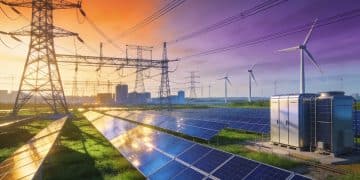
The global energy landscape is in the midst of a profound transformation, driven by an urgent need for decarbonization, enhanced grid reliability, and greater energy independence. At the forefront of this revolution are advanced energy storage technologies, with 500MWh battery storage projects emerging as a game-changer. These colossal energy reservoirs are not just supplementing existing infrastructure; they are actively displacing traditional peaker plants, ushering in a new era of flexible, efficient, and clean power generation. By 2026, the impact of these projects will be undeniable, reshaping how we generate, distribute, and consume electricity.
The Rise of 500MWh Battery Storage: A Paradigm Shift
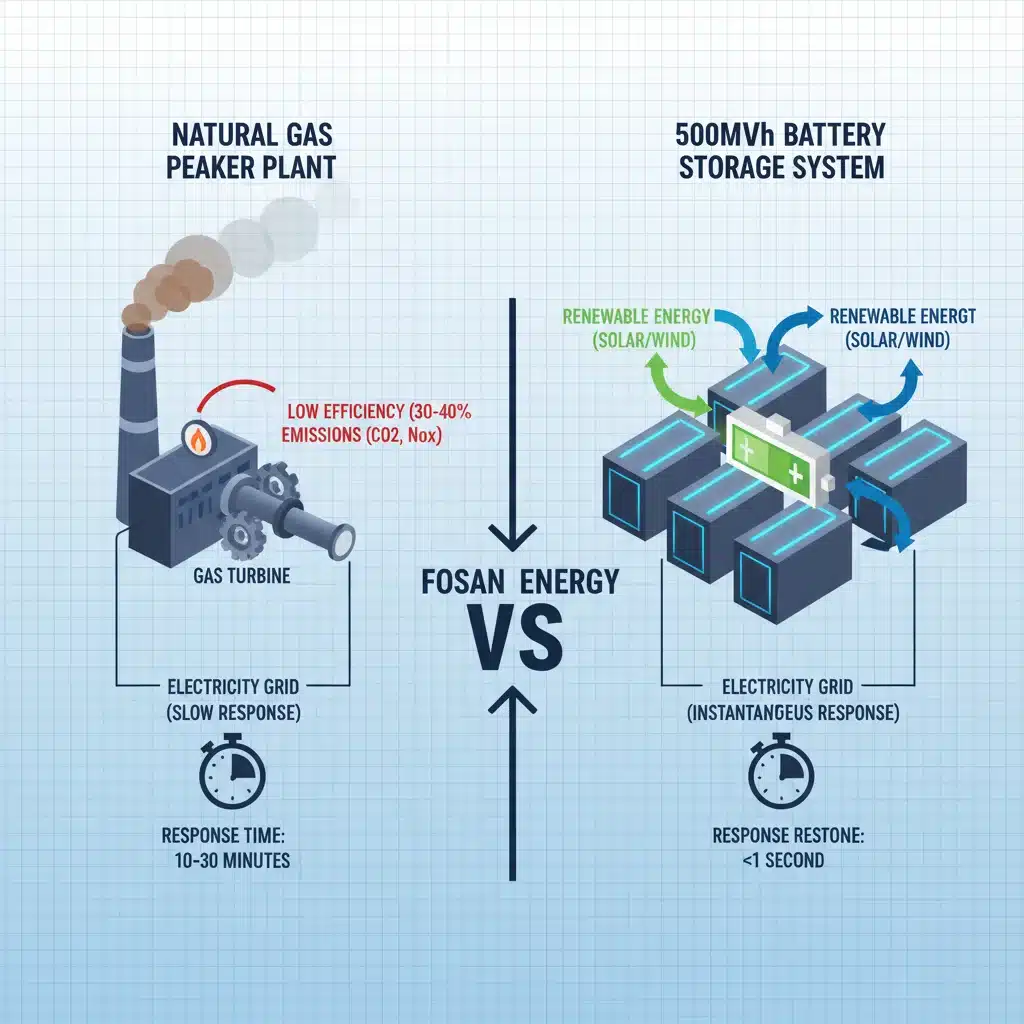
For decades, peaker plants, typically fueled by natural gas, have served as the grid’s safety net. These power stations are designed to fire up quickly during periods of high electricity demand, preventing blackouts and maintaining grid stability. However, their reliance on fossil fuels contributes to greenhouse gas emissions, and their operational inefficiencies make them expensive to run. The intermittent nature of renewable energy sources like solar and wind further exacerbates the need for flexible, fast-responding grid support.
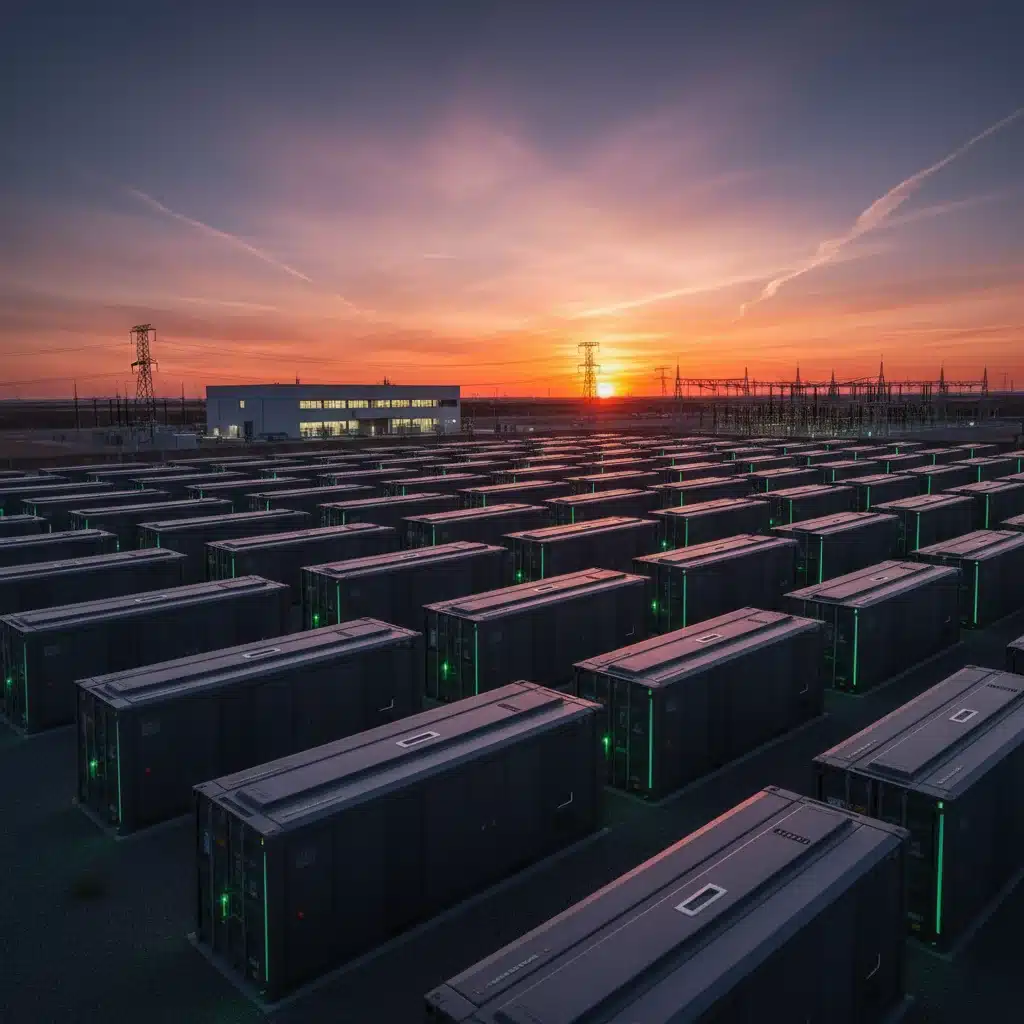
Enter 500MWh battery storage projects. These massive battery installations offer a compelling alternative. With capacities reaching hundreds of megawatt-hours, they can store vast amounts of electricity generated from renewables during off-peak hours and discharge it rapidly when demand peaks. This capability not only provides the same grid stability services as peaker plants but does so without the associated emissions, fuel costs, or lengthy startup times. The economic and environmental advantages are so significant that grid operators and utilities are increasingly prioritizing battery storage over new fossil fuel peaker plant construction.
The transition is not merely incremental; it represents a fundamental shift in energy infrastructure planning. The sheer scale of 500MWh battery storage projects means they can provide substantial power for several hours, making them suitable for a wide range of grid services, from frequency regulation and voltage support to peak shaving and energy arbitrage. This versatility makes them an indispensable component of a modern, resilient, and sustainable grid.
Why 500MWh? Understanding the Scale and Impact
The ‘500MWh’ designation is crucial. A megawatt-hour (MWh) represents the amount of energy equivalent to one megawatt of power sustained for one hour. A 500MWh battery storage system, therefore, can deliver 500 megawatts of power for one hour, or 100 megawatts for five hours, or 50 megawatts for ten hours, and so on. This substantial capacity allows these systems to address significant demand fluctuations and replace multiple smaller peaker units.
Consider the typical output of a peaker plant, which can range from a few dozen megawatts to several hundred. A single 500MWh battery storage facility can effectively replace the energy output of several medium-sized peaker plants, providing similar or even superior reliability. The ability to deploy such large-scale storage solutions is a direct result of advancements in battery chemistry, manufacturing processes, and energy management systems. Lithium-ion batteries, in particular, have seen dramatic cost reductions and improvements in energy density and cycle life, making these large-scale projects economically viable.
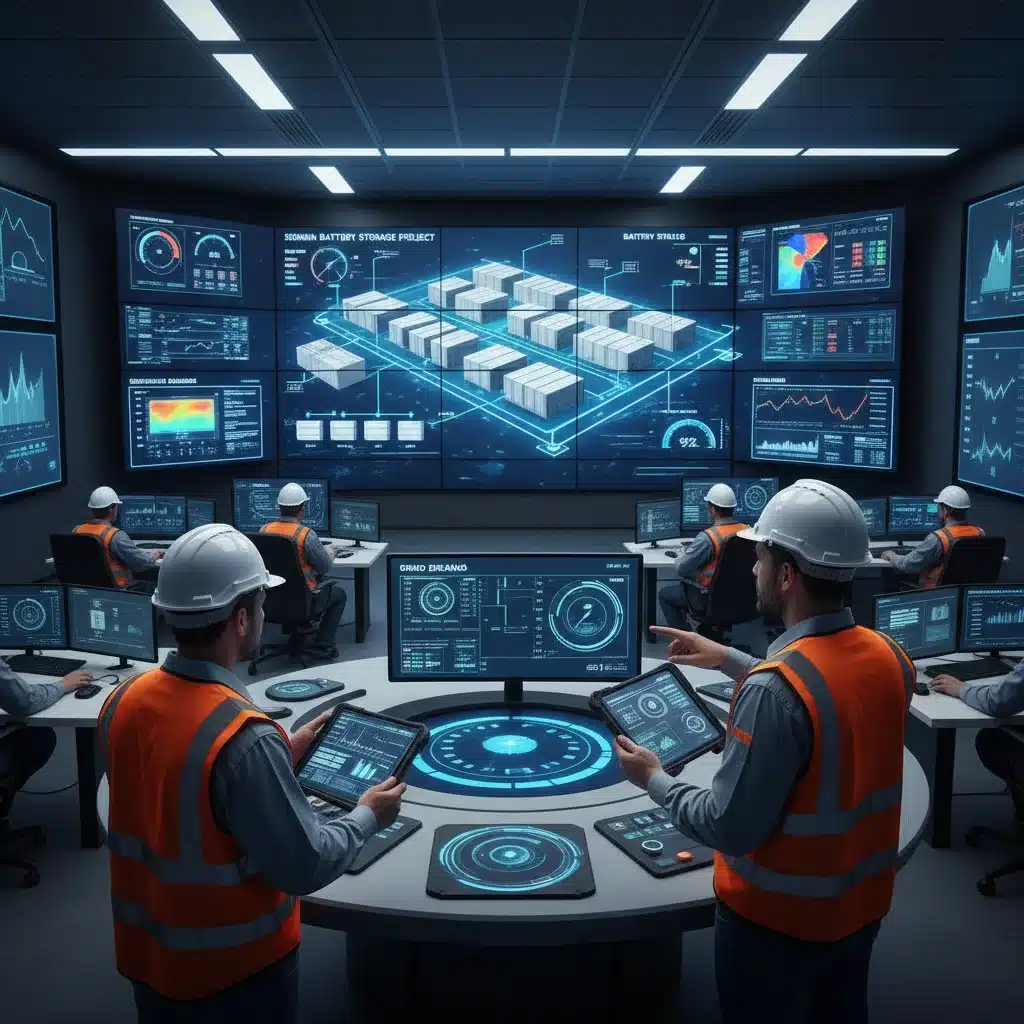
The impact extends beyond mere capacity. These systems offer unparalleled flexibility. They can respond to grid signals in milliseconds, providing instantaneous power injection or absorption. This fast response time is critical for maintaining grid frequency and preventing cascading failures, especially as more intermittent renewables come online. Traditional peaker plants, while quick to start compared to baseload plants, still require minutes to ramp up, which can be too slow for modern grid demands. The intelligence embedded in 500MWh battery storage systems, coupled with advanced AI and machine learning algorithms, allows for optimized charging and discharging strategies, maximizing their value to the grid.
Peaker Plants: The End of an Era?
The decline of traditional peaker plants is becoming increasingly evident. These facilities, often located near urban centers due to their historical role in localized peak demand, are major sources of local air pollution, including nitrogen oxides (NOx) and volatile organic compounds (VOCs), which contribute to smog and respiratory illnesses. Furthermore, their operational costs are tied directly to natural gas prices, which can be volatile, making long-term planning challenging for utilities.
As 500MWh battery storage projects become more prevalent and cost-effective, the economic rationale for building or even maintaining peaker plants diminishes. Regulators and environmental groups are also pushing for cleaner alternatives, accelerating the retirement of older, less efficient peakers. Many states and countries have set ambitious renewable energy targets and emission reduction goals, which are difficult to achieve with a continued reliance on fossil-fueled peaker plants.
The capital expenditure for a new natural gas peaker plant can be substantial, and once built, these plants have a lifespan of several decades, locking in fossil fuel dependence. In contrast, battery storage projects, while requiring significant upfront investment, offer long-term operational savings due to zero fuel costs and lower maintenance. Moreover, as battery technology continues to evolve, future upgrades and expansions can be more modular and less disruptive than overhauling a traditional power plant.
Key Drivers for 500MWh Battery Storage Adoption by 2026
Several factors are converging to accelerate the adoption of 500MWh battery storage projects:
- Cost Reductions: The cost of lithium-ion batteries has plummeted over the past decade, making large-scale storage increasingly competitive with traditional generation. This trend is expected to continue, further improving the economics of battery projects.
- Renewable Energy Integration: The proliferation of solar and wind power necessitates flexible storage solutions to manage their intermittency. 500MWh battery storage acts as a buffer, smoothing out renewable output and ensuring a consistent power supply.
- Grid Modernization and Resilience: Aging grid infrastructure requires significant investment. Battery storage offers a modular and distributed solution to enhance grid resilience, defer transmission and distribution upgrades, and provide black start capabilities in the event of outages.
- Policy and Regulatory Support: Governments worldwide are implementing policies, incentives, and regulations that favor energy storage. Carbon pricing, renewable portfolio standards, and direct subsidies are all contributing to a favorable environment for 500MWh battery storage deployment.
- Technological Advancements: Beyond lithium-ion, research and development in flow batteries, solid-state batteries, and other novel chemistries promise even greater energy density, longer lifespans, and enhanced safety, further cementing the role of large-scale storage.
- Corporate Sustainability Goals: Many corporations are setting ambitious net-zero targets, driving demand for clean, reliable power solutions, including large-scale battery storage to power their operations or participate in virtual power purchase agreements.
Challenges and Considerations for Massive Battery Projects
While the future of 500MWh battery storage looks bright, there are challenges to address:
- Siting and Permitting: Finding suitable land for these large installations and navigating complex permitting processes can be time-consuming and challenging, especially in densely populated areas.
- Supply Chain and Raw Materials: The rapid expansion of battery manufacturing raises concerns about the supply chain for critical raw materials like lithium, nickel, and cobalt. Sustainable sourcing and recycling initiatives are crucial.
- Safety and Thermal Management: Large battery systems require sophisticated thermal management systems to prevent overheating and ensure safe operation. Fire suppression and safety protocols are paramount.
- Interconnection and Grid Integration: Integrating massive battery systems into existing grid infrastructure requires careful planning and coordination with grid operators to ensure seamless operation and avoid grid instability.
- End-of-Life Management: As battery systems reach the end of their operational life, robust recycling and disposal programs will be essential to minimize environmental impact and recover valuable materials.
- Cybersecurity: As these systems become critical grid assets, protecting them from cyber threats is a growing concern, necessitating robust cybersecurity measures.
Addressing these challenges proactively will be key to unlocking the full potential of 500MWh battery storage and ensuring a smooth transition away from fossil-fueled peaker plants.
Real-World Examples and Future Trends by 2026
Globally, numerous 500MWh battery storage projects are already operational or under development, demonstrating the accelerating trend. California, for instance, has been a leader in deploying such systems, with several major projects already online, providing critical grid services and displacing natural gas peakers. Australia, with its vast renewable resources, is also a hotbed for large-scale battery storage, integrating solar and wind farms effectively.
By 2026, we can expect several key trends to solidify:
- Increased Project Sizes: While 500MWh is significant now, projects exceeding 1GWh (1000MWh) will become more common, pushing the boundaries of what’s possible in energy storage.
- Hybrid Power Plants: The integration of large-scale battery storage directly with renewable energy farms (e.g., solar-plus-storage or wind-plus-storage) will become the norm, creating dispatchable clean energy resources.
- Enhanced Software and AI: Sophisticated software platforms leveraging artificial intelligence and machine learning will optimize battery operation, predicting demand, managing market participation, and extending battery lifespan.
- New Chemistry Adoption: While lithium-ion will dominate, advancements in other battery chemistries, such as sodium-ion or solid-state batteries, may start to see commercial deployment in niche or even mainstream applications, offering alternatives with different performance characteristics and raw material profiles.
- Decentralized Grid Services: Large-scale battery storage will facilitate more decentralized energy systems, offering services at the transmission and distribution levels, reducing the need for costly grid upgrades.
- Global Expansion: The deployment of 500MWh battery storage will expand rapidly beyond leading markets, reaching developing economies seeking to leapfrog traditional fossil fuel infrastructure.
These trends paint a clear picture of an energy future where massive battery storage systems are the backbone of a reliable, clean, and flexible grid.
The Economic and Environmental Benefits of 500MWh Battery Storage
The shift to 500MWh battery storage brings a wealth of benefits:
Economic Advantages:
- Lower Operational Costs: Eliminates fuel costs associated with peaker plants.
- Revenue Generation: Batteries can participate in various energy markets, providing ancillary services, energy arbitrage, and capacity payments.
- Deferred Infrastructure Upgrades: By providing localized grid support, battery storage can delay or even avoid the need for expensive new transmission lines or substation upgrades.
- Job Creation: The construction, operation, and maintenance of large-scale battery storage facilities create new jobs in the green economy.
- Energy Security: Reduces reliance on volatile fossil fuel markets and enhances energy independence.
Environmental Advantages:
- Reduced Greenhouse Gas Emissions: Replaces fossil fuel generation, significantly cutting CO2 and methane emissions.
- Improved Air Quality: Eliminates local air pollutants (NOx, SOx, particulate matter) associated with peaker plants, leading to better public health outcomes.
- Support for Renewable Energy: Enables higher penetration of intermittent renewables, accelerating the transition to a fully decarbonized grid.
- Reduced Water Usage: Unlike thermal power plants, battery storage requires minimal water for cooling.
These combined benefits make a compelling case for the continued and accelerated deployment of 500MWh battery storage projects worldwide.
Conclusion: A Brighter, Stabler Grid Powered by 500MWh Battery Storage
The transformation of our energy infrastructure is not a distant dream but a rapidly unfolding reality. By 2026, 500MWh battery storage projects will have firmly established themselves as the preferred alternative to traditional peaker plants, performing critical grid services with unmatched efficiency and environmental responsibility. The journey involves overcoming technological, logistical, and regulatory hurdles, but the trajectory is clear: a future powered by clean, flexible, and resilient energy storage.
As the costs continue to fall and technologies advance, the scale and impact of these projects will only grow, paving the way for a truly sustainable energy future. The era of fossil-fueled peaker plants is drawing to a close, replaced by the silent, powerful hum of battery storage systems, poised to keep our lights on and our air clean for generations to come. The innovation in 500MWh battery storage is not just about storing energy; it’s about building a better, more reliable, and greener world.