Green Commuting 2026: Reduce Your Carbon Footprint by 30% This Year
Anúncios
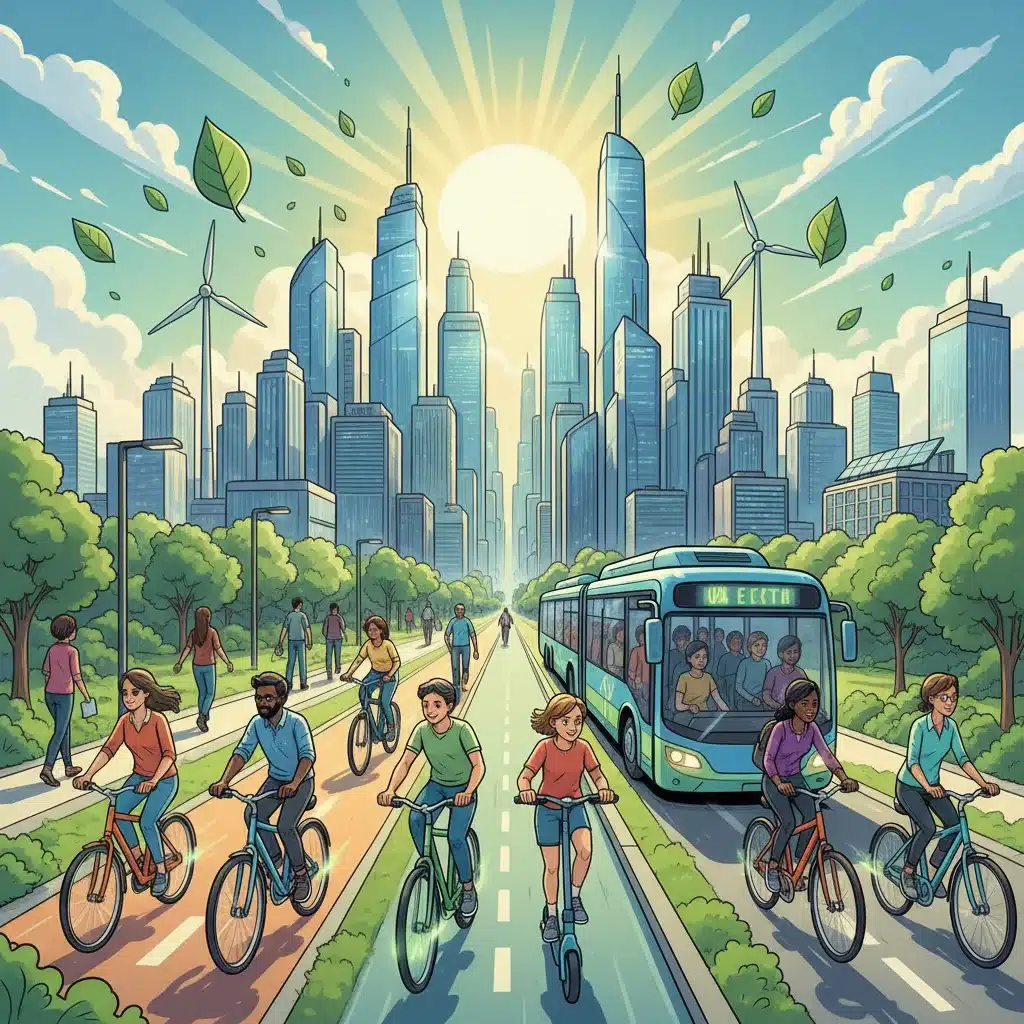
In an era defined by environmental consciousness and the urgent need for sustainable practices, our daily commute stands out as a significant contributor to our individual carbon footprint. As we step into 2026, the imperative to adopt greener habits has never been stronger. This comprehensive guide is designed to empower you with practical, actionable green commuting solutions that can help you reduce your carbon footprint by a remarkable 30% this year, all while potentially saving you a substantial amount of money.
The journey towards a more sustainable lifestyle often begins with small, consistent changes. Your commute, typically a routine and often overlooked part of your day, offers a prime opportunity for impactful change. By embracing innovative and eco-friendly transportation methods, you not only contribute to a healthier planet but also unlock a myriad of personal benefits, from improved physical health to significant financial savings. Let’s delve into the world of green commuting solutions and discover how you can transform your daily travel into a force for good.
Understanding Your Carbon Commuting Footprint
Before we can effectively reduce our carbon footprint, it’s crucial to understand what it entails and how our current commuting habits contribute to it. A carbon footprint is the total amount of greenhouse gases (including carbon dioxide and methane) that are generated by our actions. For most individuals, transportation is a major component of this footprint, especially if it involves single-occupancy vehicle use powered by fossil fuels.
The Environmental Impact of Traditional Commuting
Traditional commuting, predominantly by gasoline-powered cars, releases significant amounts of CO2 and other pollutants into the atmosphere. These emissions contribute to climate change, air pollution, and various health issues. The average passenger vehicle emits about 4.6 metric tons of carbon dioxide per year. Multiply that by millions of commuters worldwide, and the scale of the problem becomes starkly clear. Beyond CO2, vehicles also emit particulate matter, nitrogen oxides, and volatile organic compounds, all of which degrade air quality and impact human health.
Personal Benefits of Reducing Your Footprint
While the environmental benefits of reducing your carbon footprint are global, the personal advantages are immediate and tangible. Shifting to green commuting solutions can lead to improved physical fitness, reduced stress levels, and substantial financial savings. Imagine replacing your daily traffic jam with a brisk walk or a refreshing bike ride – the positive impact on your mental and physical well-being is immense. Moreover, the money saved on fuel, parking, and vehicle maintenance can be redirected towards other personal goals or investments.
Practical Green Commuting Solutions for 2026
Now that we understand the ‘why,’ let’s explore the ‘how.’ Here are some of the most effective and accessible green commuting solutions you can adopt this year to achieve that 30% reduction in your carbon footprint.
1. Embrace Public Transportation
Public transportation, such as buses, trains, subways, and trams, is one of the most efficient ways to reduce your individual commuting emissions. A single bus can take dozens of cars off the road, and trains can transport hundreds. The carbon footprint per passenger mile is significantly lower for public transport compared to driving alone. Many cities are also investing in electric and hybrid public transport fleets, further enhancing their environmental credentials.
- Plan Your Route: Utilize apps and online tools to find the most efficient public transport routes.
- Consider Hybrid Commutes: Combine public transport with walking or cycling for the first or last mile.
- Investigate Employer Benefits: Many employers offer subsidized public transport passes.
2. Cycle Your Way to a Greener Commute
Bicycling is perhaps the quintessential green commuting solution. It’s zero-emission, provides excellent exercise, and can often be faster than driving in congested urban areas. The rise of dedicated bike lanes and bike-sharing programs makes cycling more accessible than ever.
- Assess Your Route: Look for safe, bike-friendly routes, perhaps using cycling-specific navigation apps.
- Invest in the Right Gear: A comfortable bike, helmet, lights, and appropriate clothing are essential.
- Utilize E-Bikes: For longer distances or hilly terrain, an electric bike can make cycling a viable option for more people.
3. Walk More, Drive Less
For shorter distances, walking is the ultimate green commuting solution. It produces zero emissions, costs nothing, and offers significant health benefits. Even if your entire commute isn’t walkable, consider walking for parts of it, or for errands during your workday.
- Map Out Walking Paths: Discover pleasant and safe walking routes around your home and workplace.
- Comfortable Footwear: This is key to making walking an enjoyable and sustainable habit.
- Incorporate into Daily Routine: Make a conscious effort to walk to local shops or appointments instead of driving.
4. Carpooling and Ride-Sharing
If driving is unavoidable, carpooling is an excellent way to reduce your carbon footprint. By sharing rides, you divide the emissions among multiple passengers, effectively lowering the per-person impact. Ride-sharing services, especially those offering electric vehicles, also contribute to this goal.
- Join or Create a Carpool Group: Connect with colleagues or neighbors who have similar commutes.
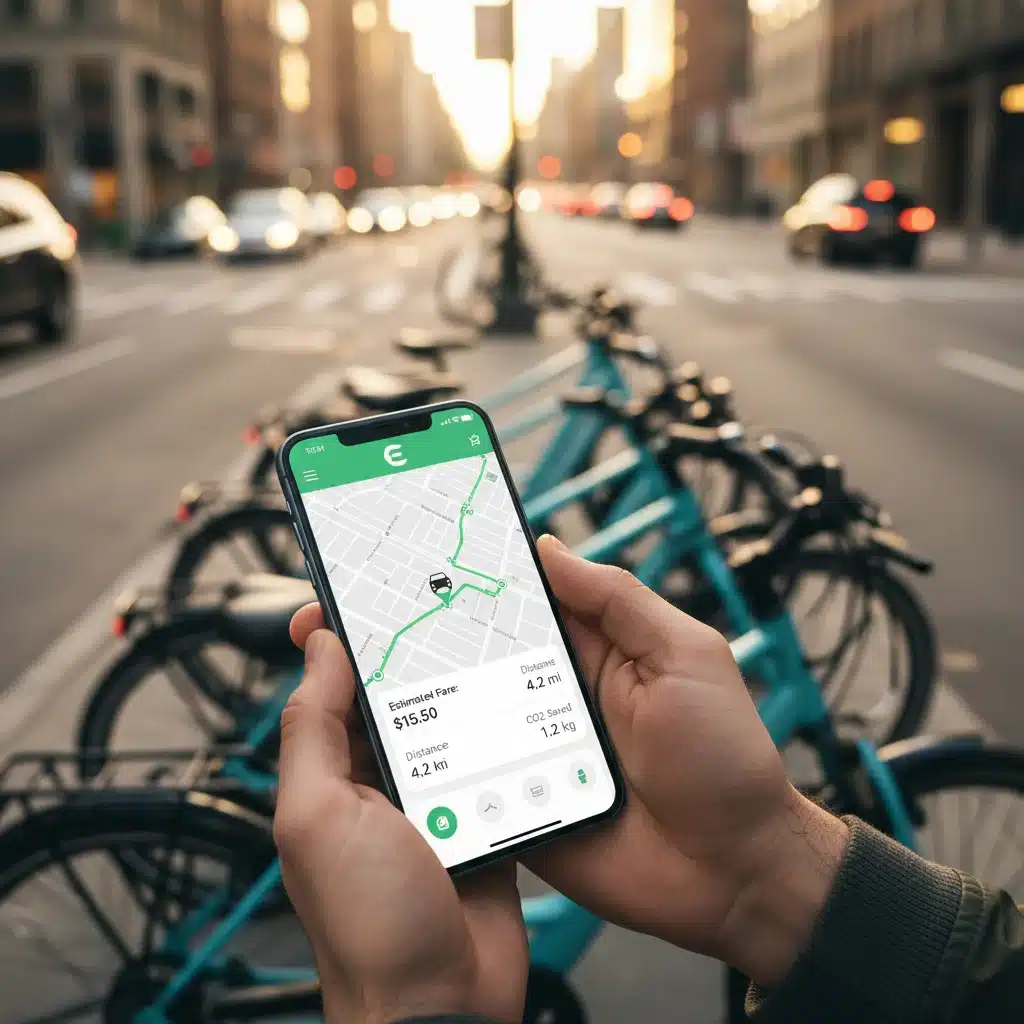
- Use Ride-Sharing Apps: Many apps now offer carpool options or dedicated electric vehicle fleets.
- Consider Vanpooling: For longer commutes, vanpools can be an even more efficient option.
5. The Rise of Electric Vehicles (EVs) and E-Mobility
Electric vehicles (EVs), including electric cars, scooters, and motorcycles, represent a significant leap forward in green commuting solutions. While their manufacturing still has an environmental footprint, their operational emissions are zero when powered by renewable electricity. As charging infrastructure expands and battery technology improves, EVs are becoming an increasingly practical choice.
- Electric Cars: If you need a car, an EV drastically cuts down on tailpipe emissions. Research government incentives and charging options.
- Electric Scooters/Mopeds: Ideal for shorter commutes or as a last-mile solution, these are efficient and fun to ride.
- E-Bikes: As mentioned, e-bikes extend the range and accessibility of cycling for many.
6. Telecommuting and Remote Work
Perhaps the most impactful green commuting solution is to eliminate the commute altogether. The rise of remote work and hybrid models has shown that many jobs can be performed effectively from home, drastically reducing transportation emissions. Even working from home a few days a week can make a significant difference.
- Discuss with Your Employer: Explore possibilities for remote or hybrid work arrangements.
- Create a Dedicated Workspace: A comfortable and productive home office can enhance your remote work experience.
- Leverage Technology: Utilize video conferencing and collaboration tools to stay connected with your team.
Financial Impact: Saving Money While Saving the Planet
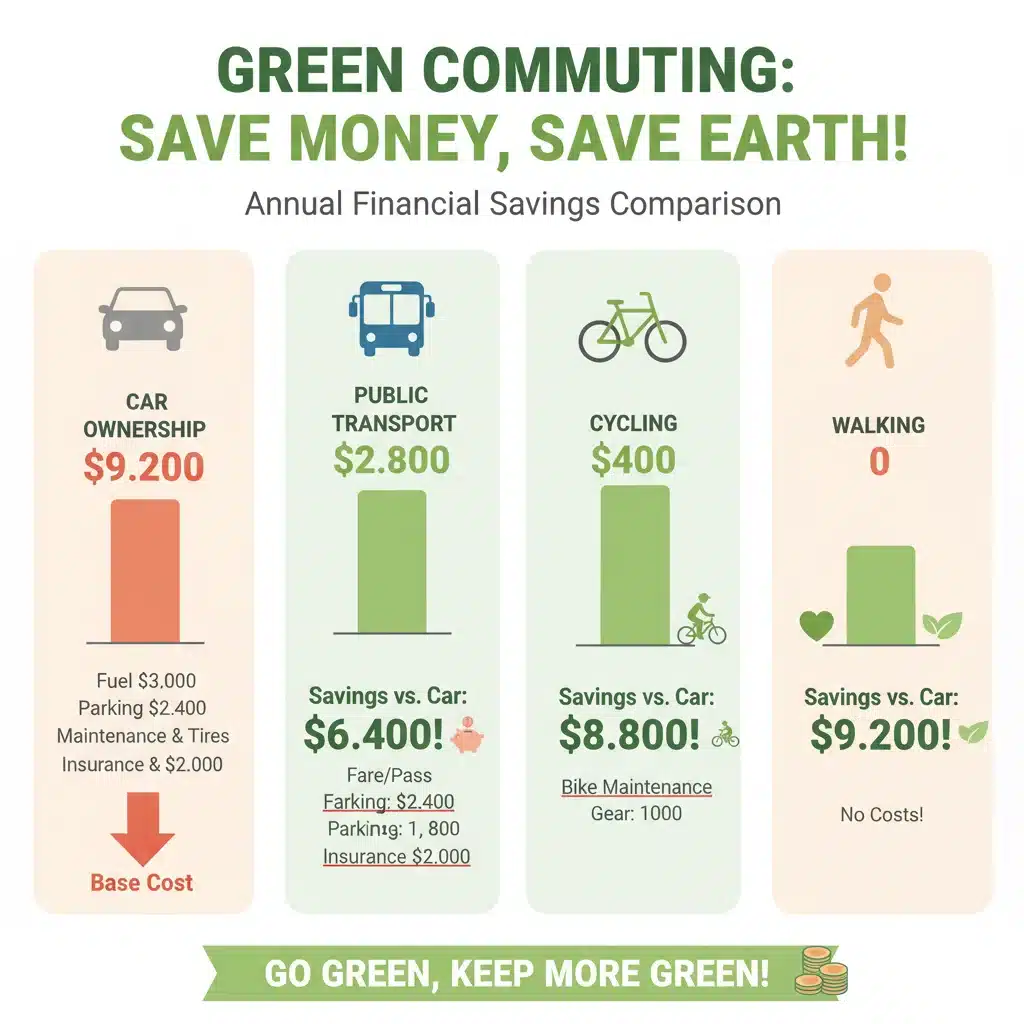
One of the most compelling aspects of adopting green commuting solutions is the substantial financial savings they offer. The cost of owning and operating a car can be staggering, encompassing fuel, insurance, maintenance, parking, and depreciation. By shifting away from single-occupancy vehicle use, you can free up a significant portion of your income.
Reduced Fuel Costs
This is perhaps the most obvious saving. With fluctuating gas prices, reducing or eliminating your need for fuel can lead to hundreds, if not thousands, of dollars in annual savings. Public transport, cycling, and walking incur minimal to no fuel costs.
Lower Maintenance and Insurance Expenses
Less driving means less wear and tear on your vehicle, leading to fewer maintenance costs. Your car will last longer, and you’ll spend less on oil changes, tire rotations, and repairs. Furthermore, some insurance providers offer discounts for lower annual mileage, or if you opt for public transport or carpooling.
Elimination of Parking Fees
Parking can be a significant expense, especially in urban centers. Choosing green commuting solutions like cycling, walking, or public transport often means you can bypass these fees entirely, putting more money back in your pocket.
Health Benefits and Reduced Healthcare Costs
Active commutes, such as walking or cycling, contribute to better physical health. Regular exercise can reduce the risk of chronic diseases, improve mental well-being, and potentially lead to lower healthcare costs in the long run. This indirect financial benefit is often overlooked but is incredibly valuable.
Government Incentives and Employer Programs
Many governments offer incentives for purchasing electric vehicles or e-bikes, such as tax credits or rebates. Employers might also provide subsidized public transport passes, bike-to-work schemes, or even financial incentives for carpooling. Research what’s available in your area.
Strategies for a Successful Green Commute Transition
Transitioning to green commuting solutions doesn’t have to be an all-or-nothing endeavor. It’s a journey, and even small steps can lead to significant cumulative impact. Here are some strategies to help you make a successful and sustainable shift.
Start Small and Experiment
Don’t feel pressured to completely overhaul your commute overnight. Begin by trying one new green option once or twice a week. Experiment with different routes or modes of transport. For example, try cycling one day, taking the bus another, and carpooling on a third. This allows you to find what works best for your schedule and preferences.
Plan and Prepare
Effective planning is key to a smooth green commute. If you’re cycling, plan your route, check the weather, and pack appropriate clothing. If you’re taking public transport, know the schedules and potential delays. For carpooling, coordinate with your group in advance.
Invest in the Right Tools and Gear
Whether it’s a reliable bike, comfortable walking shoes, a good public transport app, or a secure bike lock, having the right tools can make your green commute more enjoyable and sustainable. Don’t skimp on essentials that ensure your safety and comfort.
Leverage Technology
Numerous apps and online platforms can assist you in your green commuting journey. These include:
- Navigation Apps: Google Maps, Apple Maps, and dedicated cycling/walking apps can help you find the best routes.
- Public Transport Apps: Real-time tracking and schedule information for buses and trains.
- Carpooling Platforms: Apps designed to connect you with other commuters.
- EV Charging Apps: For electric vehicle owners, these locate available charging stations.
Build a Support System
Encourage friends, family, and colleagues to join you in adopting green commuting solutions. Commuting with others can be more motivating and enjoyable. Share tips, challenges, and successes to foster a supportive environment.
Advocate for Better Infrastructure
While individual actions are crucial, systemic change is also vital. Advocate for better cycling infrastructure, improved public transport services, and more pedestrian-friendly urban planning in your community. Your voice can contribute to creating an environment where green commuting is not just an option, but the preferred choice.
Measuring Your Impact and Staying Motivated
To truly achieve that 30% reduction in your carbon footprint, it’s helpful to track your progress and stay motivated. There are several ways to measure your impact and reinforce your commitment to green commuting solutions.
Carbon Footprint Calculators
Utilize online carbon footprint calculators to get an estimate of your current emissions. Re-calculate periodically to see the positive impact of your green commuting choices. Many apps also offer features to track your commute and calculate carbon savings.
Track Your Savings
Keep a record of how much money you’re saving on fuel, parking, and maintenance. Seeing the tangible financial benefits can be a powerful motivator to continue your green commuting habits.
Set Realistic Goals
Aim for achievable targets. If a 30% reduction seems daunting initially, break it down into smaller, weekly or monthly goals. Celebrate your successes along the way to maintain momentum.
Join Community Challenges
Many communities and workplaces organize green commuting challenges. Participating can provide an extra layer of motivation, a sense of camaraderie, and even opportunities to win prizes.
Educate Yourself and Others
Stay informed about new developments in sustainable transportation and share your knowledge with others. The more people who understand the benefits of green commuting solutions, the greater the collective impact will be.
The Future of Green Commuting: Innovations and Trends
The landscape of transportation is constantly evolving, and the future promises even more exciting green commuting solutions. Staying abreast of these innovations can help you prepare for and adopt the next generation of sustainable travel.
Autonomous Electric Vehicles
While still in development, autonomous electric vehicles have the potential to revolutionize urban mobility. Shared autonomous electric fleets could significantly reduce the number of private cars on the road, optimize traffic flow, and further lower emissions.
Hyperloop and High-Speed Rail
For inter-city travel, high-speed rail and futuristic concepts like the Hyperloop offer ultra-efficient and low-carbon alternatives to air travel or long-distance driving. As these technologies mature, they will play a crucial role in reducing the carbon footprint of regional commutes.
Integrated Mobility Platforms
The future will likely see more integrated mobility platforms that seamlessly combine various modes of transport. Imagine an app that can plan a journey involving an e-scooter to the train station, a high-speed train to a neighboring city, and an electric ride-share to your final destination, all with a single booking and payment.
Urban Planning for Sustainability
Cities are increasingly being designed with sustainability at their core. This includes creating more walkable neighborhoods, expanding cycling networks, and prioritizing public transport over private car use. These urban planning initiatives will naturally make green commuting solutions more accessible and convenient for everyone.
Conclusion: Your Role in a Greener Tomorrow
Reducing your carbon footprint by 30% through green commuting solutions in 2026 is not just an ambitious goal; it’s an achievable and deeply rewarding endeavor. By consciously choosing sustainable transportation methods, you contribute to a healthier environment, improve your personal well-being, and gain significant financial advantages.
The journey begins with a single step, or perhaps a single pedal stroke, or a single swipe of a public transport card. Embrace the diverse range of options available, experiment with what works best for you, and allow the positive impacts to motivate your continued commitment. Your daily commute, once a source of stress and emissions, can transform into an opportunity for health, savings, and a profound contribution to a greener, more sustainable future for all.
Let 2026 be the year you redefine your commute and become a proactive participant in the global effort to combat climate change. Your choices matter, and together, we can drive meaningful change.