Battery Recycling US 2026: Best Practices for Energy Storage
Anúncios
The Lifecycle of Energy Storage: Best Practices for Battery Recycling and Disposal in the US by 2026
The world is hurtling towards an electrified future, and at its core lies the ubiquitous battery. From powering our smartphones and electric vehicles (EVs) to stabilizing the grid with renewable energy, batteries are indispensable. However, this rapid adoption brings with it a significant challenge: how do we responsibly manage these energy powerhouses at the end of their life? The answer lies in robust battery recycling US practices. As we approach 2026, the urgency to establish and refine these practices is paramount for environmental sustainability, resource security, and economic viability.
This comprehensive guide delves into the intricate world of battery lifecycle management, focusing specifically on best practices for battery recycling and disposal in the United States by 2026. We will explore the current landscape, upcoming regulations, technological advancements, and the collective responsibility required to build a truly circular economy for energy storage.
The Growing Imperative for Battery Recycling US
The sheer volume of batteries entering the market is staggering. The demand for lithium-ion batteries, in particular, is projected to grow exponentially. While this signifies progress towards decarbonization, it also means a massive influx of spent batteries in the coming years. Without effective battery recycling US infrastructure, we face several critical issues:
- Environmental Degradation: Improper disposal of batteries can lead to soil and water contamination from heavy metals and toxic chemicals.
- Resource Depletion: Batteries rely on finite resources like lithium, cobalt, nickel, and manganese. Recycling these materials reduces the need for virgin mining, conserving natural resources.
- Supply Chain Vulnerabilities: Relying solely on raw material extraction often means dependence on a few geopolitical regions, leading to supply chain instability. Recycling strengthens domestic supply chains.
- Economic Opportunity: A robust recycling industry creates jobs, fosters innovation, and unlocks significant economic value from what would otherwise be waste.
By 2026, the pressure to address these challenges will intensify, making proactive development of battery recycling US strategies non-negotiable.
Understanding the Battery Landscape: Types and Challenges
Not all batteries are created equal, and their chemical compositions dictate their recycling processes. The primary types of batteries we encounter in significant volumes include:
-
Lithium-Ion Batteries (Li-ion)
Prevalence: Dominant in EVs, consumer electronics (laptops, smartphones), and grid-scale energy storage. Their high energy density and long cycle life make them ideal for many applications.
Recycling Challenges: Li-ion batteries contain valuable but sometimes hazardous materials. They can be volatile if damaged, posing safety risks during handling and transport. The variety of chemistries (NMC, LFP, NCA) also presents challenges for a one-size-fits-all recycling approach. Efficient extraction of lithium, cobalt, and nickel is crucial.
-
Lead-Acid Batteries
Prevalence: Still widely used in conventional vehicles (SLI batteries), forklifts, and backup power systems. They boast a high recycling rate due to established infrastructure.
Recycling Challenges: While highly recyclable, lead is a toxic heavy metal. Ensuring safe handling and preventing lead contamination during recycling is paramount.
-
Nickel-Metal Hydride (NiMH) and Nickel-Cadmium (NiCd) Batteries
Prevalence: Found in older hybrid vehicles, power tools, and some portable electronics. NiCd batteries are being phased out due to cadmium’s toxicity.
Recycling Challenges: Cadmium is highly toxic and requires specialized handling. Nickel is valuable, making recycling economically viable.
-
Alkaline and Other Primary Batteries
Prevalence: Common household batteries (AA, AAA, D). While less hazardous than other types, their sheer volume warrants attention.
Recycling Challenges: Historically, these were often landfilled. However, programs are emerging to recover manganese and zinc, reducing landfill waste.
Current State of Battery Recycling US Infrastructure
The United States has a mixed landscape for battery recycling. Lead-acid batteries boast an impressive recycling rate, often exceeding 98%, thanks to well-established collection and processing networks. However, for lithium-ion batteries, the infrastructure is still developing.
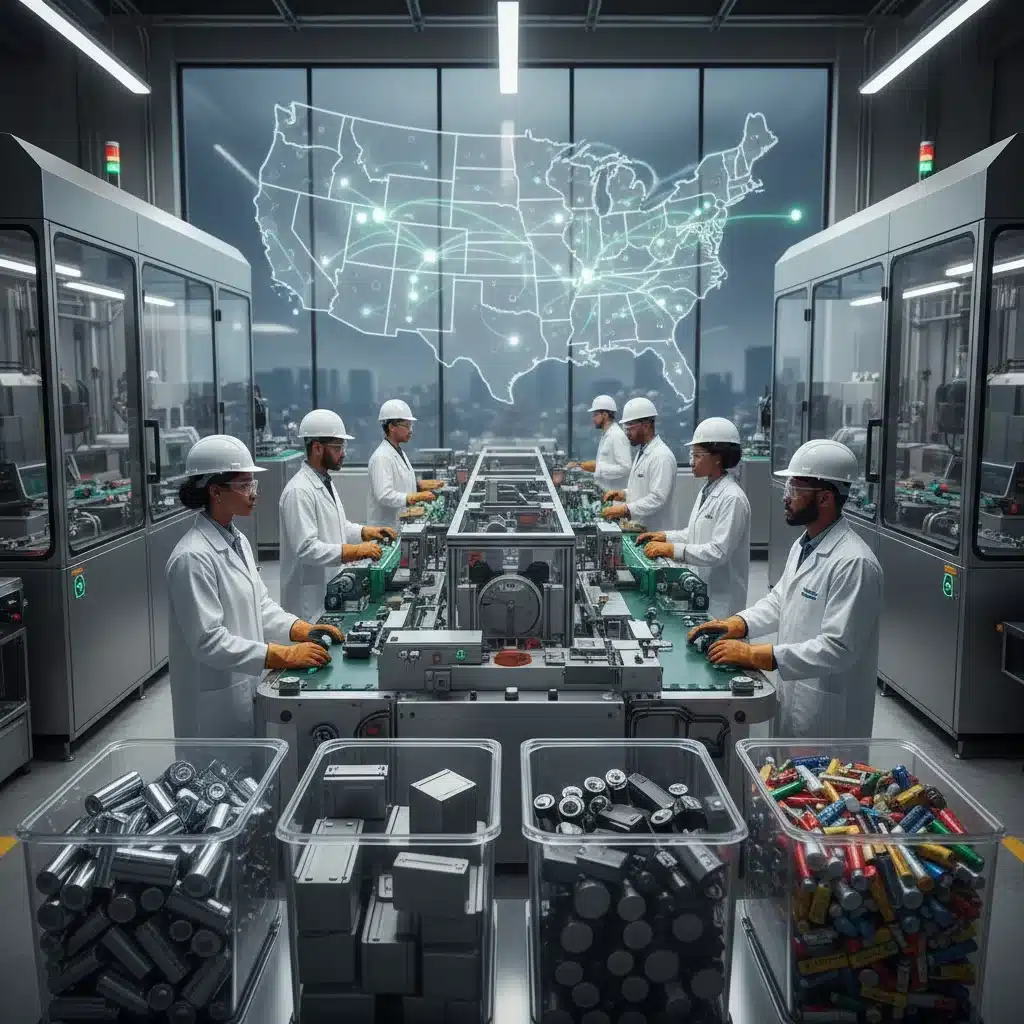
As of today, several companies are investing heavily in new facilities for battery recycling US. These facilities employ various techniques:
- Pyrometallurgy: Involves high-temperature smelting to recover metals, often burning off organic components. It’s effective but can be energy-intensive and may not recover all valuable materials.
- Hydrometallurgy: Uses aqueous solutions to leach out metals. This method is generally more efficient at recovering specific metals and can be less energy-intensive, but it generates wastewater that needs treatment.
- Direct Recycling: A newer approach that aims to restore cathode and anode materials to their original state, minimizing material degradation. This method holds promise for higher value retention but is still largely in the R&D phase for many battery types.
The challenge by 2026 will be to scale these operations to meet the anticipated volume of end-of-life batteries, particularly from EVs.
Key Regulations and Policies Shaping Battery Recycling US by 2026
The regulatory environment is a significant driver for improving battery recycling US practices. Several key policies and initiatives are influencing the landscape:
- Federal Initiatives: The Bipartisan Infrastructure Law (BIL) has allocated significant funding towards battery manufacturing, recycling, and research, aiming to create a domestic supply chain. The Department of Energy (DOE) is actively supporting recycling R&D and pilot projects.
- State-Level Regulations: Many states have their own battery stewardship laws, requiring manufacturers to fund collection and recycling programs. California, for instance, has been a pioneer in this regard. As 2026 approaches, more states are expected to implement or strengthen such laws.
- Extended Producer Responsibility (EPR): This principle places the responsibility for the entire lifecycle of products, including their take-back, recycling, and final disposal, on the producers. EPR schemes are gaining traction in the US and will likely become more widespread for batteries, compelling manufacturers to design for recyclability and invest in recycling infrastructure.
- International Standards and Agreements: While focused on the US, global trends and standards (e.g., from the EU Battery Regulation) often influence domestic policy and best practices.
Businesses operating in the battery sector must stay abreast of these evolving regulations to ensure compliance and leverage available incentives for sustainable practices.
Best Practices for Battery Collection and Logistics
Effective recycling begins with efficient collection. By 2026, robust collection networks will be critical for maximizing the volume of batteries available for recycling. Best practices include:
- Convenient Drop-off Points: Establishing accessible collection points for consumers at retail stores, municipal waste facilities, and dedicated battery collection sites.
- Manufacturer Take-back Programs: Encouraging or mandating manufacturers to establish programs for collecting their end-of-life products, especially for larger batteries like those from EVs.
- Safe Transportation: Developing standardized protocols for safely packaging and transporting spent batteries, particularly lithium-ion, to mitigate fire risks and environmental contamination. This includes proper labeling, handling instructions, and certified transporters.
- Sorting and Pre-processing: Implementing efficient sorting mechanisms to separate different battery chemistries, which is crucial for optimizing subsequent recycling processes. Initial dismantling and discharge of larger battery packs can also be part of this stage.
Technological Innovations Driving Battery Recycling US Forward
The pace of innovation in battery recycling is accelerating. By 2026, we can expect to see significant advancements:
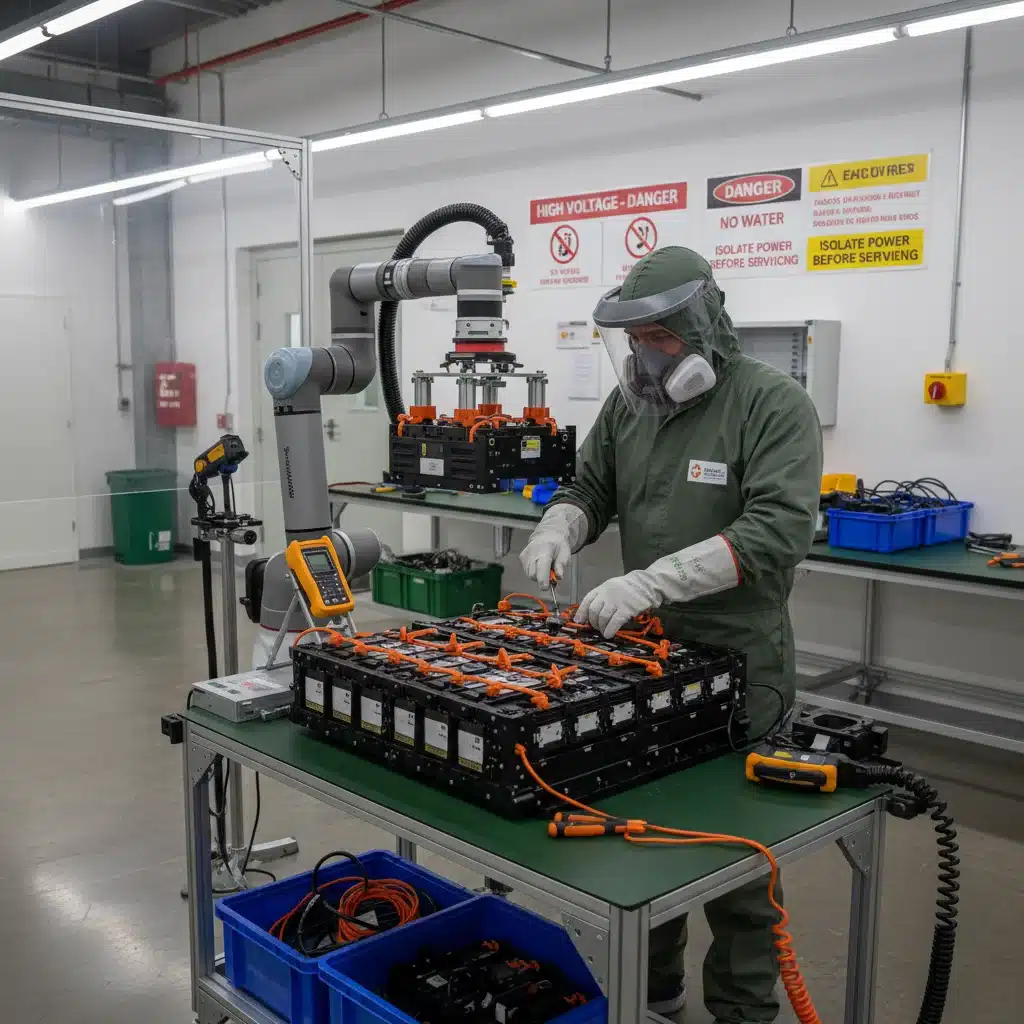
- Improved Pre-treatment: Better methods for safely discharging and dismantling batteries will enhance efficiency and safety.
- Enhanced Material Recovery: New hydrometallurgical processes are being developed to recover a wider range of critical materials with higher purity, including graphite and electrolytes, which are often overlooked in current processes.
- Direct Recycling Breakthroughs: Research into direct recycling methods promises to reduce energy consumption and preserve the valuable structure of cathode and anode materials, potentially making battery recycling even more economically attractive.
- AI and Robotics: Automation and AI can play a crucial role in sorting, dismantling, and optimizing recycling processes, improving throughput and reducing human exposure to hazardous materials.
- Battery Design for Recyclability (DfR): Manufacturers are increasingly designing batteries with easier disassembly and material separation in mind, which will significantly streamline future recycling efforts. This is a critical trend to watch by 2026.
The Role of Second-Life Applications
Before full recycling, many EV batteries can find a second life in less demanding applications, such as stationary energy storage for homes or grid support. This extends their useful life, delays the need for recycling, and further maximizes their economic and environmental value. Developing robust testing and certification processes for second-life batteries is a growing area of focus and will become a key component of sustainable battery management by 2026.
Economic Viability and Market Dynamics
For battery recycling US to be truly sustainable, it must also be economically viable. The rising prices of critical battery materials like lithium and cobalt are making recycling more attractive. However, challenges remain:
- Capital Investment: Building advanced recycling facilities requires significant upfront capital.
- Logistics Costs: Collecting and transporting batteries can be expensive.
- Market Fluctuations: The value of recovered materials can fluctuate, impacting profitability.
- Policy Support: Government incentives, grants, and mandates play a crucial role in de-risking investments and fostering market growth.
By 2026, with increasing volumes of end-of-life batteries and supportive policies, the economics of battery recycling are expected to become more favorable, attracting further investment and innovation.
Challenges and Opportunities for Battery Recycling US by 2026
Challenges:
- Standardization: Lack of universal standards for battery design, labeling, and recycling processes can hinder efficiency.
- Safety: Handling diverse battery chemistries, especially damaged Li-ion batteries, poses significant safety risks.
- Scale-up: The infrastructure needs to scale rapidly to meet the impending wave of EV battery waste.
- Consumer Awareness: Educating the public on proper battery disposal remains a significant hurdle.
Opportunities:
- Job Creation: A thriving recycling industry will create numerous skilled jobs.
- Resource Security: Reduced reliance on foreign mining ensures a more stable supply of critical materials.
- Environmental Leadership: The US can lead the way in sustainable resource management and circular economy principles.
- Innovation Hub: The challenges drive innovation in materials science, engineering, and logistics.
The Circular Economy for Batteries: A Vision for 2026 and Beyond
The ultimate goal for battery recycling US is to establish a robust circular economy. This means a system where:
- Batteries are designed for longevity and recyclability.
- Efficient collection systems capture nearly all end-of-life batteries.
- Advanced recycling technologies recover a high percentage of valuable materials.
- These recovered materials are then fed back into the manufacturing of new batteries, closing the loop.
- Second-life applications extend utility before recycling.
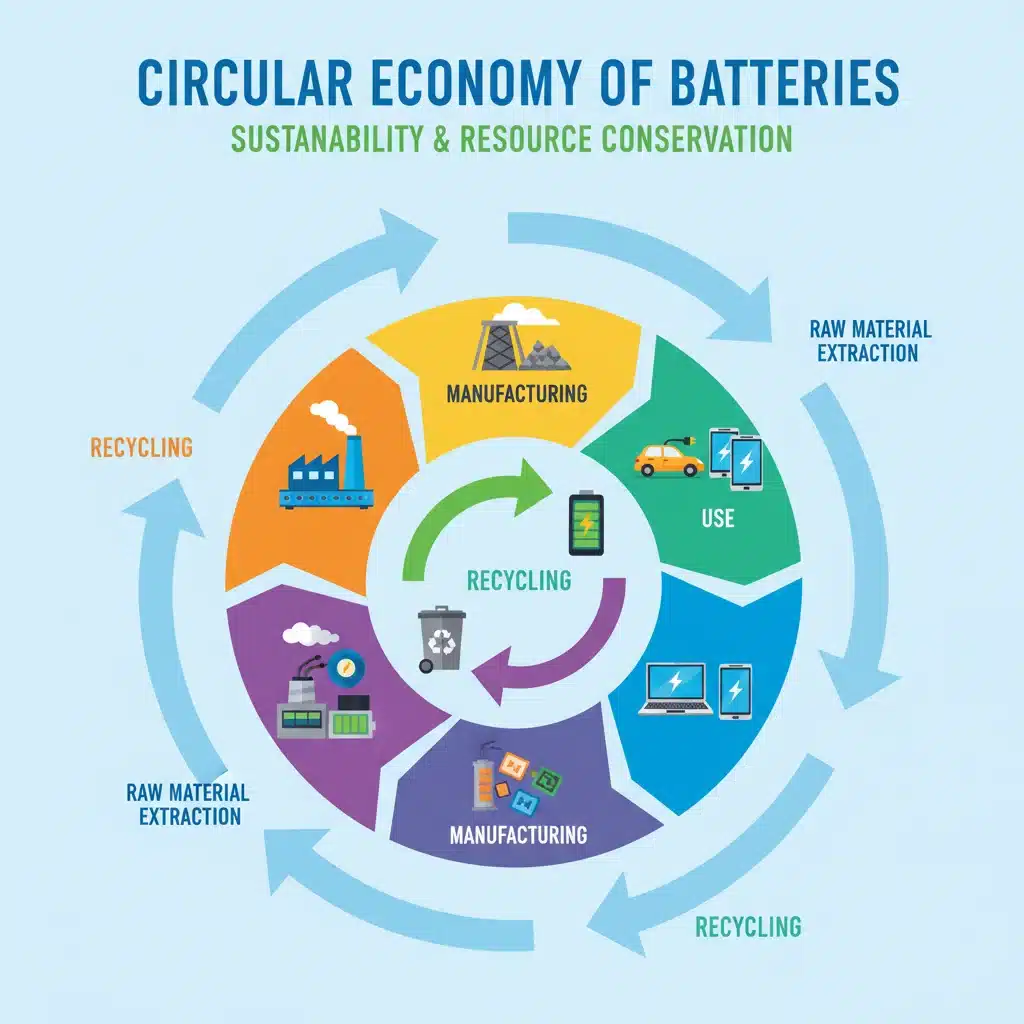
Achieving this vision by 2026 requires collaboration across industries, governments, researchers, and consumers. It’s a collective effort to transform waste into a valuable resource, securing a sustainable energy future.
What You Can Do: Consumer and Business Responsibilities
For Consumers:
- Recycle Responsibly: Never throw batteries in household trash. Seek out designated battery recycling drop-off points (e.g., at retailers, municipal waste centers).
- Educate Yourself: Understand the different types of batteries and their proper disposal methods.
- Support Sustainable Brands: Choose products from manufacturers committed to battery lifecycle management and recycling.
For Businesses:
- Implement Take-back Programs: For manufacturers and retailers, offer convenient ways for customers to return used batteries.
- Partner with Recyclers: Establish relationships with certified battery recycling facilities.
- Design for Recyclability: Integrate DfR principles into product development.
- Stay Informed: Keep up-to-date with evolving regulations and technological advancements in battery recycling US.
- Invest in R&D: Support research into more efficient and sustainable recycling processes.
Conclusion: A Sustainable Future Powered by Responsible Recycling
The journey towards a fully sustainable energy future is inextricably linked to how we manage our batteries. By 2026, the United States is poised to make significant strides in developing a robust and efficient system for battery recycling US. This will require continued innovation, strong policy support, significant investment in infrastructure, and widespread public participation.
The challenges are considerable, but the opportunities for environmental protection, resource security, and economic growth are even greater. By embracing best practices in battery recycling and disposal, we can ensure that the very devices powering our progress do not become a burden on our planet. The time to act is now, to build a circular economy where every battery contributes to a cleaner, more sustainable tomorrow.