Community-based energy storage systems: a sustainable solution
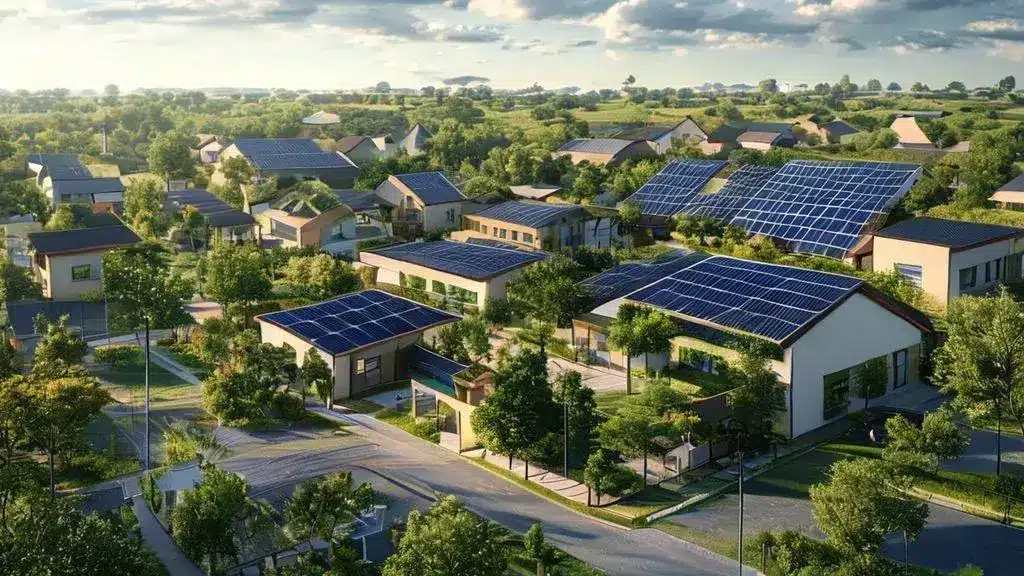
Community-based energy storage systems empower neighborhoods by allowing them to collectively store renewable energy, improving resilience, reducing costs, and promoting sustainability in local environments.
Community-based energy storage systems are transforming how we think about energy consumption and sustainability. Have you ever considered how local solutions can enhance energy efficiency? In this article, we’ll explore the ins and outs of these systems and their impact on communities.
Understanding community-based energy storage systems
Understanding community-based energy storage systems is essential in today’s sustainable energy landscape. These systems allow communities to store energy generated from renewable resources like solar and wind power. By centralizing energy storage, communities can enhance their energy independence and resilience.
What Are Community-Based Energy Storage Systems?
Community-based energy storage systems involve the collective storage of energy within a neighborhood or community. This approach not only provides power during outages but also allows for energy management and distribution among local users. The key components include energy storage units, typically batteries, and a connection to local energy generation sources.
Benefits of Community Energy Storage
There are numerous benefits to implementing community-based energy storage systems:
- Reduces reliance on the grid during peak demand.
- Enhances energy resilience and reliability.
- Facilitates the integration of renewable energy sources.
- Can lower energy costs for residents.
Communities that invest in these systems often report increased energy security. This security comes from the ability to draw power from stored energy rather than relying solely on external sources. Additionally, these systems promote sustainability by reducing greenhouse gas emissions and supporting clean energy initiatives.
Technology Behind Energy Storage
Energy storage technology has advanced significantly. Modern systems can efficiently capture excess energy and release it when needed. This technology not only supports individual homes but also stabilizes the larger grid, contributing to overall energy efficiency. Community-based energy storage systems integrate with smart technologies, allowing for real-time monitoring and management.
With the transition towards a more sustainable energy future, understanding how community storage works and its advantages is crucial. Through collaboration and innovative technologies, communities can become leaders in energy management and sustainability. Moreover, as more neighborhoods adopt these systems, the potential for a cleaner, more efficient energy ecosystem increases significantly.
Benefits of community energy storage for neighborhoods
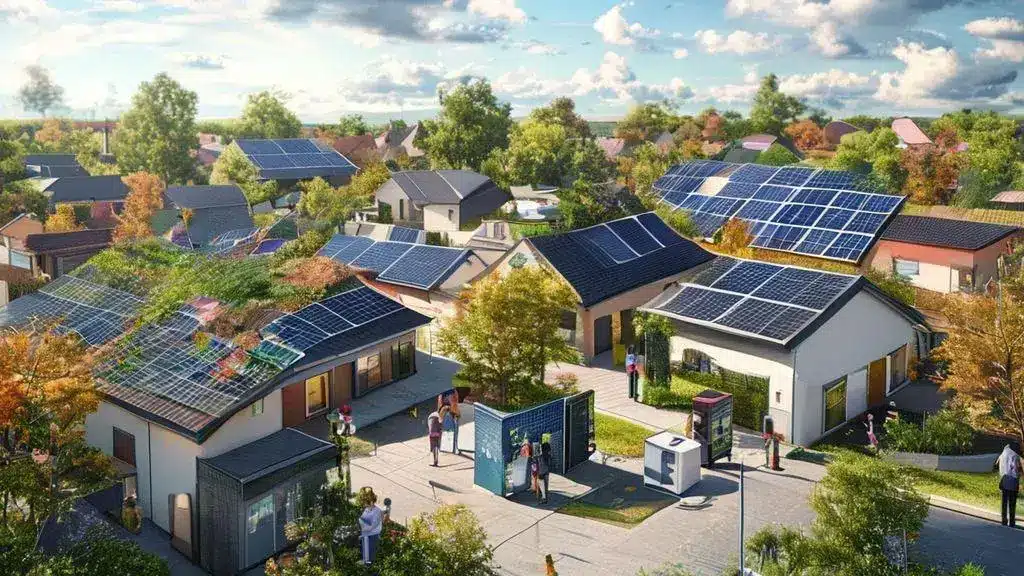
The benefits of community energy storage for neighborhoods are profound. These systems not only promote sustainability but also empower residents by providing them with greater control over their energy resources. When communities work together to harness energy, they can significantly improve their overall resilience and efficiency.
Enhanced Energy Resilience
Community energy storage systems provide neighborhoods with enhanced resilience against power outages. By storing energy locally, communities can draw on this reserve when the grid fails. This capability is particularly vital during extreme weather events or emergencies, ensuring that residents have access to essential services and comforts.
Cost Savings
One of the most compelling reasons for adopting community energy storage is potential cost savings. With a shared energy storage system, residents can benefit from lower electricity bills. These systems help manage peak demand, which in turn reduces costs associated with high-energy usage times.
- Shared resources lower individual costs.
- Reduction in peak demand charges.
- Increased energy efficiency boosts savings.
In addition, communities can take advantage of incentives or subsidies at state and local levels for deploying sustainable energy solutions. This financial support makes transitioning to community-based storage more affordable for residents.
Environmental Benefits
Community energy storage systems have significant environmental benefits. They encourage the use of renewable energy sources such as solar and wind power. By storing excess energy generated during peak production times, communities can reduce their reliance on fossil fuels. This reduction leads to lower greenhouse gas emissions, fostering a healthier environment for all residents.
Moreover, developing a community energy storage system often encourages the implementation of more renewable projects in the area. As individuals realize the advantages of localized energy solutions, they may support further initiatives to develop sustainable practices within their neighborhoods.
Ultimately, the adoption of community energy storage fosters a stronger sense of community. As residents collaborate on energy initiatives, they build connections and strengthen their neighborhood, creating a positive impact beyond just energy savings.
How to implement energy storage at the community level
Implementing energy storage at the community level involves several key steps. Understanding the process can empower neighborhoods to take control of their energy usage and sustainability. Getting started requires collaboration, planning, and investment in technology.
Build Community Support
The first step is to build strong support within the community. Residents should come together to discuss the benefits of community energy storage. Organizing informational meetings can help raise awareness and encourage participation. Engaging with local stakeholders, such as schools, businesses, and government entities, can further strengthen the initiative.
Conduct a Feasibility Study
Next, a feasibility study is essential. This study assesses energy needs and potential sources. It evaluates cost implications and the technical viability of energy storage options. This analysis helps determine whether the community should invest in a battery system, solar panels, or other technologies.
- Identify energy consumption patterns.
- Assess available renewable energy sources.
- Evaluate funding opportunities and grants.
Understanding the current energy landscape is crucial for making informed decisions. Feasibility studies also help in gauging community readiness for such a project.
Select a Technology Option
Choosing the right technology is a critical phase. Various options are available, including lithium-ion batteries, flow batteries, and compressed air storage. Each has unique benefits and limitations. Communities should consider factors like efficiency, lifespan, and environmental impact when selecting their technology.
A collaborative approach is vital when exploring financing options. Some communities may qualify for government incentives or grants aimed at promoting renewable energy and storage. Researching these resources can create significant savings for the community.
Install and Manage the System
Once the technology is chosen, the next step is installation. It’s essential to partner with experienced contractors who can ensure a proper setup. After installation, effective management of the energy storage system is necessary. This management involves monitoring the system’s performance and making adjustments as needed to maximize efficiency.
Proactive community engagement continues during this phase. Providing education and training for residents on how to use the system can enhance involvement and support. This knowledge-sharing ensures that all community members understand how to interact with their new energy storage solutions.
Case studies of successful energy storage projects
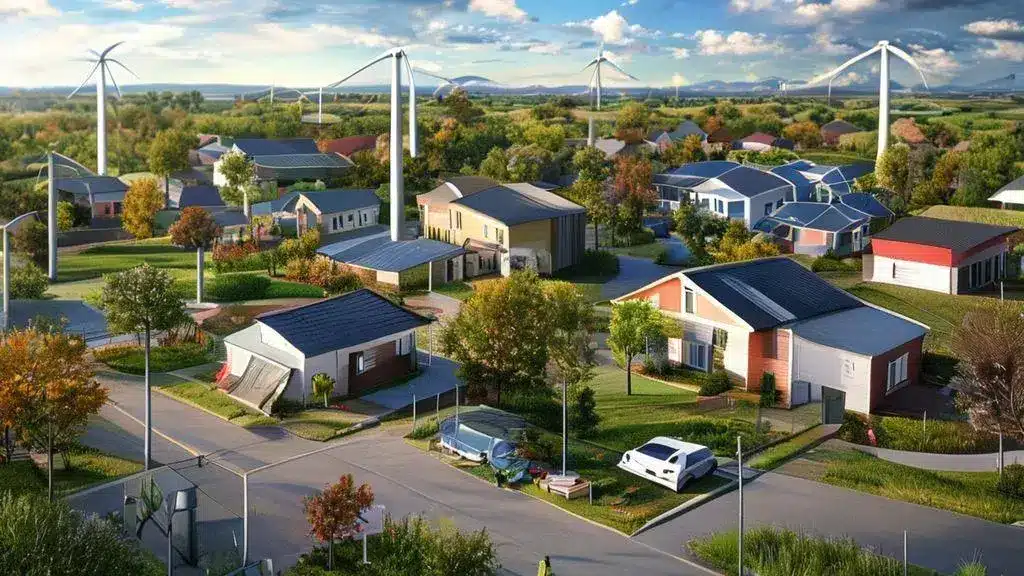
Exploring case studies of successful energy storage projects can provide invaluable insights into the implementation and benefits of these systems. These real-world examples illustrate how communities have effectively adopted energy storage solutions to enhance sustainability and resilience.
Project Overview: Tesla’s Virtual Power Plant
In Australia, Tesla’s Virtual Power Plant (VPP) connects hundreds of homes with solar panels and battery storage. Residents can generate, store, and sell excess energy back to the grid. This innovative approach not only supports the local community but also helps stabilize the energy grid.
Community Solar Plus Storage in California
Another excellent example is the Community Solar Plus Storage project in California. This program allows low-income households to participate in solar energy generation. The added storage component ensures that families have access to energy even during peak hours or outages. Participants report lower electric bills and greater energy independence.
- Increased energy resilience during emergencies.
- Cost savings for participants.
- Support for local solar industries.
The success of this project showcases the potential of combining solar generation with energy storage. Such initiatives promote social equity by providing energy solutions to underserved communities.
Brooklyn Microgrid
The Brooklyn Microgrid is an innovative energy project that allows residents to buy and sell energy locally. By using energy storage systems in conjunction with renewable sources, residents can optimize their energy usage. This microgrid creates a sense of community while promoting sustainability.
The project has faced challenges, but its ability to empower local residents has made a significant impact. Many participants have reported increased awareness of their energy consumption and practices, leading to more sustainable lifestyles.
These case studies demonstrate that community-driven energy storage projects can bring numerous advantages. By analyzing the successes and challenges faced by these projects, other communities can learn valuable lessons for their own energy initiatives.
FAQ – Frequently Asked Questions about Community-Based Energy Storage Systems
What are community-based energy storage systems?
Community-based energy storage systems allow neighborhoods to collectively store energy generated from renewable sources, enhancing resilience and sustainability.
How can these systems benefit my neighborhood?
They provide energy resilience during outages, reduce electricity bills, and promote renewable energy use within the community.
What are some successful examples of energy storage projects?
Examples include Tesla’s Virtual Power Plant in Australia and the Community Solar Plus Storage project in California, showcasing effective implementations.
How do I start implementing a community energy storage system?
Start by building community support, conducting a feasibility study, selecting appropriate technology, and managing the installation process.