Your 2026 Guide to Eco-Friendly Renovations: Achieve a 20% Smaller Carbon Footprint with These Materials
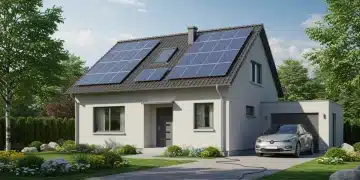
The year is 2026, and the world is more conscious than ever about its environmental impact. As homeowners, we hold significant power to contribute to a greener future, starting right within our own walls. If you’re planning a renovation, this is your definitive 2026 guide to embracing eco-friendly renovation materials that not only transform your living space but also dramatically reduce your carbon footprint. Our goal? To help you achieve at least a 20% smaller carbon footprint, making your home a beacon of sustainability.
The concept of eco-friendly renovation has evolved far beyond simply recycling demolition waste. Today, it encompasses a holistic approach to material selection, energy efficiency, water conservation, and indoor air quality. By making informed choices, you can create a healthier, more comfortable, and significantly more sustainable home. This guide will walk you through the latest and most impactful eco-friendly renovation materials available in 2026, offering practical advice and insights to help you make your renovation project a resounding success, both for you and the planet.
Why Choose Eco-Friendly Renovation Materials in 2026?
The shift towards sustainable living isn’t just a trend; it’s a necessity. The construction industry is a major contributor to global carbon emissions and waste. By opting for eco-friendly renovation materials, you’re directly addressing these challenges. Here’s why 2026 is the perfect time to commit to a green renovation:
- Reduced Carbon Footprint: This is the primary driver. Many traditional building materials require vast amounts of energy to produce, transport, and install. Eco-friendly alternatives often have lower embodied energy, are sourced locally, or are made from recycled content, significantly cutting down on greenhouse gas emissions. Our target of a 20% reduction is ambitious but entirely achievable with strategic material choices.
- Improved Indoor Air Quality: Traditional paints, adhesives, and sealants can off-gas volatile organic compounds (VOCs) for years, negatively impacting your health. Sustainable options are typically low-VOC or zero-VOC, creating a healthier living environment for you and your family.
- Long-Term Cost Savings: While some eco-friendly materials might have a higher upfront cost, their durability, energy efficiency, and low maintenance requirements often lead to substantial savings over the lifespan of your home. Think lower utility bills and fewer replacement costs.
- Increased Home Value: As environmental awareness grows, so does the demand for sustainable homes. A renovation using eco-friendly renovation materials can significantly boost your property’s market value and appeal to a broader range of buyers.
- Resource Conservation: Many sustainable materials utilize recycled content, rapidly renewable resources, or responsibly harvested natural materials, reducing the strain on finite natural resources.
- Support for Sustainable Industries: Your choices directly support companies committed to ethical sourcing, responsible manufacturing, and innovative green technologies, driving positive change across the industry.
Key Areas for Carbon Footprint Reduction in Renovation
To achieve our 20% carbon footprint reduction goal, it’s crucial to focus on the areas of your home that have the greatest environmental impact. These typically include:
- Insulation and Air Sealing: Preventing heat loss and gain is paramount.
- Windows and Doors: High-performance units drastically improve thermal efficiency.
- Flooring: Material choice here has a big impact on embodied energy and indoor air quality.
- Paints and Finishes: VOCs are a major concern.
- Kitchen and Bathroom Fixtures: Water and energy consumption can be optimized.
- Lighting: Energy-efficient lighting is a must.
- Structural Elements (if applicable): Sourcing sustainable framing and decking materials.
Let’s delve into specific eco-friendly renovation materials that excel in these categories.
Top Eco-Friendly Renovation Materials for 2026
1. Sustainable Flooring Solutions
Flooring covers a large surface area in your home, making its material choice critical. In 2026, the options for sustainable flooring are diverse and stylish:
- Bamboo Flooring: A rapidly renewable grass, bamboo matures in 3-5 years, making it an excellent alternative to slow-growing hardwoods. It’s durable, aesthetically pleasing, and available in various finishes. Look for reputable suppliers who use low-VOC adhesives in their manufacturing process.
- Reclaimed Wood: Giving new life to old timber from barns, factories, or deconstructed buildings reduces demand for new logging and saves trees. Reclaimed wood boasts unique character and a rich history, adding a distinct charm to any space.
- Recycled Content Carpeting: Many carpet manufacturers now offer options made from recycled plastic bottles (PET), fishing nets, or even industrial waste. Look for certifications like Cradle to Cradle or Green Label Plus for assurance of low emissions and sustainable production.
- Cork Flooring: Harvested from the bark of cork oak trees without harming the tree, cork is a renewable, biodegradable, and naturally insulating material. It’s soft underfoot, sound-absorbing, and resistant to mold and mildew.
- Linoleum (True Linoleum, not Vinyl): Made from natural materials like solidified linseed oil, pine rosin, wood flour, cork dust, and mineral fillers, true linoleum is biodegradable, durable, and naturally antimicrobial.
- Polished Concrete: If you have an existing concrete slab, polishing it can be a highly sustainable and modern flooring solution. It eliminates the need for additional materials and is incredibly durable and easy to maintain.
2. High-Performance Insulation and Air Sealing
Upgrading your insulation is one of the most effective ways to reduce your home’s energy consumption and, by extension, its carbon footprint. In 2026, eco-friendly renovation materials for insulation are more advanced than ever:
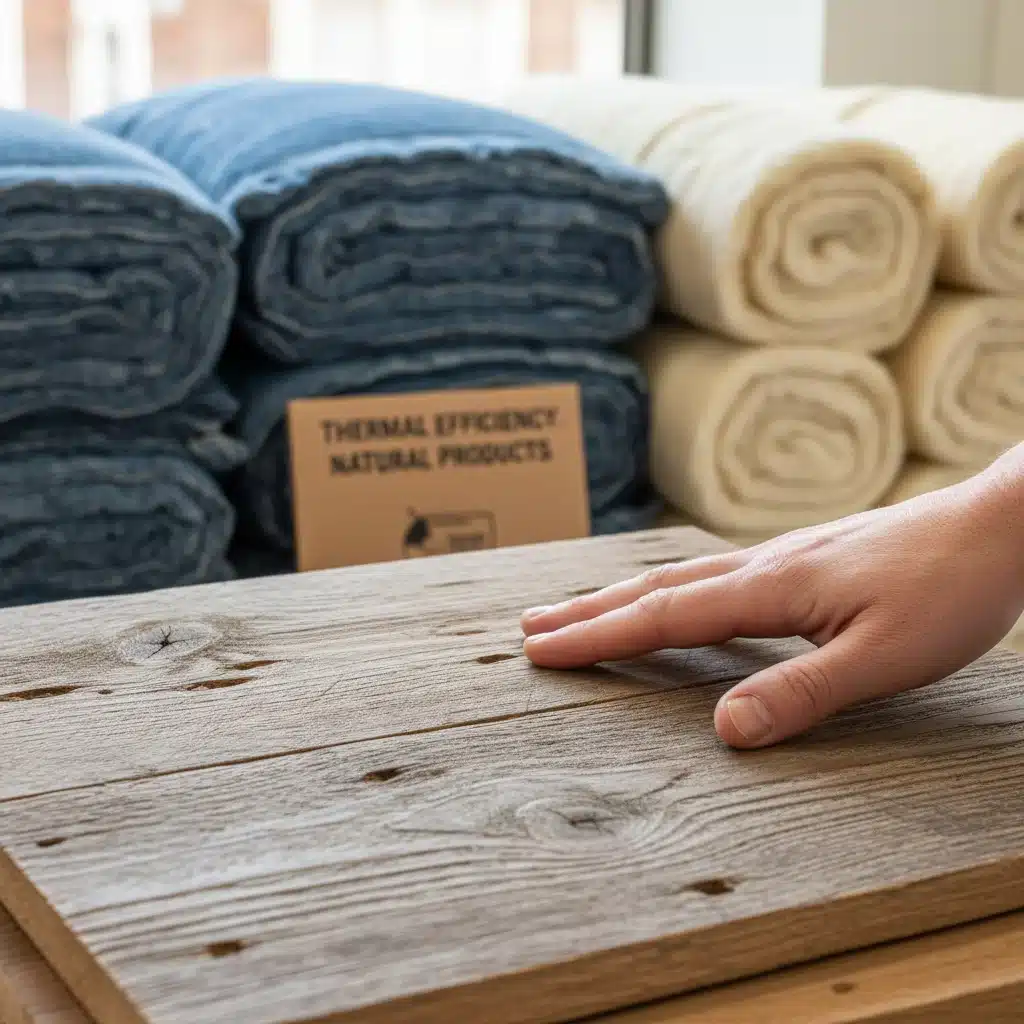
- Recycled Denim Insulation: Made from post-consumer denim scraps, this insulation offers excellent thermal performance, is non-toxic, and itch-free. It diverts textile waste from landfills and requires less energy to produce than fiberglass.
- Sheep’s Wool Insulation: A natural, renewable, and biodegradable material, sheep’s wool is highly effective at regulating temperature and humidity. It’s also naturally fire-resistant and absorbs indoor air pollutants.
- Cellulose Insulation: Produced from recycled paper (often newspaper), cellulose is a highly effective, affordable, and fire-retardant insulation material. It has a high recycled content and a low embodied energy.
- Aerogel: While more expensive, aerogel offers superior insulating properties in a very thin profile, making it ideal for spaces where traditional insulation might be too bulky. Its manufacturing process is becoming greener.
- Advanced Air Sealing Products: Don’t forget the importance of sealing air leaks. Look for low-VOC caulks, sealants, and expanding foams. These products prevent conditioned air from escaping and unconditioned air from entering, drastically improving energy efficiency.
3. Sustainable Countertops and Surfaces
Kitchens and bathrooms are prime areas for incorporating sustainable surface materials:
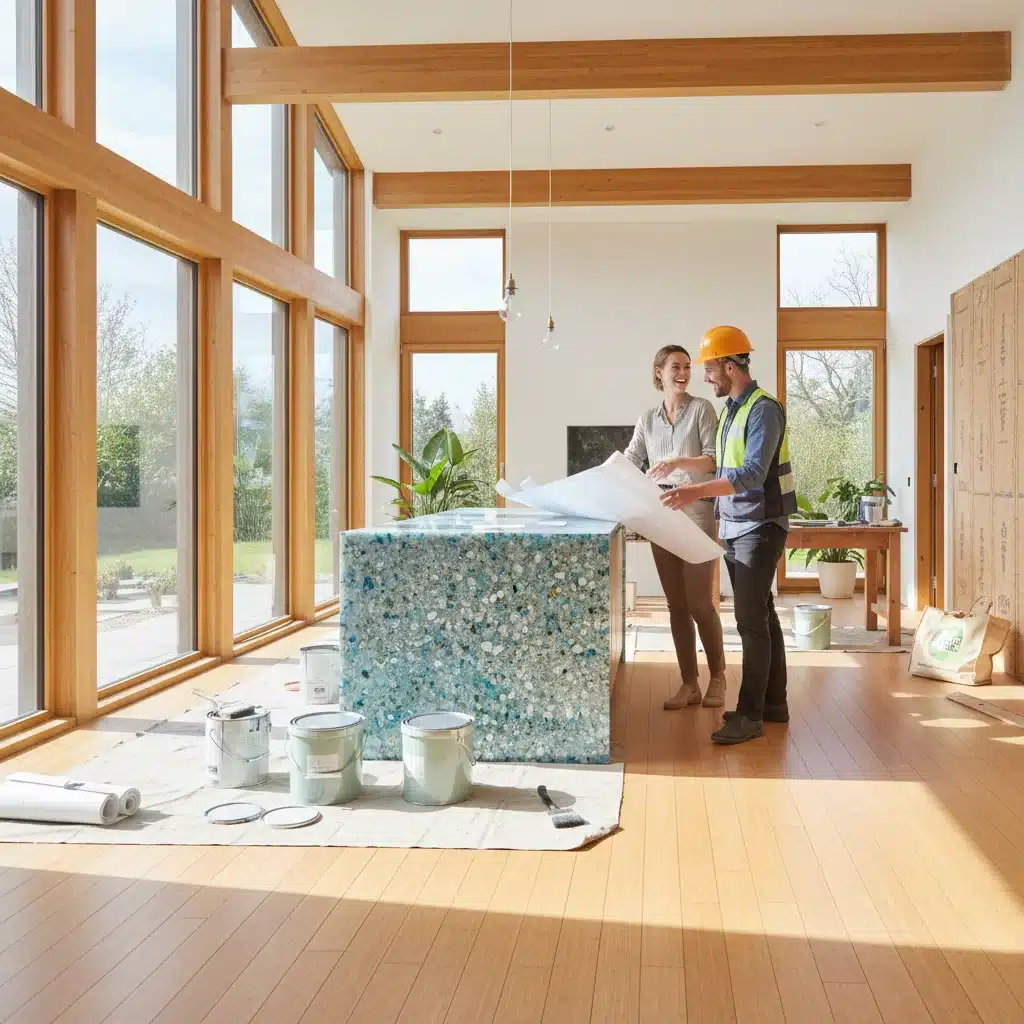
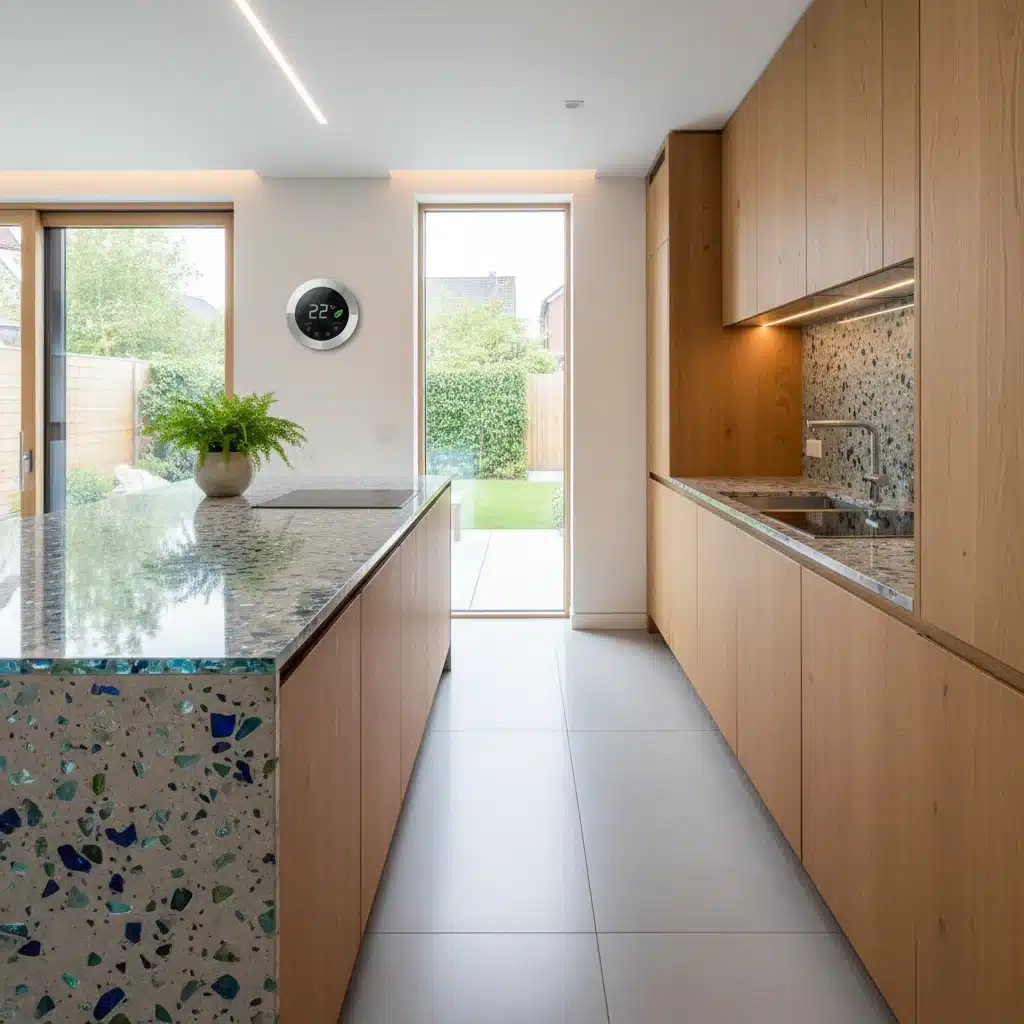
- Recycled Glass Countertops: Made from 100% post-consumer or post-industrial recycled glass embedded in a binder (often cement or resin), these countertops are stunning, durable, and divert waste from landfills. They come in a vast array of colors and finishes.
- Recycled Content Solid Surfacing: Brands like Corian and others are increasingly offering solid surface materials with significant recycled content, providing a seamless and non-porous option.
- Paper Composite Countertops: Made from compressed paper and resin, these surfaces are surprisingly durable, warm to the touch, and have a unique, organic appearance. They utilize rapidly renewable resources.
- FSC-Certified Wood Countertops: If you love the look of wood, ensure it’s certified by the Forest Stewardship Council (FSC), guaranteeing it comes from responsibly managed forests.
- Concrete (with recycled content): Modern concrete countertops can incorporate recycled aggregates like glass or fly ash (a byproduct of coal combustion), reducing their environmental footprint.
4. Low-VOC Paints, Finishes, and Adhesives
The air quality impact of paints and finishes cannot be overstated. Prioritizing low-VOC or zero-VOC products is a non-negotiable aspect of any eco-friendly renovation:
- Zero-VOC Paints: These paints contain no or negligible volatile organic compounds, which are chemicals that off-gas harmful fumes. Many brands now offer high-performance, durable zero-VOC options in a full spectrum of colors.
- Natural Paints: Derived from natural ingredients like clay, milk casein, plant oils, and natural pigments, these paints are biodegradable and non-toxic. They offer a unique aesthetic and breathability.
- Low-VOC Stains and Sealants: Extend your commitment to healthy air quality to wood stains, sealants, and varnishes. Look for water-based or natural oil-based options.
- Eco-Friendly Adhesives: When installing flooring, tile, or other materials, ensure you’re using low-VOC or natural adhesives to prevent indoor air pollution.
5. Water-Saving Fixtures and Appliances
Reducing water consumption is a vital component of a sustainable home. The market for water-efficient fixtures is robust in 2026:
- Low-Flow Toilets: Modern toilets use significantly less water per flush (1.28 gallons per flush or less) than older models, without sacrificing performance. Look for WaterSense certification.
- Low-Flow Faucets and Showerheads: Aerators in faucets and specially designed showerheads reduce water flow while maintaining adequate pressure, saving thousands of gallons annually. Again, WaterSense is your guide.
- Energy-Efficient Appliances: When replacing kitchen or laundry appliances, always opt for ENERGY STAR certified models. These appliances are designed to use less electricity and water, reducing your home’s overall environmental impact.
6. Roofing and Siding for Longevity and Efficiency
The exterior of your home plays a crucial role in its energy performance and longevity:
- Cool Roof Materials: These materials (e.g., reflective coatings, light-colored tiles, or specialized membranes) are designed to reflect more sunlight and absorb less heat than standard roofs. This keeps your home cooler in hot climates, reducing air conditioning costs and the urban heat island effect.
- Recycled Content Roofing Shingles: Some manufacturers offer shingles made from recycled rubber, plastic, or even old asphalt shingles. These are durable and divert waste.
- Fiber Cement Siding: Made from cement, sand, and cellulose fibers, fiber cement is extremely durable, fire-resistant, and requires little maintenance. Look for products with high recycled content and sustainable manufacturing processes.
- Sustainably Harvested Wood Siding: If wood siding is your choice, ensure it’s FSC-certified to guarantee responsible forestry practices.
7. Advanced Window and Door Technologies
Windows and doors are often significant sources of energy loss. Upgrading to high-performance units can yield substantial carbon footprint reductions:
- Double or Triple-Pane Windows: These windows feature multiple panes of glass with inert gas (like argon or krypton) filling the space between them, significantly improving insulation.
- Low-Emissivity (Low-E) Coatings: These microscopic metallic coatings on window glass reflect radiant heat, keeping heat inside during winter and outside during summer.
- Energy-Efficient Frames: Look for frames made from materials like fiberglass, vinyl, or wood with thermal breaks that prevent heat transfer through the frame itself.
- Airtight Seals: Proper installation and high-quality weatherstripping are crucial for preventing air leaks around windows and doors.
Achieving Your 20% Carbon Footprint Reduction: A Strategic Approach
Reaching a 20% reduction in your home’s carbon footprint through renovation requires more than just picking individual eco-friendly renovation materials. It demands a strategic, integrated approach:
- Home Energy Audit: Start with a professional energy audit. This will identify where your home is losing energy and pinpoint the most impactful areas for improvement. It provides a baseline for measuring your reduction.
- Prioritize High-Impact Upgrades: Focus on insulation, air sealing, and high-performance windows and doors first. These typically offer the greatest returns in terms of energy savings and carbon reduction.
- Research and Verify Certifications: Don’t just take a manufacturer’s word for it. Look for reputable third-party certifications like:
- LEED (Leadership in Energy and Environmental Design): For overall project certification.
- ENERGY STAR: For appliances, windows, and roofing.
- WaterSense: For plumbing fixtures.
- FSC (Forest Stewardship Council): For wood products.
- Cradle to Cradle: For products designed for circularity.
- GreenGuard: For low chemical emissions.
- EPD (Environmental Product Declaration): Provides transparent, verified environmental performance data for products.
- Source Locally: Whenever possible, choose materials manufactured or sourced close to your home. This reduces transportation emissions, a significant part of a material’s embodied energy.
- Consider Durability and Lifespan: A material that lasts longer, requires less maintenance, and doesn’t need frequent replacement is inherently more sustainable, even if its initial embodied energy is slightly higher.
- Waste Management Plan: Plan for the demolition phase. Can old materials be donated, recycled, or upcycled? Minimizing landfill waste is a key aspect of green renovation.
- Work with Green Professionals: Engage architects, designers, and contractors who specialize in sustainable building practices. Their expertise will be invaluable in navigating material choices and installation techniques.
- Educate Yourself: The more you understand about the environmental impact of different materials, the better decisions you can make. This guide is a starting point, but continuous learning is key.
The Future is Green: Beyond 2026
The field of eco-friendly renovation materials is constantly evolving. As we look beyond 2026, we can anticipate even more innovative solutions:
- Bio-based Materials: Expect to see more building materials derived from agricultural waste, fungi (mycelium), and algae, offering biodegradable and renewable alternatives to traditional plastics and composites.
- Carbon-Capturing Materials: Research is ongoing into materials that can actually absorb carbon dioxide from the atmosphere, turning buildings into active agents in fighting climate change.
- Smart Materials: Materials that adapt to environmental conditions (e.g., self-healing concrete, temperature-regulating coatings) will become more commonplace, further enhancing building efficiency and longevity.
- Circular Economy Principles: The focus will intensify on designing materials for disassembly and reuse, ensuring that products at the end of their life cycle can be easily recycled or repurposed.
Conclusion: Your Role in a Sustainable Future
Embarking on an eco-friendly renovation in 2026 is more than just a home improvement project; it’s a commitment to a sustainable future. By carefully selecting eco-friendly renovation materials, you are not only creating a healthier, more efficient, and valuable home for yourself but also making a tangible contribution to reducing climate change and preserving our planet’s resources.
Remember, every choice matters. From the type of insulation you choose to the paint on your walls, each decision has an environmental footprint. Aim for that 20% carbon footprint reduction, and you’ll find that the benefits extend far beyond your utility bills, enriching your life and setting a powerful example for others. The future of home building is green, and with this guide, you are well-equipped to be a part of it.
Start planning your sustainable renovation today and join the growing movement of homeowners building a better, greener tomorrow.