2026 Consumer’s Guide to Ethical Fashion: Sustainable Brands

Anúncios
The 2026 consumer’s guide to ethical fashion provides essential strategies for identifying truly sustainable brands amidst a saturated market, empowering conscious purchasing decisions.
Welcome to the forefront of conscious consumerism. In 2026, navigating the fashion industry requires more than just an eye for style; it demands a critical understanding of ethics and sustainability. This comprehensive ethical fashion guide 2026 is designed to empower you to distinguish genuinely sustainable brands from those merely greenwashing, ensuring your wardrobe choices align with your values and contribute positively to our planet.
Understanding the 2026 Ethical Fashion Landscape
The ethical fashion landscape in 2026 is both promising and perplexing. While consumer demand for sustainable clothing has surged, so too has the complexity of the market, with an increasing number of brands claiming eco-credentials. This section delves into the current state of ethical fashion, highlighting the advancements and the challenges that conscientious consumers face today.
The industry has seen significant technological strides, from innovative material science to advanced recycling programs. However, the sheer volume of information can be overwhelming, making it difficult to discern genuine commitment from marketing ploys. We’ll explore how to cut through the noise and focus on what truly matters.
The Rise of Greenwashing: A Persistent Challenge
Greenwashing remains a pervasive issue, with many companies using vague or misleading terms to appear more sustainable than they are. Identifying these tactics is crucial for any consumer committed to ethical purchasing. It’s not enough to see a ‘green’ label; understanding the substance behind the claim is paramount.
- Vague Terminology: Brands often use terms like “eco-friendly” or “natural” without providing specific details or certifications.
- Irrelevant Claims: Highlighting one small sustainable aspect while ignoring significant environmental harm in other areas of production.
- Hidden Trade-offs: Promoting a product as “better” based on a narrow set of attributes, diverting attention from larger environmental impacts.
As consumers, our skepticism is our greatest asset. By questioning claims and seeking verifiable evidence, we can push brands towards greater transparency and accountability. The power lies in our collective ability to demand more than just pretty words.
In conclusion, the 2026 ethical fashion market is a dynamic space requiring informed navigation. By recognizing the industry’s complexities and the prevalence of greenwashing, consumers can begin to make more impactful and truly sustainable choices. This foundational understanding is key to becoming an effective ethical shopper.
Key Certifications and Standards to Look For
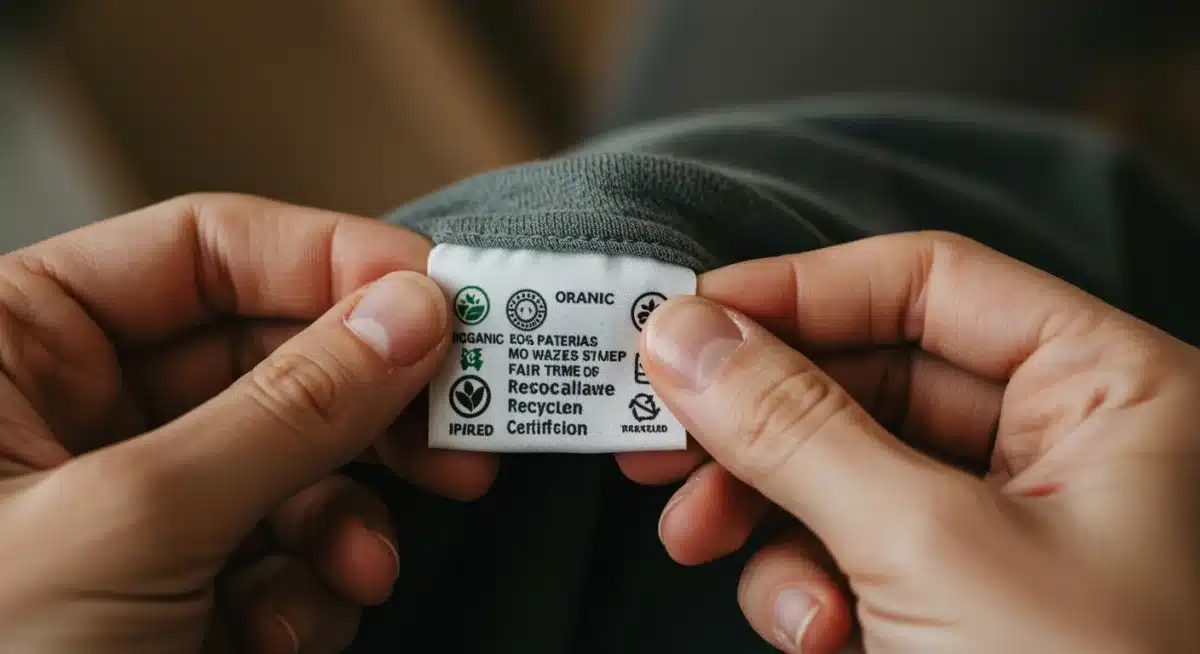
In a market rife with ambiguous claims, certifications serve as beacons of trustworthiness. This section provides a comprehensive overview of the most reputable certifications and standards that truly sustainable brands adhere to in 2026. Knowing these will equip you with the tools to verify a brand’s commitment to ethical and environmental practices.
These certifications are not merely badges; they represent rigorous audits, adherence to strict guidelines, and a commitment to transparency across the supply chain. They are independently verified, offering consumers an unbiased assurance of a brand’s sustainability claims.
Global Organic Textile Standard (GOTS)
GOTS is perhaps the most widely recognized standard for organic fibers, encompassing ecological and social criteria. It covers the processing, manufacturing, packaging, labeling, trading, and distribution of all textiles made from at least 70% certified organic natural fibers.
- Environmental Criteria: Prohibits toxic heavy metals, formaldehyde, aromatic solvents, and genetically modified organisms.
- Social Criteria: Ensures fair labor practices, safe working conditions, and no child labor, aligning with ILO conventions.
A GOTS label signifies a holistic approach to sustainability, from the farm to the finished product. It’s a gold standard for organic textiles, giving consumers peace of mind about both environmental and social impacts.
Fair Trade Certified and B Corp Certification
Beyond environmental impact, ethical fashion also heavily weighs on social responsibility. Fair Trade certification focuses on ensuring fair wages, safe working conditions, and community development for producers in developing countries. B Corp certification, on the other hand, evaluates a company’s entire social and environmental performance, transparency, and accountability.
Fair Trade certified products often mean better livelihoods for artisans and farmers. B Corp certification signifies a company that balances profit with purpose, meeting high standards of verified performance, accountability, and transparency.
These certifications are critical indicators for consumers seeking to support brands that genuinely prioritize people and planet. By seeking out products with these labels, you are directly contributing to a more equitable and sustainable fashion industry. They simplify the complex task of vetting brands, allowing you to trust the integrity of your purchases.
Material Matters: Sustainable Fabrics and Innovations
The foundation of ethical fashion lies in its materials. In 2026, the discussion around sustainable fabrics has evolved beyond just organic cotton to include a diverse array of innovative, low-impact alternatives. This section explores the best sustainable materials and emerging textile technologies that are shaping the future of fashion.
Understanding the properties and production processes of different fabrics is crucial. Some materials require less water, others are made from recycled content, and some are biodegradable, each offering unique environmental benefits. Conscious consumers must familiarize themselves with these options to make truly informed choices.
Leading Sustainable Fibers
While organic cotton remains a staple, new materials are gaining prominence due to their reduced environmental footprint. These innovations offer diverse textures, durability, and performance characteristics, pushing the boundaries of what sustainable fashion can be.
- Recycled Materials: Polyester (rPET) and nylon made from post-consumer waste, significantly reducing landfill burden and virgin resource consumption.
- Lenzing Ecovero and Tencel: Viscose and lyocell fibers derived from sustainably sourced wood pulp, produced in a closed-loop system that minimizes water and chemical use.
- Hemp and Linen: Ancient fibers known for their minimal water requirements, natural strength, and biodegradability.
These materials represent a significant step forward in reducing the environmental impact of clothing production. By prioritizing products made from these fibers, consumers actively support a circular economy and lessen the demand for resource-intensive alternatives.
Beyond natural and recycled options, the industry is seeing exciting developments in bio-based textiles created from agricultural waste, fungi, and even algae. These cutting-edge materials promise even greater sustainability, moving towards a future where fashion can be regenerative. Supporting brands that invest in and utilize these pioneering materials is a way to cast a vote for innovation.
Ultimately, the choice of material is a powerful statement. Opting for sustainable fabrics not only reduces your personal environmental impact but also encourages brands to adopt more responsible sourcing and production practices across the board. This collective shift is vital for a greener fashion future.
Transparency and Traceability: Demanding Accountability
In 2026, a truly ethical brand doesn’t just make claims; it provides clear, verifiable information about its supply chain. Transparency and traceability are paramount, allowing consumers to understand where and how their clothes are made. This section focuses on how to assess a brand’s commitment to openness and accountability.
Brands that are genuinely sustainable are not afraid to share details about their factories, material origins, and labor practices. They often publish sustainability reports, factory lists, and engage in third-party audits. This openness is a cornerstone of trust in the ethical fashion movement.
What to Look for in Brand Transparency
A transparent brand goes beyond marketing slogans. It provides accessible information that allows consumers to trace the journey of their garments. This level of detail empowers consumers to make truly informed decisions and hold brands accountable for their practices.
- Published Supply Chain Maps: Detailed information on where raw materials are sourced and where manufacturing occurs.
- Sustainability Reports: Annual reports detailing environmental impact, labor practices, and future sustainability goals.
- Third-Party Audits: Independent verification of factories and supply chain partners to ensure compliance with ethical standards.
Brands that actively share this information demonstrate a genuine commitment to ethical practices. Conversely, a lack of transparency often signals areas where a brand may be cutting corners or engaging in less sustainable practices. Your power as a consumer lies in demanding this level of detail.
Furthermore, engage with brands on social media or through customer service to ask specific questions about their practices. A truly transparent brand will be willing and able to provide clear, concise answers without evasion. Their responsiveness can be as telling as their published reports.
In conclusion, transparency and traceability are non-negotiable for ethical fashion in 2026. By actively seeking out brands that offer clear insights into their operations, consumers can contribute to a more accountable and responsible industry, fostering a culture of openness that benefits everyone.
The Lifecycle Approach: Beyond Purchase
Ethical fashion extends far beyond the point of purchase; it encompasses the entire lifecycle of a garment, from its creation to its eventual disposal. In 2026, consumers must consider how brands facilitate longevity, repair, and end-of-life solutions for their products. This section explores the importance of a lifecycle approach to sustainable fashion.
A truly sustainable brand designs clothes with durability in mind, offers repair services, and considers how garments will eventually be recycled or composted. This holistic view minimizes waste and maximizes resource efficiency, aligning with circular economy principles.
Designing for Durability and Longevity
Fast fashion’s model of disposable clothing is antithetical to sustainability. Ethical brands prioritize quality construction and timeless designs that resist fleeting trends, encouraging consumers to keep and wear their clothes for longer periods. This reduces the overall consumption rate and the environmental impact associated with constant new production.
- Quality Craftsmanship: Garments made to last, reducing the need for frequent replacements.
- Timeless Style: Designs that transcend seasonal trends, ensuring relevance for years to come.
- Repair Services: Brands offering or facilitating repairs to extend the life of their products.
By investing in durable, well-made clothing, consumers can significantly reduce their personal fashion footprint. This shift from quantity to quality is a cornerstone of responsible consumption, saving resources and money in the long run.
Beyond durability, consider a brand’s take-back programs or recycling initiatives. Some brands offer incentives for returning old garments, which they then repurpose or recycle into new materials. This closes the loop, preventing clothing from ending up in landfills and contributing to pollution.
To conclude, a truly ethical approach to fashion considers the entire journey of a garment. By supporting brands that prioritize durability, offer repair options, and implement end-of-life solutions, consumers play a vital role in building a more circular and sustainable fashion ecosystem for 2026 and beyond.
Empowering Your Ethical Wardrobe in 2026
Building an ethical wardrobe in 2026 is an ongoing journey that requires conscious choices and a willingness to learn. This section provides practical advice and actionable steps for consumers to confidently navigate the ethical fashion market and make a real difference with their purchasing power.
It’s not about perfection, but about progress. Every small, informed decision contributes to a larger movement towards a more sustainable and equitable fashion industry. Empowering yourself with knowledge is the first step towards transforming your shopping habits.
Practical Tips for Conscious Shopping
Making ethical choices doesn’t have to be overwhelming. By adopting a few key strategies, you can simplify the process and ensure your purchases align with your values without sacrificing style or convenience. It’s about being intentional with every item you bring into your life.
- Research Before You Buy: Utilize online resources, apps, and ethical fashion directories to vet brands.
- Read Product Descriptions Carefully: Look for details on materials, certifications, and manufacturing processes.
- Prioritize Quality Over Quantity: Invest in fewer, well-made pieces that will last, reducing overall consumption.
- Support Secondhand and Vintage: Extend the life of existing garments and reduce demand for new production.
These simple yet powerful actions can significantly reduce your environmental footprint and support brands that are genuinely committed to ethical practices. Remember, your choices send a strong signal to the industry about what you value.
Consider also engaging with the ethical fashion community. Share your discoveries, ask questions, and learn from others who are on a similar journey. Collective knowledge and shared experiences can make the path to an ethical wardrobe more accessible and enjoyable for everyone.
In summary, empowering your ethical wardrobe in 2026 means embracing a mindful approach to consumption. By leveraging certifications, understanding materials, demanding transparency, and adopting a lifecycle perspective, you become a powerful agent of change in shaping a more sustainable future for fashion.
| Key Point | Brief Description |
|---|---|
| Combat Greenwashing | Learn to identify misleading sustainability claims by focusing on verifiable evidence and specific details. |
| Prioritize Certifications | Look for GOTS, Fair Trade, and B Corp labels as indicators of genuine ethical and environmental commitment. |
| Choose Sustainable Materials | Opt for recycled fibers, Tencel, hemp, and organic cotton to reduce environmental impact. |
| Demand Transparency | Support brands that openly share their supply chain, labor practices, and sustainability reports. |
Frequently Asked Questions About Ethical Fashion in 2026
In 2026, ethical fashion means clothing produced with respect for both people and the planet. This includes fair labor practices, safe working conditions, minimal environmental impact through sustainable materials and processes, and transparent supply chains from raw material to finished product.
To spot greenwashing, look beyond vague claims like ‘eco-friendly.’ Seek specific certifications (GOTS, Fair Trade), detailed sustainability reports, and transparent information about a brand’s supply chain and manufacturing processes. A lack of concrete evidence is a red flag.
Often, sustainable clothing has a higher upfront cost due to ethical labor, quality materials, and responsible production. However, these items are typically more durable and timeless, reducing the need for frequent replacements, offering better value over their longer lifespan.
Prioritize materials like certified organic cotton, recycled polyester (rPET), Tencel, Lenzing Ecovero, hemp, and linen. These materials have a significantly lower environmental footprint due to reduced water usage, chemical-free processing, or utilization of waste products.
Extend the life of your clothes by caring for them properly, repairing items, and donating or selling what you no longer need. Embrace secondhand shopping, swap clothes with friends, and participate in brand take-back programs to promote a circular economy.
Conclusion
The journey towards a truly ethical wardrobe in 2026 is a testament to the growing power of conscious consumerism. By diligently seeking out certifications, understanding material impacts, demanding supply chain transparency, and adopting a lifecycle perspective, you become an integral part of shaping a more sustainable and equitable fashion industry. Every informed choice contributes to a collective movement that prioritizes planet and people over fleeting trends. Embrace this guide as your compass, and step confidently into an era where fashion is synonymous with responsibility.