Sustainable fashion and clothing: why it matters now

Sustainable fashion emphasizes eco-friendly materials and ethical practices to reduce environmental impact, support fair labor, and promote a more responsible clothing industry.
Sustainable fashion and clothing are becoming crucial for our planet’s future. Have you ever wondered how your clothing choices impact the environment? Let’s dive into what sustainable fashion means for you and the world.
Understanding sustainable fashion
Understanding sustainable fashion is essential for anyone looking to make mindful choices about their clothing. This concept goes beyond just style; it encompasses how our clothes are made and their impact on the environment.
Sustainable fashion prioritizes ethical practices and eco-friendly materials. By focusing on these aspects, we can reduce waste and pollution. Are you curious about how this works? Let’s dive deeper.
Key Principles of Sustainable Fashion
Sustainable fashion is built on a few important principles that guide how clothing is created and consumed. Some of these principles include:
- Use of organic materials that are grown without harmful chemicals.
- Promotion of fair trade practices to ensure workers are treated ethically.
- Reduction of water and energy consumption during production.
- Encouragement of recycling and upcycling to minimize waste.
By understanding these principles, we can make better choices while shopping. For instance, choosing brands that align with these values ensures that your purchases support ethical practices.
The Impact of Fast Fashion
On the flip side, fast fashion poses significant challenges to sustainable practices. The rapid production of cheap clothes leads to substantial waste and environmental damage. As consumers, we have the power to influence change by shifting towards sustainable options.
With this knowledge, consider reflecting on your clothing habits. Ask yourself: Are the garments in your closet made sustainably? Making small changes can contribute to a larger positive impact on the planet.
Understanding sustainable fashion is crucial in today’s world. By informing ourselves about the implications of our clothing choices, we can work towards a more sustainable future.
Benefits of sustainable clothing
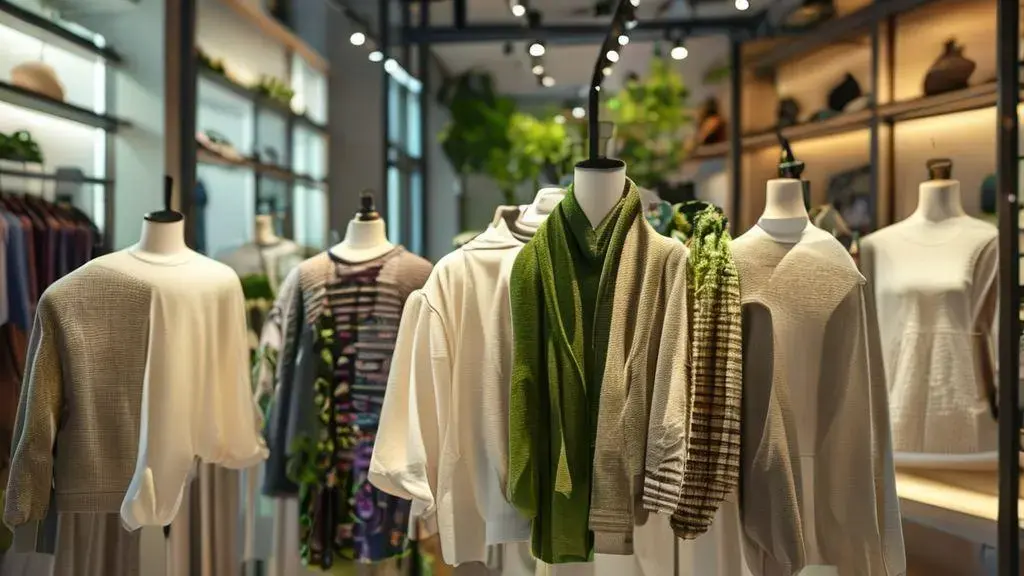
The benefits of sustainable clothing are becoming increasingly recognized as consumers seek more responsible options. Choosing clothes made from sustainable materials is not just good for the environment; it’s also beneficial for your health.
One major advantage is the reduction of harmful chemicals used in the production of clothing. Many sustainable brands utilize organic fabrics, which are less likely to irritate the skin. This is particularly important for people with allergies or sensitivities.
Environmental Impact
Moreover, sustainable clothing significantly lowers the environmental footprint of the fashion industry. By opting for eco-friendly materials, we can help to:
- Minimize waste produced during manufacturing.
- Conserve water and reduce pollution.
- Decrease carbon emissions linked to clothing production.
- Support biodiversity through the use of organic farming practices.
When we choose sustainable options, we contribute to a healthier planet. It’s a small decision that can lead to big changes over time. Choosing clothes that are made to last rather than disposable fast fashion pieces also means reducing the frequency of purchases.
Social Advantages
Another key benefit is the support of fair labor practices. Many sustainable clothing brands prioritize ethical labor, ensuring workers are paid fairly and work in safe conditions. By purchasing from these brands, we are investing in people and communities, not just products.
In addition to ethical labor, sustainable brands often focus on transparency in their supply chains. This transparency helps consumers make informed choices, knowing exactly where and how their clothes are made. This knowledge fosters a connection between the consumer and the producer, enhancing trust.
Overall, the shift to sustainable clothing provides numerous advantages, from supporting ethical practices to reducing our ecological footprint. As more people become aware of these benefits, the demand for sustainable options is likely to continue rising.
Tips for adopting sustainable fashion practices
Adopting sustainable fashion practices is easier than you might think. By making a few simple changes, you can significantly reduce your impact on the environment while still looking stylish.
One effective way to start is by examining your wardrobe. Identify pieces you no longer wear and consider donating or upcycling them. This not only creates space but also reduces waste in landfills.
Choose Quality Over Quantity
When shopping for new clothes, prioritize high-quality items that will last longer. Look for sustainable brands that focus on:
- Using eco-friendly materials.
- Implementing ethical labor practices.
- Creating timeless designs instead of fast trends.
By investing in quality clothing, you not only save money in the long run but also contribute to a more sustainable fashion industry.
Embrace Second-Hand Shopping
Another tip is to explore second-hand shops or online thrift stores. Shopping for pre-owned clothing is a great way to find unique items while giving clothes a second life. This practice helps reduce the demand for new clothing production and encourages recycling.
Additionally, consider organizing clothing swaps with friends. This fun social event allows you to refresh your wardrobe without spending money or contributing to fast fashion.
Maintain Your Clothing
Remember to care for your garments to prolong their lifespan. Simple actions like washing in cold water and air drying can make a significant difference. Moreover, repairing clothes instead of discarding them can save resources and foster a sustainable mindset.
As you navigate your fashion choices, consider the impact of your decisions. Each small change you make can lead to a more sustainable wardrobe, reducing your environmental footprint while enhancing your personal style.
Challenges in the sustainable fashion industry

Challenges in the sustainable fashion industry are significant and can often hinder progress toward a more eco-friendly future. Despite the increasing popularity of sustainable practices, the industry faces obstacles that consumers may not be aware of.
One major challenge is the cost of sustainable materials. Eco-friendly fabrics, such as organic cotton or hemp, are typically more expensive to produce than conventional materials. This higher cost can lead to elevated prices for consumers, making sustainable clothing less accessible.
Supply Chain Transparency
Another issue is the lack of transparency in supply chains. Many brands struggle to trace where their materials come from and who makes their clothes. This lack of visibility makes it difficult for consumers to make informed choices about the sustainability of the products they purchase.
Furthermore, the fast fashion model continues to exert pressure on the sustainable fashion movement. Fast fashion emphasizes rapid production and low prices, which often leads to negative environmental impacts. This system encourages overconsumption and waste, directly opposing sustainable practices.
Consumer Awareness
Additionally, there is a general lack of consumer awareness regarding sustainable fashion. Many people are not familiar with the environmental and social implications of their clothing choices. Educating consumers about the benefits of sustainable options and the consequences of fast fashion is crucial.
Moreover, the competition among brands can lead to greenwashing, where companies make misleading claims about their sustainability efforts. As a result, consumers may find it difficult to distinguish genuinely sustainable brands from those merely marketing themselves as such.
Despite these challenges, the sustainable fashion industry continues to evolve. By addressing these obstacles and increasing awareness, both consumers and brands can work together toward a more sustainable future.
Conclusion
In summary, embracing sustainable fashion is essential for protecting our planet and promoting ethical practices. Despite challenges like high costs and lack of transparency, we can all contribute to a more sustainable future by making informed clothing choices. By supporting brands that prioritize the environment and social responsibility, we can change the industry for the better. Every small action counts, and together, we can drive the shift toward more sustainable clothing options.
Here’s a quick overview of important points regarding sustainable fashion:
FAQ – Frequently Asked Questions about Sustainable Fashion
What is sustainable fashion?
Sustainable fashion refers to clothing that is designed, produced, and consumed in a way that is environmentally and socially responsible.
Why is it important to choose sustainable clothing?
Choosing sustainable clothing helps reduce pollution, supports ethical labor practices, and decreases waste in landfills.
How can I identify sustainable fashion brands?
Look for brands that use eco-friendly materials, practice transparency in their supply chains, and promote fair labor conditions.
What challenges does the sustainable fashion industry face?
Challenges include high costs of sustainable materials, lack of transparency, consumer awareness, and competition from fast fashion.