Mastering Zero-Waste Living: 7 Practical Solutions to Cut Household Waste by 50% in 3 Months
Anúncios
Mastering Zero-Waste Living: 7 Practical Solutions to Cut Household Waste by 50% in 3 Months
In an era increasingly defined by environmental consciousness, the concept of zero waste living has emerged not just as a trend, but as a crucial lifestyle shift. Our planet is drowning in waste, and the statistics are stark: every year, an estimated 2.01 billion tonnes of municipal solid waste are generated globally, with at least 33% of that not managed in an environmentally safe manner. This alarming rate of waste generation contributes significantly to climate change, pollution, and resource depletion. The good news? You have the power to make a tangible difference right from your home. This comprehensive guide will walk you through 7 practical solutions designed to help you significantly reduce your household waste, aiming for an impressive 50% reduction in just three months. Embracing zero waste living is not about perfection; it’s about making conscious choices, one step at a time, to create a more sustainable future.
Understanding Zero-Waste Living: More Than Just Recycling
Before diving into the practical solutions, it’s essential to grasp what zero waste living truly entails. It’s often misunderstood as simply recycling everything, but it’s much more profound than that. The philosophy of zero waste living is built upon the ‘5 Rs’: Refuse, Reduce, Reuse, Recycle, and Rot (Compost). This hierarchy prioritizes preventing waste generation in the first place, rather than managing it after it’s produced.
- Refuse: Say no to what you don’t need. This includes single-use plastics, freebies, junk mail, and anything that will quickly become waste.
- Reduce: Minimize what you do need. This means buying less, decluttering, and opting for smaller quantities or more durable items.
- Reuse: Find new purposes for items or choose reusable alternatives. Think reusable bags, water bottles, coffee cups, and containers.
- Recycle: Responsibly recycle items that cannot be refused, reduced, or reused. Understand your local recycling guidelines.
- Rot (Compost): Compost organic waste, such as food scraps and yard trimmings, to return nutrients to the earth.
By adopting these principles, you move beyond mere waste management to a lifestyle that actively minimizes your environmental footprint. The journey to zero waste living is a continuous learning process, and every small change contributes to a larger positive impact.
Solution 1: Conduct a Comprehensive Waste Audit
The first step towards effective waste reduction is understanding what you’re actually throwing away. A waste audit might sound daunting, but it’s an incredibly insightful exercise. For one week, collect all your non-recyclable and non-compostable waste in a clear bag. At the end of the week, lay it out and categorize it. You’ll likely find patterns: an abundance of plastic packaging, food wrappers, or disposable items.
How to Perform Your Home Waste Audit:
- Designate a Collection Point: Choose a specific bin or bag for all non-recyclable, non-compostable waste for a week.
- Document Everything: Keep a simple log or take photos of the items you’re discarding. Note down the types of waste and their approximate quantities.
- Categorize and Analyze: At the end of the week, sort the waste into categories (e.g., plastic packaging, food wrappers, paper, old clothes, broken items).
- Identify Hotspots: Pinpoint the areas where most of your waste originates. Is it from the kitchen, bathroom, or perhaps your shopping habits?
- Set Specific Goals: Based on your audit, set realistic goals for reducing specific types of waste. For example, if you see a lot of plastic produce bags, commit to bringing reusable bags to the grocery store.
This audit provides a clear baseline and highlights your biggest waste culprits, allowing you to focus your efforts where they’ll have the most impact. It’s an empowering step in your journey to zero waste living.
Solution 2: Embrace Reusables and Ditch Disposables
One of the easiest and most impactful ways to reduce waste is by replacing single-use items with reusable alternatives. The convenience of disposables comes at a steep environmental cost. Think about the daily items you use: coffee cups, water bottles, plastic bags, and even paper towels. Each of these has a reusable counterpart that can save you money and significantly reduce your waste over time.
Key Reusable Swaps for Zero Waste Living:
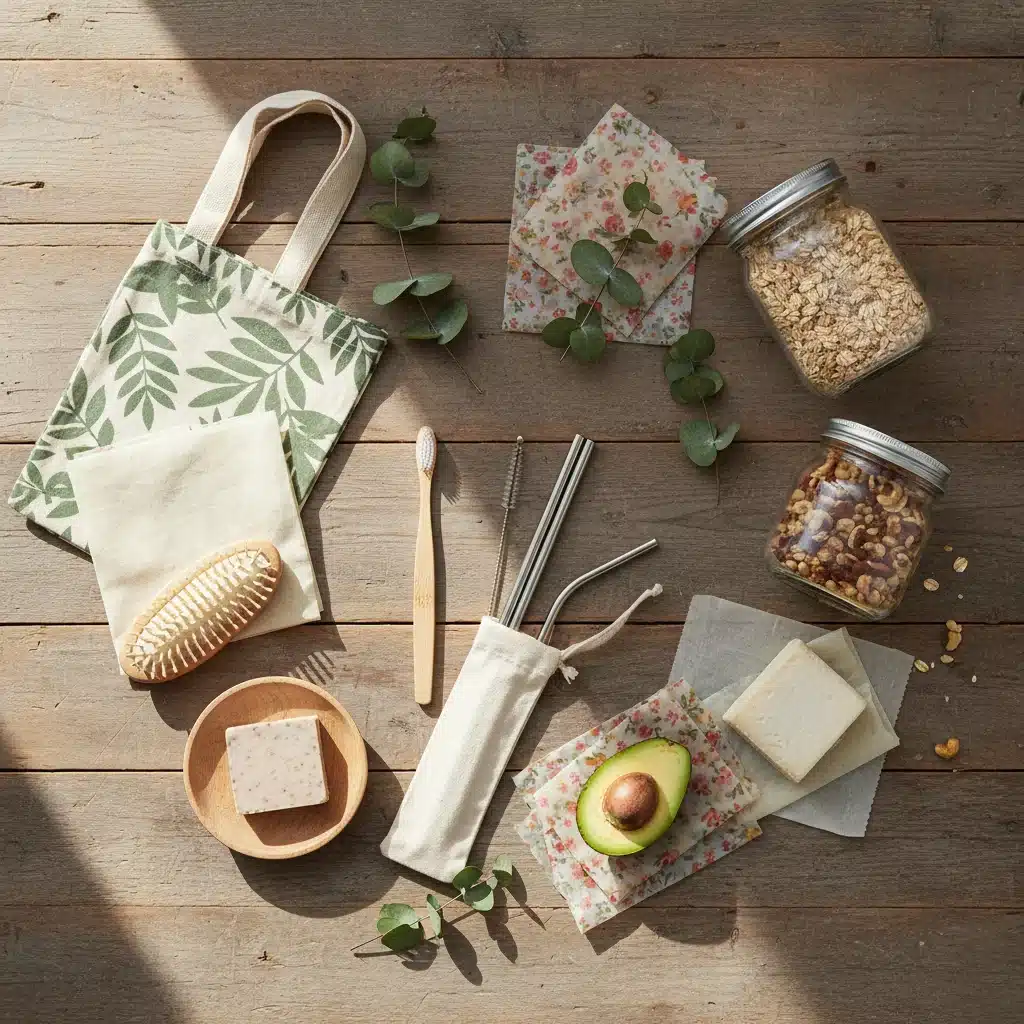
- Shopping Bags: Always carry reusable shopping bags. Keep some in your car, purse, or backpack so you’re never caught without one.
- Water Bottles and Coffee Cups: Invest in a good quality reusable water bottle and a travel coffee mug. Many cafes even offer discounts for bringing your own cup.
- Food Storage: Replace plastic wrap and Ziploc bags with glass containers, beeswax wraps, or silicone reusable bags.
- Utensils and Straws: Carry a reusable cutlery set and a metal or bamboo straw for meals on the go.
- Paper Towels: Switch to cloth napkins and washable rags for cleaning spills.
- Personal Care: Opt for reusable cotton rounds, safety razors, and shampoo bars instead of bottled products.
Making these switches might seem small individually, but collectively, they drastically cut down on the amount of waste headed to landfills. This is a cornerstone of effective zero waste living.
Solution 3: Master the Art of Composting
Food waste is a huge contributor to landfills, where it decomposes anaerobically (without oxygen) to produce methane, a potent greenhouse gas. Composting offers a powerful solution by transforming organic waste into nutrient-rich soil amendment. If you want to achieve significant waste reduction, composting is non-negotiable for zero waste living.

Composting Options for Every Household:
- Backyard Composting: If you have a garden, a simple compost bin or pile can handle most of your fruit and vegetable scraps, coffee grounds, tea bags, and yard waste.
- Worm Composting (Vermicomposting): Ideal for smaller spaces like apartments, worm bins use specific types of worms to break down food scraps efficiently, producing nutrient-rich vermicompost.
- Community Composting: Many cities offer community composting programs or drop-off points. Check with your local municipality or farmers’ markets.
- Bokashi Composting: An anaerobic fermentation process that can break down a wider range of food scraps, including meat and dairy, before they are buried or added to a traditional compost pile.
By diverting food scraps from the landfill, you’re not only reducing waste but also creating valuable soil for your plants, closing the loop in a truly sustainable way. This practice is central to achieving zero waste living goals.
Solution 4: Shop Smart and Buy in Bulk
The supermarket is often a battleground for plastic packaging. One of the most effective strategies for zero waste living is to change your shopping habits. Planning your meals, making a shopping list, and opting for unpackaged goods are crucial steps.
Tips for Waste-Free Shopping:
- Plan Your Meals: This reduces impulse buys and ensures you only purchase what you need, minimizing food waste.
- Make a Shopping List: Stick to your list to avoid buying unnecessary items that often come with extra packaging.
- Shop at Farmers’ Markets: These are excellent places to find fresh, local produce without packaging. Bring your own reusable produce bags.
- Utilize Bulk Bins: Many grocery stores offer bulk sections for grains, nuts, seeds, pasta, spices, and even liquids like oils and soaps. Bring your own reusable containers and jars.
- Choose Package-Free Options: Whenever possible, opt for items that come without packaging or in recyclable materials like glass or cardboard.
- Support Local Businesses: Local bakeries, butchers, and delis are often more accommodating to customers bringing their own containers.
By being a conscious consumer, you send a clear message to retailers about the demand for sustainable options, further propelling the movement towards comprehensive zero waste living practices.
Solution 5: Minimize Consumption and Embrace Minimalism
The ‘Reduce’ principle of zero waste living is about more than just buying less; it’s about shifting your mindset from consumerism to conscious consumption. Do you truly need that new gadget, piece of clothing, or decorative item? Every purchase has an environmental footprint, from production to disposal.
Strategies for Reducing Consumption:
- Adopt the ‘One In, One Out’ Rule: For every new item you bring into your home, consider donating or responsibly discarding an old one.
- Prioritize Experiences Over Possessions: Instead of buying material gifts, consider giving experiences like concert tickets, cooking classes, or a day out.
- Borrow, Don’t Buy: For items you use infrequently (e.g., power tools, specialized kitchen equipment), consider borrowing from friends, family, or a local library of things.
- Repair, Don’t Replace: Learn basic repair skills or seek out repair shops for broken appliances, clothing, or furniture.
- Declutter Regularly: A minimalist approach helps you appreciate what you have and prevents unnecessary purchases. Donate items in good condition.
- Question Every Purchase: Before buying something new, ask yourself: ‘Do I truly need this? Can I borrow it? Can I make it? Can I buy it second-hand?’
Reducing your overall consumption is a powerful step towards zero waste living. It not only lessens your environmental impact but can also simplify your life and save you money.
Solution 6: Rethink Your Bathroom and Personal Care Routine
Bathrooms are often overlooked waste hotspots, filled with plastic bottles, disposable razors, and single-use cotton pads. Transitioning to a zero waste living bathroom is easier than you think and can significantly reduce your plastic consumption.
Eco-Friendly Bathroom Swaps:
- Shampoo and Conditioner Bars: These solid bars eliminate the need for plastic bottles and often last longer than their liquid counterparts.
- Soap Bars: Switch from liquid hand soap in plastic dispensers to solid soap bars.
- Safety Razors: Replace disposable plastic razors with a durable safety razor that uses recyclable metal blades.
- Bamboo Toothbrushes: A sustainable alternative to plastic toothbrushes, bamboo handles are biodegradable.
- Reusable Cotton Rounds: Use washable cotton rounds for makeup removal or toner application instead of disposable ones.
- DIY Personal Care Products: Consider making your own toothpaste, deodorant, or lotions using natural ingredients, often stored in reusable jars.
- Menstrual Products: Explore options like menstrual cups or reusable cloth pads for a waste-free period.
Each of these small changes contributes to a much larger impact, demonstrating that zero waste living can extend to every corner of your home.
Solution 7: Advocate and Educate for a Wider Impact
Your individual efforts in zero waste living are commendable, but true systemic change requires collective action. Once you’ve started making progress in your own home, consider extending your impact by advocating for change and educating others.

Ways to Advocate for Zero Waste Living:
- Talk to Your Friends and Family: Share your experiences and tips without being preachy. Lead by example.
- Engage with Local Businesses: Ask your favorite cafes, restaurants, and grocery stores about their waste reduction efforts or suggest more sustainable options (e.g., offering discounts for reusable cups, stocking bulk items).
- Participate in Community Initiatives: Join local clean-up drives, environmental groups, or workshops focused on sustainability and waste reduction.
- Support Policy Changes: Stay informed about local and national policies related to waste management and plastic reduction. Write to your representatives to express your support for more sustainable legislation.
- Share on Social Media: Use your platform to share practical tips, resources, and success stories related to zero waste living.
- Educate the Next Generation: If you have children, involve them in your waste reduction efforts, teaching them the importance of sustainability from a young age.
By becoming an advocate, you amplify the message of zero waste living, inspiring others and contributing to a broader cultural shift towards environmental responsibility.
Overcoming Challenges and Staying Motivated on Your Zero-Waste Journey
The path to zero waste living isn’t always smooth. You’ll encounter challenges, from finding specific bulk items to dealing with social pressures or simply forgetting your reusable bags. It’s important to remember that perfection is not the goal; continuous improvement is. Here are some tips to stay motivated and overcome common hurdles:
Common Challenges and Solutions:
- Cost Perception: While some initial investments (like good quality reusable items) might seem higher, zero waste living often saves money in the long run by reducing consumption and avoiding disposable purchases. Focus on long-term savings.
- Convenience: It takes time to build new habits. Make it easy for yourself by keeping reusable items visible and accessible (e.g., a reusable bag by the door, a water bottle in your car).
- Limited Availability of Bulk Stores: If you don’t have access to bulk stores, prioritize buying items in larger quantities, choosing products with minimal or recyclable packaging, and supporting brands committed to sustainability.
- Social Pressure: You might encounter skepticism or resistance from others. Politely explain your choices and focus on the positive impact you’re making.
- Overwhelm: Don’t try to change everything overnight. Pick one or two areas to focus on each month. Small, consistent changes lead to significant results over time.
- Forgetting Reusables: This happens to everyone! Don’t let it derail your efforts. Just make a mental note for next time and move on. Progress, not perfection.
Celebrate your small victories, learn from your setbacks, and remember that every conscious choice you make contributes to a healthier planet. Your commitment to zero waste living is a powerful act of environmental stewardship.
Measuring Your Progress Towards 50% Waste Reduction
To truly achieve a 50% reduction in household waste within three months, it’s crucial to track your progress. The initial waste audit provides your baseline, and subsequent mini-audits or simple tracking methods will help you visualize your success and identify areas for further improvement. This tangible evidence of your impact can be incredibly motivating on your zero waste living journey.
Methods for Tracking Waste Reduction:
- Regular Mini-Audits: Repeat your waste audit every month. Compare the volume and type of waste generated against your baseline.
- Visual Comparison: Take photos of your weekly trash before and after implementing changes. The visual difference can be striking.
- Weight Tracking: If you have a kitchen scale, weigh your non-recyclable, non-compostable waste each week. This provides a quantitative measure of your reduction.
- Journaling: Keep a simple journal of your waste reduction efforts, noting down challenges, successes, and new swaps you’ve implemented.
- Recycling and Composting Logs: Track how much you’re diverting to recycling and composting. An increase in these categories often correlates with a decrease in landfill waste.
Remember, the goal is a 50% reduction, which is ambitious but entirely achievable with consistent effort and the practical solutions outlined above. Don’t get discouraged if you don’t hit the mark exactly; any reduction is a win for the environment and a testament to your commitment to zero waste living.
Conclusion: Your Impact on a Sustainable Future
Embarking on the journey of zero waste living is a profound commitment to environmental responsibility. By implementing these 7 practical solutions – from conducting a waste audit and embracing reusables to mastering composting and shopping smarter – you are not only reducing your personal environmental footprint but also inspiring a ripple effect of positive change. Achieving a 50% reduction in household waste in just three months is an ambitious yet attainable goal, and every step you take brings us closer to a more sustainable and healthier planet.
The principles of Refuse, Reduce, Reuse, Recycle, and Rot are more than just guidelines; they are a blueprint for a life lived in harmony with the earth. Your choices matter, and by consciously choosing zero waste living, you become an active participant in building a future where waste is minimized, resources are cherished, and our planet thrives. Start today, make those intentional changes, and witness the incredible impact you can have.