Breathe Easy: 4 Natural Ways to Boost Your Indoor Air Quality in 2026

Anúncios
Breathe Easy: 4 Natural Ways to Boost Your Indoor Air Quality in 2026
Unlock the secrets to a healthier home environment with these actionable natural solutions.
In our increasingly urbanized world, where we spend up to 90% of our time indoors, the quality of the air we breathe within our homes has never been more critical. Far from being a pristine sanctuary, indoor air can often be two to five times, and sometimes even 100 times, more polluted than outdoor air. This invisible threat, composed of volatile organic compounds (VOCs), particulate matter, allergens, and other contaminants, can significantly impact our health, leading to issues ranging from allergies and asthma to more severe respiratory and cardiovascular problems. As we navigate through 2026, the emphasis on holistic well-being and sustainable living continues to grow, making the quest for natural indoor air quality improvement a top priority for homeowners everywhere. This comprehensive guide delves into four powerful, natural strategies that promise to transform your living spaces into havens of fresh, clean air, enhancing your health and overall quality of life.
The urgency to address indoor air pollution stems from its pervasive nature and its direct correlation with our health. Think about the everyday items in your home: cleaning products, furniture, carpets, paint, and even personal care products – many of these off-gas chemicals into your air. Coupled with pet dander, dust mites, mold spores, and pollen infiltration, the cocktail of airborne irritants can become overwhelming. Traditional solutions often involve expensive air purifiers with HEPA filters, which, while effective, can be costly to maintain and consume energy. Our focus here, however, is on empowering you with natural, sustainable, and often more cost-effective methods to achieve superior natural indoor air quality. These methods not only purify the air but also contribute to a more harmonious and eco-friendly home environment. By integrating these four natural ways into your routine, you’re not just cleaning the air; you’re investing in a healthier future for yourself and your loved ones, creating a space where every breath is a refreshing one.
1. Embrace the Power of Houseplants: Your Green Air Purifiers
Long before advanced filtration systems, nature provided its own sophisticated air purifiers: plants. Research, famously pioneered by NASA in the 1980s, has consistently shown that certain houseplants are remarkably effective at removing common indoor air toxins, including formaldehyde, benzene, trichloroethylene, xylene, and ammonia. These VOCs are prevalent in many household products and building materials, making their mitigation crucial for natural indoor air quality. Beyond their aesthetic appeal, plants actively absorb these pollutants through their leaves and roots, converting them into nutrients and releasing fresh oxygen. This biological process makes them an indispensable tool in your arsenal for achieving optimal natural indoor air quality.
The key to maximizing their air-purifying capabilities lies in selecting the right species and ensuring you have an adequate number of plants for your space. While one or two plants are certainly better than none, a general recommendation for significant air purification is one plant per 100 square feet of living space. However, even a smaller collection can make a noticeable difference, especially when strategically placed. The beauty of this approach is its inherent sustainability and the added benefit of bringing a touch of nature indoors, which has been shown to reduce stress and improve mood.
Top Air-Purifying Plants for Enhanced Natural Indoor Air Quality:
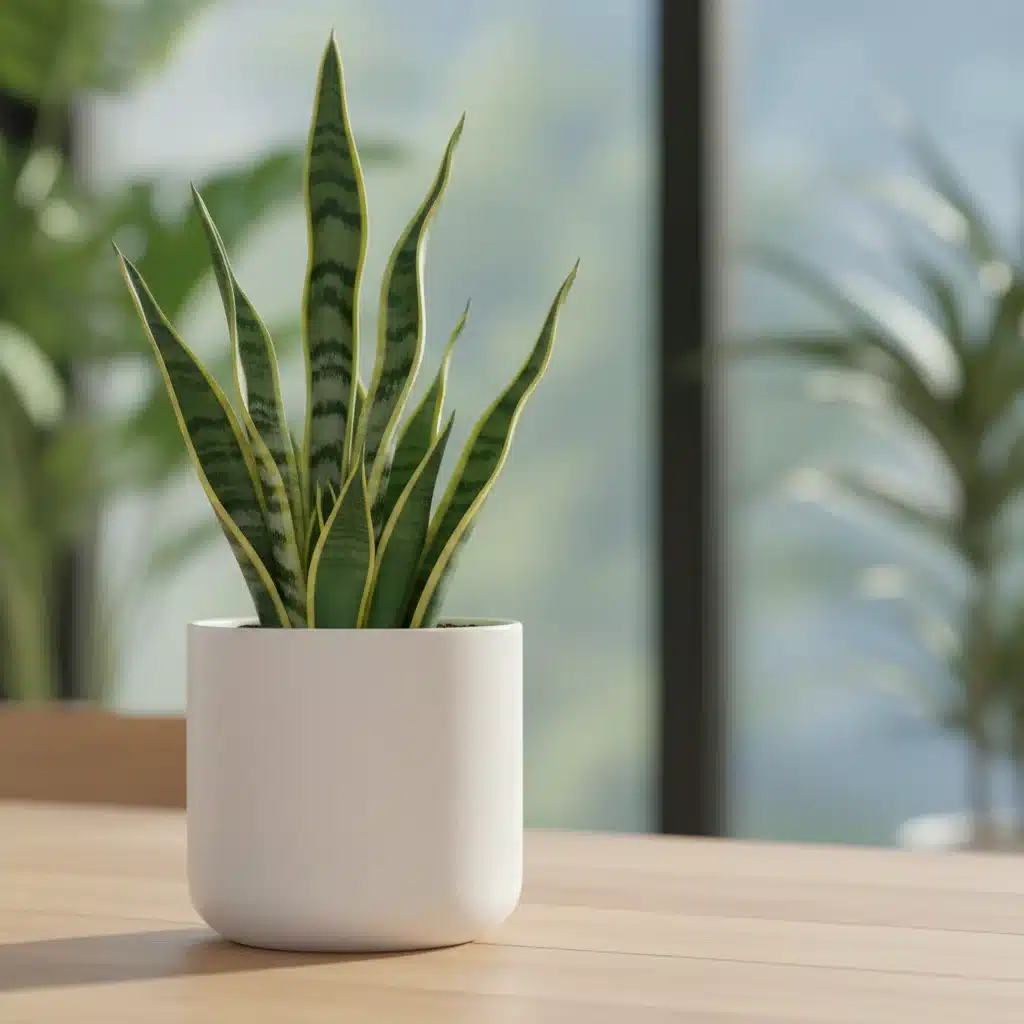
- Snake Plant (Sansevieria trifasciata): Often hailed as the ultimate air purifier, the snake plant is exceptionally low-maintenance and unique in its ability to convert carbon dioxide into oxygen at night. It’s highly effective against benzene, formaldehyde, trichloroethylene, xylene, and toluene. Its resilience makes it perfect for beginners and busy individuals seeking to improve natural indoor air quality without much fuss.
- Spider Plant (Chlorophytum comosum): These popular, easy-to-grow plants are excellent at battling formaldehyde and xylene. They produce ‘spiderettes’ that can be easily propagated, allowing you to expand your green army for better natural indoor air quality. They thrive in various conditions, making them a versatile choice for any room.
- Peace Lily (Spathiphyllum): Elegant and graceful, peace lilies are champions at filtering out ammonia, benzene, formaldehyde, and trichloroethylene. They also help increase humidity, which can be beneficial in dry indoor environments. However, they are toxic to pets if ingested, so place them carefully if you have furry friends.
- ZZ Plant (Zamioculcas zamiifolia): Another extremely hardy and low-maintenance option, the ZZ plant is known for its ability to remove xylene, toluene, and benzene from the air. Its waxy, dark green leaves add a sophisticated touch to any interior while working diligently to improve your natural indoor air quality.
- Aloe Vera (Aloe barbadensis miller): Beyond its medicinal properties for skin, Aloe Vera is also a fantastic indicator of air quality. When the level of harmful chemicals in the air becomes too high, the plant will often show brown spots, alerting you to potential issues. It’s effective at clearing formaldehyde and benzene.
- Boston Fern (Nephrolepis exaltata ‘Bostoniensis’): Excellent for removing formaldehyde and generally known for humidifying the air, Boston ferns are a classic choice for natural indoor air quality improvement. They do require a bit more humidity and consistent moisture than some other options.
- Gerbera Daisy (Gerbera jamesonii): While requiring a bit more care, these cheerful flowering plants are surprisingly good at removing benzene and trichloroethylene. They add a pop of color while contributing to a healthier home environment.
To ensure your plants are performing optimally, remember to dust their leaves regularly to keep their pores clear for maximum absorption. Water them appropriately for their species, and provide adequate light. By strategically placing a variety of these green companions throughout your home, you’ll not only enhance your decor but also significantly elevate your natural indoor air quality, creating a living space that feels naturally fresher and healthier.
2. Maximize Natural Ventilation: Open Your Windows and Doors
One of the simplest, most effective, and entirely free ways to improve natural indoor air quality is through consistent and strategic ventilation. Our homes, particularly modern, energy-efficient ones, are often designed to be airtight, which is great for insulation but terrible for air circulation. Without proper ventilation, indoor pollutants can become trapped and accumulate to unhealthy levels. Opening windows and doors creates a cross-breeze, allowing stale, polluted indoor air to escape and fresh, oxygen-rich outdoor air to enter. This process is fundamental to maintaining optimal natural indoor air quality.
Strategies for Effective Natural Ventilation:
- Daily Airing Out: Make it a habit to open windows and doors for at least 5-10 minutes, twice a day, especially in the morning and evening. This ‘flush’ helps to quickly exchange indoor air with outdoor air, significantly reducing the concentration of pollutants, allergens, and even lingering odors. This simple act is a cornerstone of maintaining good natural indoor air quality.
- Cross-Ventilation: For maximum effect, open windows on opposite sides of your home or in different rooms to create a natural airflow path. This allows for a more thorough exchange of air throughout the entire living space, ensuring that stagnant air pockets are addressed. This is particularly important for enhancing natural indoor air quality in larger homes.
- Post-Activity Ventilation: After activities that generate significant indoor pollutants, such as cooking, cleaning with chemical products, showering, or painting, open windows immediately. Cooking, for instance, can release particulate matter and VOCs, while cleaning products are notorious for off-gassing harmful chemicals. Prompt ventilation is key to mitigating these temporary spikes in indoor pollution.
- Strategic Timing: Be mindful of outdoor air quality. While the goal is to bring in fresh air, if you live in an area with high outdoor pollution (e.g., during rush hour traffic or wildfire season), it might be best to limit ventilation during those peak times. Utilize air quality apps or local reports to inform your ventilation schedule. However, for most suburban and rural areas, outdoor air is generally cleaner than indoor air.
- Ventilation Fans: Supplement natural airflow with exhaust fans in bathrooms and kitchens. These are designed to remove moisture, odors, and pollutants directly at the source before they can spread throughout your home, contributing significantly to better natural indoor air quality. Ensure these fans are properly vented to the outside, not just into an attic space.
- Consider Window Screens: If insects are a concern, invest in good quality window screens. This allows you to keep windows open for longer periods without unwelcome guests, making daily ventilation a more pleasant and practical option for improving natural indoor air quality.
While often overlooked in favor of more complex solutions, consistent natural ventilation is a powerful, no-cost method to drastically improve your natural indoor air quality. It’s a fundamental practice that supports overall home health and contributes to a feeling of freshness and vitality within your living environment. Embracing this simple habit can lead to profound improvements in the air you breathe daily.
3. Harness the Purifying Power of Natural Cleaning and Essential Oils
The irony of cleaning our homes with conventional products is that many of them introduce a new array of harmful chemicals into our indoor air. Products containing ammonia, chlorine bleach, phthalates, and synthetic fragrances are significant contributors to indoor air pollution, off-gassing VOCs that can irritate respiratory systems, trigger allergies, and even have long-term health implications. A crucial step towards improving natural indoor air quality is to detoxify your cleaning routine and embrace natural alternatives.
Switch to Natural Cleaning Alternatives:
- Vinegar: White vinegar is a powerhouse natural cleaner. Diluted with water, it can clean glass, countertops, floors, and disinfect surfaces without leaving behind toxic residues. Its acetic acid content is effective against many bacteria and molds, making it an excellent choice for a healthy home and better natural indoor air quality.
- Baking Soda: A mild abrasive and natural deodorizer, baking soda is perfect for scrubbing sinks, tubs, and tiles. It can also absorb odors from carpets, refrigerators, and upholstery. Sprinkling it on carpets before vacuuming can help lift dirt and neutralize smells, contributing to fresher natural indoor air quality.
- Lemon Juice: With its natural bleaching properties and pleasant scent, lemon juice is great for cutting grease, removing stains, and polishing surfaces. It adds a natural freshness without synthetic fragrances.
- Castile Soap: A concentrated vegetable-based soap, Castile soap is incredibly versatile. Diluted, it can be used for dishwashing, all-purpose cleaning, and even as a body wash. It’s biodegradable and free from harsh chemicals, making it ideal for maintaining natural indoor air quality.
- Microfiber Cloths: Reduce the need for chemical sprays by using microfiber cloths. Their unique fibers effectively trap dust, dirt, and grime with just water, making them an eco-friendly and air-quality-friendly cleaning tool.
Integrate Essential Oils for Natural Air Freshening and Purification:
While some commercial air fresheners merely mask odors with synthetic chemicals, essential oils offer a natural way to scent your home and, in some cases, provide mild antimicrobial benefits. Used in a diffuser, they disperse tiny particles of pure plant extracts into the air, creating a pleasant aroma without the harmful VOCs.
- Lavender: Known for its calming properties, lavender essential oil can also help neutralize odors and create a relaxing atmosphere, promoting better natural indoor air quality.
- Lemon/Citrus Oils: These oils are uplifting and have natural cleansing properties. Diffusing lemon, orange, or grapefruit essential oils can help freshen the air and eliminate stale smells.
- Tea Tree Oil: A powerful natural antiseptic, tea tree oil can help combat airborne bacteria, viruses, and mold spores when diffused, contributing to a cleaner, healthier natural indoor air quality.
- Eucalyptus/Peppermint: These can help clear respiratory passages and have antimicrobial properties, making them excellent choices during cold and flu season to support natural indoor air quality.
- Rosemary: Known for improving focus and memory, rosemary essential oil also has antiseptic qualities that can help purify the air.
When using essential oils, always opt for 100% pure, therapeutic-grade oils and use them in moderation. Overuse can sometimes lead to sensitivity. By consciously choosing natural cleaning products and incorporating essential oils, you actively reduce the chemical load in your home, leading to a significant improvement in natural indoor air quality and a safer environment for everyone.

4. Manage Humidity and Prevent Mold Growth: A Cornerstone of Healthy Air
While often overlooked, maintaining optimal humidity levels is paramount for natural indoor air quality. Both excessively high and extremely low humidity can create environments conducive to various indoor air pollutants and health issues. High humidity (above 60%) is the perfect breeding ground for mold, mildew, dust mites, and bacteria, all of which release spores, allergens, and toxins into the air. Low humidity (below 30%) can dry out nasal passages, exacerbate respiratory conditions, and make you more susceptible to airborne viruses. Therefore, striking the right balance is crucial for a truly healthy home and excellent natural indoor air quality.
Strategies for Humidity Management:
- Monitor Humidity Levels: Invest in a hygrometer, an inexpensive device that measures indoor humidity. Aim to keep your indoor humidity between 30% and 50%. This range is generally considered ideal for comfort and preventing the growth of mold and dust mites, thus safeguarding your natural indoor air quality.
- Address Moisture Sources: The first line of defense against high humidity and mold is to identify and fix sources of moisture. This includes leaky pipes, roofs, or foundations. Repairing these issues promptly is fundamental to preventing mold growth and maintaining good natural indoor air quality.
- Ventilate High-Moisture Areas: Always use exhaust fans in bathrooms during and after showers for at least 15-20 minutes. Similarly, use kitchen range hoods when cooking, especially when boiling water or steaming food. These fans pull moisture-laden air directly outside, preventing it from spreading throughout your home and contributing to better natural indoor air quality.
- Ensure Proper Drainage: Make sure your home’s exterior drainage is effective. Gutters should be clean and direct water away from the foundation. Poor exterior drainage can lead to moisture seeping into basements and crawl spaces, creating prime conditions for mold that can impact natural indoor air quality.
- Clean Up Spills Immediately: Any water spill, especially on porous surfaces like carpets or upholstery, should be dried thoroughly within 24-48 hours to prevent mold growth. If an area remains wet longer, mold is likely to develop.
- Use Dehumidifiers in Humid Climates or Basements: In consistently humid environments or in areas prone to dampness like basements, a dehumidifier can be an invaluable tool. It actively removes excess moisture from the air, creating an environment less hospitable to mold and dust mites, thereby significantly improving natural indoor air quality. Remember to empty and clean the dehumidifier regularly to prevent it from becoming a source of contamination itself.
- Use Humidifiers in Dry Climates (with caution): If your indoor air is consistently too dry, a humidifier can add much-needed moisture. However, it’s vital to clean humidifiers daily with distilled water to prevent the growth of bacteria and mold within the unit, which can then be dispersed into the air. Over-humidifying can also lead to mold, so monitor with a hygrometer.
- Increase Air Circulation: Good air circulation helps to dry out damp areas and prevent moisture buildup. Use ceiling fans or portable fans in rooms where air might become stagnant. This simple measure aids in maintaining balanced humidity and supports natural indoor air quality.
By actively managing humidity, you create an environment that is naturally hostile to many common indoor pollutants. This proactive approach not only prevents the growth of harmful organisms but also contributes to a more comfortable and healthier home, ensuring that your efforts towards natural indoor air quality are comprehensive and long-lasting.
Beyond the Four: Additional Tips for Sustained Natural Indoor Air Quality
While the four primary strategies provide a robust framework for improving your home’s air, several supplementary practices can further elevate your natural indoor air quality and ensure its long-term benefits. Integrating these additional tips will create a truly holistic approach to a healthier living environment.
Regular and Mindful Cleaning:
Even with natural cleaning products, the act of cleaning itself can stir up dust and allergens. To minimize this, use a vacuum cleaner with a HEPA filter to effectively trap fine particles rather than recirculating them. Dust surfaces with a damp cloth to capture dust instead of just moving it around. Regular vacuuming (at least twice a week) and dusting are essential, especially if you have pets or allergies. Focus on areas where dust accumulates, such as behind furniture, under beds, and on high shelves. This consistent effort is vital for maintaining excellent natural indoor air quality.
Choose Low-VOC and Non-Toxic Products:
When purchasing new furniture, carpets, paints, or building materials, look for products labeled as ‘low-VOC’ or ‘zero-VOC’. These products off-gas significantly fewer harmful chemicals, reducing a major source of indoor air pollution from the outset. Allow new items to off-gas in a well-ventilated area (like a garage or outdoors) for a few days before bringing them into your main living spaces. This preventative measure is crucial for preserving your natural indoor air quality.
Be Mindful of Personal Care Products and Fragrances:
Many conventional personal care items, air fresheners, and scented candles contain synthetic fragrances and phthalates, which are known endocrine disruptors and indoor air pollutants. Opt for fragrance-free or naturally scented alternatives made with essential oils. Choose beeswax or soy candles over paraffin wax, which can release harmful chemicals when burned. Your choices here directly impact the chemical load in your air, influencing your natural indoor air quality.
Maintain HVAC Systems:
If your home has an HVAC system, regular maintenance is key. Change air filters every 1-3 months (more frequently if you have pets or allergies). Consider upgrading to higher MERV-rated filters, which can capture smaller particles. Professional cleaning of your ducts every few years can also remove accumulated dust, mold, and allergens, ensuring your system isn’t circulating pollutants and supports overall natural indoor air quality.
Limit Indoor Smoking and Burning:
Smoking indoors is one of the most significant contributors to indoor air pollution, releasing thousands of harmful chemicals and particulate matter. If you or someone in your household smokes, do so outdoors. Similarly, be cautious with wood-burning fireplaces and stoves; ensure they are well-maintained and properly vented to prevent smoke from entering your living space. Minimize the use of incense, which can also release fine particulate matter. These practices are paramount for protecting your natural indoor air quality.
Pet Care and Grooming:
Pets are beloved family members, but they can contribute to indoor air pollution through dander, fur, and odors. Regular grooming, including bathing and brushing, can significantly reduce the amount of dander and loose fur in your home. Keep pet bedding clean and vacuum frequently in areas where pets spend a lot of time. Consider using a HEPA-filtered vacuum cleaner to effectively capture pet allergens, further enhancing your natural indoor air quality.
The Long-Term Benefits of Prioritizing Natural Indoor Air Quality
Implementing these natural strategies for improving indoor air quality isn’t just about immediate relief from stuffy air; it’s an investment in your long-term health and well-being. The benefits extend far beyond simply breathing easier:
- Improved Respiratory Health: Reduced exposure to allergens, irritants, and pollutants can significantly alleviate symptoms for individuals with asthma, allergies, and other respiratory conditions.
- Enhanced Cognitive Function: Studies suggest that better indoor air quality can lead to improved concentration, productivity, and overall cognitive performance.
- Better Sleep Quality: A cleaner, fresher environment can promote more restful and restorative sleep, contributing to overall vitality.
- Reduced Risk of Chronic Diseases: Minimizing exposure to VOCs and particulate matter can lower the risk of developing certain chronic health issues over time.
- Increased Sense of Well-being: Living in a home that feels fresh, clean, and connected to nature can reduce stress and elevate mood, creating a more harmonious living space.
- Eco-Friendly Living: Many of these natural methods are sustainable, reducing your environmental footprint and promoting a greener lifestyle.
- Cost Savings: While some initial investments might be required (e.g., plants, a good vacuum), natural cleaning methods and proper ventilation can reduce reliance on expensive chemical products and energy-intensive air purifiers over time.
Conclusion: Breathing New Life into Your Home in 2026
As we move deeper into 2026, the understanding that our indoor environments profoundly shape our health becomes ever clearer. The journey to superior natural indoor air quality is not about complex technologies or expensive overhauls; it’s about conscious choices, consistent habits, and a deeper connection to natural solutions. By embracing the power of plants, maximizing natural ventilation, opting for natural cleaning methods, and diligently managing humidity, you are taking proactive and powerful steps towards transforming your home into a sanctuary of clean, healthy air.
These four natural ways, complemented by mindful cleaning and product choices, offer a holistic and sustainable path to a healthier home. Imagine a living space where every breath feels invigorating, where the air is free from hidden threats, and where your well-being flourishes. This vision is not only attainable but also sustainable, bringing you closer to nature and fostering a healthier future for you and your family. Start implementing these practical, insider solutions today, and experience the profound difference that truly clean, natural indoor air quality can make in your life.