Achieving Net-Zero by 2050: US Business Clean Energy Roadmaps
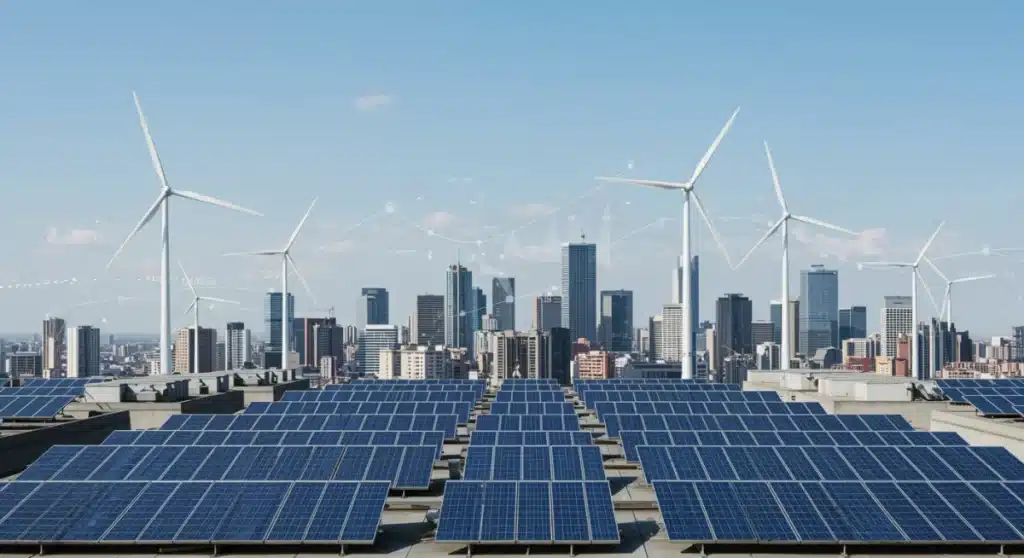
US businesses can achieve net-zero by 2050 by implementing strategic clean energy roadmaps starting in 2025, leveraging renewable technologies, energy efficiency, and innovative carbon reduction strategies.
The imperative to address climate change has never been clearer, pushing businesses worldwide to re-evaluate their operational footprints. For US businesses, Achieving Net-Zero by 2050: Practical Clean Energy Roadmaps for US Businesses Starting in 2025 is not merely an environmental goal but a strategic necessity, promising long-term resilience and competitive advantages. This journey, while complex, is entirely feasible with careful planning and commitment.
Understanding the Net-Zero Mandate and Its Implications
Achieving net-zero emissions by 2050 requires a fundamental shift in how businesses operate, produce, and consume energy. This global objective, strongly supported by scientific consensus, aims to balance the greenhouse gases emitted into the atmosphere with those removed, effectively neutralizing the impact on global warming. For US businesses, this means proactively developing and implementing comprehensive strategies that go beyond mere compliance, embracing innovation and sustainable practices.
The implications of this mandate extend far beyond environmental stewardship. Businesses that fail to adapt risk facing increased regulatory pressures, higher operational costs due to carbon pricing, and potential reputational damage. Conversely, those that lead in sustainability often gain a competitive edge, attracting environmentally conscious consumers and investors, fostering innovation, and building a more resilient supply chain.
The Urgency of Starting in 2025
While 2050 might seem distant, the pathway to net-zero is a multi-decade endeavor requiring significant investment and transformation. Starting in 2025 provides businesses with a crucial head start, allowing for phased implementation, learning from early adopters, and taking advantage of evolving technologies and policies. Delaying action only increases the scale and cost of future interventions, making the transition more disruptive.
- Early Adoption Benefits: Gain first-mover advantages in new markets and technologies.
- Phased Implementation: Allows for gradual integration, minimizing disruption and optimizing costs.
- Policy Alignment: Position your business to benefit from upcoming federal and state incentives.
- Reputational Gains: Enhance brand image and attract talent committed to sustainability.
Ultimately, understanding the net-zero mandate is about recognizing both the challenges and the immense opportunities it presents. It’s about laying the groundwork now for a future where economic prosperity and environmental health are not mutually exclusive but deeply interconnected.
Developing Your Clean Energy Baseline and Goals
The first critical step in any net-zero roadmap is to thoroughly understand your current energy consumption and greenhouse gas emissions. This baseline assessment serves as the foundation upon which all future strategies will be built. Without a clear picture of where you stand, it’s impossible to effectively plan where you need to go.
This process typically involves a detailed audit of all energy sources, including electricity, natural gas, and fuel consumption, across all company operations. It also requires quantifying direct (Scope 1) and indirect (Scope 2 and Scope 3) emissions. Scope 1 covers emissions from sources owned or controlled by the company, Scope 2 includes emissions from purchased electricity, and Scope 3 encompasses all other indirect emissions throughout the value chain.
Setting Ambitious, Achievable Targets
Once the baseline is established, businesses must set clear, measurable, and time-bound net-zero goals. These goals should align with scientific recommendations, such as those from the Science Based Targets initiative (SBTi), ensuring they contribute meaningfully to global climate objectives. While the ultimate goal is net-zero by 2050, setting interim targets for 2030 and 2040 is crucial for tracking progress and maintaining momentum.
Consider the following when setting targets:
- Scope 1 & 2 Reduction: Prioritize direct reductions in your own operations and purchased energy.
- Scope 3 Engagement: Work with suppliers and customers to reduce emissions across your value chain.
- Renewable Energy Procurement: Aim for 100% renewable electricity where feasible.
- Energy Efficiency Improvements: Identify and implement measures to reduce overall energy demand.
Developing a robust baseline and setting ambitious yet achievable goals provides a clear framework for action. It transforms the abstract concept of net-zero into concrete, actionable steps, allowing businesses to systematically dismantle their carbon footprint over time.
Implementing Energy Efficiency and Conservation Measures
Before investing heavily in new clean energy sources, the most cost-effective and immediate step for any business pursuing net-zero is to reduce its overall energy consumption. Energy efficiency and conservation measures are foundational elements of any practical clean energy roadmap, as they directly reduce demand and, consequently, the emissions associated with that demand. This approach not only lowers your carbon footprint but also significantly reduces operational costs.
These measures can range from simple behavioral changes to significant technological upgrades. Starting with an energy audit can identify areas of waste and opportunities for improvement. Often, low-cost or no-cost solutions can yield substantial savings, building a strong business case for further investment in efficiency.
Key Areas for Efficiency Improvements
Focusing on areas with high energy consumption can lead to the most impactful results. Lighting, HVAC systems, and industrial processes are typically prime candidates for efficiency upgrades. Modern technologies offer significant improvements over older systems, making the investment worthwhile in the long run.
- LED Lighting Upgrades: Replace traditional lighting with energy-efficient LED systems, often with rapid payback periods.
- HVAC Optimization: Install smart thermostats, upgrade to high-efficiency units, and ensure proper insulation and sealing.
- Process Optimization: Review manufacturing or operational processes to identify and eliminate energy waste.
- Building Envelope Improvements: Enhance insulation, windows, and roofing to minimize heat loss or gain.
By systematically implementing energy efficiency and conservation measures, businesses can create a leaner, more sustainable operation. This not only contributes to the net-zero goal but also enhances financial performance, making the transition to a clean energy future more economically viable.
Transitioning to Renewable Energy Sources
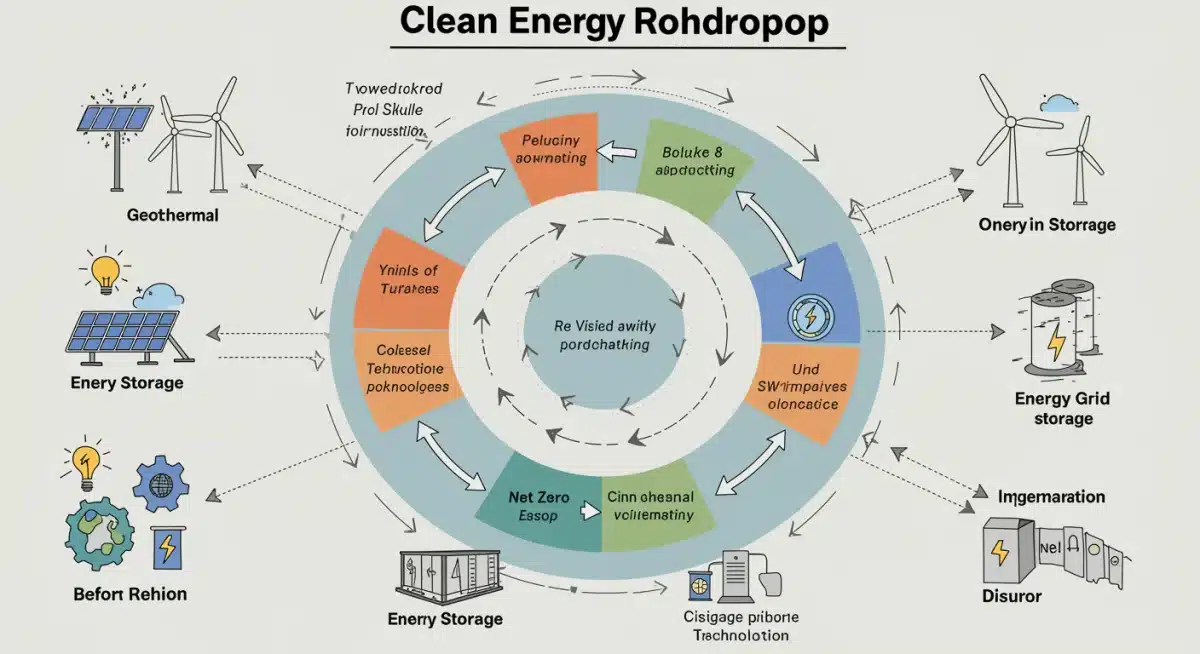
Once energy demand is optimized through efficiency, the next critical phase in achieving net-zero is to transition to renewable energy sources. This involves replacing fossil fuel-derived electricity and heat with power generated from solar, wind, geothermal, or other sustainable sources. The US market offers a growing array of options for businesses to procure or generate clean energy, making this transition increasingly accessible.
The choice of renewable energy strategy will depend on various factors, including a business’s operational footprint, geographic location, financial capacity, and long-term sustainability goals. A combination of approaches is often the most effective, balancing on-site generation with off-site procurement.
On-Site Generation and Off-Site Procurement
On-site renewable energy generation, such as rooftop solar panels or small wind turbines, provides direct control over energy supply and can offer significant cost savings over the long term. However, not all businesses have the space or resources for extensive on-site installations. In such cases, off-site procurement becomes a vital component of the clean energy strategy.
- Power Purchase Agreements (PPAs): Long-term contracts to purchase electricity directly from a renewable energy project.
- Renewable Energy Certificates (RECs): Market-based instruments that certify the generation of one megawatt-hour (MWh) of electricity from a renewable energy source.
- Community Solar Programs: Allows businesses to subscribe to a share of a local solar farm’s output.
- Green Tariffs: Utility programs that allow customers to purchase renewable energy directly from their utility.
The transition to renewable energy sources is a cornerstone of any net-zero roadmap. It not only drastically reduces Scope 2 emissions but also demonstrates a tangible commitment to sustainability, resonating with stakeholders and contributing to a cleaner energy grid for all.
Leveraging Carbon Offsets and Removal Technologies
Even with aggressive energy efficiency measures and a full transition to renewable energy, some residual emissions may remain, especially for Scope 3 emissions or hard-to-abate sectors. This is where carbon offsets and removal technologies play a crucial role in achieving the final steps towards net-zero. These strategies are designed to compensate for unavoidable emissions by investing in projects that either prevent emissions elsewhere or actively remove carbon dioxide from the atmosphere.
It is important to view offsets and removals as a supplementary strategy, not a replacement for direct emissions reductions. The hierarchy should always prioritize reducing emissions at the source first, then offsetting any remaining, unavoidable emissions. The integrity and verification of offset projects are paramount to ensure genuine climate benefits.
Types of Carbon Offsets and Removal Projects
The market for carbon offsets and removal technologies is diverse, offering various avenues for businesses to invest. Projects typically fall into categories such as renewable energy development, forestry and land use, methane capture, and, increasingly, direct air capture.
- Forestry and Land Use: Projects that involve planting trees (afforestation/reforestation) or protecting existing forests to sequester carbon.
- Renewable Energy Projects: Funding for renewable energy projects in developing countries that displace fossil fuel generation.
- Methane Capture: Projects that capture methane emissions from landfills, agriculture, or wastewater treatment.
- Direct Air Capture (DAC): Emerging technologies that chemically remove CO2 directly from the ambient air.
Careful selection of high-quality, verified carbon offset and removal projects is essential. Businesses should look for certifications from reputable standards bodies to ensure transparency, additionality, and permanence of the emissions reductions. By strategically utilizing these mechanisms, businesses can credibly bridge the gap to net-zero, addressing their full carbon footprint.
Financing Your Net-Zero Transition and Policy Support
The journey to net-zero, while beneficial in the long run, requires significant initial investment. Understanding the available financing mechanisms and leveraging supportive policy frameworks are crucial for US businesses starting their clean energy roadmaps in 2025. A well-planned financial strategy can unlock capital, reduce costs, and accelerate the transition.
Numerous government incentives, private financing options, and innovative funding models are emerging to support businesses in their sustainability efforts. Staying informed about these opportunities can make a substantial difference in the feasibility and speed of your net-zero transition.
Key Financial Incentives and Policy Support
The US government, at both federal and state levels, has introduced a range of policies and incentives to encourage clean energy adoption and emissions reductions. These can include tax credits, grants, loans, and other financial instruments designed to de-risk investments in sustainable technologies.
- Investment Tax Credits (ITCs): Federal tax credits for solar, wind, and other renewable energy installations.
- Production Tax Credits (PTCs): Tax credits based on the amount of electricity produced from renewable sources.
- State and Local Grants: Specific programs offered by states and municipalities for energy efficiency and clean energy projects.
- Green Bonds and ESG Funds: Access to capital from investors specifically focused on environmental, social, and governance (ESG) criteria.
- PACE Financing: Property Assessed Clean Energy programs offer long-term financing for energy efficiency and renewable energy upgrades.
Navigating the landscape of financial incentives and policy support can be complex, but it is an indispensable part of a successful net-zero strategy. Engaging with financial experts and consultants specializing in clean energy projects can help businesses identify and secure the most advantageous funding opportunities, ensuring a smoother and more affordable transition.
Measuring Progress and Ensuring Transparency
A critical component of any effective net-zero roadmap is the continuous measurement of progress and transparent reporting of results. Without robust tracking and clear communication, it is impossible to verify the impact of implemented strategies or to maintain stakeholder confidence. This ongoing process ensures accountability and allows for necessary adjustments to the roadmap as technologies evolve and goals are refined.
Businesses should establish clear metrics and reporting frameworks from the outset. This includes tracking energy consumption, greenhouse gas emissions (Scopes 1, 2, and 3), renewable energy procurement, and the impact of carbon offset investments. Regular internal reviews and external audits are vital for maintaining data accuracy and credibility.
Reporting Frameworks and Stakeholder Engagement
Adhering to recognized reporting frameworks not only streamlines the process but also enhances the comparability and trustworthiness of your sustainability performance. Engaging with stakeholders, including employees, investors, customers, and regulators, throughout this process is also essential for building support and ensuring alignment with broader sustainability objectives.
- GRI Standards: Global Reporting Initiative standards provide a comprehensive framework for sustainability reporting.
- CDP Disclosure: Report environmental impact through the CDP (formerly Carbon Disclosure Project) for investors and stakeholders.
- Task Force on Climate-related Financial Disclosures (TCFD): Framework for reporting climate-related financial risks and opportunities.
- Internal Dashboards: Develop internal systems to continuously monitor key performance indicators related to energy and emissions.
Transparently communicating progress towards net-zero builds trust and demonstrates leadership. It allows businesses to showcase their commitment to a sustainable future, attracting talent, investors, and customers who value environmental responsibility. Ultimately, measuring and reporting are not just about compliance, but about demonstrating genuine impact and fostering continuous improvement on the path to net-zero by 2050.
| Key Strategy | Brief Description |
|---|---|
| Baseline & Goals | Assess current emissions and set science-based, measurable targets. |
| Energy Efficiency | Reduce overall energy consumption through upgrades and conservation. |
| Renewable Transition | Shift to solar, wind, and other clean energy sources for power. |
| Financing & Policy | Utilize tax credits, grants, and green financing for investments. |
Frequently Asked Questions About Net-Zero Roadmaps
Net-zero by 2050 means that a US business must reduce its greenhouse gas emissions as much as possible, and then offset any remaining unavoidable emissions through carbon removal projects, effectively balancing its total emissions to zero by the year 2050.
Starting in 2025 provides businesses with ample time for phased implementation, technological adoption, and significant capital planning. Delaying action increases the financial burden and complexity, making a timely transition to net-zero by 2050 significantly more challenging and disruptive for operations.
Scope 1 are direct emissions from owned sources; Scope 2 are indirect emissions from purchased electricity, heating, or cooling; and Scope 3 covers all other indirect emissions in the value chain. Understanding all three scopes is vital for a comprehensive net-zero strategy.
SMBs can start with energy efficiency upgrades, switching to green electricity providers, and exploring community solar. Leveraging local and federal incentives designed for smaller entities can also significantly ease the financial burden and accelerate their net-zero transition.
Carbon offsets serve as a supplementary tool to neutralize unavoidable emissions after all possible direct reductions have been made. They involve investing in projects that reduce or remove greenhouse gases elsewhere, ensuring the overall balance towards net-zero is achieved.
Conclusion
The journey towards net-zero by 2050 is a defining challenge and opportunity for US businesses. By embracing practical clean energy roadmaps starting in 2025, companies can not only mitigate their environmental impact but also unlock significant economic benefits through reduced operational costs, enhanced brand reputation, and access to new markets. The strategies outlined—from baseline assessment and energy efficiency to renewable energy transition, strategic use of offsets, and leveraging financial incentives—provide a comprehensive framework for action. Success hinges on commitment, innovation, and a proactive approach to sustainability, paving the way for a resilient and prosperous future for both businesses and the planet.