Plastic-Free Living: Your Guide to a Sustainable Future by 2026
Plastic-Free Living: Your Guide to a Sustainable Future by 2026
In an era defined by environmental consciousness, the urgent call for plastic-free living resonates louder than ever. Plastic pollution has infiltrated every corner of our planet, from the deepest oceans to the highest mountains, impacting wildlife, ecosystems, and human health. The good news? Each one of us holds the power to make a tangible difference. This comprehensive guide is designed to empower you with the knowledge and actionable steps needed to embrace a truly plastic-free lifestyle by 2026. It’s an ambitious goal, but entirely achievable with dedication and the right strategies.
The journey to plastic-free living isn’t about perfection; it’s about progress. It’s about consciously choosing alternatives, reducing waste, and rethinking our consumption habits. By focusing on eliminating single-use plastics, we can significantly reduce our environmental footprint and inspire others to do the same. This article will delve into practical strategies for every aspect of your life, from your kitchen to your bathroom, and even your shopping habits, helping you navigate the path to a more sustainable future.
Understanding the Urgency of Plastic-Free Living
Before we dive into the ‘how-to,’ let’s briefly touch upon the ‘why.’ The statistics surrounding plastic pollution are staggering. Annually, millions of tons of plastic enter our oceans, posing a severe threat to marine life. Microplastics, tiny fragments of plastic, have been found in our food, water, and even the air we breathe, with their long-term health effects still largely unknown. The production of plastic also relies heavily on fossil fuels, contributing to greenhouse gas emissions and climate change. Embracing plastic-free living is not just an environmental choice; it’s a commitment to a healthier planet and a more sustainable future for generations to come.
The year 2026 serves as a powerful target. It gives us a clear timeframe to systematically address plastic consumption in our lives. This isn’t about an overnight transformation, but rather a gradual, well-planned shift. By setting this goal, we can break down the daunting task into manageable steps, celebrating small victories along the way. The collective impact of individuals adopting plastic-free living can create a ripple effect, influencing industries and policies towards more sustainable practices.
Starting Your Plastic-Free Journey: The Kitchen
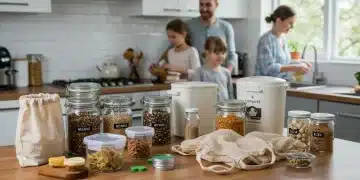
The kitchen is often the biggest culprit when it comes to plastic waste. From food packaging to cleaning supplies, plastic is ubiquitous. However, it’s also one of the easiest places to start making significant changes towards plastic-free living.
Grocery Shopping Smarter
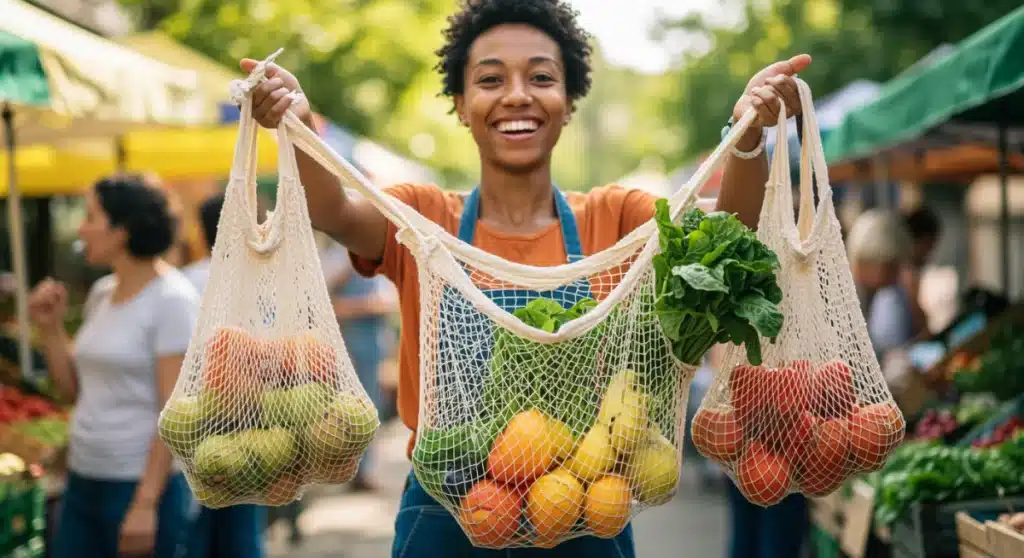
- Reusable Bags are a Must: This is perhaps the most fundamental step. Always carry reusable shopping bags for groceries and other purchases. Keep them in your car, by the door, or folded in your purse so you’re never caught without one.
- Bulk Bins are Your Friend: Many grocery stores offer bulk sections for grains, nuts, seeds, pasta, coffee, and even some liquids like oil and soap. Bring your own reusable jars, cloth bags, or containers to fill up. This not only reduces plastic packaging but can also save you money.
- Produce Without Plastic: Opt for loose fruits and vegetables instead of those pre-packaged in plastic trays or bags. Invest in reusable produce bags (mesh or cloth) to carry them home.
- Meat and Deli Counter: Ask if your butcher or deli counter will allow you to bring your own reusable containers for meat, cheese, and other deli items. Many are happy to accommodate.
- Glass Jars and Bottles: Choose products packaged in glass jars (like sauces, jams, and condiments) or cardboard boxes over plastic whenever possible. Glass is infinitely recyclable.
- Milk and Beverages: Look for milk in glass bottles or consider making your own nut milks to avoid plastic cartons. Choose beverages in cans or glass bottles.
Food Storage Solutions
Say goodbye to cling film and plastic containers. Embrace these sustainable alternatives for food storage to truly commit to plastic-free living:
- Glass Containers: Durable, non-toxic, and perfect for storing leftovers, meal prepping, and even freezing. They come in various sizes and shapes.
- Stainless Steel Containers: Lightweight and unbreakable, ideal for packed lunches, picnics, and snacks on the go.
- Beeswax Wraps: A fantastic alternative to cling film. These reusable wraps are made from cotton infused with beeswax, jojoba oil, and tree resin. They are breathable, washable, and compostable.
- Silicone Bags: Reusable, durable, and freezer-safe, silicone bags are excellent for storing fruits, vegetables, and even liquids.
- Cloth Bags: Perfect for storing bread, produce, or dry goods in the pantry.
Cooking and Cleaning Plastic-Free
- Cooking Utensils: Replace plastic spatulas and spoons with those made from wood, bamboo, or stainless steel.
- Cutting Boards: Opt for wooden or bamboo cutting boards over plastic ones.
- Cleaning Supplies: Look for eco-friendly cleaning brands that offer refills in bulk or concentrate formulas. Better yet, make your own cleaning solutions using ingredients like vinegar, baking soda, and essential oils. Use reusable cleaning cloths instead of disposable wipes.
- Dishwashing: Switch to solid dish soap bars or liquid dish soap in glass or aluminum bottles. Use natural loofahs, wooden brushes, or compostable sponges instead of plastic scrubbers.
Transforming Your Bathroom into a Plastic-Free Sanctuary
The bathroom is another common source of plastic waste, from shampoo bottles to toothbrushes. Making these changes is a crucial step towards comprehensive plastic-free living.
Personal Care Essentials
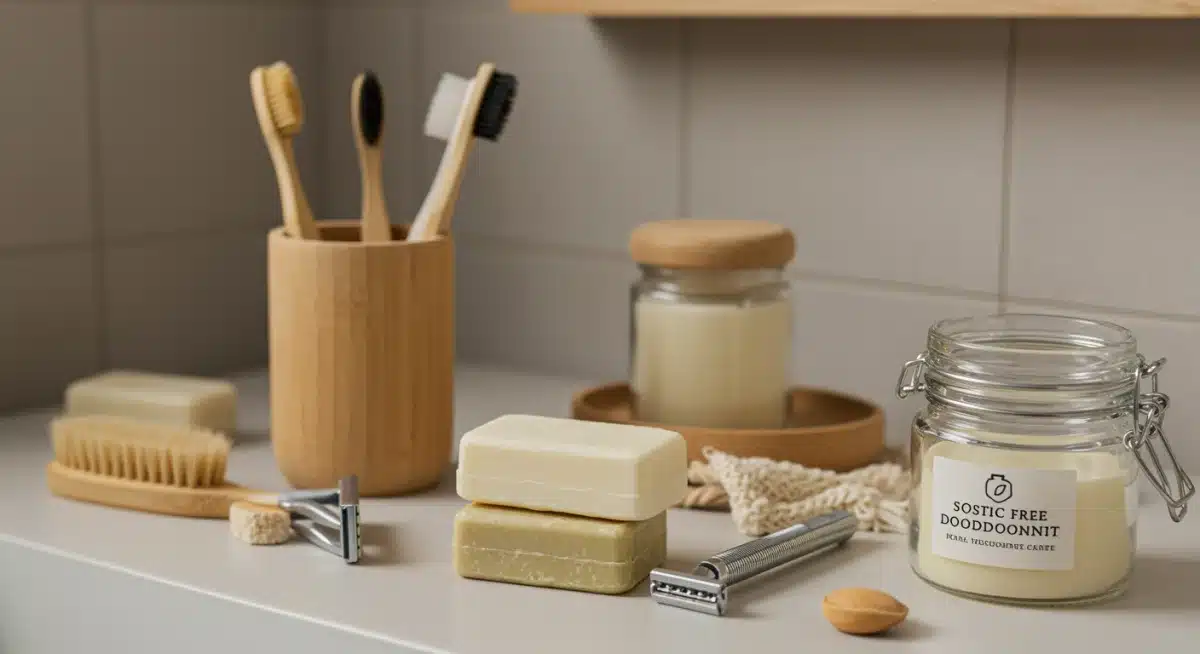
- Solid Shampoo and Conditioner Bars: These are widely available now and work just as effectively as their liquid counterparts, without the plastic bottle. Store them on a soap dish to extend their life.
- Soap Bars: Replace liquid hand soap and body wash with traditional soap bars. Look for brands with minimal, compostable packaging.
- Bamboo Toothbrushes: A simple swap that makes a big difference. Bamboo toothbrushes are biodegradable and widely available.
- Toothpaste Tablets or Powder: Instead of plastic tubes of toothpaste, try toothpaste tablets or powders that come in glass jars or compostable packaging.
- Floss: Opt for silk or corn starch-based floss in a refillable glass dispenser.
- Deodorant: Many brands now offer natural deodorants in compostable stick form or refillable glass jars. You can also make your own.
- Shaving: Switch to a safety razor with replaceable metal blades. These are a one-time investment that will last a lifetime, and the blades are recyclable.
- Menstrual Products: Consider reusable options like menstrual cups or reusable cloth pads to significantly reduce waste.
- Cotton Swabs: Choose cotton swabs with bamboo sticks instead of plastic.
Other Bathroom Swaps for Plastic-Free Living
- Toilet Paper: Look for toilet paper wrapped in paper, not plastic, or consider brands that offer bulk subscriptions with plastic-free packaging.
- Hair Brushes and Combs: Replace plastic brushes and combs with those made from wood or bamboo.
- Cosmetics: This can be a challenging area, but many brands are now offering refillable options, products in glass jars, or solid cosmetics. Research brands committed to sustainable packaging.
Embracing Plastic-Free Habits On-the-Go
Our busy lives often lead us to convenient, but plastic-laden, choices. Adopting these habits for plastic-free living when you’re out and about is crucial.
Eating and Drinking Out
- Reusable Water Bottle: This is a non-negotiable. Always carry a reusable water bottle and refill it throughout the day.
- Reusable Coffee Cup: If you’re a coffee or tea drinker, invest in a reusable travel mug. Many coffee shops offer discounts for bringing your own.
- Reusable Cutlery Kit: Carry a small pouch with a reusable fork, spoon, knife, and even a reusable straw. This prevents you from needing single-use plastic cutlery for takeaways.
- Say No to Straws: Politely decline plastic straws when ordering drinks. If you prefer a straw, carry your own reusable one (stainless steel, bamboo, or glass).
- Bring Your Own Container for Takeaway: Ask if restaurants will fill your reusable container for takeaway meals. Some are hesitant due to health regulations, but it’s always worth asking.
- Snack Smarter: Pack your own snacks in reusable containers to avoid buying pre-packaged items.
Shopping and Errands
- Refuse Freebies: Often, promotional items or freebies are made of plastic and will quickly become trash. Politely decline them.
- Thrift Stores and Second-Hand: Before buying new, check thrift stores or online marketplaces for items like clothing, furniture, and electronics. This reduces the demand for new production and packaging.
- Repair, Don’t Replace: If something breaks, try to repair it before simply buying a new one. This reduces waste and saves resources.
- Borrow or Rent: For items you only need occasionally (e.g., power tools, party supplies), consider borrowing from friends or renting instead of buying new.
Beyond the Basics: Advanced Plastic-Free Living Strategies
Once you’ve mastered the fundamental swaps, you can delve deeper into more advanced strategies for truly comprehensive plastic-free living.
Gardening and Outdoors
- Composting: Start a compost bin for food scraps and yard waste. This reduces landfill waste and creates nutrient-rich soil for your garden.
- Plastic-Free Gardening Supplies: Choose wooden or metal gardening tools. Look for plant pots made from terracotta, ceramic, or biodegradable materials. Avoid buying plants in plastic nursery pots if possible, or recycle them responsibly.
- Seed Starting: Use biodegradable seed starting pots or make your own from newspaper.
Pet Care
- Pet Food: Look for pet food in large paper bags or consider making your own pet food to avoid plastic packaging.
- Pet Toys: Choose toys made from natural materials like rubber, hemp, or cotton.
- Waste Bags: Use compostable dog waste bags.
Celebrations and Gifting
- Plastic-Free Parties: Use reusable plates, cutlery, and cups for parties. Decorate with natural materials or reusable banners instead of plastic balloons and streamers.
- Thoughtful Gifting: Give experiences (tickets, workshops) or consumable gifts (homemade treats, artisanal goods) that don’t come with excessive plastic packaging. Wrap gifts in reusable fabric wraps (Furoshiki) or recycled paper.
Overcoming Challenges and Staying Motivated for Plastic-Free Living
The path to plastic-free living isn’t always smooth. You’ll encounter challenges, but perseverance is key.
Dealing with Inconvenience
It takes effort to remember your reusable bags, bottles, and containers. Make it a habit by creating a ‘zero-waste kit’ that you always carry with you. Keep spares in your car or at work. Planning ahead is your best friend.
Navigating Limited Options
Not all stores or brands offer plastic-free alternatives. Do your research, support businesses that prioritize sustainability, and don’t be afraid to ask store managers for more plastic-free options. Your voice matters!
Budget Considerations
While some initial investments (like glass containers or a safety razor) might seem higher, they often save money in the long run by reducing the need for constant repurchasing. Buying in bulk can also be more economical.
Social Pressures
You might encounter skepticism or even resistance from friends or family. Lead by example, share your ‘why,’ and educate others gently. Remember, every small step contributes to the larger goal of plastic-free living.
The ‘All or Nothing’ Trap
Don’t get discouraged if you occasionally use plastic. The goal is to reduce, not eliminate entirely overnight. Celebrate your progress and learn from your lapses. Consistency over perfection is the mantra for successful plastic-free living.
The Environmental and Personal Benefits of Plastic-Free Living
Beyond the obvious environmental advantages, embracing plastic-free living offers numerous personal benefits:
- Reduced Exposure to Toxins: Many plastics contain chemicals like BPA and phthalates, which can leach into food and water. By reducing plastic use, you reduce your exposure to these potential endocrine disruptors.
- Healthier Eating: A plastic-free diet often encourages more whole, unprocessed foods, as these typically come with less packaging.
- Cost Savings: Buying in bulk, making your own products, and investing in reusable items often saves money over time.
- Decluttered Home: Focusing on reusables and essentials naturally leads to less clutter and a more organized living space.
- Increased Mindfulness: Consciously choosing plastic-free options fosters a greater awareness of your consumption habits and impact on the world.
- Inspiring Others: Your actions can inspire friends, family, and even strangers to consider their own plastic consumption, creating a positive ripple effect.
- Sense of Purpose and Satisfaction: Knowing you’re actively contributing to a healthier planet provides a deep sense of accomplishment and purpose.
Looking Ahead: Plastic-Free Living by 2026 and Beyond
Achieving a significant level of plastic-free living by 2026 is an ambitious yet attainable goal. It requires consistent effort, a willingness to learn, and a commitment to making conscious choices. As you progress, you’ll discover new alternatives, refine your habits, and become an advocate for a more sustainable world.
Remember that the landscape of sustainable products is constantly evolving. Stay informed, explore new innovations, and support businesses that are genuinely committed to reducing plastic. Engage with communities dedicated to zero waste and plastic-free initiatives. Share your tips and learn from others’ experiences.
The collective effort of individuals choosing plastic-free living has the power to drive systemic change. By reducing demand for single-use plastics, we send a clear message to manufacturers and policymakers that sustainability is a priority. Let 2026 be the year you look back and see a significant transformation in your lifestyle, a testament to your commitment to a cleaner, healthier planet.
Conclusion: Your Role in a Plastic-Free Future
The journey to plastic-free living is a marathon, not a sprint. It’s a continuous process of learning, adapting, and making mindful choices. By setting a clear target like 2026, we empower ourselves to make steady, impactful changes across all facets of our lives. From the simple act of carrying a reusable water bottle to making complex shifts in our consumption patterns, every step counts.
Embrace the challenge, celebrate your successes, and don’t be afraid to ask for plastic-free options. Your commitment to plastic-free living not only benefits the environment but also enhances your well-being and inspires those around you. Together, we can create a future where plastic pollution is a relic of the past, and sustainable living is the norm. Start today, and let your journey to a plastic-free 2026 begin!