Q1 2026 Residential Clean Energy Policy: Homeowner Insights
Q1 2026 Residential Clean Energy Policy: What Homeowners Need to Know Now
The dawn of 2026 is rapidly approaching, and with it, a new era for residential clean energy adoption. For homeowners, understanding the impending policy changes in Q1 2026 is not just about staying compliant; it’s about seizing opportunities, maximizing savings, and contributing to a sustainable future. The landscape of renewable energy, particularly for residential applications, is dynamic, influenced by technological advancements, economic shifts, and, most critically, evolving governmental regulations and incentives. This comprehensive guide aims to demystify the upcoming policy adjustments, providing homeowners with the foresight and knowledge necessary to navigate the changes effectively and make informed decisions about their clean energy investments.
As we delve into the specifics of the Q1 2026 policy shifts, it’s essential to recognize that these changes are designed to accelerate the transition to a cleaner energy grid, reduce carbon emissions, and foster energy independence. However, the exact mechanisms and implications of these policies can be intricate. From revised tax credits and rebate programs to new interconnection standards and net metering rules, every homeowner contemplating or already utilizing clean energy solutions like solar panels, battery storage, or electric vehicle charging infrastructure needs to be aware. Our focus here is on empowering you with actionable insights, ensuring you are well-prepared for what lies ahead in the realm of clean energy policy.
Understanding the Core of Q1 2026 Clean Energy Policy Changes
The first quarter of 2026 is poised to introduce a series of significant amendments and new initiatives within the clean energy policy framework. These changes are typically driven by a combination of federal mandates, state-level legislation, and local ordinances, all aiming to refine and enhance the existing support structures for renewable energy. The overarching goal remains consistent: to make clean energy more accessible, affordable, and attractive for homeowners. However, the devil is often in the details, and understanding the nuances of these changes is paramount for anyone invested in or considering residential clean energy.
Federal Incentives: Adjustments and New Programs
At the federal level, homeowners have historically benefited from a range of incentives, most notably the Investment Tax Credit (ITC) for solar energy. Q1 2026 may see adjustments to the ITC, either in its percentage, eligibility criteria, or duration. It’s crucial for homeowners to monitor any proposed changes to this cornerstone incentive, as it significantly impacts the upfront cost of solar installations. Beyond the ITC, there could be new federal programs targeting other aspects of residential clean energy, such as grants for energy efficiency upgrades, rebates for heat pump installations, or tax credits for electric vehicle supply equipment (EVSE) that integrates with home energy systems. These federal initiatives often set the tone for state and local policies, creating a cascading effect of support for clean energy adoption.
Furthermore, discussions around national clean energy standards or emissions reduction targets could translate into indirect benefits for homeowners. For instance, utilities might be incentivized to offer more attractive rates or programs for residential clean energy producers to meet their compliance obligations. Staying informed about these broader federal movements is key to anticipating future opportunities and challenges related to clean energy policy.
State-Level Regulations: A Patchwork of Progress
While federal policies provide a broad framework, state-level regulations often dictate the practicalities of residential clean energy adoption. States have considerable autonomy in designing their own incentive programs, net metering policies, and interconnection standards. In Q1 2026, many states are expected to revisit their Renewable Portfolio Standards (RPS) or clean energy mandates, which could lead to new or revised incentives for homeowners. Some states might introduce enhanced rebates for specific technologies, while others could modify their property tax exemptions for renewable energy systems.
Net metering, a critical policy allowing solar owners to receive credit for excess electricity fed back to the grid, is a particularly volatile area. Several states have recently undergone or are in the process of reviewing their net metering policies, sometimes transitioning to less favorable compensation structures. Homeowners need to be acutely aware of any proposed changes to net metering in their state, as these can significantly alter the financial viability of solar installations. Understanding the specific clean energy policy landscape of your state is not just recommended, but essential for making sound investment decisions.
Local Ordinances: The Ground-Level Impact
Beyond federal and state regulations, local ordinances play a vital role in the feasibility and cost of residential clean energy projects. These can include zoning laws, permitting requirements, building codes, and even local property tax incentives. In Q1 2026, some municipalities might streamline their permitting processes for solar installations, reducing bureaucratic hurdles and costs. Others might introduce new requirements for energy efficiency in new constructions or major renovations, indirectly promoting clean energy solutions. Conversely, some local jurisdictions might impose new fees or restrictions that could impact solar or other clean energy projects.
It’s advisable for homeowners to consult their local planning department or a reputable clean energy installer to understand the specific local regulations that will be in effect. These local details, while seemingly minor, can have a substantial impact on the overall timeline and expense of a clean energy upgrade. Being proactive in researching these local clean energy policy details can save both time and money.
Key Areas of Impact for Homeowners
The impending clean energy policy changes in Q1 2026 will touch various aspects of residential clean energy, directly influencing financial returns, installation processes, and the long-term benefits of owning renewable energy systems. Homeowners should pay close attention to the following key areas:
Financial Incentives and Rebates
The most immediate and often most significant impact of clean energy policy changes relates to financial incentives. These can take many forms:
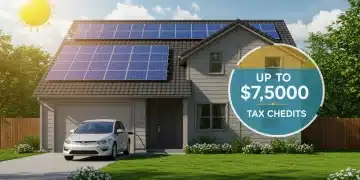
- Tax Credits: Federal and state tax credits reduce the amount of income tax you owe. Changes to the Investment Tax Credit (ITC) for solar and other renewable energy systems are a primary concern. Homeowners should verify the applicable credit percentage and any phase-out schedules.
- Rebates: State and local governments, as well as utility companies, often offer direct rebates for installing specific clean energy technologies. These can be upfront payments that reduce the initial cost. Q1 2026 could see new rebate programs or revisions to existing ones, potentially targeting battery storage, heat pumps, or smart home energy management systems.
- Grants: Less common for individual homeowners but sometimes available for specific community projects or low-income households, grants provide funding that doesn’t need to be repaid.
- Property Tax Exemptions: Some jurisdictions offer exemptions or reductions in property taxes for the added value of a renewable energy system. These can vary significantly and are subject to change.
- Sales Tax Exemptions: A few states offer sales tax exemptions for clean energy equipment, further reducing the upfront cost.
Understanding the interplay of these incentives is crucial. A reduction in one incentive might be offset by an increase in another, or a new program might emerge that significantly enhances the financial viability of a project. Homeowners should consult with financial advisors and reputable clean energy providers to understand how these incentives will apply to their specific situation in Q1 2026.
Net Metering and Grid Interconnection Rules
For homeowners with grid-tied solar systems, net metering is a cornerstone of financial returns. It allows them to send excess electricity generated by their solar panels back to the grid and receive credits on their utility bill. Changes to net metering policies can dramatically alter the economics of solar ownership. Potential changes in Q1 2026 might include:
- Reduced Compensation Rates: Some states are moving from a 1:1 retail rate compensation to a lower wholesale rate or a fixed credit per kilowatt-hour.
- Introduction of Fixed Charges: Utilities might introduce new fixed charges for solar customers, irrespective of their energy production or consumption.
- Time-of-Use (TOU) Rates: More prevalent adoption of TOU rates, where electricity prices vary based on the time of day, could impact how solar credits are valued.
- New Interconnection Fees: Fees associated with connecting a renewable energy system to the grid might be introduced or adjusted.
These changes underscore the growing importance of battery storage systems, which allow homeowners to store excess solar energy for later use, reducing reliance on net metering and potentially maximizing savings under less favorable compensation structures. Analyzing your utility’s specific clean energy policy and proposed changes to net metering is a critical step.
Energy Efficiency Mandates and Building Codes
While not strictly about clean energy generation, energy efficiency policies often go hand-in-hand with renewable energy adoption. Q1 2026 may see updates to building codes that mandate higher energy efficiency standards for new constructions or significant renovations. This could include requirements for better insulation, more efficient windows, or the installation of specific energy-saving appliances. For homeowners, these changes mean that future home upgrades might need to meet stricter efficiency criteria, which can indirectly make clean energy solutions more effective and financially attractive by reducing overall energy demand.
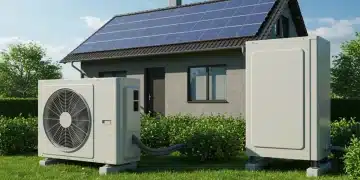
Furthermore, some policies might offer incentives for combining energy efficiency upgrades with renewable energy installations, recognizing the synergistic benefits. For example, a homeowner might receive a higher rebate for installing solar panels if they also upgrade their insulation or replace an old HVAC system with a high-efficiency heat pump. Understanding these integrated clean energy policy approaches can lead to greater overall savings and a more sustainable home.
Preparing for the Q1 2026 Policy Shifts
Proactive preparation is key to navigating the upcoming clean energy policy changes successfully. Homeowners have several avenues to explore to ensure they are well-positioned to benefit from new incentives and adapt to new regulations.
Stay Informed and Consult Experts
The first and most crucial step is to stay informed. Regularly check official government websites (federal, state, and local) for updates on energy policy. Subscribe to newsletters from reputable clean energy organizations, industry associations, and local utility providers. These sources often provide timely information on proposed and enacted changes to clean energy policy.
Beyond self-education, consulting with clean energy professionals is invaluable. Reputable solar installers, energy auditors, and financial advisors specializing in renewable energy can provide personalized advice. They are typically up-to-date on the latest clean energy policy changes and can help you understand how these will specifically impact your home and investment. Don’t hesitate to ask detailed questions about potential financial impacts, installation requirements, and long-term warranties.
Evaluate Your Current and Future Energy Needs
Before making any decisions, take a comprehensive look at your home’s energy consumption patterns. An energy audit can identify areas for efficiency improvements, which might become even more critical under new clean energy policy frameworks. Consider your future energy needs as well: are you planning to purchase an electric vehicle? Will your family size increase? These factors will influence the optimal size and type of clean energy system for your home.
Understanding your energy profile will allow you to make more strategic decisions about which clean energy technologies to adopt and how to best integrate them to maximize savings and environmental benefits under the new clean energy policy landscape. This holistic approach ensures that your investment is future-proofed against evolving regulations.
Consider Advanced Technologies: Battery Storage and Smart Home Systems
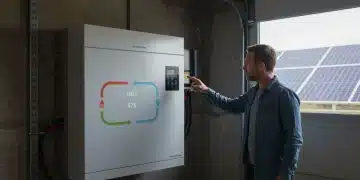
As net metering policies potentially become less favorable, the value of home battery storage systems is increasing significantly. Batteries allow you to store excess solar energy generated during the day and use it during peak demand hours or at night, reducing your reliance on the grid and maximizing your self-consumption of clean energy. This can be a game-changer under new clean energy policy regimes that devalue exported electricity.
Similarly, smart home energy management systems offer greater control and optimization of your energy usage. These systems can automate energy-intensive tasks to run when electricity is cheapest (e.g., during off-peak hours or when solar production is high) and can provide detailed insights into your consumption patterns. Integrating these technologies can help homeowners adapt to new clean energy policy challenges and unlock greater savings.
Explore Community Solar and Other Alternatives
For homeowners who cannot install solar panels on their own roofs due to shading, structural limitations, or ownership restrictions (e.g., renters or condo owners), community solar programs offer an excellent alternative. These programs allow individuals to subscribe to a share of a larger, off-site solar farm and receive credits on their electricity bill for the power generated. Q1 2026 clean energy policy changes might introduce new incentives or expand eligibility for community solar programs, making them an even more attractive option.
Additionally, investigate other clean energy alternatives like geothermal heating and cooling, or participate in demand response programs offered by your utility. These options can provide further pathways to reduce your carbon footprint and energy costs, often with their own set of incentives that might be affected by upcoming clean energy policy updates.
The Long-Term Outlook for Residential Clean Energy
Despite the potential complexities introduced by clean energy policy changes in Q1 2026, the long-term trajectory for residential clean energy remains overwhelmingly positive. Governments at all levels are increasingly committed to decarbonization goals, and renewable energy technologies continue to become more efficient and cost-effective. These policy shifts, while sometimes challenging in the short term, are ultimately designed to accelerate the transition to a sustainable energy future.
Homeowners who embrace clean energy solutions are not only contributing to environmental protection but are also gaining greater control over their energy costs, increasing their home’s value, and achieving a degree of energy independence. The initial investment in clean energy systems, especially when strategically planned around incentives and regulations, can lead to significant long-term savings and a reduced exposure to volatile fossil fuel prices.
Furthermore, the innovation in clean energy technology is relentless. We can expect to see continued advancements in solar panel efficiency, battery storage capacity and cost, smart grid integration, and electric vehicle charging infrastructure. These technological leaps, combined with supportive clean energy policy, will make residential clean energy solutions even more compelling in the years to come.
Conclusion: Empowering Your Clean Energy Journey in 2026
The upcoming clean energy policy changes in Q1 2026 present both challenges and opportunities for homeowners. By staying informed, evaluating your options carefully, and consulting with experts, you can ensure that your residential clean energy investments are not only compliant but also optimized for maximum financial and environmental benefit. The transition to a clean energy future is a collective effort, and homeowners play a crucial role in its success.
Take the time now to research, plan, and prepare. Whether you’re considering your first solar installation, looking to add battery storage, or simply want to optimize your existing clean energy systems, understanding the evolving clean energy policy landscape is your best asset. Embrace the changes, leverage the available support, and empower your home with the clean, sustainable energy of tomorrow. The future of residential clean energy is bright, and with the right approach, Q1 2026 can mark a significant step forward in your journey towards energy independence and environmental stewardship.