Achieving 90% Energy Independence: A Step-by-Step Guide to Residential Battery System Integration by 2026
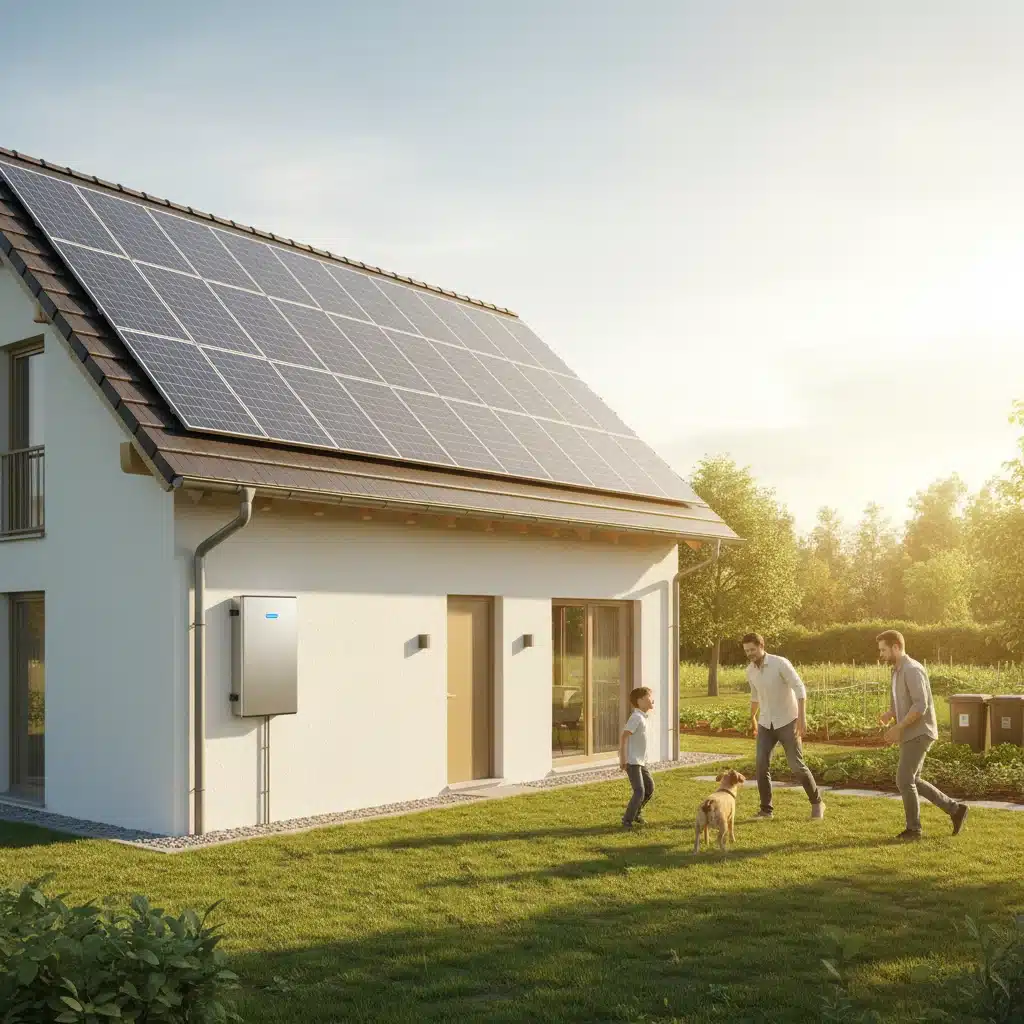
In an era defined by fluctuating energy prices, environmental concerns, and a growing desire for self-sufficiency, the concept of energy independence has never been more appealing. For homeowners, achieving a significant level of energy independence, specifically 90%, by 2026 is an ambitious yet entirely attainable goal. The cornerstone of this ambition lies in the strategic integration of a residential battery system. This comprehensive guide will walk you through every essential step, from understanding the technology to planning, installation, and optimizing your home’s energy ecosystem to drastically reduce your reliance on the grid.
The journey towards 90% energy independence is not merely about installing a few components; it’s about creating a robust, intelligent, and resilient energy infrastructure for your home. A residential battery system acts as the heart of this infrastructure, storing excess energy generated by your solar panels or even drawn from the grid during off-peak hours, making it available precisely when you need it most. This not only translates to significant savings on your electricity bills but also provides unparalleled peace of mind during power outages and contributes positively to a sustainable future.
What is a Residential Battery System?
At its core, a residential battery system is an energy storage solution designed for home use. Think of it as a personal power bank for your entire house. These systems typically consist of advanced lithium-ion batteries, similar to those found in electric vehicles, though optimized for stationary energy storage. They work in conjunction with your home’s solar panel array or can be charged directly from the grid. The primary function is to store electricity when it’s abundant (e.g., sunny afternoons with solar panels producing excess power or during off-peak utility hours when electricity rates are lower) and then discharge it when needed (e.g., evenings, cloudy days, or during peak rate times).
The evolution of residential battery system technology has been rapid, leading to more efficient, safer, and cost-effective units. Modern systems are often integrated with smart energy management software, allowing homeowners to monitor and control their energy usage in real-time, optimize charging and discharging cycles, and even participate in virtual power plants (VPPs) where available. This level of control is crucial for maximizing the benefits of your investment and getting closer to that 90% energy independence goal.
Key Components of a Residential Battery System:
- Battery Bank: The core storage unit, typically composed of multiple battery cells.
- Inverter: Converts the DC power from the batteries (and solar panels) into AC power for home use. Hybrid inverters can manage both solar input and battery charging/discharging.
- Charge Controller: Regulates the voltage and current coming from the solar panels to charge the battery bank, preventing overcharging.
- Battery Management System (BMS): An electronic system that manages the battery, protecting it from operating outside its safe operating area, monitoring its state, and calculating secondary data.
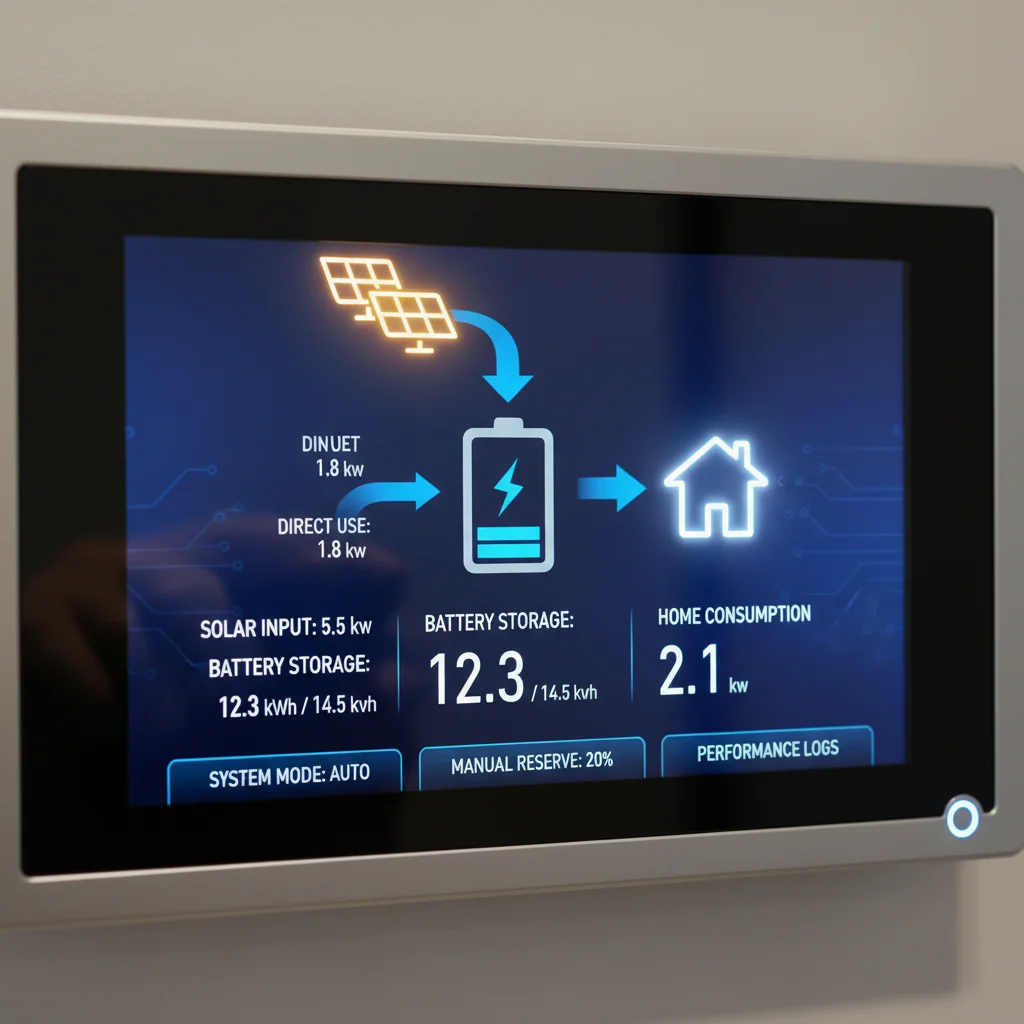
- Monitoring System: Software and hardware that allow homeowners to track energy production, consumption, battery status, and grid interaction.
Benefits of Integrating a Residential Battery System
The advantages of installing a residential battery system extend far beyond simply having backup power. These systems are foundational to achieving true energy independence and offer a multitude of financial, environmental, and practical benefits.
1. Energy Independence and Self-Sufficiency:
This is the ultimate goal. By storing your own generated electricity, you significantly reduce your reliance on the utility grid. This means less vulnerability to grid failures, fewer fluctuating energy bills, and a greater sense of control over your home’s power supply. Achieving 90% energy independence means that for the vast majority of the time, your home is powered by its own clean, self-generated energy.
2. Financial Savings (Time-of-Use Optimization and Demand Charges):
Many utility companies employ Time-of-Use (TOU) rates, where electricity costs more during peak demand hours (e.g., late afternoon and evening). A residential battery system allows you to store cheaper off-peak electricity or excess solar energy and use it during these expensive peak hours, dramatically lowering your monthly bills. For homes with demand charges, batteries can also help reduce peak demand, leading to further savings.
3. Backup Power During Outages:
Perhaps the most immediate and tangible benefit for many homeowners is reliable backup power. When the grid goes down, your home remains powered. This ensures essential appliances, lighting, and communication systems continue to function, providing comfort and safety during unforeseen outages.
4. Environmental Impact:
By maximizing the use of renewable energy generated by your solar panels, you reduce your carbon footprint. A residential battery system ensures that more of your solar energy is consumed directly by your home instead of being sent back to the grid for minimal credit, leading to a greener lifestyle.
5. Grid Services and Incentives:
In some regions, homeowners with battery systems can participate in grid services programs, such as demand response or virtual power plants. This involves allowing your utility to draw power from or send power to your battery during critical grid events, for which you receive compensation. Furthermore, various federal, state, and local incentives (like tax credits or rebates) can significantly offset the initial cost of a residential battery system.
Planning Your Residential Battery System Integration by 2026
Careful planning is paramount to successfully integrate a residential battery system and achieve 90% energy independence. This phase involves assessing your current energy usage, determining your specific needs, and understanding the financial and logistical aspects.
Step 1: Assess Your Current Energy Consumption
Before you can become energy independent, you need to understand your current energy habits. Review your past 12-24 months of electricity bills to identify peak usage times, average daily consumption (in kWh), and seasonal variations. This data will be crucial for sizing your residential battery system correctly. Consider performing an energy audit to identify areas where you can reduce consumption, as efficiency improvements will lower your overall energy storage requirements.
Step 2: Determine Your Energy Independence Goals and Backup Needs
While 90% energy independence is the overarching goal, consider what specific loads you want to power during an outage. Do you need to run your entire home, or just essential circuits like the refrigerator, lights, and a few outlets? This decision will influence the capacity of your residential battery system. A whole-home backup requires a larger, more expensive system than a critical loads panel backup.
Step 3: Evaluate Your Existing Solar Setup (if applicable)
If you already have solar panels, assess their age, efficiency, and total output. A modern, well-maintained solar array will be more effective at charging your residential battery system. If your solar system is old or undersized, you might need to consider expanding or upgrading it in conjunction with your battery installation.
Step 4: Research Available Residential Battery System Technologies and Brands
The market offers various battery technologies, with lithium-ion (specifically NMC and LFP chemistries) being the most prevalent for residential use due to their high energy density, long cycle life, and efficiency. Popular brands include Tesla Powerwall, Enphase Encharge, LG Chem RESU, and Generac PWRcell. Compare warranties, capacities, power output, and integration capabilities with solar inverters.
Step 5: Understand Local Regulations, Permits, and Incentives
Battery storage installations are subject to local building codes and electrical regulations. Research the necessary permits in your area. Crucially, investigate federal, state, and local incentives, such as the federal Investment Tax Credit (ITC) for solar plus storage, state rebates, and net metering policies. These can significantly reduce the upfront cost of your residential battery system.
Installation and Integration: Bringing Your System Online
Once the planning is complete, the installation phase begins. This is a critical step that requires professional expertise to ensure safety, efficiency, and compliance with all regulations.
Step 1: Choosing a Qualified Installer
Selecting an experienced and reputable installer is paramount. Look for companies with a strong track record in residential battery system installations, appropriate licenses, certifications, and good customer reviews. Obtain multiple quotes and ensure they include a detailed breakdown of equipment, labor, permits, and warranty information.
Step 2: Site Assessment and System Design
The installer will conduct a thorough site assessment to determine the best location for your battery system (indoors or outdoors, considering temperature, ventilation, and accessibility), evaluate your electrical panel capacity, and design the optimal system layout. This design will factor in your solar array (if present), your energy goals, and local codes.
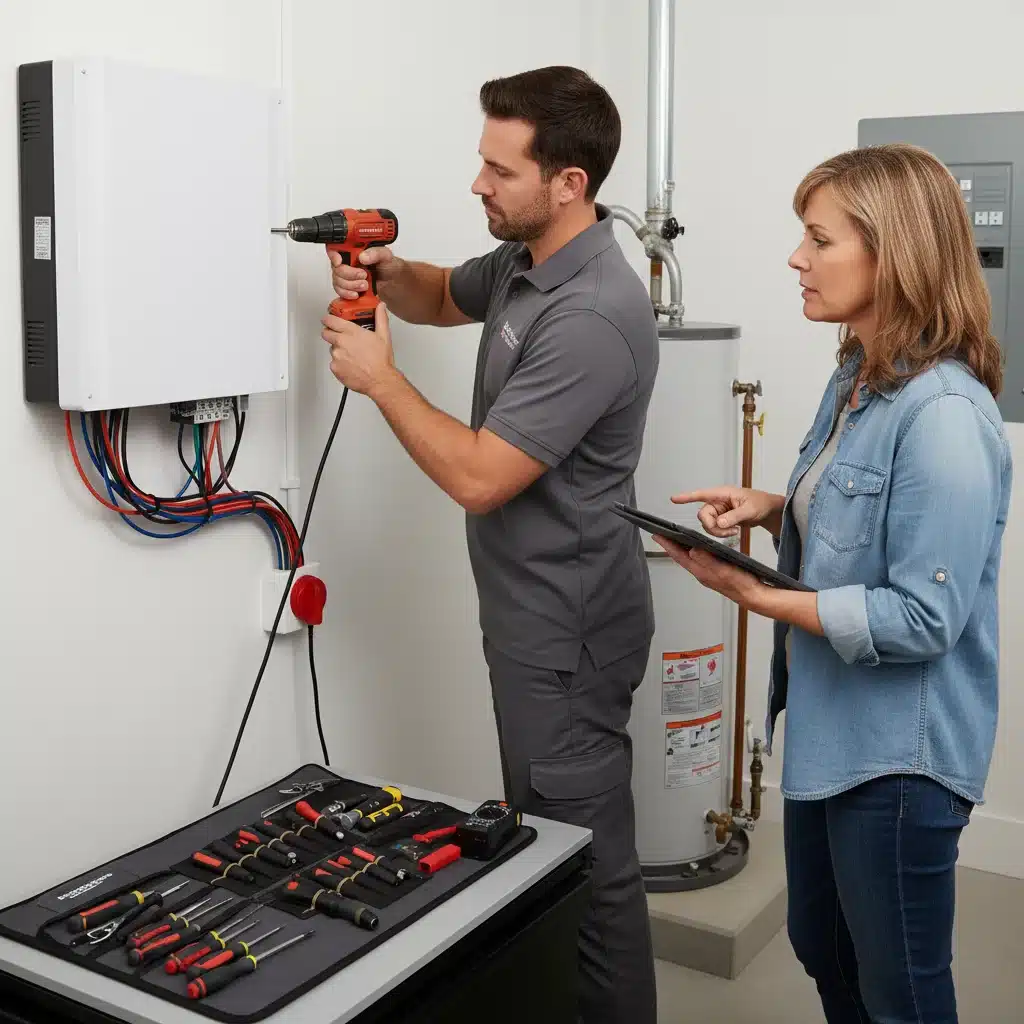
Step 3: The Installation Process
The installation of a residential battery system typically involves:
- Mounting the battery unit(s) in the designated location.
- Installing or upgrading the inverter and charge controller.
- Integrating the battery system with your existing electrical panel or installing a new critical loads panel.
- Connecting to your solar array (if applicable).
- Installing the monitoring system and necessary safety disconnects.
- Performing electrical wiring and ensuring all connections are secure and up to code.
Step 4: Commissioning and Testing
After physical installation, the system will be commissioned. This involves powering it up, configuring the software, and conducting thorough tests to ensure all components are communicating correctly and the system is operating as designed. Your installer should walk you through the monitoring interface and explain how to manage your new residential battery system.
Optimizing Your Residential Battery System for 90% Energy Independence
Installation is just the beginning. To truly achieve 90% energy independence by 2026, continuous optimization of your residential battery system is essential. This involves smart management, energy efficiency, and staying informed.
1. Smart Energy Management and Monitoring:
Utilize your system’s monitoring app and smart energy management features. These tools provide invaluable insights into your energy production, consumption, and storage levels. Learn how to adjust settings to prioritize self-consumption, backup, or time-of-use optimization based on your goals and utility rates. Some systems can even integrate with smart home devices for more granular control.
2. Energy Efficiency Practices:
The less energy you consume, the less you need to generate and store. Continue implementing energy efficiency measures throughout your home. This includes upgrading to LED lighting, using energy-efficient appliances, improving insulation, and practicing conscious energy habits (e.g., turning off lights, unplugging phantom loads). Every kWh saved means less reliance on the grid and a higher percentage of energy independence.
3. Understanding Weather Patterns and Seasonal Adjustments:
Your energy production from solar panels will vary significantly with weather and seasons. Be mindful of this and adjust your expectations and battery usage accordingly. During long stretches of cloudy weather, you might need to draw more from the grid. Some advanced residential battery systems can even integrate with weather forecasts to optimize charging strategies.
4. Regular Maintenance and System Health Checks:
While modern battery systems require minimal maintenance, it’s wise to perform periodic checks. Monitor your system’s performance, look for any error codes, and keep the battery unit free from obstructions. Follow your manufacturer’s recommendations for any scheduled maintenance or software updates. A well-maintained system is a reliable system.
5. Future Upgrades and Expansion:
As your energy needs evolve or as battery technology advances, consider future upgrades. Many residential battery systems are modular, allowing you to add more battery capacity if needed. Staying abreast of new technologies can help you maintain and even exceed your 90% energy independence goal in the years to come.
Cost Considerations and Return on Investment for Your Residential Battery System
Investing in a residential battery system is a significant financial decision. Understanding the costs and potential return on investment (ROI) is crucial for justifying the expenditure.
Initial Costs:
The upfront cost of a residential battery system can range from $10,000 to $20,000 or more, depending on capacity, brand, and installation complexity. This typically includes the battery unit(s), inverter, installation labor, and permitting fees. If you’re also installing solar panels, the combined cost will be higher.
Factors Influencing Cost:
- Battery Capacity: Larger capacity batteries cost more.
- Chemistry: Lithium iron phosphate (LFP) batteries are often more affordable than nickel manganese cobalt (NMC) but have different performance characteristics.
- Brand and Features: Premium brands with advanced features (e.g., smart home integration, sophisticated monitoring) will be more expensive.
- Installation Complexity: Factors like electrical panel upgrades or extensive wiring can increase labor costs.
- Location: Regional labor rates and permit fees vary.
Return on Investment (ROI):
The ROI for a residential battery system is influenced by several factors:
- Electricity Rates: Homes in areas with high electricity rates or significant time-of-use differentials will see faster payback periods.
- Incentives: Federal tax credits (like the ITC, which currently offers 30% for solar + storage), state rebates, and local programs can drastically improve ROI.
- Grid Outages: While hard to quantify financially, the value of reliable backup power during extended outages is significant for many homeowners.
- Increased Home Value: Homes with integrated solar and battery storage systems often command higher resale values.
- Participation in Grid Services: Earning revenue by providing grid services can accelerate payback.
Generally, a residential battery system can pay for itself over 5-15 years, depending on the factors listed above. However, the non-monetary benefits of energy independence and peace of mind are often considered invaluable.
The Future of Residential Battery Systems and Energy Independence
The landscape of energy storage is constantly evolving, promising even greater advancements and accessibility for homeowners aiming for energy independence.
Advancements in Battery Technology:
Expect to see continued improvements in battery chemistry, leading to higher energy density, longer cycle life, faster charging, and lower costs. Solid-state batteries, for example, hold immense promise for the future of residential battery systems, offering enhanced safety and performance.
Smarter Grid Integration:
The concept of the ‘smart grid’ will become more prevalent, with battery systems playing a crucial role. This includes more sophisticated virtual power plants (VPPs), enhanced demand response programs, and seamless communication between your home’s energy system and the utility grid, allowing for optimized energy flow and revenue generation.
Increased Accessibility and Affordability:
As manufacturing scales up and technology matures, the cost of residential battery systems is expected to continue to decrease, making them more accessible to a wider range of homeowners. New financing models and lease options will also emerge, lowering the barrier to entry.
Policy and Regulatory Support:
Governments worldwide are increasingly recognizing the importance of energy storage for grid stability and renewable energy integration. Expect more supportive policies, incentives, and regulations that encourage the adoption of residential battery systems.
Conclusion: Your Path to 90% Energy Independence by 2026 with a Residential Battery System
Achieving 90% energy independence by 2026 is an ambitious yet entirely realistic goal for many homeowners, anchored by the strategic integration of a residential battery system. This journey is not just about adopting new technology; it’s about embracing a sustainable lifestyle, gaining control over your energy future, and enhancing the resilience of your home.
By carefully planning, selecting the right components, ensuring professional installation, and diligently optimizing your system, you can significantly reduce your reliance on the grid, save money, and contribute to a cleaner environment. The benefits – from financial savings and reliable backup power to a reduced carbon footprint – make the investment in a residential battery system a compelling choice for the modern homeowner. The future of energy is decentralized, sustainable, and independent, and with the right approach, your home can be at the forefront of this revolution by 2026.