Policy Watch 2026: US Energy Storage Regulations & Market Impact
The United States energy landscape is undergoing a monumental transformation, driven by an accelerating push towards decarbonization, enhanced grid reliability, and energy independence. At the heart of this evolution lies the rapid expansion of energy storage technologies, poised to become the lynchpin of a resilient, sustainable, and efficient power system. As we look ahead to 2026, the trajectory of the US energy storage market will be profoundly influenced by a complex interplay of federal regulations, incentives, and policy directives. Understanding these critical frameworks is not merely academic; it is essential for developers, investors, policymakers, and consumers alike to navigate the opportunities and challenges that lie ahead.
The next 12 months, leading into and throughout 2026, represent a pivotal period where the foundational policies enacted in recent years will begin to manifest their full impact. From the sweeping provisions of the Inflation Reduction Act (IRA) to the ongoing efforts of the Federal Energy Regulatory Commission (FERC) to modernize grid operations, the regulatory environment is actively shaping the economic viability and operational parameters of energy storage projects across the nation. This article, ‘Policy Watch 2026: How New Federal Regulations are Shaping the US Energy Storage Market for the Next 12 Months,’ aims to provide a comprehensive and time-sensitive analysis of these critical federal regulations, offering insights into their expected effects on market growth, technological innovation, and investment trends.
We will delve into the specifics of key legislative acts and regulatory orders, examining how they are designed to accelerate the deployment of storage solutions, foster domestic manufacturing, and ensure equitable access to clean energy benefits. Furthermore, we will explore the nuances of interconnection policies, market design modifications, and the broader strategic implications for the US energy storage market. The goal is to equip stakeholders with a clear understanding of the regulatory currents that will define the industry’s landscape in 2026, enabling informed decision-making and strategic planning in this dynamic sector.
The Inflation Reduction Act (IRA): A Game Changer for US Energy Storage Regulations
The Inflation Reduction Act (IRA) of 2022 stands as arguably the most significant piece of climate legislation in US history, and its provisions are meticulously designed to supercharge the clean energy transition, with energy storage at its core. For the US energy storage market, the IRA is not just an incentive; it’s a structural realignment. The next 12 months will see a deepening of its impact, as projects conceived under its benefits move closer to completion and new investment streams solidify.
Direct Pay and Transferability: Unlocking Investment
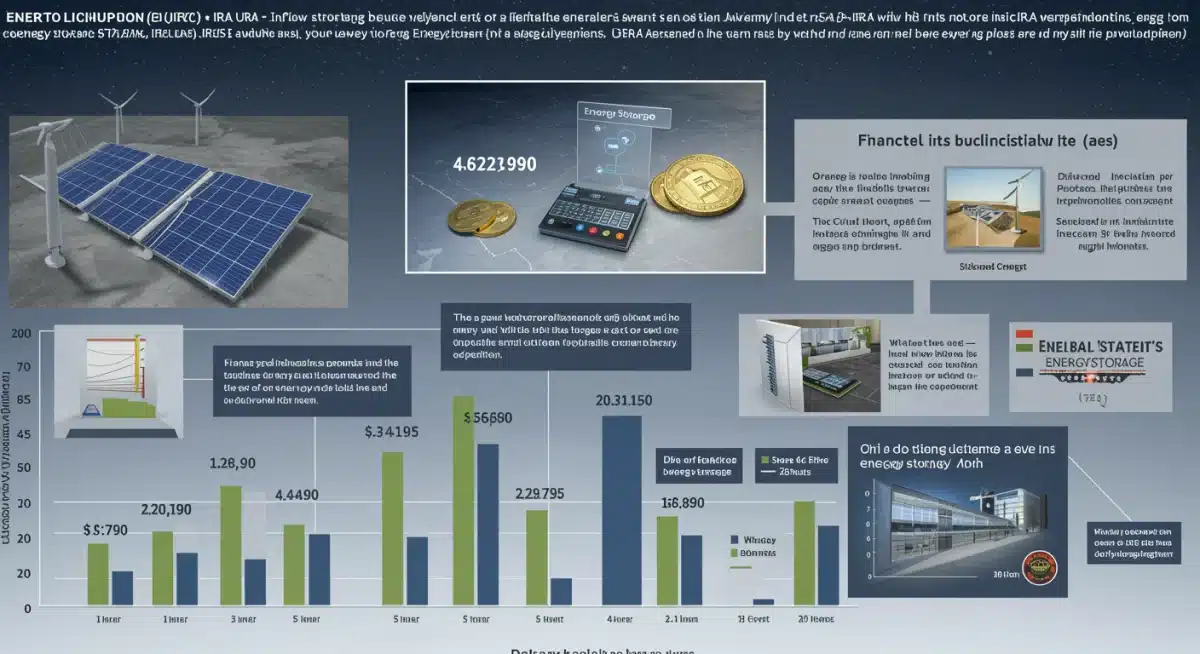
One of the most transformative aspects of the IRA for energy storage is the expansion and enhancement of tax credits, particularly the Investment Tax Credit (ITC) for standalone energy storage. Prior to the IRA, energy storage often had to be paired with a solar project to qualify for the ITC. Now, standalone storage projects of 5 kWh or more are eligible for a 30% ITC, with potential adders for meeting domestic content requirements, locating in energy communities, or serving low-income communities. This direct eligibility significantly broadens the financial viability of energy storage projects.
Beyond the increased ITC, the IRA introduces two pivotal mechanisms: Direct Pay and Transferability. Direct Pay allows tax-exempt entities (like municipalities, rural electric cooperatives, and tribal governments) to receive the cash equivalent of tax credits, making clean energy projects more accessible without needing a tax liability. Transferability, on the other hand, permits eligible businesses to sell their clean energy tax credits to unrelated third parties for cash. These provisions are crucial for mobilizing capital, reducing project financing complexities, and accelerating deployment across various ownership structures. In 2026, we anticipate a robust market for tax credit transfers, further stimulating investment in the US energy storage market.
Domestic Content and Energy Community Adders: Fostering Local Growth
The IRA also includes significant bonus credits designed to incentivize domestic manufacturing and investment in communities historically reliant on fossil fuels. The domestic content adder, which can increase the ITC by an additional 10 percentage points, encourages developers to source American-made steel, iron, and manufactured products. This is intended to bolster the US manufacturing base for batteries and other storage components, reducing reliance on foreign supply chains and creating green jobs. Similarly, the energy community adder provides another 10 percentage point bonus for projects located in areas that have experienced significant fossil fuel employment or tax revenue loss. These adders are not just financial incentives; they are strategic tools for economic development and ensuring a just transition, and their influence on project siting and supply chain decisions will be increasingly evident in 2026.
Production Tax Credit (PTC) for Storage: A New Frontier
While the ITC has historically been the primary vehicle for storage incentives, the IRA also makes energy storage eligible for the Production Tax Credit (PTC) if it’s co-located with a renewable energy facility and charges at least 75% from that facility. The PTC, which provides a credit based on the electricity produced, could be particularly attractive for larger-scale, long-duration storage projects that are integral to renewable energy generation. The choice between ITC and PTC will depend on project specifics, but the availability of both offers developers unprecedented flexibility in financing their ventures within the US energy storage market.
Long-Duration Storage and Emerging Technologies
The IRA’s broad support for energy storage also indirectly benefits emerging long-duration storage technologies. While not explicitly singled out, the general boost to the energy storage sector, combined with research and development funding opportunities, creates a more fertile ground for non-lithium-ion solutions like flow batteries, compressed air energy storage, and thermal storage. As the grid integrates more renewables, the need for storage beyond the typical 4-hour lithium-ion duration becomes critical, and the IRA sets the stage for these longer-duration technologies to scale in the coming years.
In summary, the IRA’s comprehensive suite of tax credits, direct pay options, and bonus incentives forms the bedrock of the US energy storage market’s growth trajectory for 2026 and beyond. It de-risks investments, stimulates domestic manufacturing, and ensures that the economic benefits of the clean energy transition are widely distributed. The next 12 months will be a period of intense activity as developers leverage these provisions to bring a new wave of energy storage projects online.
FERC Orders and Grid Modernization: Enhancing Market Access and Reliability
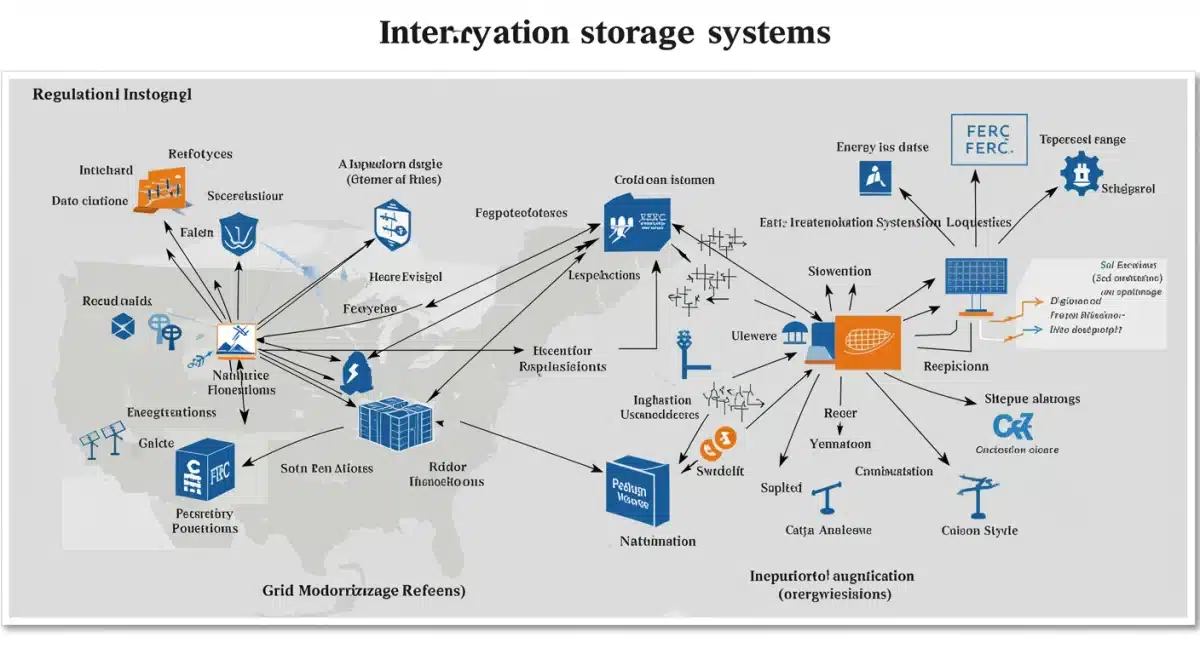
While the IRA provides the financial impetus, the Federal Energy Regulatory Commission (FERC) plays a crucial role in shaping the operational and market frameworks for energy storage. FERC’s orders are designed to remove barriers to entry, ensure fair compensation, and integrate storage seamlessly into wholesale electricity markets, thereby enhancing grid reliability and efficiency. For the US energy storage market, FERC’s actions are as critical as legislative support.
FERC Order 841: A Landmark for Storage Participation
FERC Order 841, issued in 2018, was a landmark ruling requiring regional transmission organizations (RTOs) and independent system operators (ISOs) to revise their tariffs to allow electric storage resources to participate in wholesale electricity markets. This order mandated that storage be able to provide all services it is technically capable of providing (e.g., energy, capacity, ancillary services) and be compensated for those services. While implementation has been a multi-year process with various compliance filings and clarifications, 2026 will see its full effects increasingly realized across all RTOs/ISOs.
The order ensures that energy storage can compete on a level playing field with traditional generation resources, unlocking new revenue streams and making storage projects more attractive to investors. As grid operators refine their market rules, the ability of storage to stack multiple revenue services will solidify, driving further deployment within the US energy storage market.
FERC Order 2222: Distributed Energy Resources and the Grid
Building on Order 841, FERC Order 2222, issued in 2020, requires RTOs/ISOs to establish rules enabling distributed energy resource (DER) aggregations to participate in wholesale markets. This includes aggregations of distributed energy storage, rooftop solar, electric vehicles, and demand response. Order 2222 is particularly significant because it opens the door for smaller, behind-the-meter storage systems to participate in wholesale markets, providing services like capacity, energy, and ancillary services.
The implementation of Order 2222 is complex, requiring RTOs/ISOs to address issues such as minimum size requirements for aggregations, metering and telemetry, and coordination with state regulatory authorities. While full implementation is still ongoing, 2026 will be a critical year for demonstrating the mechanisms and benefits of DER aggregation. This order will diversify the types of storage projects entering the market and could significantly increase the overall capacity of the US energy storage market by leveraging smaller-scale resources.
Transmission Planning and Interconnection Reform
Beyond specific orders on market participation, FERC is actively engaged in reforming transmission planning and interconnection processes. The rapid growth of renewable energy and energy storage projects has overwhelmed existing interconnection queues, leading to significant delays and costs. FERC’s proposed rules aim to streamline the interconnection process, ensure more efficient allocation of transmission costs, and facilitate proactive transmission planning that anticipates future clean energy needs.
These reforms are vital for the timely deployment of large-scale energy storage projects. Delays in interconnection can significantly impact project economics and slow down the transition to a cleaner grid. In 2026, we expect to see tangible progress in these reforms, potentially easing bottlenecks and accelerating the integration of new storage capacity into the grid. Improved interconnection processes will reduce risks for developers and unlock a substantial pipeline of projects in the US energy storage market.
Taken together, FERC’s regulatory actions create a more hospitable and economically viable environment for energy storage. By ensuring market access, fair compensation, and streamlined interconnection, FERC is laying the operational groundwork for the rapid expansion envisioned by the IRA. The synergy between these legislative and regulatory efforts is what makes the outlook for the US energy storage market in 2026 so promising.
Department of Energy (DOE) Initiatives and Funding
Beyond legislative and regulatory mandates, the Department of Energy (DOE) plays a crucial role in advancing the US energy storage market through research and development (R&D), demonstration projects, and various funding initiatives. The DOE’s strategic investments are designed to push the boundaries of storage technology, reduce costs, and address critical supply chain vulnerabilities.
Long-Duration Storage Shot and Storage Grand Challenge
The DOE’s ‘Long-Duration Storage Shot’ aims to reduce the cost of grid-scale energy storage by 90% for systems that can discharge for 10+ hours within a decade. This ambitious goal is supported by significant R&D funding for a diverse portfolio of technologies, including electrochemical, mechanical, thermal, and chemical storage. The ‘Storage Grand Challenge’ further coordinates efforts across the DOE’s offices and national labs to accelerate the development, commercialization, and deployment of next-generation energy storage technologies.
In 2026, we can anticipate the fruits of these R&D efforts beginning to emerge, with demonstration projects showcasing advanced long-duration storage solutions. These initiatives are critical for expanding the capabilities of the US energy storage market beyond current lithium-ion limitations, addressing the challenge of 100% renewable energy integration.
Loan Programs Office (LPO) and Funding Opportunities
The DOE’s Loan Programs Office (LPO) has billions of dollars in loan authority available for clean energy projects, including advanced energy storage manufacturing and deployment. The LPO offers federal loan guarantees for innovative clean energy technologies that might struggle to find conventional financing. This de-risks large-scale, first-of-a-kind projects and helps bridge the gap between pilot and commercial deployment.
Additionally, various grant programs and funding opportunities through offices like the Office of Clean Energy Demonstrations (OCED) are supporting critical infrastructure projects, including those that integrate energy storage with renewable generation, microgrids, and grid modernization efforts. These financial injections from the DOE are vital for accelerating the pace of innovation and deployment in the US energy storage market, particularly for projects that may be too nascent or too large for private capital alone in their early stages.
Supply Chain Resilience and Critical Minerals
Recognizing the vulnerabilities in the global supply chain for battery components, the DOE is also heavily invested in initiatives to strengthen domestic manufacturing and secure critical minerals. This includes funding for battery recycling facilities, gigafactories, and research into alternative battery chemistries that reduce reliance on scarce materials. The goal is to build a robust, secure, and sustainable domestic supply chain for the US energy storage market, lessening geopolitical risks and enhancing economic security. In 2026, the initial outputs of these investments, such as new manufacturing facilities coming online, will become increasingly visible.
State-Level Policies and Federal-State Coordination
While federal regulations provide a powerful overarching framework, state-level policies remain crucial for the localized development and deployment of energy storage. The interplay between federal and state actions will be particularly important in 2026 for the overall health and growth of the US energy storage market.
Renewable Portfolio Standards (RPS) and Storage Mandates
Many states have aggressive Renewable Portfolio Standards (RPS) or Clean Energy Standards (CES) that drive the adoption of renewable energy. As more renewables come online, the need for flexible resources like energy storage to manage intermittency becomes paramount. Some states have gone a step further by implementing specific energy storage mandates or targets, requiring utilities to procure a certain amount of storage capacity. States like California, New York, and Massachusetts are leaders in this regard, and their policies often serve as models for others.
The federal incentives from the IRA often complement these state mandates, making it even more economically attractive for developers to pursue projects in supportive states. In 2026, we can expect continued alignment and synergy between federal tax credits and state-specific targets, creating a powerful market pull for energy storage.
Net Metering and Interconnection Rules
State public utility commissions (PUCs) regulate net metering policies and interconnection rules for distributed generation and storage at the retail level. While FERC governs wholesale market participation, state rules dictate how behind-the-meter storage interacts with the local distribution grid and how customers are compensated for exporting excess energy. Favorable net metering and streamlined interconnection processes at the state level are essential for the growth of residential and commercial-scale storage, which can also contribute to grid resilience and peak demand reduction.
Permitting and Siting
Local and state permitting and siting regulations can significantly impact the timeline and cost of energy storage projects. Efforts to standardize and streamline these processes, while ensuring community engagement and environmental protection, are critical. Federal agencies often provide guidance and technical assistance to states and local governments to help them navigate these complexities. A more predictable and efficient permitting environment at the state level will be key to unlocking the full potential of the US energy storage market in 2026.
Strategic Implications for the US Energy Storage Market in 2026
The convergence of these federal regulations and initiatives creates a dynamic and rapidly evolving landscape for the US energy storage market. The strategic implications for various stakeholders are profound and will shape investment decisions, technological development, and market competition in 2026.
Accelerated Deployment and Investment
The most immediate and significant implication is an accelerated pace of energy storage deployment. The IRA’s generous tax credits, coupled with FERC’s market access mandates, make energy storage projects highly attractive to investors. We can expect a surge in new project announcements and groundbreaking ceremonies throughout 2026, particularly for utility-scale battery storage and increasingly for residential and commercial applications.
Investment will flow not only into project development but also into the entire value chain, from raw material extraction and processing to battery manufacturing and recycling. This will create a booming market for equipment suppliers, engineering firms, and installation contractors.
Enhanced Grid Reliability and Resilience
As more energy storage is deployed, the US grid will become inherently more reliable and resilient. Storage can provide essential grid services such as frequency regulation, voltage support, and black start capabilities. It can also act as a buffer against extreme weather events and cyberattacks, ensuring continuous power supply. The federal focus on grid modernization, supported by DOE funding and FERC orders, underscores the critical role storage will play in maintaining grid stability as the energy mix shifts.
Technological Diversification and Innovation
While lithium-ion batteries currently dominate the market, the policy landscape is fostering an environment ripe for technological diversification. The Long-Duration Storage Shot and various DOE R&D programs are encouraging innovation in alternative storage chemistries and mechanical solutions. In 2026, we may see increased investment in pilot projects for flow batteries, compressed air, and thermal storage, as developers and investors seek solutions for longer discharge durations and different operational profiles. This diversification is crucial for building a robust and adaptable US energy storage market.
Domestic Manufacturing and Supply Chain Security
The domestic content provisions of the IRA and DOE’s focus on supply chain resilience are driving a significant push towards localized manufacturing of battery components and full systems. This will reduce geopolitical risks associated with international supply chains and create new manufacturing jobs in the US. While building a complete domestic supply chain will take time, 2026 will be a year where foundational investments in North American battery manufacturing capacity begin to bear fruit, influencing procurement decisions for new projects.
Challenges and Opportunities
Despite the overwhelmingly positive outlook, challenges remain. Navigating the complexities of federal and state permitting, ensuring an adequate skilled workforce, and managing potential supply chain disruptions (even with domestic efforts) will require ongoing attention. However, these challenges also present opportunities for innovation in business models, workforce development, and regulatory streamlining.
Conclusion: A Transformative Year Ahead for the US Energy Storage Market
The confluence of the Inflation Reduction Act, FERC’s market-opening orders, and the Department of Energy’s strategic investments has created an unprecedented landscape for the US energy storage market. As we approach and move through 2026, these federal regulations will not merely influence; they will fundamentally reshape the industry, driving aggressive deployment, fostering innovation, and securing a more reliable and sustainable energy future for the nation.
For stakeholders across the spectrum – from project developers and technology providers to investors and utility companies – a deep understanding of these policies is paramount. The next 12 months will be characterized by accelerated project development, significant capital deployment, and a concerted effort to build a resilient domestic supply chain. The US energy storage market is no longer a nascent industry; it is a critical pillar of the clean energy transition, firmly supported by a comprehensive and forward-looking federal policy framework. Staying abreast of these developments will be key to unlocking the vast potential that 2026 promises for energy storage in America.