US Geothermal Energy: 2026 Potential for 10% Market Share Increase
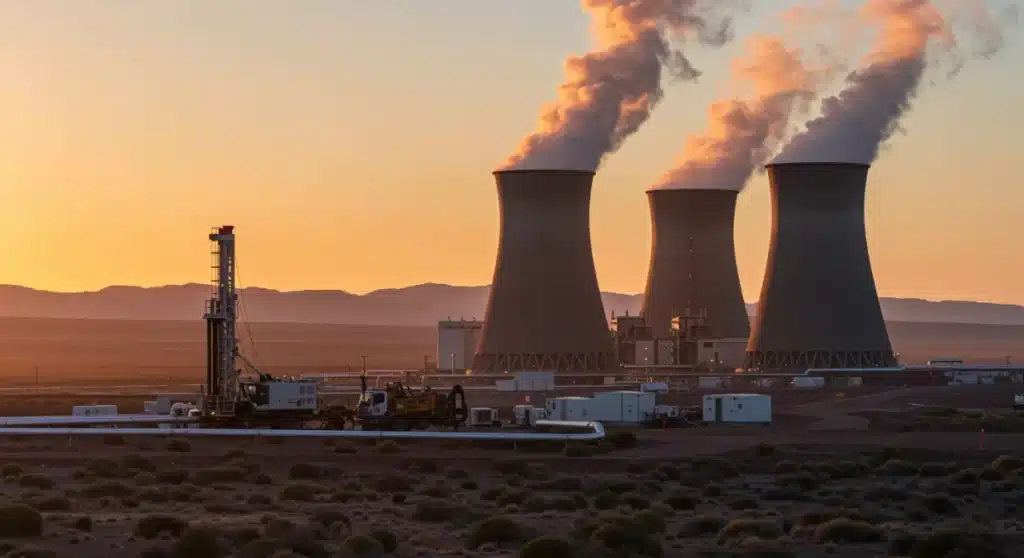
By 2026, the U.S. geothermal energy sector holds significant untapped potential, driven by resource availability and advanced technologies, targeting a 10% market share increase in the renewable energy landscape.
The quest for sustainable energy solutions continues to accelerate, and in 2026, US geothermal energy potential emerges as a powerful, yet often overlooked, contender. This article delves into Geothermal Energy’s Untapped Potential in the U.S.: A 2026 Assessment of Resource Availability and Technological Advancements for a 10% Market Share Increase, exploring how this consistent power source could revolutionize the nation’s energy mix.
Understanding the Core of Geothermal Energy
Geothermal energy harnesses the Earth’s internal heat, offering a constant, reliable power source unlike intermittent renewables like solar and wind. This foundational characteristic positions it uniquely within the broader energy landscape, particularly as the U.S. seeks to diversify its clean energy portfolio and enhance grid stability. The inherent stability of geothermal provides a crucial baseline power generation capability, making it an attractive option for regions demanding continuous energy supply.
The process generally involves drilling deep wells to access hot water or steam reservoirs, which are then used to drive turbines and generate electricity. This direct conversion of thermal energy ensures high efficiency and minimal waste. As we move further into the 21st century, understanding these fundamental principles becomes paramount for policymakers and investors alike, recognizing the long-term benefits this technology offers.
Types of Geothermal Systems
- Hydrothermal Systems: These are the most common and commercially viable, relying on naturally occurring hot water and steam. They are typically found in geologically active regions.
- Enhanced Geothermal Systems (EGS): EGS technology involves creating artificial reservoirs in hot, dry rock by injecting fluid to fracture the rock and enhance permeability. This significantly expands potential geothermal sites.
- Direct Use Applications: Beyond electricity generation, geothermal heat can be used directly for heating buildings, greenhouses, and industrial processes, offering a versatile range of applications.
In conclusion, the core of geothermal energy lies in its ability to provide consistent, baseload power from the Earth’s heat. This reliability, coupled with diverse application methods, underscores its critical role in a resilient and sustainable energy future, warranting increased attention and investment in the years leading up to and beyond 2026.
Assessing U.S. Geothermal Resource Availability by 2026
By 2026, the understanding of U.S. geothermal resource availability has significantly matured, moving beyond traditional hot spots to encompass a broader geographical spread. Advanced geological surveys and improved modeling techniques now provide a more granular picture of where viable resources lie, extending the potential beyond the Western states into regions previously thought unsuitable. This expanded insight is critical for realizing the ambitious goal of a 10% market share increase, as it unlocks new development opportunities.
The U.S. Department of Energy’s ongoing mapping initiatives, combined with private sector exploration, have identified vast, untapped reservoirs. These include not only conventional hydrothermal resources but also extensive hot dry rock formations suitable for Enhanced Geothermal Systems (EGS). The sheer scale of these resources suggests that geothermal could indeed play a much larger role in the national energy portfolio, provided the right technological and policy frameworks are in place.
Geographic Distribution and Potential
- Western States: California, Nevada, Utah, and Oregon remain the leaders due to their high geothermal gradients and existing infrastructure. These states are expected to see continued growth and optimization of current plants.
- Eastern U.S.: While less conventional, new assessments suggest significant potential in regions with deeper, hotter formations, particularly with the advent of advanced drilling technologies and EGS.
- Gulf Coast: Sedimentary basins along the Gulf Coast offer another promising frontier, with moderate-temperature resources suitable for binary cycle power plants and direct-use applications.
The 2026 assessment confirms that the U.S. possesses ample geothermal resources to support substantial growth. The challenge now shifts from identifying resources to effectively and economically extracting them, a task that technological advancements are increasingly addressing. This availability underpins the feasibility of achieving a 10% market share increase within the specified timeframe.
Technological Advancements Driving Geothermal Growth
The ambitious target for geothermal energy’s market share increase by 2026 is heavily reliant on a new wave of technological advancements. These innovations are making previously inaccessible or uneconomical resources viable, fundamentally altering the landscape of geothermal development. From enhanced drilling techniques to more efficient power conversion systems, technology is the engine of this projected growth.
One of the most impactful areas of progress is in drilling technology. Directional drilling, once primarily associated with the oil and gas industry, is being adapted for geothermal applications, allowing for more precise targeting of heat reservoirs and reduced surface footprint. Furthermore, advancements in materials science are leading to drill bits that can withstand extreme temperatures and pressures, significantly extending well life and reducing maintenance costs.
Key Technological Innovations
- Enhanced Geothermal Systems (EGS): Breakthroughs in reservoir stimulation techniques, such as advanced hydraulic fracturing with minimized environmental impact, are unlocking vast hot dry rock resources across the U.S.
- Closed-Loop Geothermal Systems: These systems circulate a working fluid in a closed loop, extracting heat without directly interacting with the underground fluid, reducing water consumption and seismic risks.
- Advanced Power Cycles: Binary cycle power plants, which use a secondary working fluid with a lower boiling point, are becoming more efficient and can utilize lower-temperature geothermal resources, expanding the viable resource base.
These technological leaps are not just incremental improvements; they represent a paradigm shift in how geothermal energy can be harnessed. By 2026, their widespread adoption is expected to significantly lower the levelized cost of electricity (LCOE) for geothermal, making it more competitive with other energy sources and paving the way for substantial market expansion.
Economic Viability and Investment Landscape by 2026
By 2026, the economic viability of geothermal energy in the U.S. is experiencing a significant uplift, driven by technological maturation and evolving market dynamics. The initial high upfront costs, a historical barrier to entry, are being mitigated by improved drilling efficiencies, standardized project development, and increased investor confidence. This shift makes geothermal projects increasingly attractive to both public and private capital, crucial for achieving market share growth.
Government incentives and policy support also play a pivotal role in de-risking investments. Tax credits, loan guarantees, and streamlined permitting processes are reducing financial burdens and accelerating project timelines. Furthermore, the growing demand for baseload renewable energy, coupled with corporate sustainability goals, creates a robust market for geothermal power purchase agreements (PPAs), ensuring long-term revenue streams for developers.
Investment Trends and Opportunities
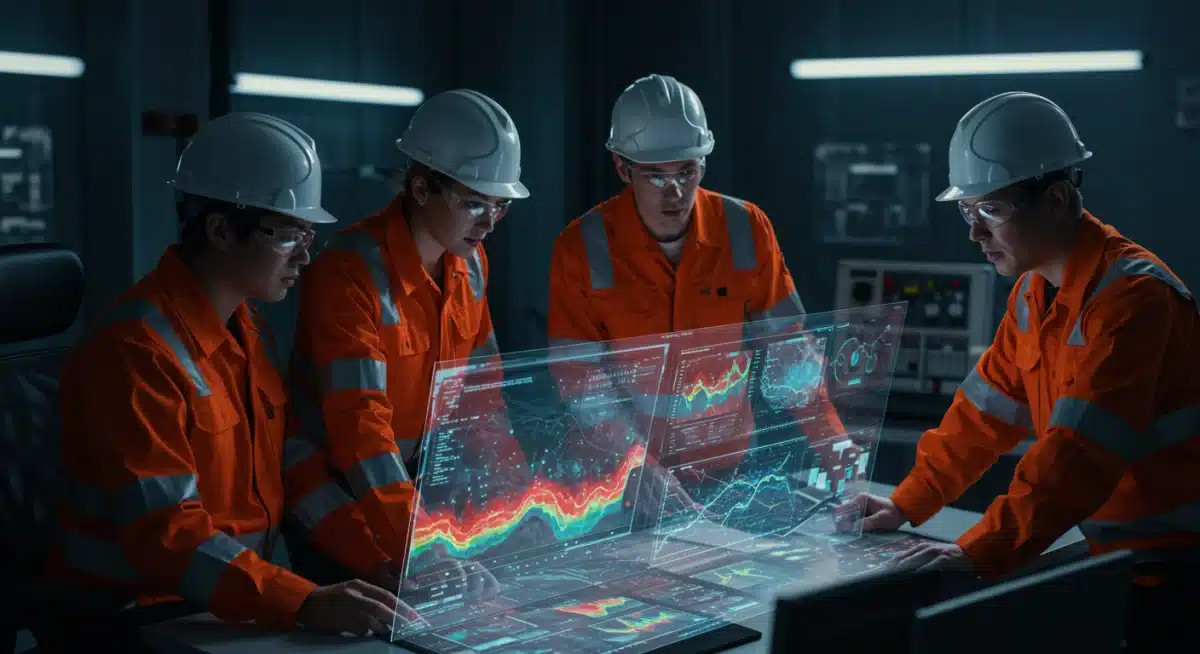
- Venture Capital Influx: Increased interest from venture capitalists in innovative geothermal startups, particularly those focused on EGS and closed-loop systems, signals a maturing industry.
- Public-Private Partnerships: Collaborative efforts between government agencies and private developers are accelerating the deployment of large-scale geothermal projects, sharing both risks and rewards.
- ESG Investment Appeal: Geothermal’s strong environmental, social, and governance (ESG) credentials make it highly appealing to impact investors and funds prioritizing sustainable portfolios.
In summary, the economic landscape for U.S. geothermal energy in 2026 is more favorable than ever. A combination of technological advancements, supportive policies, and increasing market demand is creating a fertile ground for investment, positioning geothermal for significant expansion and a tangible increase in its contribution to the national energy mix.
Policy and Regulatory Frameworks for Geothermal Expansion
Achieving a 10% market share increase for U.S. geothermal energy by 2026 is not solely a matter of technology and resource availability; robust policy and regulatory frameworks are equally critical. These frameworks provide the necessary stability and incentives for investment, streamline project development, and ensure environmental responsibility. Without clear and consistent guidance, even the most promising geothermal projects can face significant delays.
At the federal level, continued support through the Department of Energy’s research and development programs, alongside extension of critical tax credits such as the Investment Tax Credit (ITC) and Production Tax Credit (PTC) for geothermal, are paramount. These financial mechanisms directly impact project economics and encourage new entrants into the market. Furthermore, inter-agency coordination is essential to simplify the complex permitting processes often associated with energy infrastructure.
Key Policy Initiatives
- Streamlined Permitting: Efforts to accelerate federal and state permitting for geothermal projects, reducing bureaucratic hurdles and project lead times.
- Renewable Portfolio Standards (RPS): State-level RPS mandates that include geothermal energy provide a stable market demand signal for developers and investors.
- Grid Modernization: Investments in grid infrastructure to accommodate more distributed and baseload renewable generation, like geothermal, are essential for seamless integration.
The regulatory environment in 2026 is evolving to better support geothermal’s unique characteristics, recognizing its potential as a baseload renewable. Effective policy frameworks ensure that the U.S. can capitalize on its vast geothermal resources, fostering innovation and accelerating deployment to meet ambitious clean energy targets.
Challenges and Opportunities for a 10% Market Share Increase
While the potential for U.S. geothermal energy is immense, achieving a 10% market share increase by 2026 is not without its challenges. These hurdles, however, often present equally significant opportunities for innovation and strategic development. Addressing these head-on will be crucial for the industry’s sustained growth and its ability to compete effectively within the broader energy sector.
One primary challenge remains the upfront capital cost and perceived risk associated with exploration and drilling. Despite technological advancements, the initial investment for geothermal projects can be substantial, and geological uncertainties still exist. Overcoming this requires innovative financing models, risk-sharing mechanisms, and continued advancements in subsurface imaging and modeling to reduce exploratory failures.
Navigating Challenges, Seizing Opportunities
- Drilling Costs: Continued R&D into cheaper, faster drilling technologies and techniques, including plasma drilling and advanced robotics, can significantly reduce project expenses.
- Social Acceptance: Engaging local communities early and transparently, addressing concerns about seismic activity and water usage, is vital for gaining social license to operate.
- Intermittency Perception: Highlighting geothermal’s baseload capabilities can differentiate it from other renewables and garner greater appreciation for its grid stability contributions.
The opportunities lie in leveraging geothermal’s unique attributes: its baseload reliability, small land footprint per megawatt, and potential for co-production of critical minerals. By strategically addressing the challenges through technological innovation, proactive community engagement, and robust policy support, the U.S. geothermal industry can not only achieve but potentially exceed its 10% market share goal by 2026, solidifying its role as a cornerstone of the nation’s clean energy future.
| Key Aspect | 2026 Assessment |
|---|---|
| Resource Availability | Vast, expanded beyond traditional areas due to advanced mapping and EGS potential. |
| Technological Advancements | EGS, closed-loop systems, and improved drilling lower costs and expand access. |
| Economic Viability | Improved by incentives, lower LCOE, and strong demand for baseload renewables. |
| Market Share Goal | 10% increase by 2026 is achievable with continued policy support and innovation. |
Frequently Asked Questions About US Geothermal Energy in 2026
The primary advantage is its baseload capacity, meaning it provides consistent, uninterrupted power regardless of weather conditions. This stability is crucial for balancing intermittent renewable sources like solar and wind, enhancing overall grid reliability and resilience in the U.S.
EGS technology expands resource potential by creating artificial reservoirs in hot, dry rock formations. This involves injecting fluids to fracture the rock, allowing heat extraction where natural hydrothermal systems are absent, thereby unlocking vast new areas for geothermal development.
Main economic challenges include high upfront capital costs for exploration and drilling, and perceived geological risks. However, these are being mitigated by technological advancements, government incentives, and increasing investor interest in sustainable energy portfolios.
Beyond the traditional Western states, promising new areas include deeper formations in parts of the Eastern U.S. and sedimentary basins along the Gulf Coast. These regions are becoming viable due to advancements in drilling and power conversion technologies, expanding the national footprint.
Policy frameworks are essential for providing incentives like tax credits, streamlining permitting, and establishing clear regulatory guidelines. They reduce investment risk and accelerate project development, creating a stable environment conducive to achieving significant market share growth by 2026.
Conclusion: Geothermal’s Pivotal Role in a Sustainable U.S. Energy Future
By 2026, the comprehensive assessment of U.S. geothermal energy’s untapped potential reveals a compelling narrative for its increased adoption. The convergence of abundant, newly identified resources, transformative technological advancements, and supportive policy frameworks positions geothermal to significantly expand its footprint in the national energy mix. Achieving a 10% market share increase is not merely an ambitious goal but a tangible outcome within reach, driven by its baseload reliability and environmental benefits. As the nation continues its transition towards a cleaner, more resilient energy infrastructure, geothermal energy stands ready to play a pivotal, indispensable role, contributing to both energy security and climate goals.