US Offshore Wind: 2026 Outlook on Major Projects and Economic Impact
Anúncios
US Offshore Wind: A 2026 Overview of 3 Major Initiatives and Their Impact
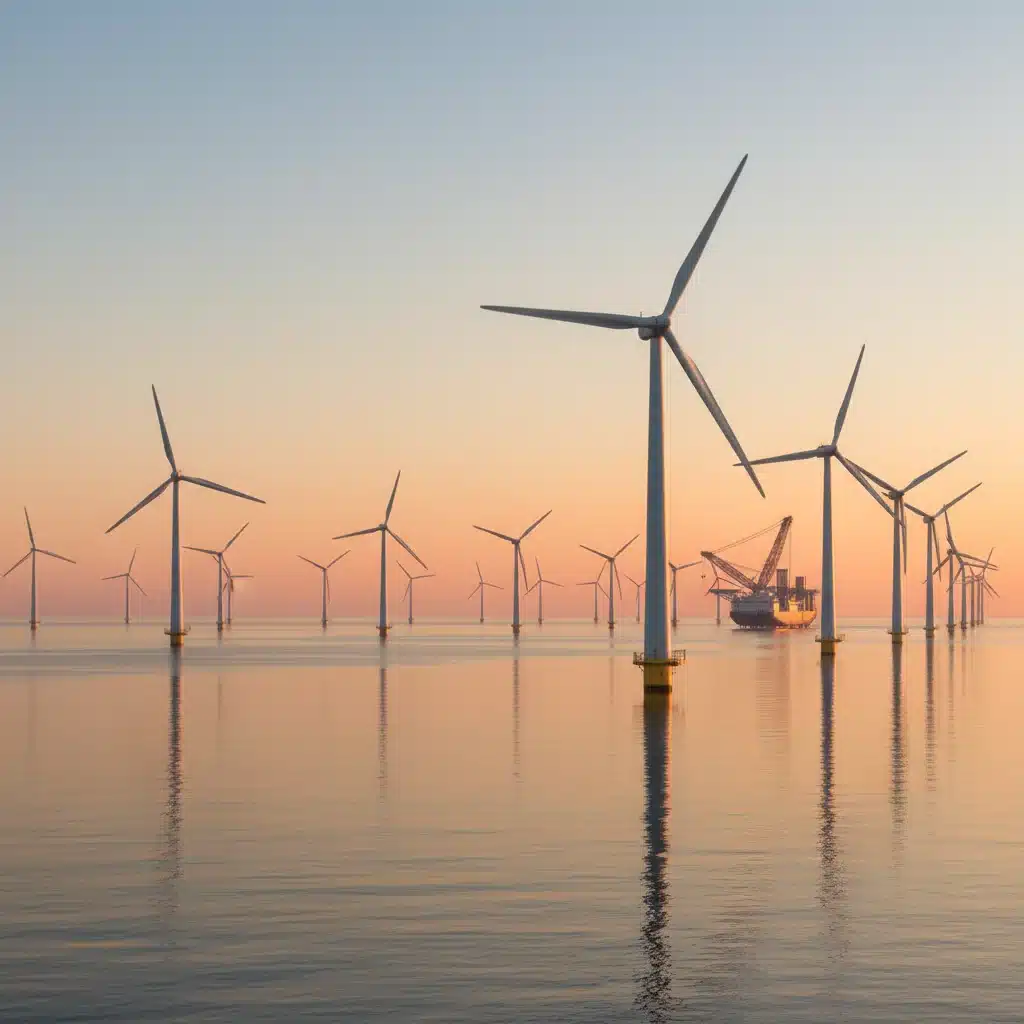
The United States is on the cusp of a transformative energy revolution, with offshore wind power emerging as a cornerstone of its clean energy future. As we look towards 2026, the landscape of US offshore wind is rapidly evolving, driven by ambitious federal and state targets, technological advancements, and increasing private investment. This article provides an in-depth overview of the US offshore wind 2026 outlook, focusing on three pivotal projects: Vineyard Wind 1, South Fork Wind, and Revolution Wind. We will explore their current status, projected impacts, and the broader implications for the nation’s energy grid, economy, and environment.
The journey to harness the immense power of offshore winds has been long and complex, but the momentum is now undeniable. With a goal of deploying 30 gigawatts (GW) of offshore wind capacity by 2030, the Biden administration has set a clear path for accelerated development. This target is not merely an environmental aspiration; it represents a strategic investment in energy independence, job creation, and technological innovation. The projects highlighted here are not just individual endeavors; they are critical components of a larger, interconnected strategy to transition away from fossil fuels and establish the US as a global leader in renewable energy.
Understanding the intricacies of these projects, from their financing and regulatory hurdles to their construction phases and operational benefits, is crucial for anyone interested in the future of energy. We will delve into the specific details of each initiative, examining their contributions to local economies, their role in reducing carbon emissions, and the challenges they have overcome to reach their current stages of development. The US offshore wind 2026 picture is one of dynamic growth and profound potential, and this article aims to illuminate the key drivers behind this exciting transformation.
Vineyard Wind 1: Pioneering the US Offshore Wind Frontier
Vineyard Wind 1 stands as a monumental achievement, marking the first commercial-scale offshore wind farm in the United States. Located approximately 15 miles off the coast of Martha’s Vineyard, Massachusetts, this project is a joint venture between Avangrid Renewables and Copenhagen Infrastructure Partners (CIP). Its significance extends beyond its pioneering status; it serves as a blueprint for future developments and a testament to the feasibility of large-scale offshore wind in American waters.
Project Details and Progress
With a planned capacity of 800 megawatts (MW), Vineyard Wind 1 is designed to power over 400,000 homes in Massachusetts. The project reached a critical milestone in late 2023 with the installation of its first turbine, a significant step towards full operational capacity. The wind farm will consist of 62 GE Haliade-X turbines, each capable of generating substantial amounts of electricity. The construction process involves complex engineering and logistics, including the installation of monopile foundations, turbine components, and extensive subsea export cables to connect to the onshore grid. The successful execution of these phases is vital for the overall success and timely completion of the US offshore wind 2026 goals.
Economic and Environmental Impact
The economic benefits of Vineyard Wind 1 are substantial. The project has created thousands of direct and indirect jobs across various sectors, including manufacturing, construction, logistics, and operations and maintenance. This job creation extends beyond the immediate project site, stimulating local economies in port communities like New Bedford, Massachusetts, which has become a hub for offshore wind staging and assembly. Furthermore, the project represents a multi-billion-dollar investment in American infrastructure, contributing to economic growth and technological advancement.
Environmentally, Vineyard Wind 1 is projected to reduce carbon emissions by over 1.6 million metric tons annually, equivalent to removing 320,000 cars from the road. This significant reduction in greenhouse gases is crucial for combating climate change and improving air quality. By providing a reliable source of clean, renewable energy, Vineyard Wind 1 contributes to energy diversification and reduces reliance on fossil fuels, aligning perfectly with the broader objectives of US offshore wind 2026 initiatives.
South Fork Wind: Powering Long Island’s Green Future
South Fork Wind, located off the coast of Long Island, New York, is another groundbreaking project that underscores the rapid expansion of the US offshore wind sector. As the second utility-scale offshore wind farm in the nation, it plays a crucial role in New York’s ambitious renewable energy targets and serves as a model for sustainable development in densely populated coastal regions. This project, a joint venture between Ørsted and Eversource, is set to deliver clean power directly to the Hamptons, a region with high energy demand.
Development and Operational Milestones
South Fork Wind has a capacity of 132 MW, enough to power approximately 70,000 homes. The project commenced offshore construction in early 2023, with the installation of its first monopile foundation. By late 2023, the first turbines were installed, marking a significant step towards commercial operation. The wind farm will feature 12 Siemens Gamesa SG 11.0-200 DD turbines, known for their efficiency and advanced technology. The project also involves the laying of a 60-mile export cable to bring power ashore at East Hampton, connecting to the local grid.
Community and Economic Contributions
The development of South Fork Wind has brought considerable economic benefits to New York. It has generated hundreds of jobs during its construction phase, with ongoing opportunities in operations and maintenance. The project has also stimulated investment in port infrastructure, particularly in Port of New London, Connecticut, which serves as a staging area. Local communities have benefited from workforce development programs and supply chain opportunities, ensuring that the economic advantages are distributed broadly. The focus on local content and job creation is a key feature of all major US offshore wind 2026 projects.
From an environmental perspective, South Fork Wind is expected to offset significant amounts of carbon emissions, contributing to New York’s goal of achieving 70% renewable electricity by 2030. It provides a reliable and clean power source for Long Island, helping to reduce reliance on older, fossil fuel-based power plants and improve regional air quality. The project’s careful design and implementation also incorporate measures to minimize impacts on marine life and commercial fishing, demonstrating a commitment to environmental stewardship.
Revolution Wind: A Regional Powerhouse for New England
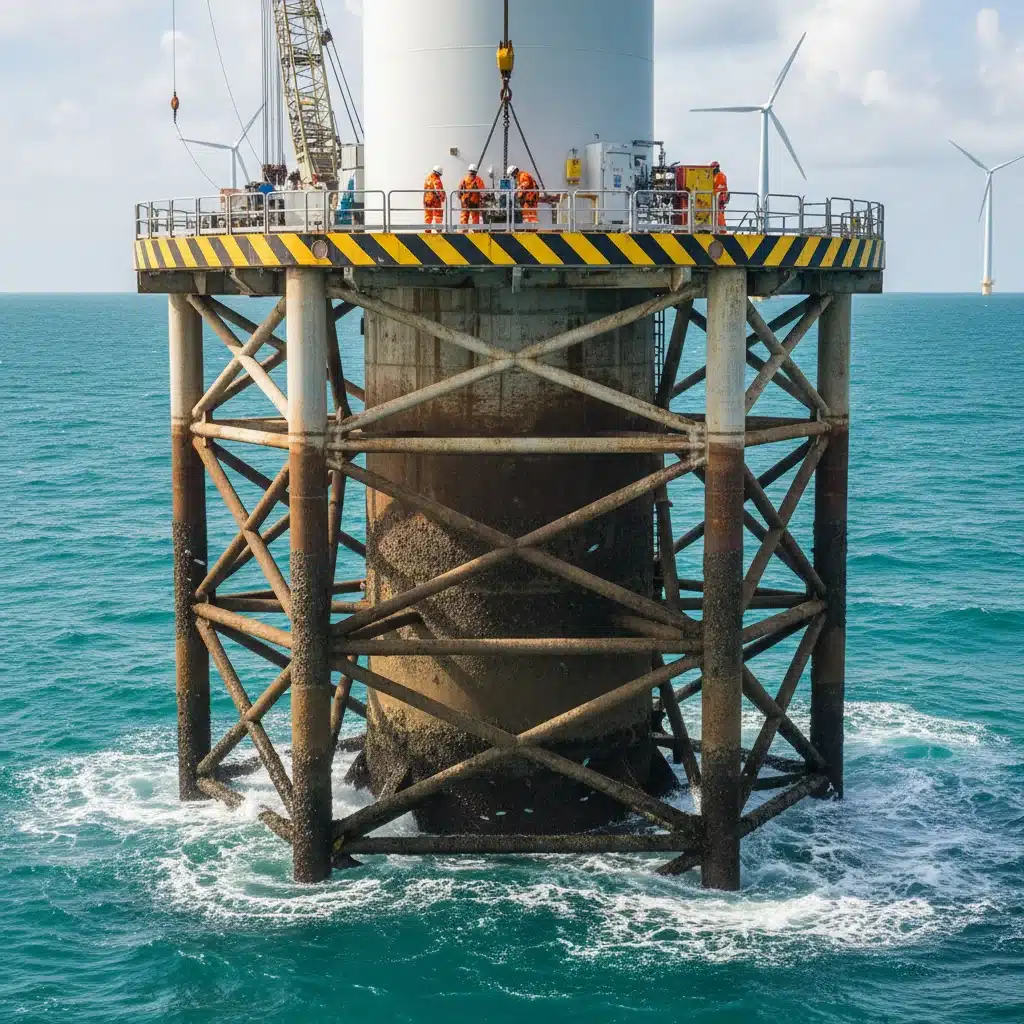
Revolution Wind represents another critical piece of the US offshore wind puzzle, poised to deliver significant renewable energy to Rhode Island and Connecticut. This project, also a collaboration between Ørsted and Eversource, is larger in scale than South Fork Wind and is set to make a substantial contribution to the energy needs of both states. Its strategic location and substantial capacity underscore its importance in achieving regional and national clean energy goals for US offshore wind 2026 and beyond.
Scope and Development Timeline
Revolution Wind will have a capacity of 704 MW, providing clean electricity to over 350,000 homes across Rhode Island and Connecticut. The project plans for approximately 65 wind turbines. Offshore construction is anticipated to ramp up significantly in 2024, with commercial operations expected by 2025-2026. This timeline positions Revolution Wind as a major contributor to the US offshore wind 2026 targets. The project involves extensive infrastructure development, including specialized vessels for turbine installation, subsea cabling, and onshore grid connections in both states.
Transformative Economic and Environmental Benefits
The economic impact of Revolution Wind is projected to be immense. It is expected to create thousands of jobs throughout its lifecycle, from manufacturing and supply chain roles to construction, operations, and maintenance. The project has already spurred significant investment in port infrastructure, particularly in Providence, Rhode Island, and New London, Connecticut, transforming these ports into vital hubs for offshore wind logistics. These investments not only support the project directly but also lay the groundwork for future offshore wind developments, creating a sustainable industry ecosystem.
In terms of environmental benefits, Revolution Wind will displace millions of tons of carbon emissions annually, playing a crucial role in helping Rhode Island and Connecticut meet their ambitious climate goals. By providing a reliable source of clean energy, it will reduce reliance on fossil fuel power plants, contributing to cleaner air and a healthier environment for coastal communities. The project also emphasizes responsible development, with comprehensive plans to mitigate potential impacts on marine ecosystems and fishing industries through extensive stakeholder engagement and scientific research.
Challenges and Opportunities in US Offshore Wind Development
While the momentum for US offshore wind 2026 is strong, the sector faces several challenges that require careful navigation. These include complex permitting processes, supply chain constraints, workforce development needs, and potential conflicts with existing ocean users, such as commercial fishing and shipping. However, each challenge also presents an opportunity for innovation, collaboration, and strategic investment.
Regulatory and Permitting Streamlining
The lengthy and intricate federal and state permitting processes have historically been a significant hurdle for offshore wind projects. Efforts are underway to streamline these procedures, with agencies like the Bureau of Ocean Energy Management (BOEM) working to accelerate reviews while maintaining rigorous environmental standards. Improved inter-agency coordination and a clearer regulatory framework are essential for ensuring that projects like Vineyard Wind 1, South Fork Wind, and Revolution Wind can proceed efficiently and meet their deadlines.
Building a Robust Supply Chain
The development of a robust domestic supply chain is critical for the long-term success and cost-effectiveness of US offshore wind. This involves investing in domestic manufacturing capabilities for turbine components, foundations, and cables, as well as developing port infrastructure capable of handling the massive components required for offshore wind farms. The projects discussed are already driving some of these investments, but further coordinated efforts are needed to reduce reliance on foreign imports and create a truly American offshore wind industry. This focus on domestic content directly supports the economic impact goals of US offshore wind 2026.
Workforce Development and Training
The rapidly expanding offshore wind sector requires a skilled workforce, from engineers and technicians to construction workers and vessel operators. Significant investments are being made in workforce development programs, vocational training, and academic partnerships to prepare the next generation of renewable energy professionals. These initiatives are crucial for ensuring that the thousands of jobs created by projects like Vineyard Wind 1, South Fork Wind, and Revolution Wind can be filled by local talent, maximizing the economic benefits for American communities.
Coexistence with Ocean Users
Ensuring the harmonious coexistence of offshore wind farms with other ocean users, particularly commercial fishing and shipping, is a paramount concern. Developers are engaging in extensive stakeholder outreach and adopting best practices to minimize impacts on marine ecosystems and traditional livelihoods. This includes careful siting, navigation corridors, and compensation programs where necessary. Collaborative research and adaptive management strategies are key to finding solutions that allow offshore wind to thrive alongside other vital ocean industries.
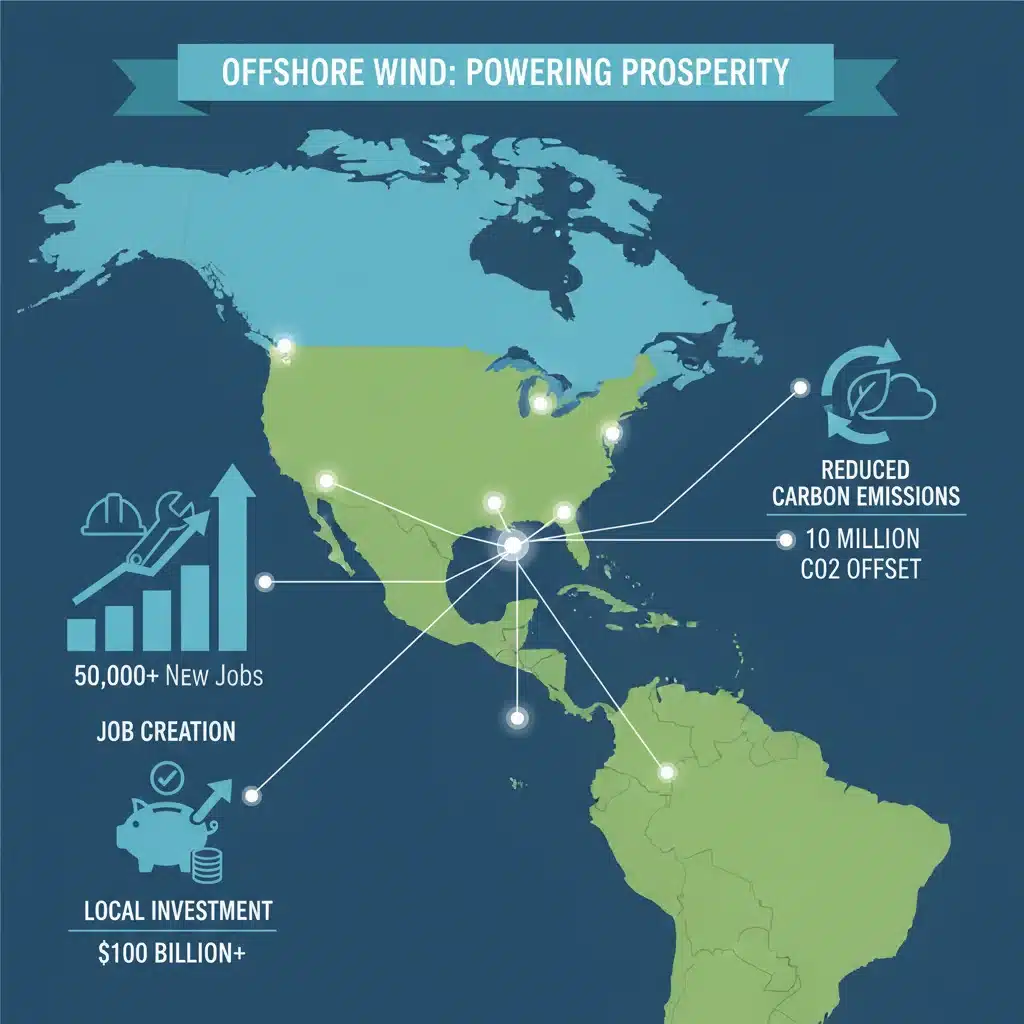
The Broader Impact of US Offshore Wind 2026
The collective progress of Vineyard Wind 1, South Fork Wind, and Revolution Wind, alongside other emerging projects, paints a compelling picture for the US offshore wind 2026 outlook. These initiatives are not merely about generating electricity; they are catalysts for a broader transformation, impacting energy policy, economic development, and environmental sustainability on a national scale.
Advancing Energy Independence and Security
By diversifying the nation’s energy portfolio and reducing reliance on volatile global energy markets, offshore wind significantly enhances energy independence and security. The consistent and abundant wind resources off the US coasts provide a reliable domestic power source, insulating the country from geopolitical disruptions and price fluctuations associated with fossil fuels. This strategic shift is a long-term benefit that extends far beyond the immediate construction and operational phases of individual projects.
Driving Technological Innovation
The demands of offshore wind development are pushing the boundaries of engineering, materials science, and digital technology. Innovations in turbine design, foundation structures, installation techniques, and grid integration are constantly emerging. The US involvement in this sector fosters a vibrant ecosystem of research and development, attracting talent and investment, and positioning the nation at the forefront of clean energy innovation. The experience gained from projects like the three discussed will be invaluable for future, even larger-scale developments.
Catalyzing Climate Action and Environmental Stewardship
Perhaps the most profound impact of US offshore wind is its contribution to climate action. Each megawatt of clean energy generated directly displaces fossil fuel generation, leading to tangible reductions in greenhouse gas emissions. This is critical for meeting national and international climate targets and mitigating the impacts of global warming. Furthermore, the industry is increasingly focused on sustainable development practices, from minimizing ecological footprints during construction to ensuring responsible decommissioning, embodying a holistic approach to environmental stewardship.
Fostering Regional Economic Growth and Equity
The strategic deployment of offshore wind projects has the potential to revitalize coastal economies, particularly in regions that have historically relied on traditional industries. By creating new, high-paying jobs and stimulating investment in port infrastructure and manufacturing, offshore wind can drive inclusive economic growth. This includes opportunities for historically underserved communities and a focus on equitable workforce development, ensuring that the benefits of the clean energy transition are broadly shared.
Looking Beyond 2026: The Future Trajectory
While our focus has been on the US offshore wind 2026 perspective, it is important to recognize that this is just the beginning. The projects currently underway are laying the foundation for a much larger and more mature industry. The federal goal of 30 GW by 2030 is ambitious but achievable, and the pipeline of future lease areas and proposed projects extends far beyond this target.
Future developments will likely see larger turbines, more advanced floating offshore wind technologies (especially for deeper waters off the West Coast), and further integration with energy storage solutions. Regional collaboration, particularly among East Coast states, will continue to be crucial for coordinated grid upgrades and shared infrastructure investments. The lessons learned from Vineyard Wind 1, South Fork Wind, and Revolution Wind will inform these next phases, leading to even more efficient, cost-effective, and environmentally responsible deployments.
The commitment to offshore wind is a long-term one, reflecting a fundamental shift in how the United States powers its future. The industry is building not just wind farms, but an entirely new energy ecosystem, with significant ripple effects across the economy and society. The trajectory is clear: US offshore wind is on an accelerating path, poised to become a dominant force in the nation’s energy landscape for decades to come.
Conclusion
The US offshore wind 2026 outlook is characterized by unprecedented growth and transformative projects. Vineyard Wind 1, South Fork Wind, and Revolution Wind are at the forefront of this revolution, demonstrating the immense potential of offshore wind to deliver clean, reliable power while creating thousands of jobs and driving significant economic investment. These projects are not without their challenges, but the industry’s commitment to innovation, collaboration, and sustainable development is paving the way for a greener, more prosperous future.
As these pioneering wind farms come online and contribute to the national grid, they will serve as powerful examples of what is possible when ambition meets dedicated effort. The transition to a clean energy economy is a monumental undertaking, but with the continued progress of US offshore wind initiatives, the nation is well on its way to achieving its climate goals and securing a sustainable energy future. The year 2026 will undoubtedly be remembered as a pivotal moment in this exciting journey.