2026 Green Building Codes: Homeowner’s Essential Guide to Updates & Compliance
Anúncios
The world is rapidly shifting towards a more sustainable future, and our homes are at the forefront of this transformation. As we inch closer to the mid-2020s, the upcoming 2026 Green Building Codes are poised to bring significant changes to how we construct, renovate, and live in our homes. For homeowners, this means understanding a new landscape of regulations, opportunities, and responsibilities. This comprehensive guide will delve deep into what these codes entail, why they matter, and how you can prepare your property to meet the new standards, ensuring a more energy-efficient, environmentally friendly, and valuable home.
The evolution of building codes is a continuous process, driven by advancements in technology, a deeper understanding of environmental impacts, and a global commitment to combating climate change. The 2026 Green Building Codes represent a major leap forward, pushing for even greater energy efficiency, reduced carbon footprints, and the integration of sustainable practices across all aspects of residential construction. Whether you’re planning a new build, a major renovation, or simply want to future-proof your existing home, grasping these upcoming changes is crucial.
What Are the 2026 Green Building Codes? An Overview
At its core, the 2026 Green Building Codes are a set of updated regulations designed to enhance the environmental performance of buildings. These codes typically stem from international frameworks like the International Green Construction Code (IgCC) or the International Energy Conservation Code (IECC), which are then adopted and often customized by individual states and municipalities. While specific details will vary by location, the general direction is clear: stricter requirements for energy consumption, water usage, material sourcing, and indoor environmental quality.
Historically, building codes have primarily focused on safety and structural integrity. However, over the past few decades, there has been a growing emphasis on sustainability. The 2026 Green Building Codes will solidify this trend, embedding green practices as standard rather than optional. This means that features once considered ‘green premiums’ will become baseline requirements, impacting everything from insulation levels and window performance to HVAC systems and renewable energy integration.
Key Pillars of the 2026 Green Building Codes
To understand the practical implications, it’s helpful to break down the 2026 Green Building Codes into their core components:
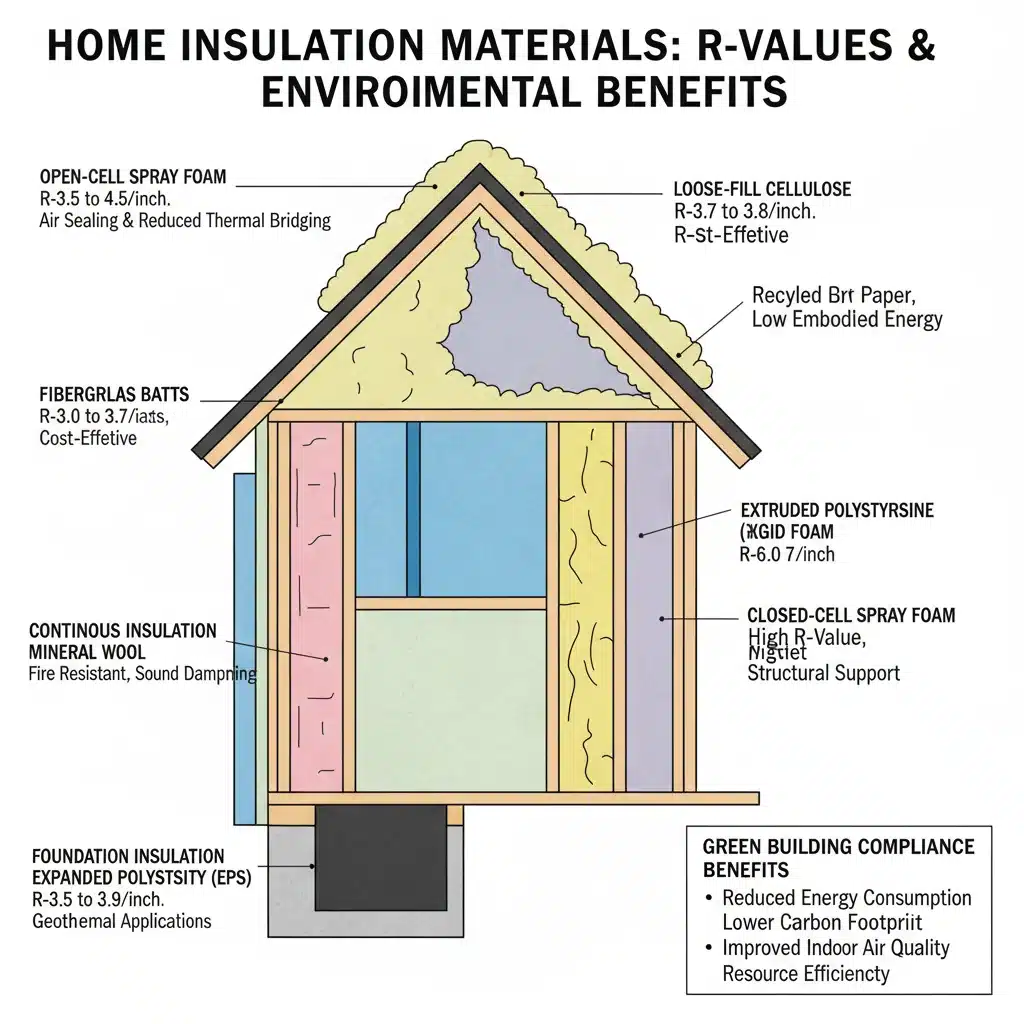
- Enhanced Energy Efficiency: This is arguably the most significant aspect. Expect more stringent requirements for building envelopes (walls, roofs, floors), higher insulation R-values, better window U-factors, and reduced air leakage. The goal is to minimize energy demand for heating and cooling.
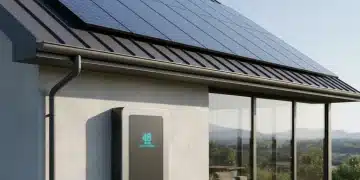
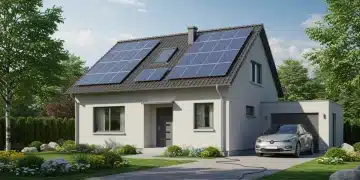
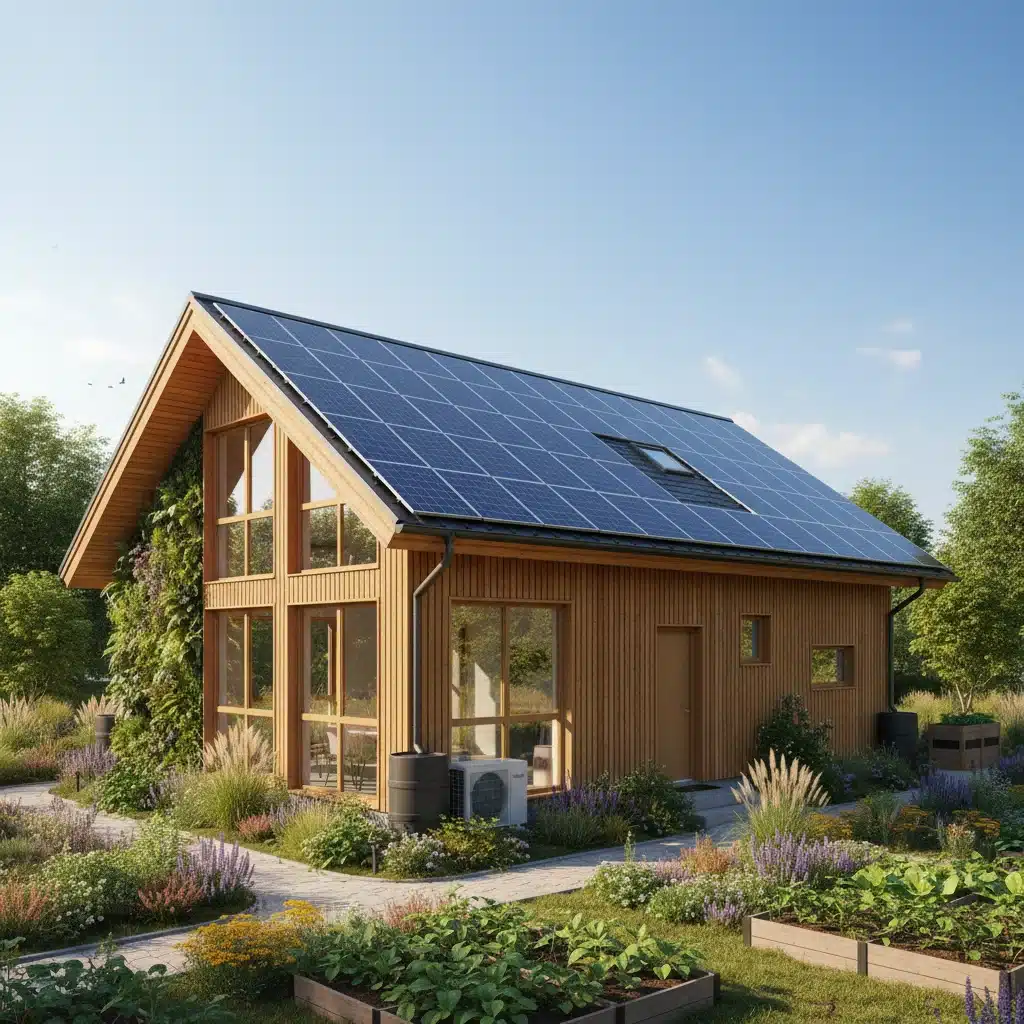
- Renewable Energy Integration: There will be a stronger push, and in some cases mandates, for on-site renewable energy generation, primarily solar photovoltaics (PV). This could include requirements for solar-ready roofs or even minimum PV system sizes for new constructions.
- Water Conservation: Codes will likely address both indoor and outdoor water use. This includes requirements for low-flow fixtures, efficient irrigation systems, and potentially rainwater harvesting or greywater recycling.
- Sustainable Materials: A focus on materials with lower embodied energy, recycled content, and those sourced responsibly. This might involve criteria for lumber, concrete, insulation, and finishes.
- Improved Indoor Environmental Quality (IEQ): Beyond energy, the codes will continue to emphasize healthier indoor spaces through better ventilation, reduced volatile organic compound (VOC) emissions from building materials, and improved daylighting.
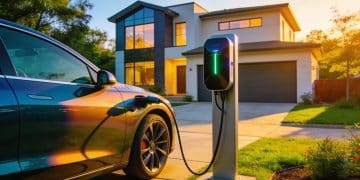
- Electric Vehicle (EV) Charging Infrastructure: With the rise of EVs, many codes are beginning to mandate EV-ready or EV-capable infrastructure in new residential constructions.
Why the 2026 Green Building Codes Matter to Homeowners
The upcoming 2026 Green Building Codes aren’t just for builders and developers; they have direct and significant implications for every homeowner. Understanding these impacts can help you make informed decisions about your property, whether you’re buying, selling, renovating, or simply maintaining your home.
Financial Benefits: Savings and Value
One of the most immediate benefits of homes built or renovated to the 2026 Green Building Codes is the potential for significant cost savings. More efficient homes consume less energy, leading to lower utility bills for heating, cooling, and hot water. Over the lifespan of your home, these savings can amount to tens of thousands of dollars.
Furthermore, green homes tend to have higher resale values. As energy costs rise and environmental awareness grows, buyers are increasingly willing to pay a premium for properties that are energy-efficient and sustainable. A home compliant with the 2026 Green Building Codes will be more attractive in the market, offering a competitive edge and potentially faster sales.
Environmental Impact: A Greener Footprint
Beyond personal savings, adhering to the 2026 Green Building Codes contributes to a larger environmental good. By reducing energy consumption, homes lower their carbon emissions, helping to combat climate change. Water conservation efforts ease the strain on local water resources, and the use of sustainable materials reduces waste and supports responsible forestry and manufacturing practices. Homeowners become active participants in creating a more sustainable future.
Comfort and Health: A Better Living Environment
Homes designed under the 2026 Green Building Codes are often more comfortable and healthier. Improved insulation and air sealing lead to more consistent indoor temperatures, eliminating drafts and cold spots. Enhanced ventilation systems ensure better air quality, reducing pollutants and allergens. The focus on low-VOC materials contributes to a healthier indoor environment, particularly beneficial for individuals with allergies or respiratory issues.
Future-Proofing Your Investment
As climate change policies evolve and energy prices fluctuate, a home built to higher standards like the 2026 Green Building Codes is better prepared for the future. It’s less susceptible to rising energy costs and more likely to meet future regulatory requirements, protecting your investment for the long term. This foresight can prevent costly retrofits down the line.
Insider Knowledge: Recent Updates and Trends in Green Building
The landscape of green building is dynamic, with constant innovation and evolving best practices. Staying informed about recent updates and emerging trends provides valuable insider knowledge that can help homeowners navigate the 2026 Green Building Codes effectively.
Performance-Based vs. Prescriptive Codes
A significant trend in building codes, including those leading up to 2026, is a shift from purely prescriptive requirements (e.g., ‘install R-38 insulation’) to more performance-based approaches (e.g., ‘achieve a total energy consumption of X kWh/year’). Performance-based codes offer greater flexibility, allowing builders and homeowners to choose the most cost-effective and innovative ways to meet overall energy efficiency targets. This often involves energy modeling and testing (like blower door tests) to verify actual performance.
Electrification of Homes
A major push in green building is the full electrification of homes. This means moving away from fossil fuels (natural gas, propane, oil) for heating, water heating, and cooking, and instead using highly efficient electric appliances like heat pumps for HVAC and water heating, and induction cooktops. The rationale is that electricity can be generated from renewable sources, making the home’s energy consumption truly zero-carbon. Expect the 2026 Green Building Codes to increasingly favor or even mandate electrification in certain areas.
Embodied Carbon Considerations
Beyond operational energy (the energy used to run a home), there’s a growing focus on embodied carbon – the greenhouse gas emissions associated with the manufacturing, transportation, installation, and disposal of building materials. While direct mandates might not be widespread by 2026, awareness and voluntary adoption of low-embodied carbon materials will influence material choices, pushing for more sustainable concrete, steel, insulation, and finishes.
Smart Home Technology Integration
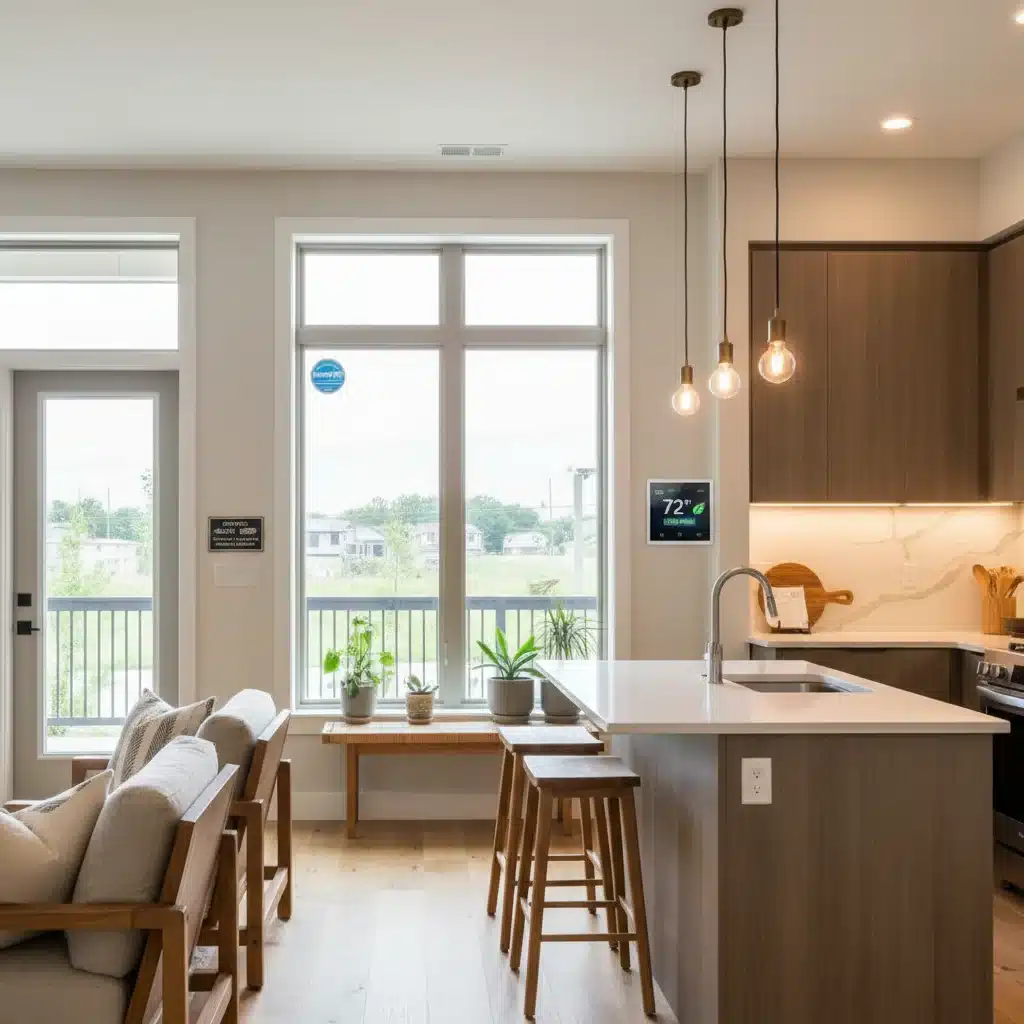
Smart home technologies play a crucial role in achieving the goals of the 2026 Green Building Codes. Smart thermostats, energy monitoring systems, automated lighting, and smart appliances can optimize energy use in real-time, providing homeowners with data and control to further reduce their environmental footprint and save money. Codes may encourage or require certain smart home readiness features.
Preparing Your Home for the 2026 Green Building Codes: A Homeowner’s Action Plan
Whether you’re planning a new construction or looking to upgrade your existing home, proactive steps can help you align with the spirit and requirements of the 2026 Green Building Codes. Here’s an action plan:
For New Construction
- Engage Green-Minded Professionals: Work with architects, builders, and energy consultants who are knowledgeable about sustainable design and the latest green building codes. They can guide you through the process and ensure compliance.
- Prioritize the Building Envelope: Invest in high-performance insulation, advanced windows and doors, and meticulous air sealing. A tight, well-insulated envelope is the foundation of an energy-efficient home and will be central to the 2026 Green Building Codes.
- Consider Renewable Energy: Plan for solar PV from the outset. Even if not immediately installing panels, ensure your roof is solar-ready (structurally sound for panels, conduit for wiring).
- Choose Efficient Systems: Opt for high-efficiency HVAC systems (like heat pumps), heat pump water heaters, and energy-efficient appliances.
- Incorporate Water-Saving Measures: Select low-flow fixtures, consider drought-tolerant landscaping, and explore rainwater harvesting for irrigation.
- Plan for EV Charging: Install a dedicated 240V circuit in your garage or driveway for future EV charging.
For Existing Homes: Retrofits and Renovations
Upgrading an existing home to meet the spirit of the 2026 Green Building Codes can significantly improve its performance and value. Here’s where to focus:
- Energy Audit: Start with a professional home energy audit. This will identify where your home is losing energy and pinpoint the most cost-effective upgrades.
- Improve Insulation and Air Sealing: This is often the most impactful upgrade. Add insulation to attics, walls, and crawl spaces, and seal air leaks around windows, doors, and utility penetrations.
- Upgrade Windows and Doors: Replace old, inefficient windows and doors with ENERGY STAR-rated models.
- Update HVAC Systems: Replace old furnaces and air conditioners with high-efficiency heat pumps. Consider upgrading your water heater to a heat pump water heater.
- Install Solar Panels: If your roof is suitable, adding solar panels can drastically reduce your electricity bills and carbon footprint.
- Water-Saving Fixtures: Replace old toilets, showerheads, and faucets with low-flow alternatives.
- Smart Thermostats and Controls: Install smart thermostats and consider other smart home devices to optimize energy use.
Navigating Local Regulations and Incentives
While the 2026 Green Building Codes provide a general direction, the specifics of adoption and enforcement will vary significantly by location. It’s crucial for homeowners to:
- Check Local Building Departments: Contact your city or county building department to understand the specific codes that will be in effect in your area by 2026. They can provide detailed information on requirements for new construction and major renovations.
- Research State and Federal Incentives: Many governments offer tax credits, rebates, or grants for energy-efficient home improvements, solar panel installations, and other green building practices. These incentives can significantly offset the initial costs of upgrades. Resources like the Department of Energy’s website or local utility companies are good starting points.
- Consult with Local Experts: Architects, contractors, and energy auditors familiar with local regulations and climate conditions can provide invaluable guidance.
Staying informed about the specific requirements and available support in your region is key to successfully adapting to the 2026 Green Building Codes.
The Future of Homeownership: Embracing Sustainability
The impending 2026 Green Building Codes are more than just a set of rules; they represent a societal commitment to a more sustainable future. For homeowners, this shift brings both challenges and immense opportunities. The challenges lie in adapting to new standards and potentially higher upfront costs for certain materials and systems. However, the opportunities are far greater: lower operating costs, increased home value, enhanced comfort and health, and the satisfaction of contributing to environmental preservation.
Embracing the principles behind the 2026 Green Building Codes means making conscious choices about how we build and live. It’s about investing in the long-term health of our planet and our personal finances. As these codes come into full effect, homes will become more resilient, more efficient, and more aligned with the ecological needs of our time. By taking proactive steps now, homeowners can ensure their properties are not just compliant, but also thriving examples of sustainable living.
The journey towards a greener home is continuous. As technologies advance and our understanding of sustainability deepens, so too will our building practices. The 2026 Green Building Codes are a significant milestone on this journey, guiding us towards homes that are not only beautiful and functional but also responsible stewards of our planet’s resources. Prepare now, and build a better future, one home at a time.