Analyzing the 2026 Q3 Grid Stability Reports: Key Findings for Renewable Integration Across the U.S.
The energy landscape of the United States is undergoing a profound transformation, driven by an accelerating shift towards renewable energy sources. As we move deeper into the 21st century, the imperative to decarbonize our electricity sector becomes increasingly urgent, pushing the boundaries of what our existing infrastructure can handle. The third quarter of 2026 has brought forth a critical series of grid stability reports, offering invaluable insights into the current state of renewable integration across the U.S. These reports are not merely technical documents; they are a barometer of our collective progress, highlighting both the triumphs and the formidable challenges in building a resilient, sustainable, and truly green energy future. Understanding the nuances of these findings is paramount for policymakers, industry stakeholders, and the general public alike, as they directly impact energy security, economic stability, and environmental health.
The concept of grid stability renewable integration is at the core of this ongoing transition. It refers to the ability of the electrical grid to maintain continuous service under various conditions, even as a growing proportion of its power comes from intermittent sources like solar and wind. This balance is delicate and complex, requiring sophisticated planning, advanced technologies, and robust regulatory frameworks. The 2026 Q3 reports provide a snapshot of how well different regions of the U.S. are managing this integration, identifying areas of success and pinpointing critical vulnerabilities that demand immediate attention. This article will delve deep into these reports, dissecting the key findings and exploring their implications for the future of renewable energy in America.
Understanding the Context: The Evolving U.S. Energy Landscape
Before we dissect the 2026 Q3 reports, it’s essential to contextualize the current energy landscape. The past decade has witnessed unprecedented growth in renewable energy capacity. Solar and wind power, once niche technologies, are now mainstream contributors to the national grid. This rapid expansion is a testament to technological advancements, declining costs, and supportive policies. However, this growth also introduces significant operational challenges for grid operators. Traditional power grids were designed around centralized, dispatchable fossil fuel plants, offering predictable output. Renewables, by contrast, are distributed and variable, dependent on weather patterns. This fundamental difference necessitates a paradigm shift in grid management, requiring innovative solutions for energy storage, demand-side management, and advanced forecasting.
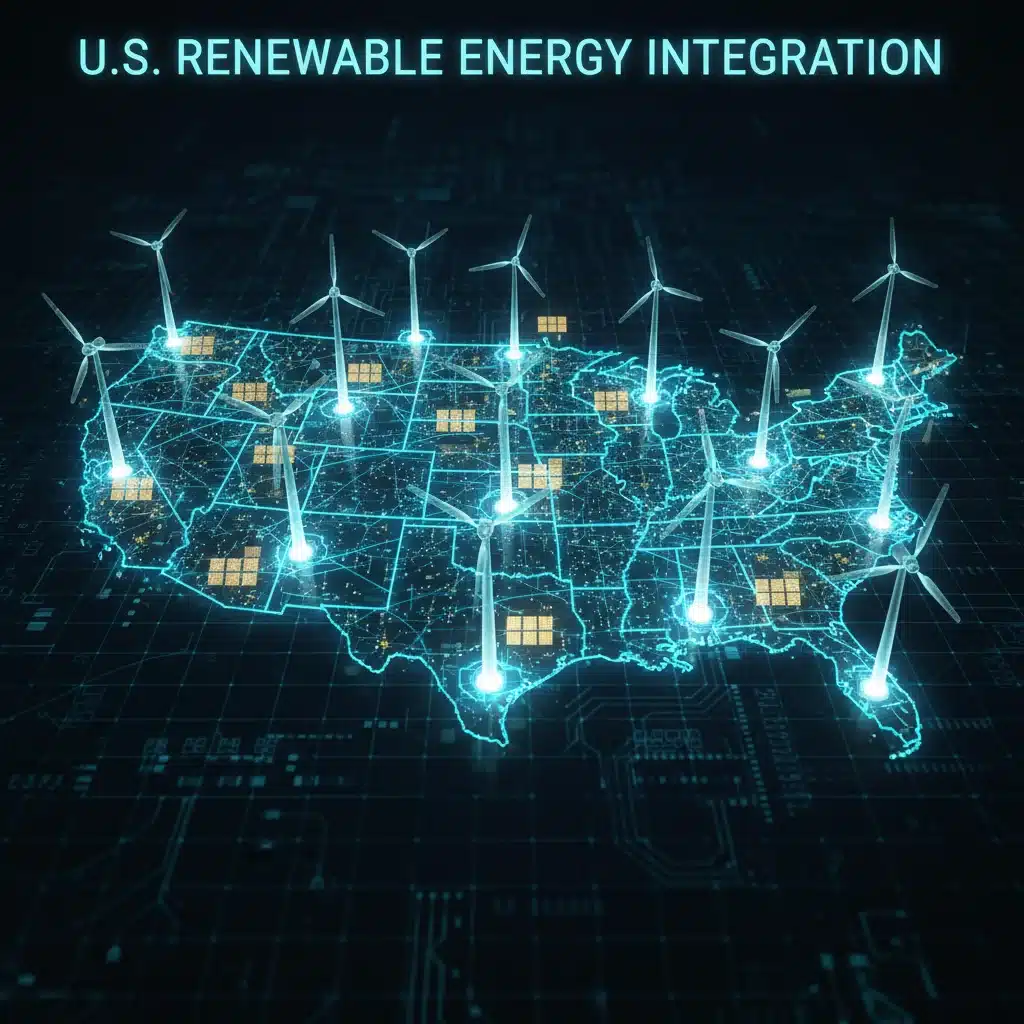
The U.S. has a diverse set of regional grids, each with its unique characteristics, regulatory environments, and renewable energy penetration levels. From the vast wind farms of the Midwest to the sun-drenched solar installations of the Southwest, the integration challenges vary significantly. These regional differences are crucial to understanding the composite picture presented by the 2026 Q3 reports. Some regions, with proactive investments in smart grid technologies and energy storage, are demonstrating impressive progress in maintaining grid stability renewable integration. Others are grappling with legacy infrastructure, regulatory hurdles, and a lack of coordinated planning, leading to more pronounced challenges.
Furthermore, the increasing frequency and intensity of extreme weather events, exacerbated by climate change, add another layer of complexity. These events test the resilience of the grid, often leading to widespread outages. Integrating renewables effectively is not just about reducing carbon emissions; it’s also about building a more resilient and decentralized energy system that can withstand future shocks. The 2026 Q3 reports meticulously detail how various regions are performing under these multifaceted pressures, offering a crucial baseline for future planning and investment.
Key Findings from the 2026 Q3 Reports: Regional Performance and Trends
Northeast Region: Navigating High Demand and Aging Infrastructure
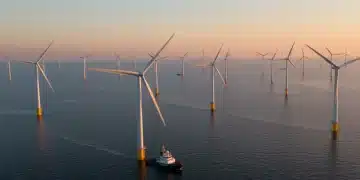
The Northeast, characterized by densely populated urban centers and a commitment to decarbonization, continues to face unique challenges in achieving optimal grid stability renewable integration. The 2026 Q3 reports indicate that while renewable capacity has grown steadily, particularly offshore wind and distributed solar, the region’s aging transmission infrastructure remains a significant bottleneck. Congestion on key transmission lines frequently limits the full utilization of renewable generation, leading to curtailment events where clean energy is wasted because it cannot be delivered to load centers. The reports highlight a critical need for accelerated investment in grid modernization, including new high-voltage direct current (HVDC) lines and advanced grid control systems. Furthermore, the reliance on natural gas peaker plants to manage peak demand, despite growing renewable penetration, underscores the ongoing need for robust energy storage solutions. The Q3 data shows that while some states are making headway with battery storage projects, the scale is not yet sufficient to fully displace fossil fuel dependency during periods of high demand or low renewable output.
Southeast Region: Balancing Growth with Renewable Ambitions
The Southeast presents a mixed bag of results in the 2026 Q3 reports. States like Florida and Georgia are seeing substantial increases in utility-scale solar installations, contributing significantly to their energy mix. However, the reports point to a slower pace of transmission expansion and inter-regional cooperation compared to other parts of the country. This has led to localized instances of grid instability, particularly during periods of rapid solar ramp-up or ramp-down. The challenge here is not just about adding renewable capacity, but ensuring the grid infrastructure can gracefully accommodate these new sources. The reports emphasize the importance of robust grid planning that anticipates future renewable growth and integrates it seamlessly. Furthermore, the Q3 data indicates a nascent but growing interest in energy storage, though significant investment is still required to truly enhance grid stability renewable integration across the region. Policy frameworks that incentivize distributed energy resources and microgrids could play a crucial role in enhancing resilience and reducing reliance on centralized generation.
Midwest Region: Leveraging Wind Power, Addressing Variability
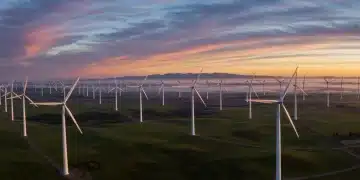
The Midwest, a powerhouse of wind energy, continues to lead the nation in wind generation capacity. The 2026 Q3 reports commend the region’s efforts in integrating large-scale wind farms, but also flag the persistent challenge of managing wind variability. The intermittency of wind power necessitates flexible resources, and while natural gas plants currently provide much of this flexibility, there’s a growing recognition of the need for more diverse solutions. The reports highlight promising developments in grid-enhancing technologies (GETs) that optimize existing transmission lines, allowing for greater throughput of wind energy. Additionally, the Q3 data reveals increasing investments in inter-regional transmission projects aimed at sharing renewable resources more effectively across a wider geographic area, thereby smoothing out localized variability. However, significant work remains in developing robust forecasting models and deploying sufficient energy storage to fully capitalize on the Midwest’s vast wind potential while maintaining impeccable grid stability renewable integration.
Southwest Region: Solar Dominance and Storage Imperatives
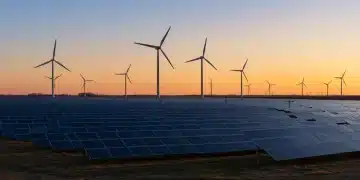
Unsurprisingly, the Southwest continues to be a leader in solar energy, with the 2026 Q3 reports showcasing impressive solar photovoltaic (PV) deployment. However, the region is also confronting the ‘duck curve’ phenomenon head-on, where high midday solar generation leads to oversupply, followed by a steep ramp-up of conventional generation as the sun sets. The reports indicate that significant strides are being made in deploying utility-scale battery storage, with several large projects coming online in Q3. These storage solutions are proving vital in shifting excess solar energy to evening peak demand periods, thereby improving grid stability renewable integration. Despite this progress, the reports caution that the pace of storage deployment needs to accelerate further to keep up with the projected growth in solar capacity. Furthermore, the Q3 data points to the increasing importance of demand-side management programs, empowering consumers to adjust their energy consumption patterns to align with renewable availability, thus reducing strain on the grid during critical hours.
Northwest Region: Hydropower’s Role and Emerging Renewables
The Northwest, traditionally reliant on its abundant hydropower resources, is steadily integrating other renewables, particularly wind and geothermal. The 2026 Q3 reports highlight hydropower’s unique role as a flexible, dispatchable resource that can help balance intermittent wind and solar. However, the reports also note the increasing pressures on hydropower due to changing climate patterns, affecting water availability. This underscores the need for diversification. The Q3 data shows a growing interest in regional energy markets that allow for efficient trading of renewable power, optimizing resource utilization across states. While the region generally demonstrates good grid stability renewable integration, the reports emphasize the need for continued investment in transmission upgrades to facilitate the movement of renewable energy from remote generation sites to load centers, and to enhance grid resilience against potential climate impacts on hydropower.

Technological Advancements and Their Impact on Grid Stability
The success of grid stability renewable integration is inextricably linked to continuous innovation in energy technology. The 2026 Q3 reports underscore the pivotal role of several emerging and maturing technologies:
- Advanced Energy Storage Systems: Beyond lithium-ion batteries, the reports mention pilot projects involving flow batteries, compressed air energy storage (CAES), and even hydrogen-based storage solutions. These diverse storage options offer varying durations and capacities, crucial for addressing different grid needs, from short-term frequency regulation to long-duration seasonal storage. The Q3 data indicates a clear trend towards larger, more sophisticated storage deployments across all regions.
- Smart Grid Technologies: Digitalization of the grid is accelerating. The reports detail the expansion of advanced metering infrastructure (AMI), real-time data analytics, and artificial intelligence (AI)-driven forecasting tools. These technologies provide grid operators with unprecedented visibility and control, enabling them to anticipate and respond to fluctuations introduced by renewables more effectively. This enhanced situational awareness is fundamental for maintaining grid stability renewable integration.
- Grid-Enhancing Technologies (GETs): Technologies like dynamic line ratings (DLR), flexible alternating current transmission systems (FACTS), and advanced power flow controllers are proving instrumental in optimizing the use of existing transmission infrastructure. By allowing lines to carry more power when conditions permit, GETs can defer costly new transmission construction and more efficiently integrate remote renewable generation. The Q3 reports highlight successful implementations of GETs in several congested regions.
- Distributed Energy Resources (DERs) Management: The proliferation of rooftop solar, electric vehicles (EVs), and smart appliances creates both challenges and opportunities. The reports emphasize the development of sophisticated DER management systems (DERMS) that can aggregate and control these distributed assets, turning them into virtual power plants that contribute to grid stability. This decentralized approach is a game-changer for grid stability renewable integration.
- Hydrogen as an Energy Carrier: While still in early stages, the Q3 reports mention increasing research and development into green hydrogen production using excess renewable electricity. Hydrogen could serve as a long-duration energy storage medium and a clean fuel for hard-to-decarbonize sectors, potentially playing a significant role in future grid balancing and renewable integration strategies.
Challenges and Recommendations for Future Renewable Integration
Despite the significant progress, the 2026 Q3 reports also highlight persistent challenges and offer crucial recommendations for accelerating and securing future grid stability renewable integration:
Transmission Expansion and Modernization
The most recurring theme across all regional reports is the urgent need for expanded and modernized transmission infrastructure. Permitting processes for new lines are often protracted, and inter-state coordination remains complex. Recommendations include streamlining federal and state permitting, establishing regional transmission organizations (RTOs) with greater authority, and incentivizing inter-regional transmission projects that can unlock vast renewable resources. Without robust transmission, even the most abundant renewable energy will remain stranded.
Market Reforms and Regulatory Frameworks
Current electricity markets were largely designed for a fossil fuel-dominated grid. The 2026 Q3 reports suggest that market mechanisms need to evolve to better value the unique attributes of renewables and complementary technologies like storage and demand response. This includes creating more flexible market products, enhancing price signals for grid services, and reforming interconnection queues that often delay renewable projects. Regulatory certainty and supportive policies are critical to attracting the necessary investment for continued grid stability renewable integration.
Enhanced Forecasting and Operational Tools
As renewable penetration grows, the accuracy of weather and load forecasting becomes paramount. The reports call for continued investment in advanced meteorological models, machine learning algorithms, and real-time data acquisition systems to improve prediction capabilities. Furthermore, grid operators need more sophisticated operational tools, including advanced power flow controls and dynamic stability analysis software, to manage the increased complexity of a high-renewable grid. Training for grid operators in these new tools and methodologies is also a key recommendation.
Cybersecurity and Physical Security
A digitized and interconnected grid, while offering immense benefits for grid stability renewable integration, also presents a larger attack surface for cyber threats. The 2026 Q3 reports dedicate significant sections to the escalating importance of cybersecurity protocols and physical security measures for critical energy infrastructure. Recommendations include robust threat intelligence sharing, mandatory security audits, and continuous investment in resilient control systems to protect against both state-sponsored and criminal attacks.
Community Engagement and Equity
The transition to a clean energy economy must be equitable and inclusive. The reports emphasize the importance of meaningful community engagement in siting new renewable projects and transmission lines. Addressing local concerns, ensuring fair compensation, and providing economic benefits to host communities can accelerate project development and foster public support for grid stability renewable integration. Furthermore, policies should actively work to ensure that the benefits of clean energy, such as lower energy costs and cleaner air, are accessible to all socioeconomic groups.
The Economic and Environmental Benefits of Strong Renewable Integration
Achieving robust grid stability renewable integration is not merely a technical exercise; it carries profound economic and environmental benefits. Environmentally, the reduction in reliance on fossil fuels directly translates to lower greenhouse gas emissions, improved air quality, and a significant step towards mitigating climate change. The 2026 Q3 reports implicitly reinforce that every successfully integrated megawatt of renewable energy contributes to a healthier planet.
Economically, the benefits are multi-faceted. Increased renewable energy deployment stimulates job creation in manufacturing, installation, and maintenance sectors. Lower operational costs of renewables, once built, can lead to more stable and potentially lower electricity prices for consumers over the long term, reducing exposure to volatile fossil fuel markets. Furthermore, a diversified energy mix enhances energy independence and security, making the nation less vulnerable to geopolitical disruptions impacting fuel supplies. Investment in advanced grid technologies and infrastructure also fosters innovation and creates new economic opportunities. The ability to smoothly manage grid stability renewable integration positions the U.S. as a leader in the global clean energy transition, attracting further investment and talent.
The reports also touch upon the concept of grid resilience. A grid that can seamlessly integrate distributed renewables and storage is inherently more resilient to large-scale disruptions, whether from natural disasters or malicious attacks. By decentralizing power generation and incorporating smart grid technologies, the overall system becomes more robust and capable of self-healing, minimizing the duration and impact of outages. This enhanced resilience translates into significant economic savings by avoiding the costs associated with power interruptions and accelerating recovery efforts.
Looking Ahead: The Path to a Fully Integrated Renewable Grid
The 2026 Q3 Grid Stability Reports paint a picture of a nation actively engaged in a monumental energy transition. While significant progress has been made in demonstrating the feasibility of high levels of grid stability renewable integration, the reports also serve as a stark reminder of the challenges that lie ahead. The path to a fully integrated, predominantly renewable grid is not linear; it requires continuous innovation, substantial investment, and unwavering political will.
Future quarters will undoubtedly bring new data and new insights, but the foundational recommendations from these Q3 reports will likely remain pertinent. Continued focus on transmission expansion, market reforms, technological advancements in storage and grid management, and robust cybersecurity measures will be critical. Furthermore, fostering greater collaboration between federal agencies, state governments, utilities, and communities will be essential to overcome the fragmented nature of the U.S. energy system.
The vision of a clean, reliable, and affordable energy future powered by renewables is within reach. The 2026 Q3 reports provide a clear roadmap, highlighting both the successes to build upon and the critical areas that demand our collective attention. By addressing these challenges proactively and strategically, the United States can solidify its leadership in the global clean energy transition, ensuring a sustainable and prosperous future for generations to come. The journey of grid stability renewable integration is complex, but the rewards—a healthier planet, a more resilient economy, and energy independence—are immeasurable.