2026 U.S. Energy Policy: Green Hydrogen Subsidy Changes & Impact
Anúncios
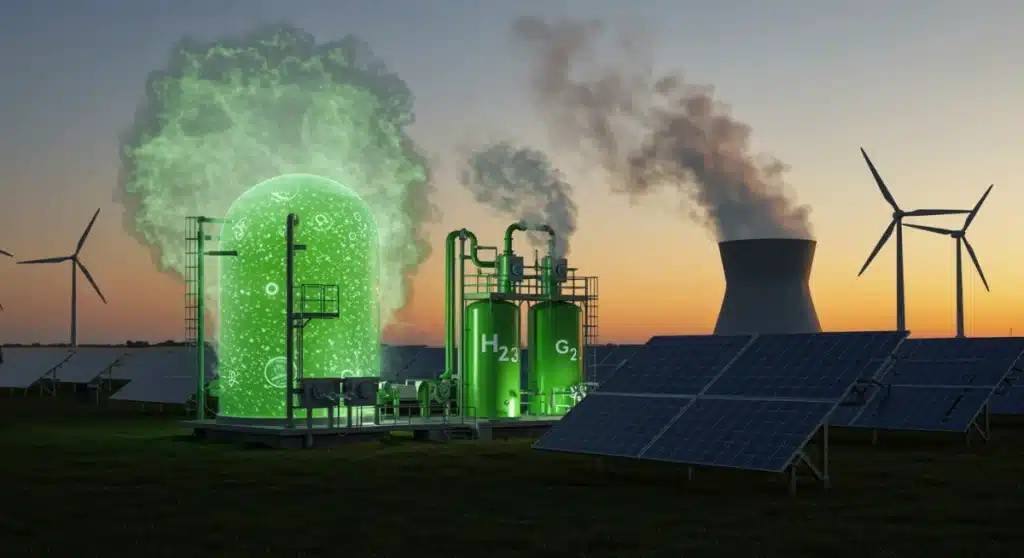
The 2026 U.S. energy policy landscape is undergoing significant changes, particularly concerning green hydrogen subsidies, which are poised to reshape the clean energy sector and accelerate decarbonization efforts nationwide.
The year 2026 marks a pivotal moment for the U.S. energy sector, as the nation grapples with evolving climate goals and the urgent need for sustainable solutions. A deep dive into the 2026 U.S. energy policy landscape reveals a complex interplay of regulatory shifts, technological advancements, and economic imperatives, particularly in the burgeoning field of green hydrogen development. This analysis aims to dissect the anticipated subsidy changes and their far-reaching effects on the trajectory of clean energy in America.
Understanding the 2026 U.S. Energy Policy Framework
The U.S. energy policy in 2026 is shaped by a confluence of environmental targets, economic pressures, and geopolitical considerations. A central theme is the accelerated transition away from fossil fuels, driven by commitments to reduce greenhouse gas emissions and enhance energy independence. This broader framework provides the context for specific policy adjustments related to emerging clean technologies, with green hydrogen at the forefront.
Policy makers are increasingly recognizing green hydrogen as a crucial element in decarbonizing hard-to-abate sectors such as heavy industry, long-haul transportation, and aviation. The existing legislative landscape, including the Inflation Reduction Act (IRA) and other foundational energy laws, serves as the bedrock upon which 2026 policy modifications are being built. These modifications aim to refine incentives, streamline regulatory processes, and foster a robust domestic supply chain for green hydrogen production and deployment.
Key Legislative Drivers
- Inflation Reduction Act (IRA) Evolution: While enacted previously, the IRA’s provisions, especially the 45V production tax credit for clean hydrogen, are subject to ongoing interpretation and potential adjustments in 2026. These clarifications will significantly impact investment decisions.
- Bipartisan Infrastructure Law (BIL) Implementation: The BIL continues to fund regional clean hydrogen hubs and demonstration projects, with 2026 seeing further allocation and operationalization of these initiatives, creating critical infrastructure.
- State-Level Initiatives: Numerous states are developing their own complementary policies and incentives, creating a patchwork of support that influences project viability and location decisions nationwide.
The overall policy direction emphasizes both environmental stewardship and economic competitiveness. The goal is not merely to reduce carbon emissions but also to position the U.S. as a global leader in clean energy innovation and manufacturing. This dual objective underpins many of the anticipated changes and their expected impact on the green hydrogen sector.
Green Hydrogen: A Cornerstone of Future Energy
Green hydrogen, produced through electrolysis powered by renewable electricity, is increasingly viewed as a critical component of a fully decarbonized energy system. Its versatility allows for storage of renewable energy, use as a clean fuel, and as a feedstock for various industrial processes. The 2026 U.S. energy policy landscape is particularly focused on scaling up green hydrogen production and ensuring its economic viability.
The technical challenges associated with green hydrogen production, storage, and transportation are significant, yet ongoing research and development efforts are yielding promising results. Innovations in electrolyzer technology, materials science, and energy integration are continuously improving efficiency and reducing costs. This technological progression is crucial for green hydrogen to compete effectively with fossil fuel alternatives.
Production Pathways and Applications
- Electrolysis from Renewables: The primary method for green hydrogen, utilizing wind, solar, and hydro power to split water. Policy aims to expand renewable energy capacity to support this.
- Industrial Decarbonization: Green hydrogen can replace fossil fuels in steel, ammonia, and chemical production, offering a direct path to reduce significant industrial emissions.
- Fuel Cell Technology: Development of advanced fuel cells for heavy-duty vehicles, maritime transport, and even aviation is a key application area, supported by targeted incentives.
As the U.S. moves towards a more resilient and sustainable energy future, green hydrogen’s role is expected to expand beyond niche applications. The strategic importance of green hydrogen lies in its ability to provide a flexible and dispatchable energy carrier, bridging the gap between intermittent renewable energy sources and constant energy demand. This makes it an indispensable tool for achieving ambitious decarbonization targets.
Anticipated Subsidy Changes in 2026
The core of the 2026 U.S. energy policy discussion revolves around potential adjustments to the subsidy mechanisms supporting green hydrogen. While the existing framework has provided a strong foundation, stakeholders anticipate refinements designed to optimize investment, accelerate deployment, and ensure long-term market stability. These changes could manifest in various forms, from modifications to existing tax credits to the introduction of new grant programs or regulatory incentives.
One of the most keenly watched aspects is the potential for further guidance or alteration to the 45V production tax credit. The initial interpretation of this credit, particularly regarding hourly matching of renewable electricity and additionality requirements, has sparked considerable debate. Clarity and potential flexibility in these rules could significantly de-risk projects and unlock substantial private investment. The aim is to strike a balance between ensuring genuine emissions reductions and fostering rapid industry growth.
Potential Subsidy Modifications
- 45V Tax Credit Refinements: Expect potential adjustments to hourly matching and additionality rules to provide more flexibility for project developers while maintaining environmental integrity.
- Investment Tax Credit (ITC) Expansion: There might be an expansion or clarification of the ITC for electrolyzer manufacturing and associated infrastructure, incentivizing domestic production capabilities.
- Grant Program Prioritization: New grant programs or re-prioritization of existing ones could focus on specific green hydrogen applications, such as maritime fuel or industrial heat, addressing particular market gaps.
These anticipated subsidy changes are not merely bureaucratic adjustments; they represent strategic levers designed to fine-tune the market signals for green hydrogen. The goal is to create an environment where green hydrogen projects are not only environmentally beneficial but also economically competitive without perpetual reliance on government support. This transition period is crucial for setting the industry on a sustainable growth path.
Impact on Green Hydrogen Development and Investment
The subsidy changes expected in 2026 will have a profound impact on the pace and scale of green hydrogen development across the U.S. Clarity and predictability in policy are paramount for attracting the significant capital investment required to build out the necessary infrastructure. A stable and supportive regulatory environment can unlock billions in private funding, accelerating project timelines and fostering innovation.
Conversely, any perceived instability or overly stringent requirements could deter investors, slowing down the deployment of crucial technologies. The investment community is closely monitoring policy developments, as these directly influence risk assessments and expected returns on green hydrogen ventures. Long-term certainty is particularly important for large-scale projects with extended development cycles.
Investment Trends and Market Dynamics
- Capital Influx: Clearer, more favorable subsidy terms are expected to trigger a fresh wave of capital influx into green hydrogen projects, from venture capital to institutional investors.
- Supply Chain Acceleration: Incentives for domestic manufacturing of electrolyzers and other components will strengthen the U.S. supply chain, reducing reliance on foreign imports and creating jobs.
- Regional Hub Growth: The continued funding and strategic placement of hydrogen hubs will create localized ecosystems, fostering collaboration between industry, academia, and government.
The impact extends beyond direct financial investment; it also influences market dynamics, technological adoption rates, and the competitiveness of U.S. green hydrogen on a global scale. A well-crafted policy framework can establish the U.S. as a leader in the global hydrogen economy, driving exports of technology and expertise. The economic benefits, including job creation and industrial revitalization, are significant drivers behind these policy considerations.
Challenges and Opportunities for Green Hydrogen
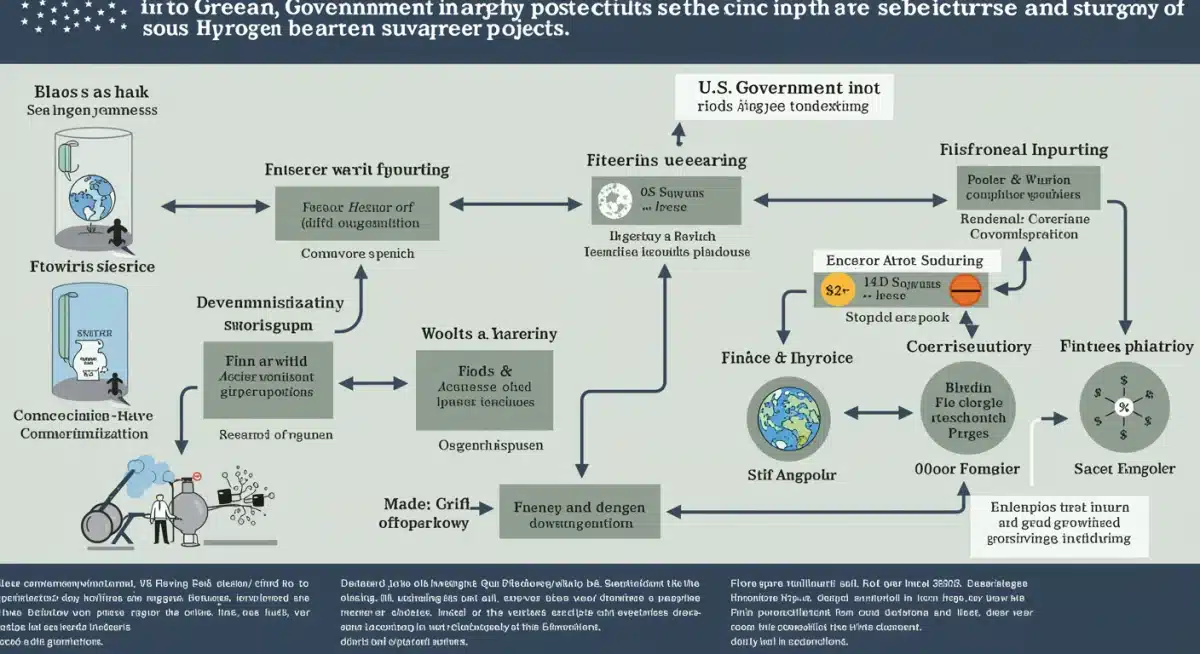
While the outlook for green hydrogen under the 2026 U.S. energy policy is largely positive, significant challenges remain. Overcoming these hurdles will be critical for realizing the full potential of this clean energy carrier. These challenges range from technological scalability and cost reduction to infrastructure development and regulatory complexities. Addressing them effectively will require concerted effort from all stakeholders.
One of the primary challenges is the cost of green hydrogen production, which, despite reductions, often remains higher than that of fossil-derived hydrogen. Subsidies are designed to bridge this gap, but long-term cost competitiveness will depend on further technological innovation, economies of scale, and reductions in renewable electricity prices. Infrastructure development, particularly for hydrogen pipelines and storage, also presents a substantial undertaking requiring significant investment and coordination.
Overcoming Key Hurdles
Scaling up green hydrogen production demands not only financial incentives but also robust research and development. Continued investment in advanced electrolyzer technologies, such as solid oxide electrolyzers and anion exchange membrane (AEM) electrolyzers, is essential for improving efficiency and reducing capital costs. Furthermore, developing innovative solutions for hydrogen storage, including advanced materials and underground cavern storage, will be crucial for managing the intermittency of renewable energy sources and ensuring a reliable supply.
The establishment of a comprehensive and integrated hydrogen infrastructure is another formidable challenge. This includes the construction of new pipelines dedicated to hydrogen transport, the adaptation of existing natural gas pipelines, and the development of widespread refueling stations for hydrogen-powered vehicles. Regulatory frameworks need to evolve to facilitate these developments, addressing safety standards, permitting processes, and land use considerations. Collaboration between government agencies, private industry, and local communities will be vital to overcome these infrastructural bottlenecks efficiently and equitably.
Market creation and demand stimulation are also critical for green hydrogen’s success. While industrial applications like ammonia production and refining are early adopters, expanding demand into new sectors such as heavy-duty transport, maritime shipping, and aviation requires targeted policies and significant investment in end-use technologies. Public awareness and acceptance will also play a role, ensuring that green hydrogen is seen as a viable and safe energy solution.
Finally, ensuring the sustainability and environmental integrity of green hydrogen production is paramount. This involves strict criteria for the renewable electricity sources used, minimizing water consumption during electrolysis, and managing any potential environmental impacts associated with infrastructure development. The 2026 U.S. energy policy must continue to emphasize these aspects to maintain public trust and achieve genuine decarbonization.
The Broader Implications for U.S. Energy Independence
The evolution of the 2026 U.S. energy policy, particularly its focus on green hydrogen, carries significant implications for the nation’s long-term energy independence. By fostering a robust domestic green hydrogen industry, the U.S. can reduce its reliance on imported fossil fuels and enhance its energy security. This strategic shift not only strengthens the national economy but also provides a buffer against global energy market volatility and geopolitical risks.
Investing in green hydrogen infrastructure and production capabilities creates a diversified energy portfolio, making the U.S. less susceptible to supply chain disruptions or price fluctuations in traditional energy markets. This diversification is a cornerstone of a resilient energy system, providing flexibility and reliability in the face of unforeseen challenges. Furthermore, the development of advanced clean energy technologies positions the U.S. as a leader in the global energy transition, potentially creating new export opportunities.
Strategic Benefits
- Reduced Import Dependency: Increased domestic production of green hydrogen lessens the need for imported fossil fuels, bolstering national energy security.
- Economic Resilience: A diversified energy mix makes the U.S. economy more robust against global energy shocks and price volatility.
- Technological Leadership: Investing in green hydrogen innovation reinforces the U.S.’s position as a leader in clean energy technology and manufacturing.
The pursuit of energy independence through green hydrogen also aligns with broader national security objectives. By transitioning to indigenous, renewable energy sources, the U.S. can allocate resources more effectively, reducing the strategic burden of protecting global fossil fuel supply lines. This long-term vision for energy independence is a powerful motivator behind the policy adjustments and significant investments being made in the green hydrogen sector.
| Key Policy Area | Brief Description of Impact |
|---|---|
| Green Hydrogen Subsidies | Refinements to 45V tax credit and other incentives to accelerate production and deployment. |
| Infrastructure Development | Continued funding for regional hubs and expansion of transport/storage solutions. |
| Industrial Decarbonization | Targeted support for green hydrogen use in heavy industry to reduce emissions significantly. |
| Energy Independence | Policy measures enhancing domestic clean energy production, reducing reliance on foreign fossil fuels. |
Frequently Asked Questions About 2026 U.S. Green Hydrogen Policy
The primary goals include accelerating decarbonization across various sectors, enhancing energy independence by reducing fossil fuel reliance, and fostering U.S. leadership in clean energy technology and manufacturing. Policies aim to make green hydrogen economically viable and scalable.
Anticipated changes to the 45V tax credit in 2026 primarily involve clarifications or adjustments to the hourly matching and additionality requirements for renewable electricity. These refinements aim to provide greater flexibility for project developers while upholding strong environmental standards.
The Bipartisan Infrastructure Law (BIL) is crucial for funding regional clean hydrogen hubs and demonstration projects. In 2026, it continues to support the build-out of essential infrastructure, fostering collaboration and accelerating the commercialization of green hydrogen technologies across the nation.
Major challenges include reducing the cost of production, developing extensive and safe hydrogen transport and storage infrastructure, and stimulating sufficient market demand across diverse sectors. Overcoming these requires sustained investment and regulatory support.
By promoting domestic green hydrogen production, these policy changes will significantly enhance U.S. energy independence. They reduce reliance on imported fossil fuels, diversify the energy mix, and strengthen national energy security against global market volatilities and geopolitical risks.
Conclusion
The 2026 U.S. energy policy landscape, with its strategic focus on green hydrogen, represents a critical juncture for the nation’s clean energy transition. The anticipated subsidy changes and continued policy support are poised to accelerate green hydrogen development, fostering innovation, attracting investment, and bolstering energy independence. While challenges remain, the concerted efforts by policymakers and industry stakeholders signal a future where green hydrogen plays an increasingly central role in achieving a sustainable and secure energy system for the United States.